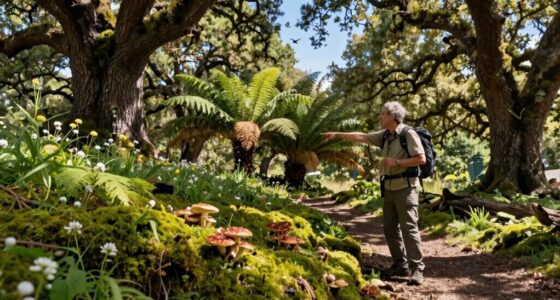

Believing that pristine wilderness exists untouched by humans is a harmful myth that oversimplifies ecological realities. You might think landscapes are purely natural, but many ecosystems are shaped by centuries of human activity like farming and land management. Ignoring this interconnection can lead to neglecting cultural preservation and extinguishing indigenous knowledge. Recognizing that humans are part of nature helps build sustainable strategies. Discover more about how this myth impacts our environment and cultures as you go further.

Get travel and outdoor gear delivered free with Prime
- Fast, free delivery on millions of items
- Prime Video, Amazon Music and more included
- Member-only deals all year
Key Takeaways
- The idea of untouched nature oversimplifies ecological realities, ignoring centuries of human influence like farming and land management.
- Promoting pristine wilderness can neglect the vital role indigenous communities play in ecosystem health.
- It risks erasing cultural connections and traditional knowledge crucial for sustainable environmental practices.
- Conservation efforts aimed at restoring “natural” states may inadvertently undermine cultural diversity and local livelihoods.
- Recognizing human-nature interconnectedness fosters more realistic, effective, and holistic approaches to ecological preservation.
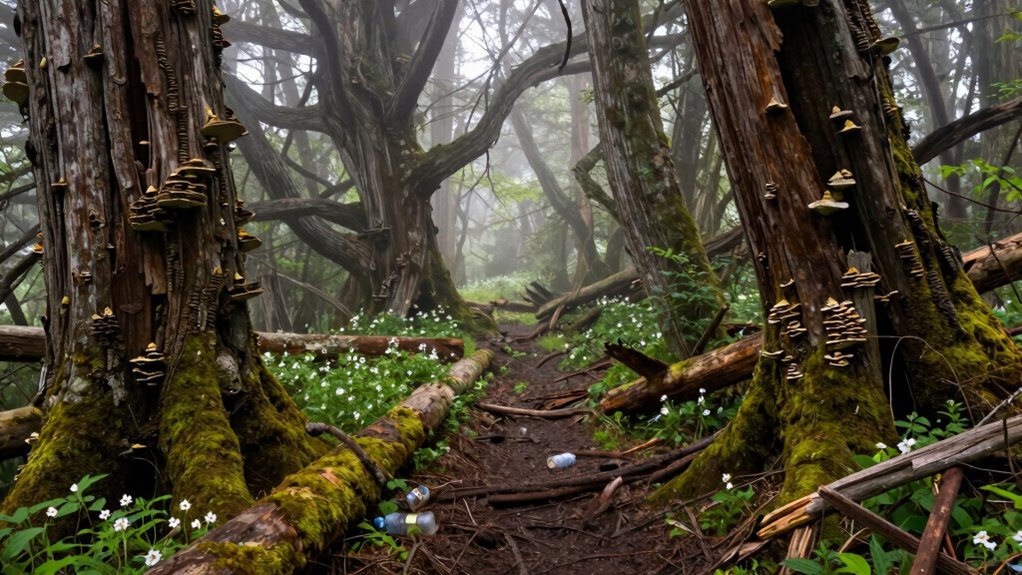
Have you ever believed that untouched nature is inherently pure and pristine? It’s a common idea, one that paints wild landscapes as untouched by human hands and consequently perfect. But this notion can be misleading. The idea of untouched nature often overlooks the complex realities of ecological balance and cultural preservation. Nature has always been shaped by human activity in some form or another, whether through hunting, farming, or managing land. The myth of pristine wilderness can obscure the fact that many ecosystems are the result of centuries of human influence. Instead of seeing these areas as pure, you might consider them as dynamic systems where human culture and natural processes are intertwined. Recognizing this helps you understand that ecological balance isn’t about untouched land but about maintaining harmony among living systems, human and non-human alike.
Furthermore, the fantasy of untouched nature can be harmful because it can lead to the neglect of cultural preservation. Many indigenous communities have managed and lived within these environments for generations, developing unique knowledge and practices that sustain both their cultures and ecosystems. When conservation efforts aim to “restore” land to a pristine state, they often ignore or erase these cultural connections. You might see this as a loss of valuable traditions, languages, and ways of life that are essential to the identity of these communities. True ecological health depends on respecting and integrating these cultural elements rather than attempting to remove human presence altogether. Recognizing human influence as a natural part of ecosystems helps foster a more realistic and respectful approach to conservation. Additionally, understanding that ecosystems are co-created over time emphasizes the importance of ongoing human involvement. This perspective aligns with ecological complexity, which highlights how diverse factors interact to shape environments. Embracing this perspective can also promote a more holistic approach to environmental stewardship, acknowledging both natural and cultural dynamics as vital components of healthy ecosystems. Recognizing that ecosystems are dynamic systems grounded in ongoing interactions can help shift conservation efforts toward sustainable coexistence rather than idealized restoration.
indigenous land management tools
As an affiliate, we earn on qualifying purchases.
As an affiliate, we earn on qualifying purchases.
Frequently Asked Questions
How Do Indigenous Communities View the Idea of Untouched Nature?
You might be surprised to learn that indigenous communities often see the idea of untouched nature as a misconception. Their cultural perspectives emphasize that humans have always interacted with nature through traditional practices, shaping ecosystems over generations. They believe that harmony between people and the environment is essential, and that nature isn’t separate or pristine but deeply intertwined with their way of life. This view challenges the notion of untouched, pristine landscapes.
Can ‘Untouched’ Landscapes Still Benefit Local Economies?
You might be surprised to learn that eco-tourism generates over $600 billion annually, proving ‘untouched’ landscapes can boost local economies. When you support eco-tourism benefits, you help preserve natural sites and promote cultural preservation. This sustainable approach provides jobs, encourages community involvement, and maintains the environment. By valuing these landscapes, you guarantee they continue to benefit both people and nature, breaking the myth that untouched means unprofitable.
What Are the Risks of Labeling Areas as ‘Untouched’?
Labeling areas as ‘untouched’ risks hiding ecological authenticity and cultural preservation. When you do this, you might overlook ongoing human influences, causing misunderstandings about the true state of ecosystems. It can lead to misguided conservation efforts that ignore local communities’ needs and histories. Recognizing the complex relationship between nature and culture helps protect biodiversity while respecting cultural authenticity, ensuring you’re not promoting a harmful, oversimplified idea of untouched landscapes.
How Does Climate Change Affect the Concept of Untouched Nature?
Climate change challenges your view of untouched nature by threatening ecosystem resilience, making it harder for natural areas to recover from disturbances. As temperatures rise and weather patterns shift, human intervention often becomes necessary to help protect these ecosystems. This ongoing impact blurs the idea of truly untouched landscapes, showing that nature isn’t static but constantly evolving, influenced by both climate change and human actions, which complicates the notion of pure, untouched wilderness.
Are There Successful Examples of Conservation Without the ‘Untouched’ Myth?
Yes, there are successful conservation efforts that avoid the ‘untouched’ myth. You can look at projects focusing on cultural preservation, where local communities actively manage and protect their environments. Ecotourism potential encourages sustainable practices and community involvement, promoting conservation without claiming pristine landscapes. These initiatives demonstrate that meaningful conservation happens through collaboration and respect for existing ecosystems, rather than aiming for an impossible, untouched ideal.
Conclusion
Remember, the idea of untouched nature is like a fragile glass—beautiful but easily shattered. When we cling to this illusion, we risk ignoring the vibrant, imperfect reality that sustains us. Nature’s true essence isn’t pristine — it’s resilient, messy, and alive through our actions. Embrace the truth that we’re part of this ongoing story, not separate from it. Only then can we nurture a future where nature’s wild heart continues to beat fiercely and freely.
Fall Picks
fall essentials
As an affiliate, we earn on qualifying purchases.