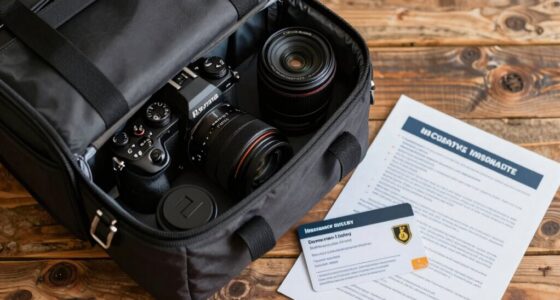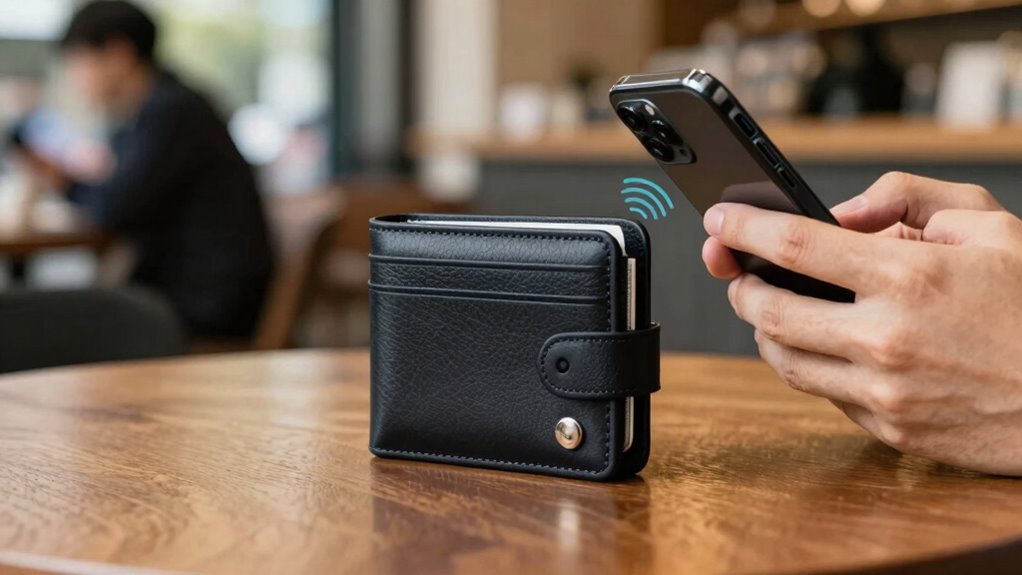

RFID blocking is important if you frequently use contactless cards in crowded places or while traveling, as it helps prevent unauthorized scans and identity theft. It’s less necessary if you rarely make contactless payments or mostly rely on cash or chip-and-PIN methods. For everyday use, consider your environment and how often you carry RFID-enabled cards. Want to know more about when RFID blocking truly matters? Keep exploring to find out.
Key Takeaways
- RFID blocking is essential in crowded or high-risk areas, such as traveling abroad or busy urban environments, to prevent data skimming.
- It’s less critical if you rarely use contactless payments or mainly rely on cash or chip-and-PIN transactions.
- Modern RFID-enabled cards often have built-in security, reducing the need for blocking accessories in low-risk situations.
- RFID blocking accessories are beneficial for protecting multiple cards or sensitive information during travel or crowded events.
- Balancing convenience and security involves using RFID protection when necessary, while practicing good account monitoring and security habits.

With the rise of contactless technology, RFID blocking has become an essential safeguard to protect your personal information. As more merchants and banks adopt contactless payments, your cards and devices transmit data wirelessly using RFID (Radio Frequency Identification) technology. While this convenience streamlines transactions, it also opens the door for potential security threats, especially if someone with malicious intent attempts to skim your card information without your knowledge. RFID blocking accessories act as a shield, preventing unauthorized scanners from reading your card’s data and helping you avoid falling victim to identity theft. If you’re someone who frequently uses contactless payments, understanding when RFID blocking matters most is vital for keeping your financial and personal details safe.
RFID blocking protects your contactless cards from unauthorized data skimming and identity theft.
For everyday use, RFID blocking covers a broad spectrum of risks associated with contactless payments. Whenever you tap your card at a store or use a contactless-enabled device, there’s a small chance that someone nearby might try to capture your card’s data with a rogue scanner. Although such incidents are rare, they’re not impossible, especially in crowded areas or at events with high foot traffic. RFID blocking wallets, sleeves, or pouches provide peace of mind by creating a barrier that prevents unauthorized reading. If you carry multiple RFID-enabled cards, these accessories ensure that your data remains private even when you’re in a busy city or traveling abroad. They’re especially useful for protecting sensitive information stored on your credit, debit, or ID cards. Additionally, understanding Vetted security measures**** can help you make more informed decisions about protecting your data.
However, RFID blocking isn’t necessary in every situation. If you’re not using contactless payments regularly or don’t carry RFID-enabled cards, the risk diminishes greatly. For instance, if you primarily pay with cash or use chip-and-PIN transactions, the chances of someone skimming your information without your knowledge are minimal. Additionally, many modern credit cards and IDs have built-in security features that make unauthorized reading more difficult. In such cases, RFID blocking accessories may be overkill, and you can focus on other security measures like monitoring your accounts or using strong, unique passwords.
In essence, RFID blocking is a valuable tool when you’re in environments where contactless transactions are common, and the risk of unauthorized data capture exists. Yet, if your daily routine doesn’t involve contactless payments or RFID-enabled cards, its importance is less critical. Staying informed about your usage habits and potential risks allows you to decide when RFID blocking is a worthwhile investment. It’s all about balancing convenience with security, ensuring your personal information stays safe without unnecessary clutter.
Frequently Asked Questions
Can RFID Blocking Harm My Device’s Signal?
RFID blocking generally won’t harm your device’s signal, but it can cause some device interference or signal degradation if the blocking material isn’t well-designed. You might notice weaker signals or slower data transfer if the RFID blocker is too close to your device. However, quality RFID blocking products are designed to prevent unauthorized access without affecting your device’s normal function, so choose reputable options to avoid potential interference.
Are RFID Blocking Wallets More Secure Than Traditional Ones?
RFID blocking wallets generally offer better security than traditional ones because their material effectiveness prevents unauthorized scanning of RFID chips. You’ll find they considerably reduce the risk of identity theft or data theft from RFID-enabled cards. While they’re not foolproof, their enhanced security comparison makes them a smart choice if you want added protection. Just make sure the wallet’s RFID-blocking material is high-quality for maximum effectiveness.
Do RFID Scanners Work Through All Materials?
RFID scanners don’t work through all materials, especially thick or dense ones. Studies show that material penetration can be limited by metal, foil, or multiple layers, blocking signals effectively. You should know that scanner limitations mean RFID signals can be stopped by certain fabrics or barriers, so not everything is vulnerable. If you’re concerned about security, choosing the right materials for wallets or covers can markedly reduce your risk of unauthorized scans.
How Often Should I Replace RFID Blocking Accessories?
You should replace your RFID blocking accessories every few years, depending on their lifetime durability. Most accessories last around 2 to 5 years with regular use, but exposure to wear and tear can affect their effectiveness. Check for signs of damage or decreased performance, and substitute them when you notice issues. Regular replacement ensures your RFID protection remains reliable, especially if you use your accessories daily.
Is RFID Blocking Necessary for Contactless Payment Cards?
You don’t need RFID blocking for contactless payment cards, as contactless security is built into these systems, making RFID myths about theft unlikely. While some worry about unauthorized scans, modern encryption and short-range signals protect your data. Instead of relying solely on RFID blocking accessories, stay vigilant with secure transactions and monitor your accounts regularly. RFID myths can cause unnecessary concern, but understanding how contactless payment works reassures you of its safety.
Conclusion
So, think of RFID blocking as your digital fortress—guarding your private world like a shield of shining armor. When you’re traveling, it’s your secret weapon against sneaky thieves lurking in the shadows. But on your daily routine, it’s more like an umbrella in a drizzle—useful, but not always essential. Know when to arm yourself and when to let your defenses rest, so your digital life stays secure without feeling weighed down.