Finding the right mirrorless camera for wildlife travel involves balancing image quality, portability, and autofocus speed. The Canon EOS R6 Mark II stands out as the overall best choice for its superb autofocus and fast burst shooting, ideal for capturing fleeting wildlife moments. The Sony Alpha a6400 offers a compact design with excellent image quality, perfect for travelers who need portability without sacrificing performance. However, tradeoffs include higher costs for top-tier models and the challenge of choosing between features like zoom range and low-light performance. Continue reading for a detailed comparison of the best options tailored to different wildlife photography needs.

Get travel and outdoor gear delivered free with Prime
- Fast, free delivery on millions of items
- Prime Video, Amazon Music and more included
- Member-only deals all year
Complete the kit


Key Takeaways
- The top-ranked cameras combine fast autofocus with high-resolution sensors for sharp wildlife images.
- Bundle options with zoom lenses offer better value but may limit flexibility in tight or distant shots.
- Compact models excel in portability but sometimes compromise on battery life or sensor size.
- Higher-end options like the Canon EOS R6 Mark II provide advanced features at a premium price point.
- Entry-level models are suitable for beginners but might lack the speed and durability needed for wildlife photography.
| Canon EOS R10 Mirrorless Camera with RF-S 18-150mm Lens Bundle |  | Best Overall for Versatility and Travel Convenience | Sensor Type: CMOS | Sensor Resolution: 24.2 MP | Lens: RF-S 18-150mm | VIEW ON AMAZON | See Our Full Breakdown |
| Canon EOS R100 Mirrorless Camera with 18-45mm & 75-300mm Double Lens Bundle |  | Best for Beginners and Versatile Wildlife Shooting | Sensor: 24.2MP APS-C CMOS | Lens: RF-S 18-45mm f/4.5-6.3 IS STM, RF 75-300mm | Image Processor: DIGIC 8 | VIEW ON AMAZON | See Our Full Breakdown |
| Canon EOS R10 Mirrorless Camera with 18-150mm & 75-300mm Lenses Bundle |  | Best for Versatile Wildlife and Video Enthusiasts | Sensor: 24.2MP APS-C CMOS | Video Recording: 4K UHD up to 60p | Autofocus: Dual Pixel CMOS AF II | VIEW ON AMAZON | See Our Full Breakdown |
| Canon EOS R50 Mirrorless Camera RF-S18-45mm F4.5-6.3 IS STM Lens Kit | 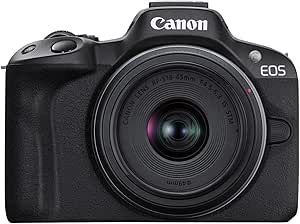 | Best for Vloggers and Content Creators on Wildlife Trips | Sensor: 24.2 Megapixel CMOS | Lens: RF-S 18-45mm F4.5-6.3 IS STM | Video: 4K at 30 fps | VIEW ON AMAZON | See Our Full Breakdown |
| Canon EOS R6 Mark II Mirrorless Camera with 24-105mm Lens Bundle |  | Best for Professional-Grade Wildlife Photography and Video | Sensor: 24.2MP full-frame CMOS | ISO Range: 100–102,400 (expandable to 204,800) | Autofocus: Deep learning Dual Pixel CMOS AF | VIEW ON AMAZON | See Our Full Breakdown |
| Sony Alpha a6400 Mirrorless Camera with 16-50mm Lens |  | Best Overall for Wildlife Travel Photography and Videography | Sensor: 20.1MP APS-C Exmor RS CMOS | Lens: 16-50mm, E Mount | Autofocus: Real-Time Eye AF | VIEW ON AMAZON | See Our Full Breakdown |
| Sony Alpha A6100 Mirrorless Camera with 16-50mm Zoom Lens, Black |  | Best for Beginners and Versatile Wildlife Photography | Sensor: 24.2MP APS-C Exmor | Autofocus: 425-point phase and contrast detection, real-time AF | Continuous Shooting: Up to 11 fps | VIEW ON AMAZON | See Our Full Breakdown |
| Canon EOS R50 Mirrorless Camera with 18-45mm & 75-300mm RF-S Lenses, 24.2MP APS-C Sensor, 4K Video, Includes Accessories |  | Best for Content Creators and Wildlife Travel with Versatile Bundle | Sensor: 24.2MP APS-C CMOS | Autofocus: Dual Pixel CMOS AF II, 651 zones | Video Recording: 4K UHD at 30p | VIEW ON AMAZON | See Our Full Breakdown |
| Sony Alpha a6100 Mirrorless Camera with 16-50mm and 55-210mm Lenses |  | Best for Versatile Wildlife Shooting with Multiple Lenses | Sensor: 24.2MP APS-C Exmor | Autofocus: Real-Time Eye AF, tracking | Continuous Shooting: Up to 11 fps | VIEW ON AMAZON | See Our Full Breakdown |
| Canon EOS R50 Mirrorless Camera with 18-45mm & 55-210mm Lenses Bundle |  | Best for Versatile Wildlife Photography on the Go | Camera Type: Mirrorless | Model: Canon EOS R50 | Included Lenses: 18-45mm f/4.5-6.3 IS STM, 55-210mm f/5-7.1 IS STM | VIEW ON AMAZON | See Our Full Breakdown |
| mirrorless camera for wildlife travel | Sensor | Autofocus | Lens |
|---|---|---|---|
| Canon EOS R10 Mirrorless Camer | — | — | RF-S 18-150mm |
| Canon EOS R100 Mirrorless Came | 24.2MP APS-C CMOS | Dual Pixel CMOS AF | RF-S 18-45mm f/4.5-6.3 IS STM, RF 75-300mm |
| Canon EOS R10 Mirrorless Camer | 24.2MP APS-C CMOS | Dual Pixel CMOS AF II | — |
| Canon EOS R50 Mirrorless Camer | 24.2 Megapixel CMOS | Dual Pixel CMOS AF II | RF-S 18-45mm F4.5-6.3 IS STM |
| Canon EOS R6 Mark II Mirrorles | 24.2MP full-frame CMOS | Deep learning Dual Pixel CMOS AF | RF 24-105mm f/4 L IS USM |
| Sony Alpha a6400 Mirrorless Ca | 20.1MP APS-C Exmor RS CMOS | Real-Time Eye AF | 16-50mm, E Mount |
| Sony Alpha A6100 Mirrorless Ca | 24.2MP APS-C Exmor | 425-point phase and contrast detection, real-time AF | — |
| Canon EOS R50 Mirrorless Camer | 24.2MP APS-C CMOS | Dual Pixel CMOS AF II, 651 zones | — |
| Sony Alpha a6100 Mirrorless Ca | 24.2MP APS-C Exmor | Real-Time Eye AF, tracking | — |
| Canon EOS R50 Mirrorless Camer | — | — | — |
More Details on Our Top Picks
Canon EOS R10 Mirrorless Camera with RF-S 18-150mm Lens Bundle
The Canon EOS R10 stands out for its impressive combination of image quality, speed, and portability, making it well-suited for wildlife travel where quick reactions and compact gear matter. Its 24.2MP APS-C sensor delivers sharp images, comparable to the full-frame R6 Mark II but at a lighter weight, which is essential for long excursions. The inclusion of a versatile 18-150mm lens provides broad zoom coverage, although it lacks weather sealing—limiting outdoor use in rugged conditions. Compared with the R100, the R10 offers faster autofocus and better video capabilities, but it does come at a higher price and slightly increased weight. This pick makes the most sense for wildlife travelers who want a reliable, all-in-one kit that balances quality and portability, but not for those expecting extreme ruggedness or extensive outdoor durability.
Pros:- High-resolution 24.2MP sensor for crisp, detailed images
- 4K 60p video with fast autofocus for versatile shooting
- Lightweight and travel-friendly design
- Includes comprehensive kit with lens, memory card, and bag
Cons:- Not water resistant, limiting outdoor durability
- Battery life details are not specified, which could impact extended shoots
Best for: Travelers who need a lightweight, all-in-one camera capable of capturing both wildlife and landscapes with ease.
Not ideal for: Wildlife photographers working in harsh weather conditions or environments demanding rugged equipment, since it isn’t water resistant.
- Sensor Type:CMOS
- Sensor Resolution:24.2 MP
- Lens:RF-S 18-150mm
- Image Stabilization:Optical
- Video Resolution:2160p
- Viewfinder:Electronic
- Display:LCD 1,040,000 dots
- Weight:3 pounds
Our verdict“This camera is ideal for wildlife travelers seeking a balanced mix of image quality, speed, and portability, but it isn’t suited for rugged outdoor conditions.”
Canon EOS R100 Mirrorless Camera with 18-45mm & 75-300mm Double Lens Bundle
The Canon EOS R100 bundle offers a beginner-friendly entry into wildlife and travel photography, with a dual-lens system that covers wide landscapes to distant wildlife shots. Its 24.2MP APS-C sensor produces detailed images comparable to higher-end models like the R6 Mark II, but with a simplified interface that benefits those new to mirrorless cameras. The dual lenses—an 18-45mm for general shots and a 75-300mm for wildlife—provide useful zoom ranges but may fall short for professional wildlife photographers who need faster apertures or more rugged lenses. Unlike the R10, the R100 lacks advanced video features, and its limited aperture range can be a hindrance in low-light situations. This bundle makes the most sense for wildlife enthusiasts starting out or casual travelers who prioritize flexibility and ease of use over professional-grade speed or durability.
Pros:- High-resolution 24.2MP sensor for detailed images
- Versatile dual-lens kit suitable for multiple photography styles
- Lightweight and portable for travel
- Advanced autofocus with Eye Detection AF
Cons:- Limited aperture range (f/4.5-6.3) may struggle in low light
- No mention of built-in image stabilization
Best for: Beginners or hobbyists exploring wildlife photography during travel who want an easy-to-use, versatile kit.
Not ideal for: Experienced wildlife photographers needing fast lenses, rugged outdoor durability, or professional video features, as this camera’s capabilities are more beginner-oriented.
- Sensor:24.2MP APS-C CMOS
- Lens:RF-S 18-45mm f/4.5-6.3 IS STM, RF 75-300mm
- Image Processor:DIGIC 8
- Included Items:Battery, charger, lens caps
- Weight:Lightweight
- Autofocus:Dual Pixel CMOS AF
Our verdict“This camera bundle provides an accessible, flexible option for wildlife travel beginners but isn’t suited for demanding professional wildlife work.”
Canon EOS R10 Mirrorless Camera with 18-150mm & 75-300mm Lenses Bundle
This bundle of the Canon EOS R10 with two zoom lenses offers a flexible setup for wildlife, videography, and travel. Its 24.2MP APS-C sensor delivers sharp images with fast autofocus, making it comparable to the R6 Mark II but at a lighter weight—though it doesn’t match the R6’s full-frame benefits. The inclusion of both 18-150mm and 75-300mm lenses makes it suitable for capturing wildlife at various distances, but the weight can become a concern on extended trips. Unlike the R6, it lacks professional-grade low-light performance and ruggedness, and its autofocus, while fast, may not be as precise in challenging conditions. This combination works well for travelers who want a broad zoom range and good video features without the bulk of full-frame gear.
Pros:- High-resolution 24.2MP sensor for detailed images
- Includes two zoom lenses for wide and telephoto shots
- 4K UHD video recording with oversampling
- Fast autofocus with Dual Pixel CMOS AF II
Cons:- Potentially heavy with multiple lenses and accessories
- Lacks weather sealing, limiting outdoor ruggedness
Best for: Wildlife and travel enthusiasts who need a versatile kit capable of both stills and 4K video, but are okay with some weight tradeoffs.
Not ideal for: Photographers requiring rugged, weather-sealed gear or those needing high burst speeds for fast-moving wildlife, due to weight and feature limitations.
- Sensor:24.2MP APS-C CMOS
- Video Recording:4K UHD up to 60p
- Autofocus:Dual Pixel CMOS AF II
- Included Lenses:RF-S 18-150mm, RF 75-300mm
- Memory Card:64GB
- Accessories:Shoulder bag
Our verdict“This setup offers great flexibility for wildlife and video travel, but extended hikes may be hampered by weight and durability concerns.”
Canon EOS R50 Mirrorless Camera RF-S18-45mm F4.5-6.3 IS STM Lens Kit
The Canon EOS R50 offers a compact, feature-rich package emphasizing video and content creation, making it ideal for wildlife travelers who want to document their adventures. Its 24.2MP sensor produces detailed images, and the vari-angle touchscreen simplifies shooting at awkward angles. The autofocus system with 651 zones ensures subjects stay sharp, even in unpredictable wildlife scenarios. Its 4K recording at 30 fps, combined with high-speed continuous shooting, surpasses many entry-level options like the R100 for video quality. However, the focal length range might be limiting for distant wildlife, and the camera’s complexity could pose a learning curve for new users. This makes the R50 a strong choice for vloggers or content creators who value lightweight design and video performance over extreme zoom or ruggedness.
Pros:- High-resolution 24.2MP sensor for detailed images
- Vari-angle touchscreen for flexible shooting angles
- Excellent autofocus with subject tracking
- 4K video at 30 fps with high frame rates
Cons:- Limited focal length range for distant wildlife
- Complex features may require time to master
Best for: Wildlife travel content creators and vloggers needing a portable camera with excellent video capabilities.
Not ideal for: Hardcore wildlife photographers requiring rugged, weather-sealed gear or extensive telephoto reach, due to limited focal length options and durability concerns.
- Sensor:24.2 Megapixel CMOS
- Lens:RF-S 18-45mm F4.5-6.3 IS STM
- Video:4K at 30 fps
- Autofocus:Dual Pixel CMOS AF II
- Continuous Shooting:Up to 15 fps
- Viewfinder:EVF
Our verdict“This camera excels for wildlife content creators who prioritize portability, video features, and ease of use, but isn’t ideal for professional wildlife photography requiring rugged gear or long telephoto lenses.”
Canon EOS R6 Mark II Mirrorless Camera with 24-105mm Lens Bundle
The Canon EOS R6 Mark II combines a full-frame 24.2MP sensor with advanced autofocus and 4K/60p video, making it the top choice for serious wildlife photographers who demand high image quality and low-light performance. Its superior autofocus system with deep learning tracking outperforms the crop sensor options like the R10 or R100, especially in challenging wildlife conditions. The included 24-105mm lens offers a versatile zoom range suitable for most wildlife scenarios, but the full-frame sensor and professional features come at a hefty weight and price—less convenient for extended travel. Compared with the smaller APS-C options, the R6 Mark II is better suited to those who prioritize image quality and ruggedness over portability, but it’s less practical for casual or lightweight travelers.
Pros:- Full-frame 24.2MP sensor for exceptional image quality
- Fast, accurate autofocus with deep learning subject tracking
- Excellent low-light performance and high ISO range
- 4K 60p video with professional features
Cons:- Heavy and less portable for extended wildlife trips
- Expensive compared to entry-level or crop-sensor cameras
Best for: Professional wildlife photographers and videographers seeking top-tier image quality and rugged performance during extended trips.
Not ideal for: Travelers on a budget or those who need lightweight gear, as the R6 Mark II is heavier and more expensive than crop-sensor models like the R10 or R100.
- Sensor:24.2MP full-frame CMOS
- ISO Range:100–102,400 (expandable to 204,800)
- Autofocus:Deep learning Dual Pixel CMOS AF
- Burst Shooting:Up to 12 fps (mechanical), 40 fps (electronic)
- Video:4K/60p, 6K RAW external
- Lens:RF 24-105mm f/4 L IS USM
Our verdict“This camera is best for wildlife photographers needing professional quality and ruggedness, accepting the tradeoff of increased weight and cost.”
Sony Alpha a6400 Mirrorless Camera with 16-50mm Lens
The Sony Alpha a6400 is a standout choice for wildlife travel due to its high-resolution 20.1MP APS-C sensor, which delivers sharp, detailed images even in challenging lighting conditions. Its real-time eye autofocus excels at capturing fast-moving animals or birds, outperforming many competitors like the Sony A6100 in tracking accuracy. The tiltable LCD enhances versatility for different shooting angles, especially when photographing wildlife from awkward positions. However, its reliance on E Mount lenses means you’ll need to invest in Sony-specific gear, and its battery life could limit long shooting sessions in remote areas. Compared to the Sony A6100, the a6400 offers slightly better autofocus and video features but at a higher price and with less battery endurance. This model suits wildlife photographers who demand high image quality and reliable autofocus, and are willing to carry extra batteries or accessories.
Pros:- High-resolution 20.1MP sensor for detailed images
- Fast, real-time eye autofocus suitable for moving subjects
- Versatile 4K video recording and tiltable LCD
Cons:- Limited to Sony E Mount lenses, requiring additional investment
- No built-in flash for quick lighting adjustments
- Battery life could be insufficient during extended wildlife excursions
Best for: Experienced wildlife photographers who want high-quality images and versatile video options in a compact form.
Not ideal for: Casual travelers or beginners who prefer a more affordable, all-in-one camera with longer battery life and easier lens compatibility.
- Sensor:20.1MP APS-C Exmor RS CMOS
- Lens:16-50mm, E Mount
- Autofocus:Real-Time Eye AF
- Video:4K UHD
- Continuous Shooting:Up to 11 fps
- Screen:Tiltable LCD
Our verdict“Ideal for wildlife photographers seeking high image quality and fast autofocus, despite some limitations in battery life and lens options.”
Sony Alpha A6100 Mirrorless Camera with 16-50mm Zoom Lens, Black
The Sony Alpha A6100 offers a compelling combination of speed and resolution, making it suitable for wildlife travelers who are new to serious photography. Its 24.2MP APS-C sensor provides excellent detail, comparable to the a6400 but at a lower price point. The autofocus system, with 425 phase and contrast detection points, ensures quick and accurate focusing, including eye AF for animals, which is crucial for capturing elusive wildlife. Its 3-inch tiltable touchscreen adds flexibility for shooting from different angles. However, lacking in-body stabilization and limited battery life can be frustrating during extended outdoor shoots. Unlike the a6400, it doesn’t feature 4K video recording, which might matter to wildlife videographers. This camera makes sense for those starting out or travelers who prioritize a balance of performance and affordability.
Pros:- Fast, accurate autofocus with Eye AF for animals
- High-resolution 24.2MP sensor for detailed images
- Tiltable touchscreen for creative angles
Cons:- No in-body stabilization, risking blurry shots in low light
- Limited battery life for prolonged field sessions
- No 4K video recording, restricting videography options
Best for: Amateur wildlife enthusiasts or travelers seeking a reliable, easy-to-use camera with excellent autofocus.
Not ideal for: Advanced wildlife shooters or videographers needing 4K recording and longer battery life for extended shoots.
- Sensor:24.2MP APS-C Exmor
- Autofocus:425-point phase and contrast detection, real-time AF
- Continuous Shooting:Up to 11 fps
- Screen:3-inch tiltable touchscreen
- Video:No 4K UHD
- Viewfinder:Electronic
Our verdict“Perfect for beginners and travelers who want swift autofocus and high detail without the complexity of professional gear.”
Canon EOS R50 Mirrorless Camera with 18-45mm & 75-300mm RF-S Lenses, 24.2MP APS-C Sensor, 4K Video, Includes Accessories
The Canon EOS R50 combines travel-friendly size with a flexible bundle ideal for wildlife and content creators. Its 24.2MP APS-C sensor delivers sharp images, and the Dual Pixel CMOS AF II system ensures quick focus on fast-moving wildlife, outperforming entry-level options like the Canon EOS R100. The included two-lens kit offers both wide and telephoto perspectives, perfect for capturing distant animals. Its compact weight and 4K video capabilities support dynamic wildlife videography. However, the sensor’s limited ISO performance in low-light conditions may challenge shooting under dense canopy or dawn/dusk lighting. The absence of in-body stabilization means relying on lenses or tripod stability. Compared to the R100, the R50’s bundle and autofocus features make it better suited for serious wildlife content creation. This camera suits wildlife travelers who want a versatile, portable solution with excellent autofocus and video features.
Pros:- High-quality 24.2MP sensor for detailed images
- Dual Pixel CMOS AF II with fast subject tracking
- Includes versatile 18-45mm and 75-300mm lenses
Cons:- Limited ISO performance in low-light conditions
- No in-body stabilization, affecting handheld shots
- Higher price point for advanced features and bundle
Best for: Content creators and wildlife enthusiasts seeking a lightweight, versatile camera with great autofocus and bundled lenses.
Not ideal for: Photographers needing exceptional low-light performance or those on a strict budget without lens flexibility.
- Sensor:24.2MP APS-C CMOS
- Autofocus:Dual Pixel CMOS AF II, 651 zones
- Video Recording:4K UHD at 30p
- Lenses Included:18-45mm, 75-300mm RF-S
- ISO Range:100-32000, expandable to 51200
- Size:Compact and lightweight
Our verdict“A strong choice for wildlife content creators who value portability, autofocus, and a flexible lens kit, despite some low-light limitations.”
Sony Alpha a6100 Mirrorless Camera with 16-50mm and 55-210mm Lenses
The Sony Alpha a6100 with 16-50mm and 55-210mm lenses provides excellent zoom flexibility, making it a practical choice for wildlife travel where subjects vary in distance. Its 24.2MP APS-C sensor matches the image quality of higher-end Sony models, and the fast autofocus system with real-time tracking and Eye AF helps capture elusive animals. Unlike the Sony A6400, it offers a broader zoom range, but it still lacks in-body stabilization, which can be problematic in handheld wildlife shoots. Its 11fps continuous shooting speed is useful for fast-moving subjects, but the absence of weather sealing limits use in damp or dusty environments. Compared to the A6100 kit with a single lens, this dual-lens setup provides more zoom options but adds weight and complexity. It’s best for wildlife travelers who want zoom versatility without carrying multiple cameras. This setup suits photographers needing a multi-lens system for varied wildlife scenarios.
Pros:- Versatile zoom range with two lenses included
- Fast autofocus with real-time tracking and Eye AF
- High-resolution 24.2MP sensor for detailed images
Cons:- No in-body stabilization, risking blurry shots in handheld wildlife photography
- Limited weather sealing, not ideal for damp environments
- No built-in image stabilization or weather resistance
Best for: Wildlife travelers who need zoom versatility and fast autofocus without the bulk of professional gear.
Not ideal for: Photographers requiring in-body stabilization or working in harsh weather conditions, due to limited sealing and stabilization.
- Sensor:24.2MP APS-C Exmor
- Autofocus:Real-Time Eye AF, tracking
- Continuous Shooting:Up to 11 fps
- Lenses:16-50mm and 55-210mm
- Viewfinder:Electronic
- WeatherSealing:No
Our verdict“Best suited for wildlife enthusiasts who want zoom flexibility and speed, accepting some limitations in stabilization and weatherproofing.”
Canon EOS R50 Mirrorless Camera with 18-45mm & 55-210mm Lenses Bundle
The Canon EOS R50 bundle stands out for its combination of lightweight design and versatile lenses, making it ideal for wildlife travel where mobility is key. Unlike the larger EOS R6 Mark II, which offers superior low-light performance and faster autofocus, the R50’s smaller form factor prioritizes ease of carry, though at the expense of limited low-light capability due to its variable aperture lenses. The included 18-45mm and 55-210mm lenses cover a broad focal range, enabling both close-up and distant shots, but their variable apertures (f/4.5-6.3 and f/5-7.1) can hinder performance in dim conditions. This bundle is perfect for travelers seeking a comprehensive kit without the bulk, but it’s less suitable for wildlife photographers who often shoot in low light or require faster autofocus. Compared with the Canon EOS R10, the R50’s lighter weight and bundled accessories make it more travel-friendly, but sacrifices some speed and low-light sensitivity.
Pros:- Includes two versatile lenses covering wide to telephoto ranges
- Compact and lightweight design ideal for travel and hiking
- Comprehensive bundle with accessories and a large capacity memory card
Cons:- Lenses have variable apertures that limit low-light shooting
- No built-in flash, which can be limiting in certain scenarios
- Autofocus performance may be slower compared to higher-end models
Best for: Wildlife travelers who prioritize portability and a versatile lens setup for daytime and casual wildlife shots.
Not ideal for: Photographers who need high-speed autofocus and exceptional low-light performance, especially in dense forests or dawn/dusk conditions.
- Camera Type:Mirrorless
- Model:Canon EOS R50
- Included Lenses:18-45mm f/4.5-6.3 IS STM, 55-210mm f/5-7.1 IS STM
- Battery:LP-E17
- Memory Card:64GB
- Accessories:Charger, neck strap, lens caps, dust caps, shoulder bag
Our verdict“This kit is best suited for wildlife enthusiasts seeking a portable, all-in-one solution for daytime wildlife photography, accepting some limitations in low-light conditions.”

How We Picked
We evaluated each camera based on performance factors critical for wildlife travel, such as autofocus speed, burst shooting rate, sensor size and resolution, and low-light capabilities. Usability features like ergonomic design, weather sealing, and battery life were also considered, as these impact field performance. Value was assessed by weighing the included lenses and accessories against the price. Our ranking favors cameras that balance image quality, speed, and portability, ensuring they meet the demands of unpredictable wildlife environments while remaining manageable for travel.Factors to Consider When Choosing Mirrorless Camera For Wildlife Travel
Choosing the right mirrorless camera for wildlife travel involves understanding your specific needs and the compromises you’re willing to accept. While high-end models boast superior autofocus and faster shooting, they also come with higher costs and potentially more complex handling. Conversely, more affordable options might lack advanced features but still deliver excellent results if chosen wisely. Consider your typical wildlife subjects, travel conditions, and experience level to find the best fit.Sensor Size and Resolution
For wildlife photography, a larger sensor (APS-C or full-frame) provides better low-light performance and depth of field control, which is essential for capturing sharp images in varied lighting conditions. Higher resolution sensors produce more detailed images, allowing for cropping without quality loss, but they also demand more storage and processing power. Balance resolution with your storage capacity and editing needs to avoid overwhelming your workflow.
Autofocus Speed and Accuracy
Fast and precise autofocus is critical to capture quick-moving animals. Look for cameras with advanced autofocus systems that include eye detection and subject tracking, which help keep wildlife in focus even in unpredictable motion. Cheaper models may struggle with speed or tracking, leading to missed shots. Investing in a camera with superior autofocus can significantly improve your wildlife photography outcomes.
Lens Compatibility and Zoom Range
Wildlife photography often requires versatile zoom lenses to capture distant subjects without disturbing them. Consider whether the camera system supports lenses with long focal lengths (e.g., 200mm or more). Bundle options with zoom lenses tend to offer better value, but check their optical quality and aperture openings—wider apertures (f/2.8, f/4) enable better low-light performance and background blur.
Size, Weight, and Durability
Traveling with wildlife gear demands a balance between durability and portability. Compact mirrorless models are easier to carry over long hikes, but they might sacrifice battery life or sensor size. Weather sealing and sturdy construction are beneficial for outdoor conditions. Be realistic about how much weight you can handle, especially if hiking remote locations or carrying multiple lenses.
Battery Life and Storage
Wildlife shoots often require long periods of waiting, so battery life becomes a crucial factor. Cameras with larger batteries or compatibility with external power sources can extend shooting time. Additionally, fast memory cards and ample storage ensure you don’t run out of space during crucial moments. Prioritize models with good battery longevity and efficient power management to avoid missing shots due to dead batteries.
Frequently Asked Questions
How important is sensor size for wildlife travel photography?
Sensor size significantly impacts image quality, particularly in low-light conditions often encountered during wildlife photography at dawn or dusk. Larger sensors like full-frame or APS-C capture more light and produce images with better detail and less noise. While smaller sensors are more compact and affordable, they may struggle in challenging lighting, making sensor size a key consideration for serious wildlife shooters.
Should I prioritize a camera with a longer zoom lens or a kit lens?
For wildlife photography, a longer zoom lens offers more flexibility to capture distant subjects without disturbing them. Kit lenses are convenient and cost-effective but often have narrower apertures and less reach. If wildlife is often far away, investing in a dedicated telephoto lens will likely improve your image quality and framing options, even if it adds weight and cost.
Is weather sealing necessary for wildlife travel cameras?
Yes, weather sealing can be a game-changer when shooting outdoors in unpredictable conditions. Wildlife trips often involve rain, dust, or humidity, and a sealed camera can withstand these elements better. While it adds to the cost, durability and peace of mind in challenging environments make weather sealing a valuable feature for serious travelers.
How much should I spend for a good wildlife travel mirrorless camera?
Expect to invest at least $1,000 for a reliable, feature-rich wildlife camera system that includes fast autofocus, good low-light performance, and durable build quality. Higher-end models like the Canon EOS R6 Mark II or Sony a6400 tend to push toward $1,500-$2,000 but offer significant advantages in speed, image quality, and handling. Budget options may suffice for casual or beginner wildlife photography but often lack the performance needed for more demanding conditions.
Are mirrorless cameras better than DSLRs for wildlife travel?
Mirrorless cameras generally offer advantages in size and weight, making them more travel-friendly, while also providing fast autofocus and live electronic viewfinders. Modern models match or surpass DSLRs in image quality and speed, often with better video capabilities. However, DSLRs still have advantages in battery life and lens selection in some cases. For wildlife travel, the portability and advanced features of mirrorless cameras often make them the preferred choice.
Conclusion
For travelers seeking the best overall performance, the Canon EOS R6 Mark II stands out, offering advanced autofocus and high-speed shooting. Budget-conscious adventurers will find the Sony Alpha a6400 provides excellent value with strong specs in a compact body. Beginners or those new to wildlife photography should consider entry-level options like the Canon EOS R100 for simplicity and affordability. Finally, if durability and weather resistance are priorities, investing in higher-end models or those with weather sealing makes sense. Tailor your choice to your experience level, budget, and specific wildlife subjects for the best results in 2026.Fall Picks
fall essentials
As an affiliate, we earn on qualifying purchases.