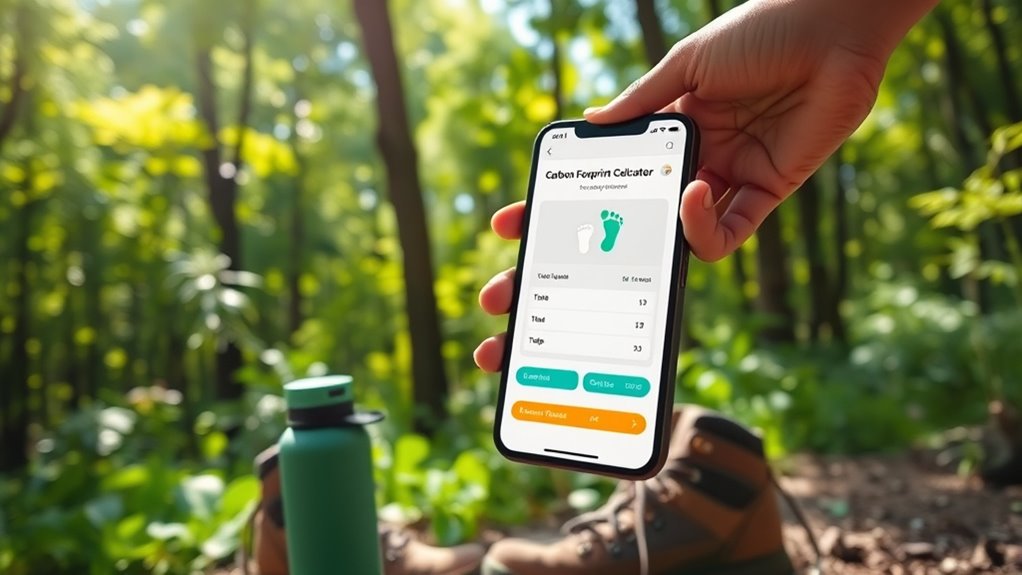

To calculate your trip’s carbon footprint, start by gathering details like travel distance, transportation modes, and accommodation choices. Use online carbon calculators to input this data, which helps clarify your emissions. Don’t forget to contemplate the impact of your food choices and local activities, as they can also contribute. With a clearer picture of your carbon output, you’ll be better equipped to make sustainable decisions. There’s more to explore on minimizing your travel’s environmental impact!
Key Takeaways
- Use online carbon footprint calculators to input specific travel details like distance and transportation mode for accurate estimates.
- Consider transportation choices, as public transport generally results in lower emissions compared to private vehicles or flights.
- Account for accommodation practices by selecting eco-friendly hotels with energy-efficient systems and local sourcing.
- Include all trip activities, such as dining and local experiences, as food transportation and choices impact overall emissions.
- Calculate total emissions to determine the necessary carbon offsets, like tree planting or supporting renewable energy projects.

As you plan your next adventure, it’s essential to take into account the impact your travel has on the environment. Understanding how to calculate your trip’s carbon footprint can help you make more informed choices. It’s about more than just the number; it’s about making conscious decisions that benefit the planet. Start by evaluating your mode of transportation. If you can, opt for sustainable transportation options like trains, buses, or even bicycles. These choices often produce significantly lower emissions compared to flying or driving solo in a car.
Consider your travel’s environmental impact; choosing sustainable transportation can significantly lower your carbon footprint.
Next, consider how you’ll be staying during your trip. Eco-friendly accommodations can greatly reduce your carbon footprint. Look for hotels or lodges that implement green practices, such as energy-efficient systems, water conservation efforts, or sourcing local food products. Many places have certifications that prove their commitment to sustainability, so don’t hesitate to ask about their practices when you book your stay.
Once you’ve selected your transportation and accommodation, it’s time to delve into the numbers. Many online calculators can help you estimate your trip’s carbon emissions based on your travel choices. You’ll input details like the distance traveled, the type of transportation used, and the duration of your stay. This will give you a clearer picture of your carbon footprint.
Additionally, think about other activities you’ll engage in during your trip. Are you planning to rent a car, or will you rely on public transport? Each choice contributes to your overall footprint. Remember, short car rentals can add up quickly, so aim to use public transport whenever possible.
Food choices matter too. Eating locally sourced meals not only supports the local economy but also reduces emissions related to food transportation. Try to choose restaurants that prioritize local and organic ingredients. Moreover, participating in local traditions such as farm-to-table experiences can enhance your understanding of the region while benefiting the environment.
Finally, once you’ve calculated your carbon footprint, you might consider ways to offset it. Many organizations offer programs that plant trees or support renewable energy projects. Contributing to these initiatives can help balance out the emissions from your travel.
Frequently Asked Questions
What Tools Can Help Me Reduce My Carbon Footprint While Traveling?
To reduce your carbon footprint while traveling, consider using tools like carbon offset calculators and eco-friendly travel apps. These resources help you choose sustainable transportation options, find green accommodations, and discover local eco-friendly activities. You can also pack reusable items like water bottles and utensils, which cuts down on waste. By being mindful of your choices, you can enjoy eco-friendly travel while making a positive impact on the environment.
How Can I Offset My Trip’s Carbon Emissions Effectively?
To offset your trip’s carbon emissions effectively, consider investing in carbon offset programs that support renewable energy projects or reforestation efforts. Research these programs carefully to guarantee they’re reputable and transparent. Additionally, incorporate sustainable travel planning into your itinerary by choosing eco-friendly accommodations and transportation options. By actively engaging in these practices, you not only offset your carbon footprint but also contribute positively to the environment during your travels.
What Are the Environmental Benefits of Eco-Friendly Travel?
Traveling eco-friendly is like planting seeds for a greener future. You’re not just exploring; you’re nurturing the planet. By choosing renewable energy sources and supporting sustainable practices, you help reduce waste and lower carbon emissions. This approach preserves natural beauty for future generations while promoting local economies. Every step you take towards eco-friendly travel makes a difference, allowing you to enjoy adventures that align with your values and respect the Earth.
Are There Specific Certifications for Sustainable Travel Options?
Yes, there are specific certifications for sustainable travel options. Look for eco labels and sustainable certifications like Green Key, EarthCheck, or the Rainforest Alliance. These certifications indicate that accommodations and services meet high environmental standards. When you choose certified options, you’re supporting businesses that prioritize sustainability and reducing your trip’s ecological impact. Always check for these labels to guarantee your travel choices align with your eco-conscious values.
How Do Transportation Choices Impact My Trip’s Carbon Footprint?
Your transportation choices are like the roots of a tree, deeply influencing your trip’s carbon footprint. When you opt for an eco-friendly vehicle, you’re nurturing that tree, allowing it to thrive with lower emissions. Alternatively, choosing public transit options is like sharing the journey, reducing the number of vehicles on the road. Both paths help lessen your environmental impact, making your travels not just about the destination, but about caring for the planet, too.
Conclusion
In the end, understanding your trip’s carbon footprint is like planting a tree; every small action counts. By calculating and being mindful of your travel choices, you can markedly reduce your impact on the planet. Whether it’s opting for public transport or choosing eco-friendly accommodations, every effort helps. So, as you plan your next adventure, remember that a little awareness goes a long way in preserving our beautiful Earth for future generations. Happy travels!