
To feel more connected and less entitled in wild places, approach with humility and respect. Recognize the land’s cultural significance and practice environmental responsibility by leaving no trace and sticking to trails. Spend quiet moments observing nature’s details and listen to its sounds. Engage meaningfully by learning about local traditions and sharing your appreciation. A respectful, thoughtful visit fosters a genuine bond with nature—if you’re curious, there’s more to discover about cultivating that connection.

Get travel and outdoor gear delivered free with Prime
- Fast, free delivery on millions of items
- Prime Video, Amazon Music and more included
- Member-only deals all year
Key Takeaways
- Approach with humility, recognizing the land’s cultural and environmental significance before exploring.
- Practice responsible behaviors like packing out trash and sticking to established trails.
- Engage in quiet reflection and observe seasonal changes to deepen your connection with nature.
- Learn about local traditions and listen to stories to foster cultural appreciation.
- Leave with gratitude, aiming to protect and preserve the wild place for future generations.
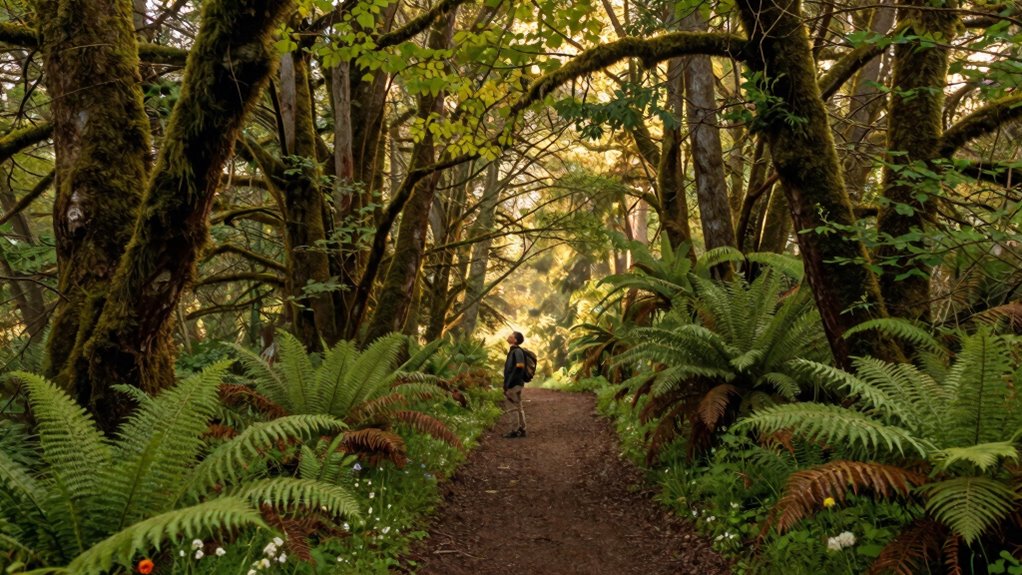
When you visit wild places, it’s easy to leave feeling entitled to their beauty and resources, but that mindset can do more harm than good. Instead of taking without giving back, you have the opportunity to foster a genuine connection with nature. The key lies in practicing cultural appreciation and environmental responsibility. When you approach these landscapes with respect, you not only deepen your understanding but also help preserve their integrity for future visitors.
Respect nature and local cultures to create meaningful connections and ensure wild places thrive for generations to come.
Cultural appreciation involves recognizing that these wild places often hold deep significance for local communities and indigenous peoples. Before you explore, take the time to learn about the history and traditions connected to the land. Respect local customs, listen to stories, and acknowledge the cultural ties that make these places unique. By doing so, you shift from being a mere observer to an engaged participant, honoring the stories and practices that have sustained these environments for generations. This mindset encourages humility and enriches your experience, transforming it from superficial sightseeing to meaningful connection.
Environmental responsibility goes hand in hand with cultural appreciation. It’s about understanding your impact and actively choosing to minimize it. Carry out everything you bring in, and avoid leaving any trash behind. Stick to established trails to prevent erosion and damage to fragile ecosystems. Use eco-friendly products and refrain from disturbing wildlife or plants. When you act with environmental responsibility, you contribute to the preservation of these ecosystems, ensuring they thrive long after your visit. Remember, wild places are delicate, and your actions can either support their health or compromise it. Practicing sustainable tourism is essential for safeguarding these environments for future generations.
To truly leave these places feeling more connected, engage mindfully. Spend time in quiet reflection, listening to the sounds of nature instead of rushing through your itinerary. Observe how the landscape changes with the seasons, and notice the small details—plants, animals, the way sunlight filters through trees. Sharing this awareness with others can inspire a collective sense of guardianship. Incorporating biodiversity awareness into your experiences can deepen your appreciation for the complexity and interdependence of these ecosystems. When you leave, do so with gratitude for the opportunity to experience such beauty, and a commitment to protect and respect these spaces.
Ultimately, connecting with wild places isn’t just about the physical experience; it’s about adopting a mindset rooted in cultural appreciation and environmental responsibility. When you approach nature with humility and care, you leave not only with memories but also with a sense of stewardship. That’s how you turn a simple visit into a meaningful, lasting bond with the wild world around you.
eco-friendly reusable water bottle
As an affiliate, we earn on qualifying purchases.
As an affiliate, we earn on qualifying purchases.
Frequently Asked Questions
How Can I Ensure My Footprint Is Minimal During My Visit?
To minimize your footprint during your visit, embrace eco-friendly travel practices and follow Leave No Trace principles. Carry reusable gear, avoid single-use plastics, and stick to established trails to prevent damage. Respect wildlife and plant life, dispose of waste properly, and leave the environment as you found it. By consciously reducing your impact, you help preserve these wild places for future explorers and guarantee your experience remains meaningful and sustainable.
What Are Some Respectful Ways to Interact With Wildlife?
When observing wildlife, keep your distance to avoid disturbing them, using binoculars or zoom lenses for a closer look. Practice ethical photography by respecting animals’ natural behaviors and avoiding flash or sudden movements. Be patient and quiet, allowing wildlife to approach you on their own terms. Remember, respectful interactions foster a deeper connection with nature, helping you appreciate wildlife without causing stress or harm.
How Do I Identify and Follow Local Conservation Guidelines?
Did you know over 70% of protected areas have specific guidelines? To follow local conservation rules, you need to prioritize cultural sensitivity and ethical volunteering. Always research regulations before visiting, respect signage, and listen to local communities. Engage in responsible activities that support preservation efforts. By doing so, you help safeguard wild places and guarantee future generations can enjoy their beauty and biodiversity.
What Gear Should I Bring to Reduce Environmental Impact?
You should bring eco-friendly gear like reusable water bottles, biodegradable soap, and lightweight, durable clothing to minimize waste and environmental impact. Use Leave No Trace principles by carrying out all trash and avoiding damaging plants or wildlife. Opt for eco-friendly gear made from sustainable materials, and avoid single-use plastics. This way, you help preserve the wild places you enjoy and stay connected to nature rather than harming it.
How Can I Support Local Communities While Enjoying Wild Places?
Supporting local communities is like planting seeds of respect that grow into lasting bonds. You can engage in community involvement by volunteering or purchasing from local artisans. Show cultural respect by learning about traditions and customs before visiting, and always follow guidelines. Your mindful actions help preserve the area’s authenticity, ensuring these wild places remain vibrant and welcoming for everyone, enriching your experience while uplifting the people who call these lands home.
Conclusion
Remember, every step you take in wild places shapes your bond with nature. Leave behind only footprints and take away a heart full of awe—like carrying a piece of the universe itself. By respecting and protecting these sacred spaces, you guarantee they thrive for generations to come. So, tread softly, listen deeply, and let your connection grow stronger than the tallest mountain or the deepest forest. Together, we can keep wild places wild and wondrous forever.
Halloween Picks
halloween
As an affiliate, we earn on qualifying purchases.