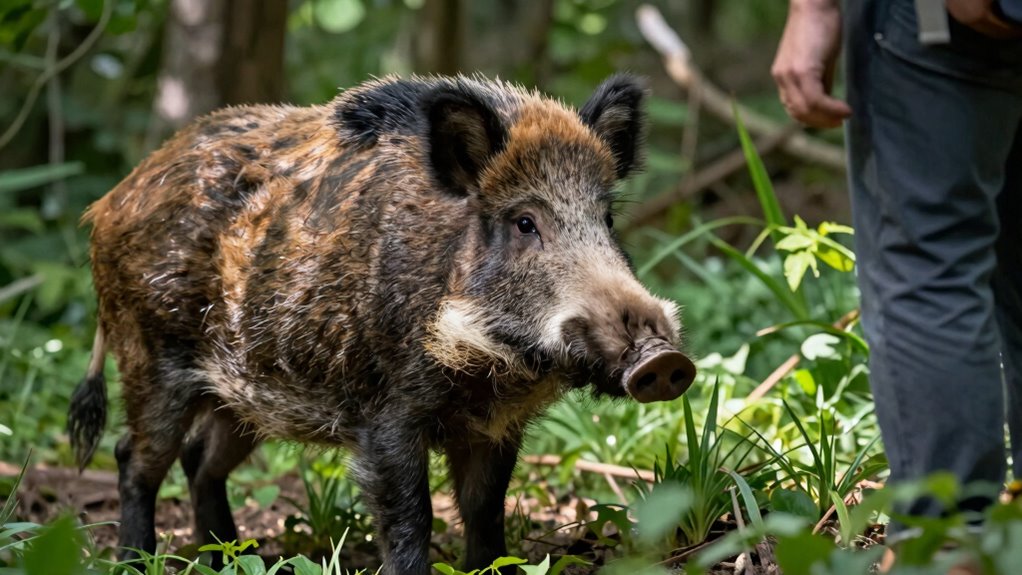

Habituating wildlife to human presence can be risky for you and the animals. When animals lose caution, they may approach people for food or become less alert to danger, increasing the chance of aggressive encounters. Human dependency also disrupts their natural survival skills, harming ecosystems and making animals more vulnerable to poaching and disease. By understanding these issues, you’ll see why responsible travel is essential. Keep exploring to learn more about protecting both wildlife and yourself.

Get travel and outdoor gear delivered free — and shop member deals
- Fast, free delivery on millions of items
- Access to Prime Big Deal Days deals on October 6–7
- Prime Video, Amazon Music and more included
Key Takeaways
- Habituated animals may approach humans aggressively, increasing safety risks for travelers.
- Dependency on human food alters natural animal behaviors, disrupting ecosystems.
- Close interactions can lead to the spread of diseases between humans and wildlife.
- Habituation reduces animals’ survival instincts, making them more vulnerable to poaching.
- Ethical concerns arise as habituation compromises wildlife conservation and natural experiences.
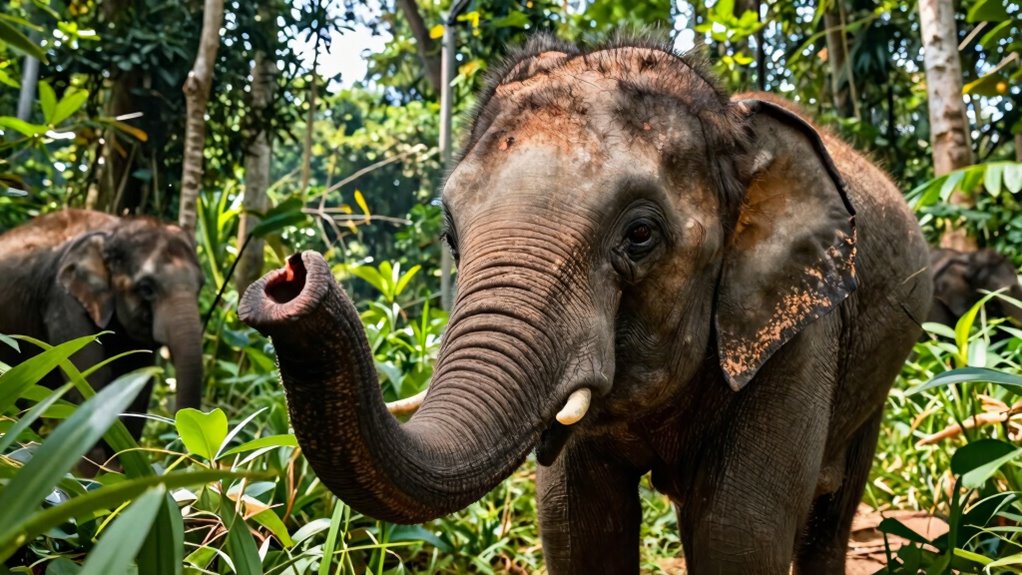
When travelers repeatedly observe wildlife in their natural habitats, animals can become accustomed to human presence, a process known as habituation. While this might seem like a positive development—making wildlife viewing easier—it can lead to serious issues for both animals and humans. One of the biggest concerns is human-wildlife conflict, which occurs when animals lose their natural wariness and come into closer contact with people. These encounters can result in dangerous situations, such as animals becoming aggressive or dependent on human food sources, which disrupts their natural behaviors. As a traveler, you might not realize that your admiration for wildlife could unintentionally contribute to these conflicts, especially if you’re not mindful of how your actions influence animal behavior.
Repeated wildlife observation can lead to animals losing caution, increasing risks of conflict and dependency on humans.
Habituation can also undermine efforts toward ethical tourism. When animals become too comfortable around humans, they often lose their natural fear, leading to behaviors that aren’t natural or healthy for them. For instance, animals might scavenge from trash or approach humans for food, which increases their vulnerability to poaching, disease, and habitat destruction. This kind of dependency can cause long-term harm, making it harder for conservationists to protect these species effectively. As a responsible traveler, you should consider how your presence might be impacting wildlife, rather than just focusing on getting that perfect photo or close-up encounter.
Moreover, habituation can distort the animals’ natural behaviors, affecting their survival instincts and social dynamics. When animals associate humans with food or safety, they may lose their ability to forage effectively or defend themselves. This can lead to a cycle of dependency that ultimately weakens their populations. For travelers, this means that the animals you see may no longer be exhibiting their natural, healthy behaviors. Instead, they might be acting out of habit or conditioned responses, which doesn’t truly reflect their natural state. Recognizing the importance of wildlife behavior can help ensure that interactions remain ethical and sustainable. Additionally, understanding the impact of habituation can guide travelers to make more informed choices that support conservation goals. It is also vital to be aware of how behavioral changes in animals due to habituation can have ripple effects across entire ecosystems.
Furthermore, habituation can lead to an erosion of natural instincts, which are crucial for the survival of wildlife in their habitats. In the broader context, habituation raises ethical questions about the kind of tourism we promote. If your activities contribute to animals becoming too comfortable with humans, you might be fueling a cycle of behavior that jeopardizes their well-being. Ethical tourism advocates for respecting wildlife and maintaining their natural behaviors, not disrupting them. It’s also important to remember that human-wildlife conflict can have serious safety implications for travelers and local communities alike. As a traveler, being aware of how your actions influence wildlife can help you make more responsible choices. Avoid feeding animals, maintain a respectful distance, and support conservation efforts. By doing so, you’re helping to prevent the negative consequences of habituation and promoting a sustainable, respectful approach to wildlife encounters.
As an affiliate, we earn on qualifying purchases.
Frequently Asked Questions
How Does Wildlife Habituation Affect Animal Migration Patterns?
Wildlife habituation can profoundly affect animal migration patterns by causing behavioral changes. When animals become accustomed to humans, they may lose their natural wariness, leading to altered migration routes or timing. This migration disruption can harm their survival, as they might not reach essential breeding or feeding grounds. As a traveler, you might unknowingly contribute to these issues, so it’s important to respect wildlife and keep a safe distance to help preserve their natural behaviors.
What Are the Long-Term Ecological Impacts of Habituation?
You might think habituation isn’t a big deal, but it leads to behavioral adaptation that disrupts natural instincts. Over time, this causes ecological imbalance, affecting predator-prey relationships and plant pollination. These long-term impacts threaten biodiversity and ecosystem health. By ignoring habituation’s effects, you risk supporting environments where animals struggle to survive naturally, undermining the balance that keeps ecosystems resilient and thriving for future generations.
Can Habituation Lead to Increased Human-Wildlife Conflicts?
Yes, habituation can lead to increased human-wildlife conflicts. When tourists engage in feeding practices or alter their behavior around animals, it encourages wildlife to approach humans more often. This can make animals less cautious and more aggressive, risking injury to both parties. Your tourist behavior directly influences this, so avoiding feeding or disturbing wildlife helps prevent conflicts and keeps both humans and animals safe.
How Do Local Communities View Wildlife Habituation Issues?
You might be surprised to learn that 65% of local communities view wildlife habituation as a threat to their safety and cultural attitudes. They often see increased human-wildlife interactions as disruptive, leading to fears of harm and loss of traditional ways. Community perceptions can be quite varied, but many worry that habituation encourages animals to become too comfortable around people, which may escalate conflicts and undermine their natural behaviors.
Are There Legal Regulations Addressing Wildlife Habituation Concerns?
Yes, there are legal regulations addressing wildlife habituation concerns. You should familiarize yourself with wildlife policies and tourism guidelines that aim to protect animals from excessive human interaction. These laws often restrict feeding, approaching, or disturbing wildlife, helping to prevent habituation. By following these regulations, you contribute to conservation efforts and guarantee a safer, more sustainable experience while enjoying nature responsibly.
Conclusion
As a traveler, it’s easy to forget that your presence can turn wild animals into shadows of their former selves. Habituating wildlife is like slowly peeling away their natural defenses, leaving them vulnerable and out of their element. Think of it as turning a majestic forest into a neighborhood—familiar, but no longer wild. So, respect their space, protect their world, and remember that true adventure lies in observing, not disturbing, the wild.
Fall Picks
fall essentials
As an affiliate, we earn on qualifying purchases.