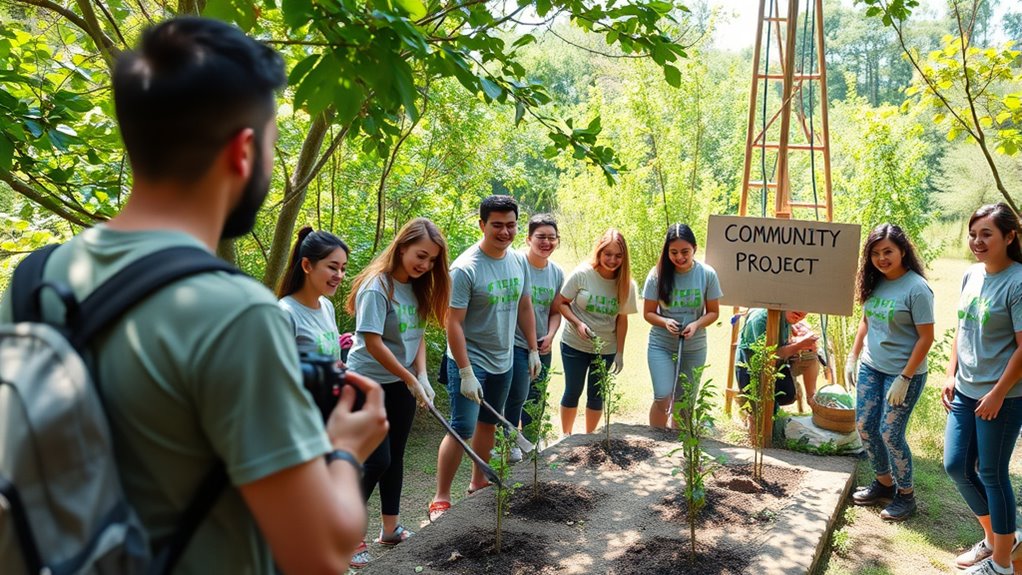

When comparing volunteer travel and voluntourism, focus on community empowerment over personal experiences. To vet organizations, research their ethical practices, community involvement, and guarantee they align with local needs. Talk to past volunteers for insights on impact and relationships formed. Look for programs that respect local culture and prioritize genuine connections rather than mere adventure. By taking these steps, you can guarantee your efforts truly benefit the community, and there’s more to uncover on this topic.
Key Takeaways
- Research organizations that prioritize community needs and ethical volunteer practices to ensure genuine impact.
- Look for programs that involve local communities in project planning and decision-making.
- Engage with past volunteers to gather insights about the organization’s effectiveness and community relations.
- Assess whether the program fosters authentic relationships between volunteers and community members.
- Utilize tools like predictive modeling to align volunteer efforts with community-driven needs and long-term benefits.

Have you ever wondered how volunteer travel differs from voluntourism? While both concepts involve travelers contributing to communities, the underlying motivations and ethical considerations set them apart. When you engage in volunteer travel, you often focus on making a genuine difference in the lives of others. This means you’re likely to prioritize the needs of the community and invest time in understanding their culture. In contrast, voluntourism can sometimes lean more toward the experience of the traveler rather than the actual community benefits.
Volunteer travel prioritizes community needs and cultural understanding, while voluntourism can focus more on the traveler’s experience.
When considering ethical considerations, it’s vital to think about how your actions impact the local culture. Volunteer travel encourages you to approach your work with a mindset of cultural sensitivity. This means being aware of the traditions, values, and social norms of the community you’re working with. You wouldn’t want to impose your beliefs on others or disrupt the local way of life. Instead, you should aim to listen, learn, and adapt. This approach not only fosters respect but also enhances the effectiveness of your volunteer efforts.
In voluntourism, however, the focus can shift toward creating memorable experiences for the traveler, sometimes at the expense of the community’s needs. It’s essential to ask whether your participation genuinely serves the community or if it merely satisfies your desire for adventure. For instance, if you’re building a school but fail to understand the community’s educational priorities, you might end up constructing something that doesn’t address their actual needs. This misalignment can lead to wasted resources and perpetuate dependency rather than fostering empowerment.
To truly engage in volunteer travel, you need to vet your options carefully. Research organizations that prioritize ethical practices and community involvement. Look for programs that have a solid understanding of local issues and actively involve community members in decision-making. Engage with past volunteers to gather insights about their experiences and the organization’s impact. You should also seek out opportunities that allow you to develop genuine relationships with the community, as these connections enrich your understanding of their culture and needs. Additionally, consider how your volunteer efforts can be informed by predictive modeling to better align with community needs and ensure long-term benefits.
Ultimately, the distinction between volunteer travel and voluntourism lies in your intentions and actions. By being mindful of ethical considerations and practicing cultural sensitivity, you can guarantee that your efforts contribute positively to the communities you visit. So, as you consider your next travel adventure, ask yourself: am I here to help, or just to feel good about myself?
Frequently Asked Questions
What Are the Key Differences Between Volunteer Travel and Voluntourism?
Volunteer travel focuses on genuine contributions to communities, emphasizing ethical considerations and meaningful cultural immersion. In contrast, voluntourism often blends leisure with service, sometimes prioritizing the travel experience over impactful work. When you engage in volunteer travel, you’re likely to interact deeply with local cultures and needs, whereas voluntourism may offer more superficial engagements. To make a real difference, it is crucial to prioritize programs that align with ethical practices and community benefits.
How Do I Choose a Reputable Volunteer Organization?
Choosing a reputable volunteer organization isn’t just about the trip; it’s about making a real impact. You’ll want to think about ethical considerations, ensuring the organization prioritizes the community’s needs over profit. Look for programs that emphasize cultural sensitivity, respecting local customs and traditions. Read reviews, connect with past volunteers, and ask tough questions about their practices. When you find an organization that aligns with your values, you’ll feel confident about your choice.
Are There Specific Skills Required for Volunteer Travel?
Yes, there are specific skills required for volunteer travel. Depending on the project, you might need skills in areas like teaching, healthcare, or construction. Some organizations have training needs, so check if they provide any pre-departure training or resources. You’ll want to assess your strengths and how they align with the project’s requirements. Your experience can greatly impact the community you’re serving, so make sure you’re well-prepared.
What Are Common Misconceptions About Voluntourism?
Many folks think voluntourism always leads to positive impacts, but that’s not true. You might overlook ethical concerns, like whether local communities truly benefit from your efforts. There’s also a misconception that you can swoop in and make a difference without understanding cultural sensitivity. It’s essential to respect local customs and needs, or your well-meaning intentions could do more harm than good. Always approach with awareness and humility to guarantee your efforts are genuinely helpful.
How Can I Fund My Volunteer Travel Experience?
Funding your volunteer travel experience can be fun and fulfilling. First, find funding sources like grants, scholarships, and crowdfunding platforms. Next, consider creative fundraising tips: host bake sales, organize fun runs, or offer services like pet sitting. Don’t forget to tap into social media for support—share your story and goals! Engaging your community not only boosts funds but also builds excitement around your journey. So, get started and make your dream trip a reality!
Conclusion
In the end, whether you choose volunteer travel or voluntourism, make sure you’re not just a tourist in someone’s life, but a genuine contributor to their community. Dig deep, ask questions, and seek out opportunities that truly make a difference. Remember, you’re planting seeds of change, not just taking snapshots. By vetting your options, you can guarantee your journey leaves a lasting impact, both on the people you help and on your own heart.