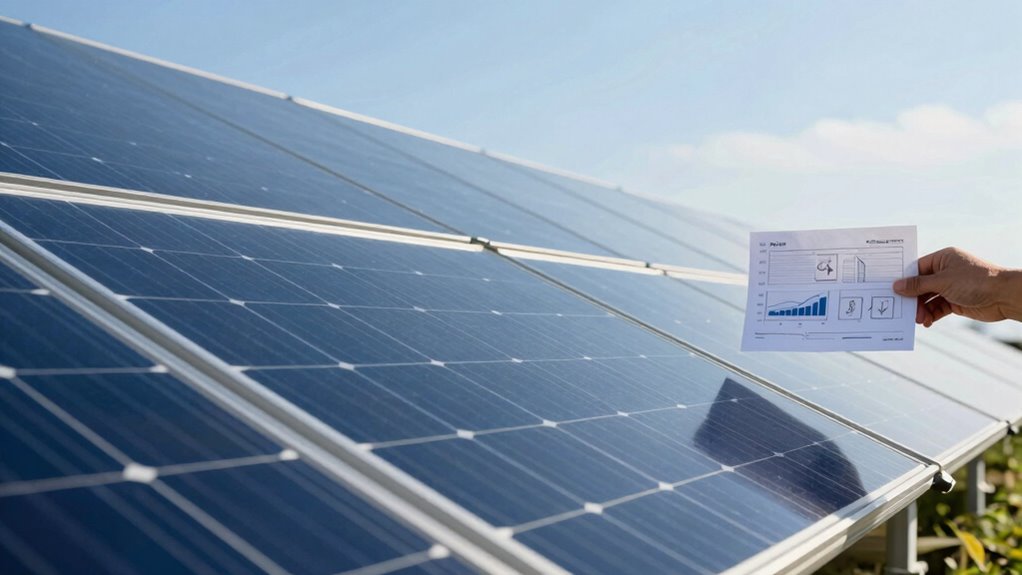

To tell if your solar plan is actually balanced, check if your system provides reliable power during sunny, cloudy, and nighttime conditions. Make sure your panels are efficient enough to generate sufficient energy, especially in limited spaces or shaded areas. Confirm that your battery storage capacity matches your energy use, storing enough for cloudy days and evenings. When components work harmoniously, your system stays effective and reliable—continue exploring this topic to learn how to optimize your setup even further.

Get travel and outdoor gear delivered free — and shop member deals
- Fast, free delivery on millions of items
- Access to Prime Big Deal Days deals on October 6–7
- Prime Video, Amazon Music and more included
Key Takeaways
- Ensure your system consistently meets your energy needs during sunny, cloudy, and nighttime conditions.
- Verify that solar panel efficiency matches your roof space and sunlight exposure.
- Check if battery storage capacity adequately covers evening and cloudy-day energy demands.
- Confirm components are properly matched to optimize overall system performance.
- Regularly monitor system metrics to detect performance issues and maintain balance.
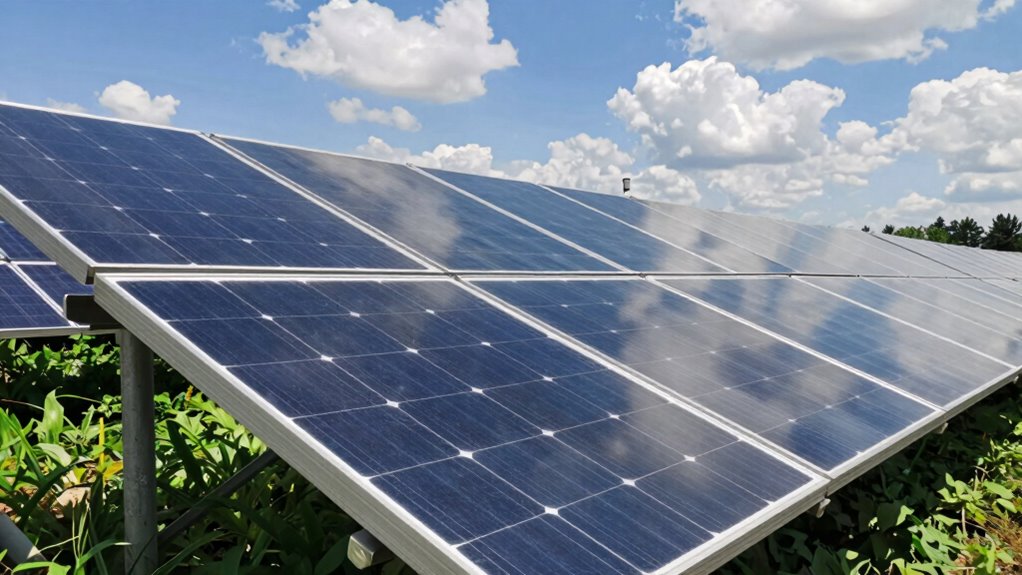
If you’re considering a solar plan, it’s vital to guarantee that it’s truly balanced to meet your energy needs effectively. A balanced solar plan ensures you generate enough power during sunny days and have reliable options for cloudy days or nighttime use. To do this, you need to look closely at your system’s solar panel efficiency and battery storage options. Solar panel efficiency measures how well your panels convert sunlight into electricity. Higher efficiency panels produce more power in a smaller space, which is especially important if your roof has limited area or shading issues. When evaluating your system, ask if your panels are optimized for your typical sunlight conditions and whether they’re capable of generating enough energy during peak hours. If your panels aren’t efficient enough, you might find yourself short on power, especially during overcast days, which throws off the balance of your entire plan.
Next, consider your battery storage options. Batteries act as an energy reserve, storing excess power generated during sunny periods so you can use it when the sun isn’t shining. A good battery system is vital for maintaining a consistent energy supply, especially if you’re in an area with variable weather or if you want to maximize your reliance on solar power rather than grid electricity. When evaluating your batteries, check their capacity and lifespan. Do they hold enough energy to meet your evening or cloudy day needs? Are they durable enough to last through multiple charge cycles? The right battery storage options should seamlessly complement your solar panel efficiency, ensuring you’re not left struggling for power when your panels aren’t actively generating electricity. Additionally, understanding the solar panel efficiency helps you gauge your overall system performance and whether it’s truly balanced. It’s also beneficial to assess the battery capacity to ensure it aligns with your energy consumption patterns and backup needs. Properly matching these components guarantees a more balanced and reliable solar energy system. Incorporating an understanding of system performance metrics can further help you optimize and maintain your system’s effectiveness over time.
As an affiliate, we earn on qualifying purchases.
Frequently Asked Questions
How Often Should I Review My Solar Plan’s Efficiency?
You should review your solar plan’s efficiency at least once a year. Regular solar panel maintenance helps guarantee peak performance, while checking your battery storage enhancement keeps your system running smoothly. Keep an eye on your energy output and monitor for any declines. Seasonal reviews are also helpful, especially after extreme weather, to address potential damage or inefficiencies. Staying proactive ensures your solar system remains cost-effective and efficient over time.
What Are Common Signs of an Unbalanced Solar System?
If your solar panel performance drops unexpectedly or you’re seeing inconsistent energy output, it might signal an unbalanced system. Watch for frequent battery storage issues, like inadequate charge or quick depletion, which suggest imbalance. Additionally, if your system isn’t meeting your energy needs despite good sunlight, it could be a sign that your battery storage options or panels aren’t properly aligned. Regularly monitoring these signs helps guarantee your system stays balanced.
Can Seasonal Changes Affect My Solar Plan’s Balance?
Seasonal variation can definitely impact your solar plan’s balance. During winter, sunlight hours drop by about 30%, reducing energy production. You should make shading adjustments as seasons change, since shading effects vary throughout the year. Monitoring your system regularly helps identify these shifts, ensuring your solar setup stays balanced. Keep track of seasonal patterns and adjust your system accordingly to maximize efficiency year-round.
How Do I Compare Different Solar Plans Effectively?
To compare different solar plans effectively, start by examining each plan’s solar panel specifications, focusing on energy efficiency. Look for plans offering higher efficiency panels that generate more power with less sunlight. Consider total costs, including installation and maintenance, and check the projected energy output over time. Comparing these factors helps you identify the most cost-effective and efficient plan tailored to your energy needs.
What Costs Are Involved in Adjusting My Solar Plan?
When adjusting your solar plan, you’ll encounter costs like equipment upgrades, installation fees, and possibly additional maintenance. Conduct a thorough cost analysis to understand these expenses. Exploring financing options can ease the financial shift, making adjustments more manageable. Keep in mind, investing in the right changes now can lead to greater savings long-term, turning a seemingly hefty expense into a smart, sustainable choice for your energy future.
Conclusion
By now, you see that examining your solar plan isn’t just about numbers; it’s about finding harmony between your energy needs and the sun’s bounty. Think of your plan as a well-tuned orchestra, where each part plays in perfect harmony. Keep evaluating, adjusting, and staying informed. When your solar setup hits the right notes, you’ll enjoy a symphony of savings and sustainability—making your energy future as bright as a sunbeam on a clear day.
Halloween Picks
halloween
As an affiliate, we earn on qualifying purchases.