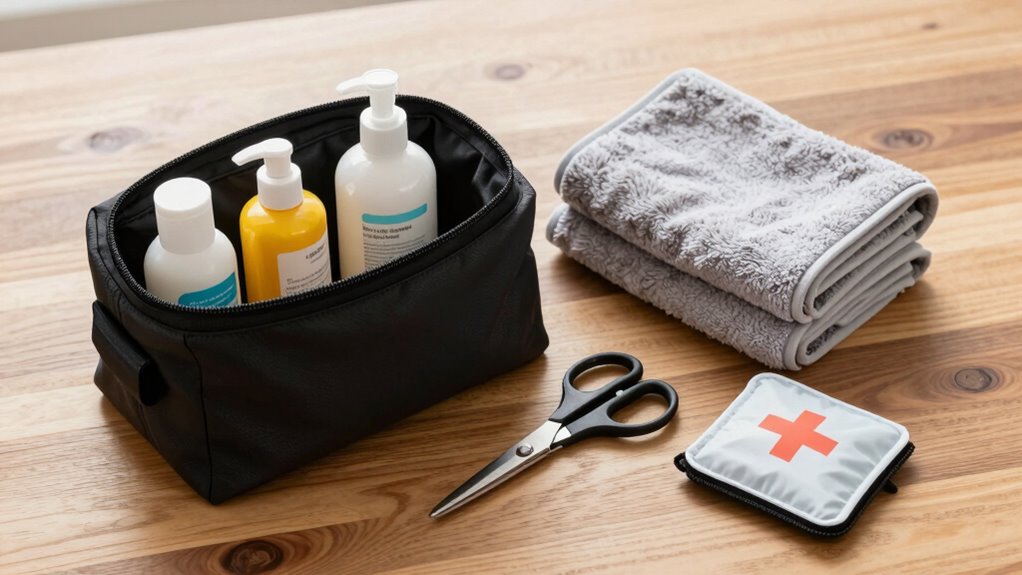

To build a travel kit you’ll still use after two years, choose durable, high-quality gear designed for longevity, like sturdy backpacks or suitcases and long-lasting materials. Pack versatile, lightweight clothing and eco-friendly essentials for various climates. Organize with packing cubes and regularly review your gear to replace worn-out items. Focus on reliable, sustainable products that withstand frequent use. Keep your kit well-maintained and customized for different adventures, and you’ll find it stays useful for years to come.

Get travel and outdoor gear delivered free — and shop member deals
- Fast, free delivery on millions of items
- Access to Prime Big Deal Days deals on October 6–7
- Prime Video, Amazon Music and more included
Key Takeaways
- Select high-quality, durable gear designed for long-term use and resistant to wear and tear.
- Pack versatile, neutral clothing and multi-functional items suitable for various climates and activities.
- Organize with packing cubes and regularly review items to replace worn-out or unnecessary gear.
- Invest in sustainable, eco-friendly products that withstand frequent travel and reduce environmental impact.
- Build a flexible, well-organized kit that adapts to different trips and remains functional over years.
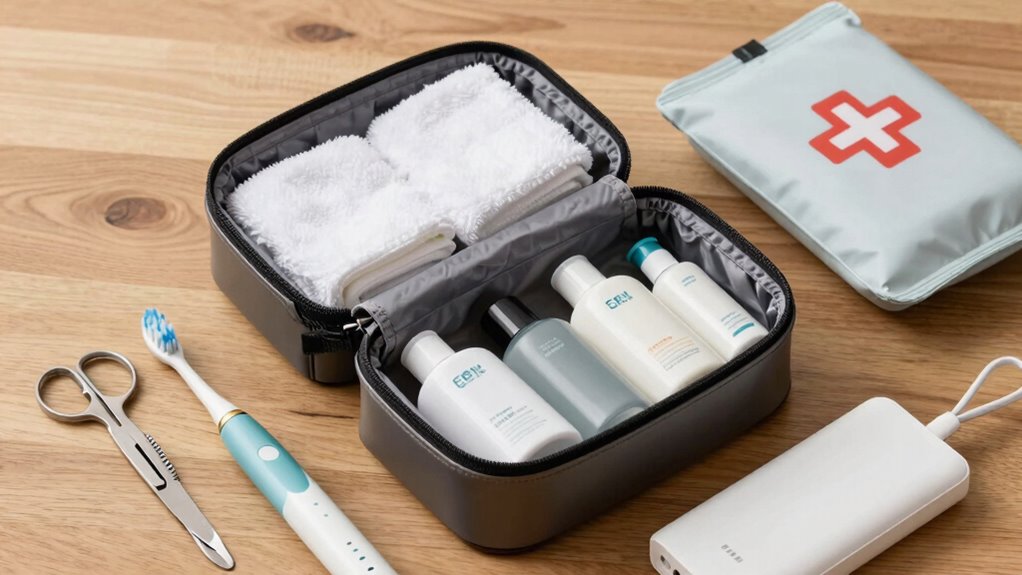
Packing a travel kit can make your trips smoother and more enjoyable. When you’re preparing, focus on selecting packing essentials that serve multiple purposes, so you don’t overload your bag with unnecessary items. Think about durable gear that can withstand the rigors of travel without falling apart after a few uses. The goal is to create a kit that remains useful over the years, not just for your next trip.
Start with the basics: a sturdy, reliable backpack or suitcase that can handle frequent use. This piece of gear should be durable enough to last through years of travel, resisting tears, zippers breaking, or wheels wearing out. Once you have your main container, fill it with versatile packing essentials—clothing that’s lightweight, quick-drying, and suitable for different climates. Pack a mix of neutral-colored pieces that can be layered or combined in various ways, reducing the need for multiple outfits. Quality travel-sized toiletries are also a must, but opt for reusable bottles and containers that won’t leak or break easily.
When selecting gear, emphasize durability. For example, choose a compact, stainless steel water bottle that won’t crack or rust, and a multi-tool with several functions. These items might cost a bit more upfront, but they’ll pay off in the long run because they won’t need replacing after a few trips. Packing essentials should include a first-aid kit, a power bank, and universal adapters—small but critical items that make travel safer and more convenient. Consider packing a lightweight towel, a portable charger, and a reliable pair of comfortable shoes that will last through many adventures. Additionally, choosing eco-friendly biodiversity-conscious gear can reduce your environmental impact during travel. Incorporating durable materials into your gear selection is crucial for longevity and performance, especially when selecting items designed for sustainable travel. Investing in reliable gear also means you’re less likely to replace items frequently, which can save you money and reduce waste over time.
As you build your kit, remember to organize it thoughtfully. Use packing cubes or small pouches to keep things tidy and accessible. Regularly review and replace worn-out items, and don’t forget to keep your gear clean and in good condition. Over time, you’ll learn which items you actually use and which ones you can do without, helping you refine your kit further. The key is to choose durable gear that can handle frequent use and to invest in quality packing essentials that won’t let you down when you’re far from home. Building a travel kit like this ensures you’re prepared, no matter where your wanderlust takes you, and that your gear stays in good shape for years to come.
As an affiliate, we earn on qualifying purchases.
Frequently Asked Questions
How Do I Choose Eco-Friendly Travel Products?
To choose eco-friendly travel products, look for items made from sustainable materials like bamboo, recycled plastics, or organic cotton. Focus on products from eco-conscious brands known for their sustainability efforts. Read labels carefully to guarantee they meet environmental standards. Prioritize reusable options over single-use items, and support companies committed to reducing their ecological footprint. This way, your travel kit stays green and functional for years to come.
What Are the Best Lightweight Packing Options?
You should opt for lightweight packing options like compression bags, foldable backpacks, and multi-use clothing to maximize space and ease travel safety. Use packing hacks like rolling clothes and packing versatile items to save room. Prioritize compact, eco-friendly products that you’ll still find useful over time. This approach guarantees your travel kit remains functional and easy to manage, making your journeys more comfortable and efficient, no matter how long your trips last.
How Can I Customize My Kit for Different Climates?
Like a chameleon changing colors, you can customize your kit for different climates by packing seasonal clothing that adapts to hot or cold weather. Include versatile accessories, such as a lightweight scarf or a multi-purpose hat, to add layers or sun protection. Swap out bulky items for compact, climate-specific gear, ensuring your travel kit remains efficient and functional, no matter where your adventures take you.
Which Emergency Items Are Essential but Compact?
For travel safety and emergency preparedness, you need essential but compact items like a mini first aid kit, a multi-tool, and a flashlight. Include a whistle for signaling and a few energy bars or water purification tablets. These items are lightweight, easy to carry, and vital in emergencies. Stay prepared without adding bulk, ensuring your travel kit remains practical and reliable for any situation two years from now.
How Often Should I Update My Travel Kit?
Think of your travel kit as a garden that needs tending. You should update it every 6 to 12 months to keep your travel accessories fresh and toiletries organized. Regular checks guarantee items like chargers, medications, and toiletries are current and functional. This way, your kit stays reliable, and you’re never caught unprepared on your adventures. Keep it fresh, and travel becomes a breeze instead of a hassle.
Conclusion
Building a travel kit now might seem like a small task, but it’s the foundation for future adventures. Think of it as planting a seed: with care and thought, it grows into reliability and comfort, not just a collection of items. While new gadgets come and go, your well-chosen essentials stay with you. In the end, it’s not about having the latest gear, but about creating a kit that endures—just like your journeys will.
Halloween Picks
halloween
As an affiliate, we earn on qualifying purchases.