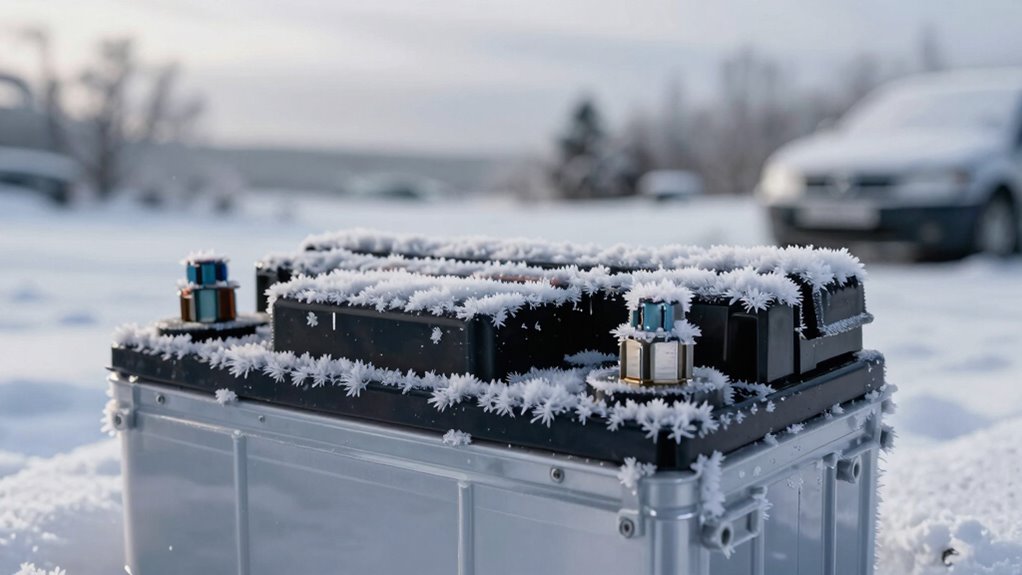

Cold weather slows down the chemical reactions inside your battery, reducing its capacity and making it harder to start your car. When temperatures drop, the energy output declines, and your battery appears weaker or may even fail. To prevent this, keep your battery warm with covers, park in sheltered spots, or use a battery heater. Understanding these effects can help you maintain your battery’s performance through winter—discover more tips and tricks ahead.
Key Takeaways
- Cold temperatures slow chemical reactions inside the battery, reducing capacity and power output.
- Freezing conditions can damage the electrolyte and internal components, decreasing overall battery health.
- Battery capacity can drop by up to 50% in cold weather, impacting starting power and electrical performance.
- Proper thermal management, like insulation or battery warmers, helps maintain optimal battery temperature.
- Regular maintenance, including terminal cleaning and battery testing before winter, prevents capacity loss and failures.
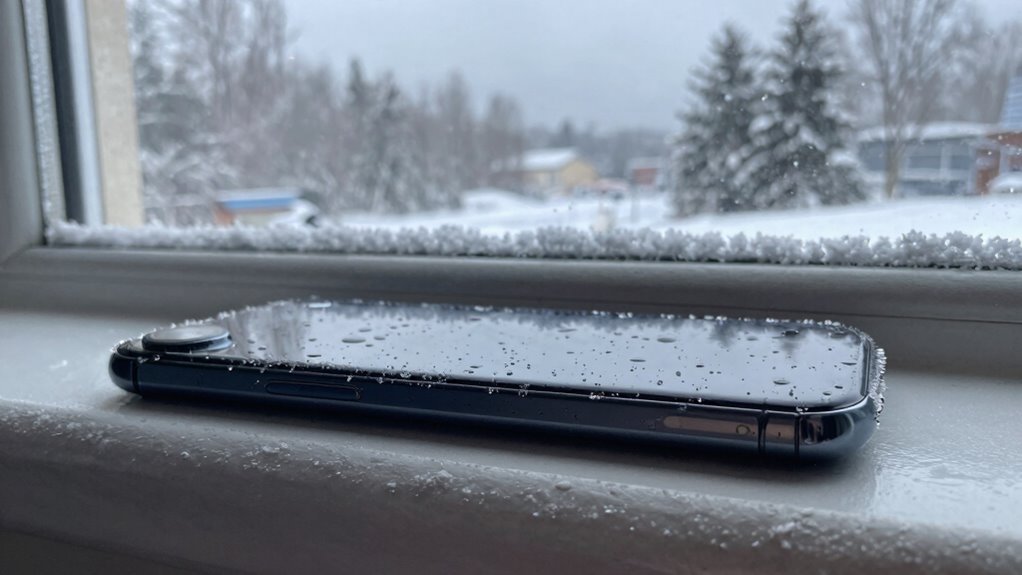
When temperatures drop, your vehicle’s battery often struggles to perform as expected. Cold weather slows down the chemical reactions inside your battery, directly impacting its capacity and ability to deliver power. This happens because of the fundamental changes in battery chemistry that occur at low temperatures. Most automotive batteries rely on chemical reactions involving lead plates and sulfuric acid. When it’s cold, these reactions slow down considerably, reducing the amount of energy your battery can produce. As a result, it might seem like your battery is weaker or failing, but in reality, it’s just operating less efficiently due to the cold.
Cold temperatures slow down your battery’s chemical reactions, reducing its capacity and performance.
Thermal management becomes essential during winter. Without proper insulation or heating, your battery is exposed to the harsh elements, which further diminishes its performance. Batteries are sensitive to extreme temperatures, and freezing conditions can cause the electrolyte to thicken or even freeze in some cases. This not only hampers the chemical reactions but can also physically damage the battery. To counteract this, some vehicles are equipped with thermal management systems—either active, like battery heaters, or passive, like insulated covers—to keep the battery within an ideal temperature range. Proper thermal management ensures the battery maintains a more consistent performance, regardless of the weather outside.
Understanding the relationship between temperature and battery chemistry can help you take better care of your vehicle’s power source. When it’s cold, your battery’s capacity can drop by as much as 50%, meaning it might struggle to start your engine or keep electrical systems running smoothly. That’s why it’s vital to keep your battery warm, especially if you live in an area with harsh winters. Using a battery warmer or parking your vehicle in a garage can help maintain the right temperature. Additionally, inspecting your battery regularly for corrosion and ensuring the terminals are clean can prevent unnecessary power drain, which becomes more problematic in cold weather. Recognizing the importance of temperature regulation can significantly improve your battery’s longevity and performance.
If you notice your vehicle is slow to start or your battery seems weaker during winter, it’s a sign to check its health. Consider having it tested and, if needed, replaced before the cold hits full force. Good thermal management and understanding how battery chemistry responds to low temperatures will help you avoid unexpected breakdowns. By keeping your battery warm and well-maintained, you’ll ensure it can deliver the necessary power when you need it most, even in the coldest conditions.
Frequently Asked Questions
Can Battery Capacity Recover After Warming Up?
Yes, your battery capacity can recover after warming up. When you warm your device through battery warming, it helps restore some of the lost capacity caused by cold weather. As the temperature rises, chemical reactions inside the battery speed up, leading to capacity recovery. Keep in mind, though, that this recovery might be temporary, and consistently cold temperatures can still cause long-term battery health issues.
How Often Should I Check Cold-Weather Battery Health?
Think of your battery like a plant needing seasonal maintenance. You should check your cold-weather battery health every 3-6 months, especially during temperature swings. Regularly perform battery calibration to guarantee accurate readings. This helps catch capacity drops early and keeps your battery performing at its best. Consistent checks let you nurture your battery’s health through seasonal changes, preventing surprises and prolonging its life in chilly weather.
Do All Battery Types React the Same to Cold?
Not all battery types react the same to cold. Lithium-ion batteries handle cold better than lead-acid or nickel-based batteries, but their capacity still drops due to battery chemistry. To protect your batteries, use thermal insulation to maintain a warmer temperature, which helps preserve capacity. Keep in mind, different chemistries have unique responses to cold, so understanding your battery type guides proper maintenance and prolongs its lifespan during winter.
Is It Safe to Keep Batteries in Freezing Temperatures?
Think of your batteries like delicate plants; freezing temperatures can cause damage. It’s generally unsafe to keep batteries in freezing temps long-term, as it risks capacity loss. To protect them, use battery insulation and store them in a cool, dry place instead. Follow storage tips like keeping batteries above freezing and avoiding rapid temperature changes to maintain their performance and longevity.
How Does Cold Weather Affect Charging Speed?
Cold weather slows down your charging speed because it reduces charging efficiency. The cold causes the battery’s internal resistance to increase, making it harder for current to flow. Proper thermal management helps maintain ideal temperature, ensuring faster, more efficient charging. To improve charging speed in cold conditions, keep your device warm, use insulated cases, or pre-heat the battery if possible. This helps the battery perform better and charges more quickly.
Conclusion
As temperatures drop, your battery’s capacity can decline by up to 50%, making it less reliable in cold weather. Understanding this helps you take better care of your device—like keeping it warm or avoiding prolonged exposure to the cold. Remember, over 70% of battery failures in winter are linked to cold conditions. So, next time it’s chilly, take extra steps to protect your battery and keep your device running smoothly.