

To guarantee an animal sanctuary is ethical and worth supporting, look for transparency around operations, clear standards for animal care, and strong resources for habitat and health management. Ask about their environmental practices, staff training, and how donations are used. A reputable sanctuary prioritizes animals’ well-being and offers open communication on their efforts. Keep exploring further details to confidently choose an organization that genuinely benefits animals and aligns with your values.

Get travel and outdoor gear delivered free with Prime
- Fast, free delivery on millions of items
- Prime Video, Amazon Music and more included
- Member-only deals all year
Key Takeaways
- Ensure the sanctuary prioritizes animal welfare, natural habitats, and rehabilitation over exploitation or unnecessary confinement.
- Verify transparency through detailed reports, audits, and clear communication about operations and finances.
- Assess facilities for spacious, naturalistic environments that promote species-specific behaviors and mental well-being.
- Confirm staff receive ongoing training in animal care, safety protocols, and ethical standards.
- Support organizations with strong volunteer programs and responsible resource management that genuinely benefit animals.
What Makes an Animal Sanctuary Ethical and Why It Matters

An ethical animal sanctuary prioritizes the well-being and dignity of its residents above all else. This commitment supports wildlife conservation by protecting natural habitats and promoting coexistence. It also emphasizes animal rehabilitation, helping injured or orphaned animals recover and, when possible, return to the wild. You can tell a sanctuary is ethical by how it treats its animals—with respect and compassion—avoiding exploitative practices or unnecessary confinement. Such sanctuaries focus on providing naturalistic environments that meet the species’ needs, ensuring physical and psychological health. They operate transparently, sharing their goals and methods openly. Additionally, ethical sanctuaries often incorporate humane training methods that prioritize positive reinforcement over punishment. They may also use sustainable practices to minimize their environmental impact. For example, implementing eco-friendly infrastructure can significantly reduce a sanctuary’s carbon footprint. In addition, maintaining a healthy and enriching environment is crucial to the overall well-being of the animals. Moreover, adopting modern animal care standards ensures that sanctuaries uphold best practices in animal welfare, which can foster public trust and support. Ultimately, an ethical sanctuary not only cares for individual animals but also promotes broader conservation efforts, making a meaningful difference for wildlife and the environment alike.
How to Identify a Transparent and Well-Resourced Sanctuary
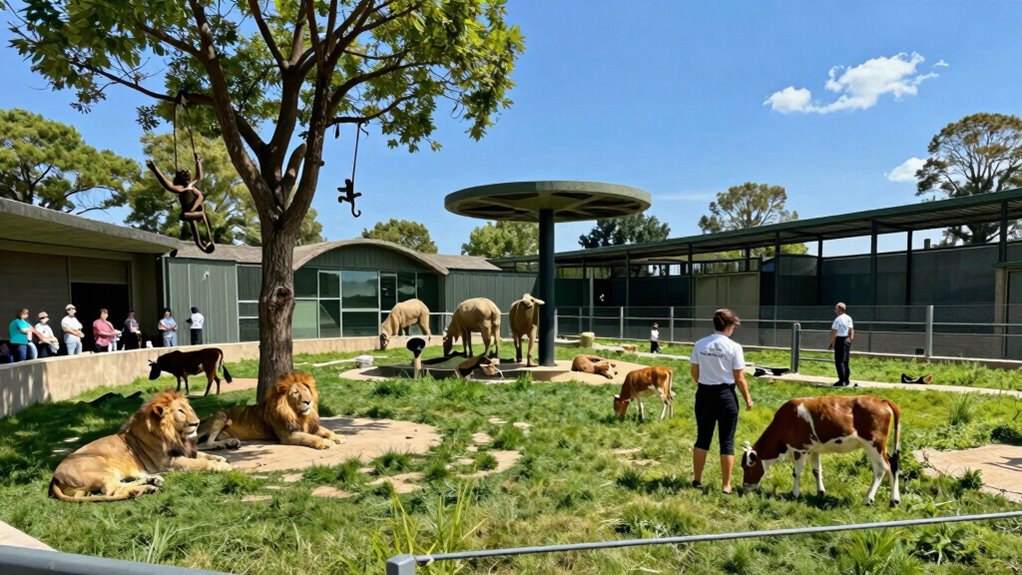
To determine if a sanctuary is transparent and well-resourced, start by researching how openly it shares information about its operations, finances, and animal care practices. A reputable sanctuary will provide clear details on their website, including financial reports, annual reviews, and updates on animal health. Look for volunteer opportunities and check if they have volunteer guidelines, which indicate organized and ethical management. Well-resourced sanctuaries often demonstrate a strong volunteer program, showing they invest in staff training and proper animal care. Transparency is also reflected in open communication with visitors and supporters. If the sanctuary is hesitant to share information or lacks structured volunteer programs, it may be a red flag. Choose a sanctuary that demonstrates openness, accountability, and a commitment to proper resources. Implementing regular audits and assessments] can further ensure that the sanctuary maintains high standards and accountability.
How to Assess Animal Care Practices and Facility Standards

Evaluating animal care practices and facility standards requires you to observe how the sanctuary meets the physical and emotional needs of its animals. Look for signs that animals have ample space, clean enclosures, and access to fresh water and nutritious food. Notice how the sanctuary promotes natural behaviors and social interactions. Check if they offer volunteer opportunities that involve meaningful engagement with the animals, indicating a transparent and caring environment. Additionally, verify whether the sanctuary holds reputable certifications, which reflect adherence to high standards of care and safety. A well-run sanctuary will prioritize the well-being of its animals and maintain clear, documented practices. Proper home charging practices can serve as a useful analogy for understanding the importance of safe, consistent care routines in animal sanctuaries. Also, paying attention to facility hygiene and how it affects the animals’ health can provide further assurance of quality standards. Ensuring that staff are trained in animal behavior and handling techniques is essential for maintaining a compassionate environment. Regular facility inspections can help guarantee ongoing compliance with care standards, and adopting biodiversity principles can enhance the natural habitat of the animals, creating a more sustainable sanctuary environment. These indicators help ensure you’re supporting a facility committed to ethical treatment and genuine animal welfare.
What Questions Should You Ask Before Supporting a Sanctuary?

Before supporting a sanctuary, it’s vital to ask questions that reveal how genuinely they prioritize animal welfare and transparency. Start by inquiring about volunteering opportunities—are they open to volunteers, and how do they ensure volunteers are properly trained and supervised? This shows their commitment to ethical practices. Additionally, ask about their sanctuary certification: is it recognized by reputable organizations? Certification indicates adherence to high standards of care and transparency. Find out how they handle animal rescue, medical care, and habitat maintenance. Don’t hesitate to request detailed information about their operational practices. Supporting a sanctuary with clear, honest answers demonstrates your commitment to ethical treatment and helps you avoid supporting facilities that might not align with your values. Moreover, understanding their vetted status can give you confidence in their credibility and commitment to standards. Recognizing the importance of environmental sustainability can further ensure that your support promotes holistic animal welfare. Remember, a transparency in their operations is key to ensuring that your support truly benefits the animals. Ensuring they follow ethical standards is equally important to guarantee your support makes a positive difference.
How Can Your Donations Make a Genuine Difference for Animals

Your donations can truly transform the lives of animals in sanctuaries by providing essential resources and ongoing care. To maximize your impact, consider supporting organizations with transparent fundraising strategies that guarantee your contributions go directly to animal welfare. Many sanctuaries also offer volunteer opportunities, allowing you to actively participate and see your support in action. Your donations help fund nutritious food, medical treatments, and safe habitats, making a lasting difference. Additionally, by choosing reputable sanctuaries that prioritize ethical standards, you ensure your contributions foster genuine change. Engaging in fundraising efforts or volunteering not only amplifies your support but also deepens your understanding of animal needs. Every dollar and hour you give helps create a more compassionate and sustainable environment for animals in need. Understanding ethical standards in animal care can also inspire you to incorporate ethical choices into other areas of your life, including supporting animal sanctuaries, which benefit from adherence to energetic alignment to ensure positive outcomes. Recognizing the importance of transparent governance in sanctuary management can further assure donors of the integrity and effectiveness of their contributions, especially in maintaining proper piercing care and hygiene standards to ensure the health and safety of animals and staff.
Frequently Asked Questions
How Do Sanctuaries Handle Emergencies or Animal Health Crises?
You’ll find that sanctuaries handle emergencies through robust emergency preparedness plans, making sure staff know exactly what to do. They maintain strong veterinary partnerships, so help is readily available when needed. Staff are trained regularly on crisis protocols, and facilities are equipped with essential supplies. This proactive approach minimizes risks and ensures swift, effective responses to animal health crises, prioritizing the well-being of every animal under their care.
What Is the Sanctuary’s Policy on Animal Release or Rehoming?
You should review the sanctuary’s rehoming policies and release procedures carefully. Rehoming policies guarantee animals are placed in caring environments, while clear release procedures safeguard their well-being during transfer. The sanctuary ideally has strict guidelines, including health assessments and compatibility checks, to prevent future issues. If you’re considering rehoming an animal, ask about these policies to confirm they prioritize the animal’s safety and long-term happiness.
Are There Staff or Volunteers With Formal Animal Care Certifications?
Yes, the sanctuary has staff and volunteers with formal animal care certifications. They emphasize volunteer training, ensuring everyone meets certification standards, so animals receive the best possible care. You should ask about their specific certification standards and training programs to feel confident that dedicated, qualified individuals handle animal welfare. This commitment helps prevent regret and guarantees you’re supporting an ethically responsible sanctuary with well-trained personnel.
How Does the Sanctuary Ensure Long-Term Animal Welfare?
You guarantee long-term animal welfare by establishing a sanctuary that mimics nature’s harmony, much like a well-tended garden. You secure sustainable funding to support ongoing care and habitat preservation, preventing resource shortages. Regular health assessments and enriched environments keep animals thriving. By planning for future needs and engaging the community, you create a safe haven where animals can flourish for years to come, embodying lasting compassion and responsibility.
Can Visitors Participate in Animal Care or Educational Programs?
Yes, you can participate in animal care and educational programs at the sanctuary. Visitors often get involved through hands-on activities, volunteering opportunities, or guided educational sessions. These programs are designed to deepen your understanding of animal welfare and conservation efforts. By engaging directly, you help support the sanctuary’s mission while gaining meaningful experience. Your involvement not only benefits the animals but also enriches your understanding of ethical animal care practices.
Conclusion
Ultimately, choosing an ethical sanctuary might seem straightforward, but the real irony is that your support could unintentionally do more harm than good. By rushing in without research, you might be contributing to exploitation or neglect. So, take the time to ask questions, verify transparency, and guarantee your donations truly help animals thrive. Sometimes, the most caring thing you can do is pause, reflect, and choose wisely—because not all sanctuaries are created equally, even if they claim to be.
Halloween Picks
halloween
As an affiliate, we earn on qualifying purchases.