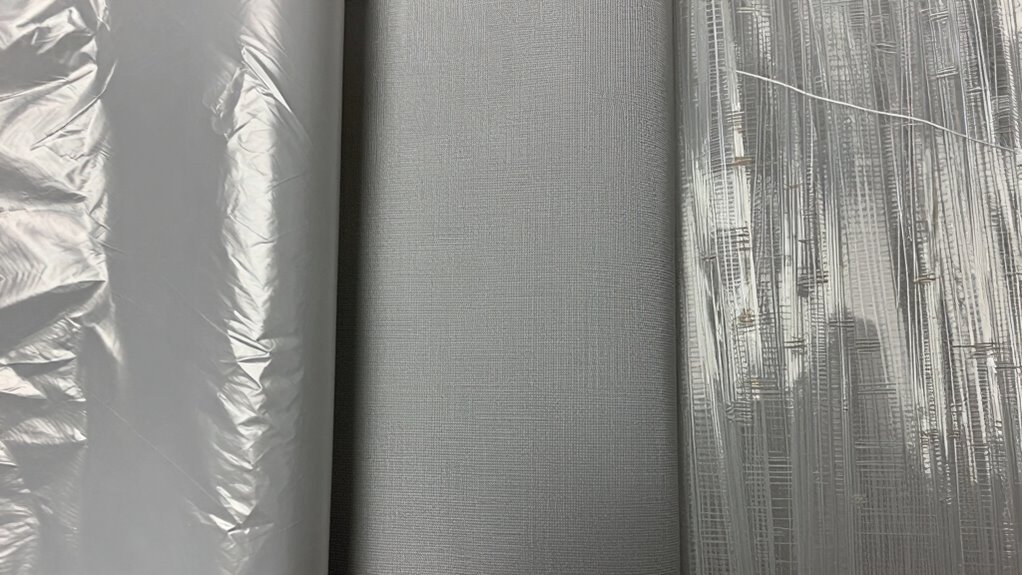

Tent fabrics like silnylon, silpoly, and Dyneema each offer distinct benefits. Silnylon is lightweight, waterproof, and flexible, making it a popular choice for backpacking tents. Silpoly is similar but tends to be more durable and slightly more breathable, with better color retention. Dyneema is ultra-light, extremely durable, and highly waterproof, often used for high-end, minimal shelters. If you want to understand which fabric suits your needs best, there’s more to explore with each option.
Key Takeaways
- Silnylon is a lightweight, silicone-coated nylon fabric offering excellent waterproofing and flexibility for tents.
- Silpoly is a polyurethane or silicone-coated polyester fabric, providing waterproofness with better UV resistance than silnylon.
- Dyneema, made from ultra-high-molecular-weight polyethylene, is extremely lightweight, high-strength, and highly waterproof but more expensive.
- Silnylon and silpoly are more affordable and easier to sew, while Dyneema offers superior strength and minimal stretch.
- Coatings on these fabrics impact their waterproofness, durability, and breathability, influencing tent performance.
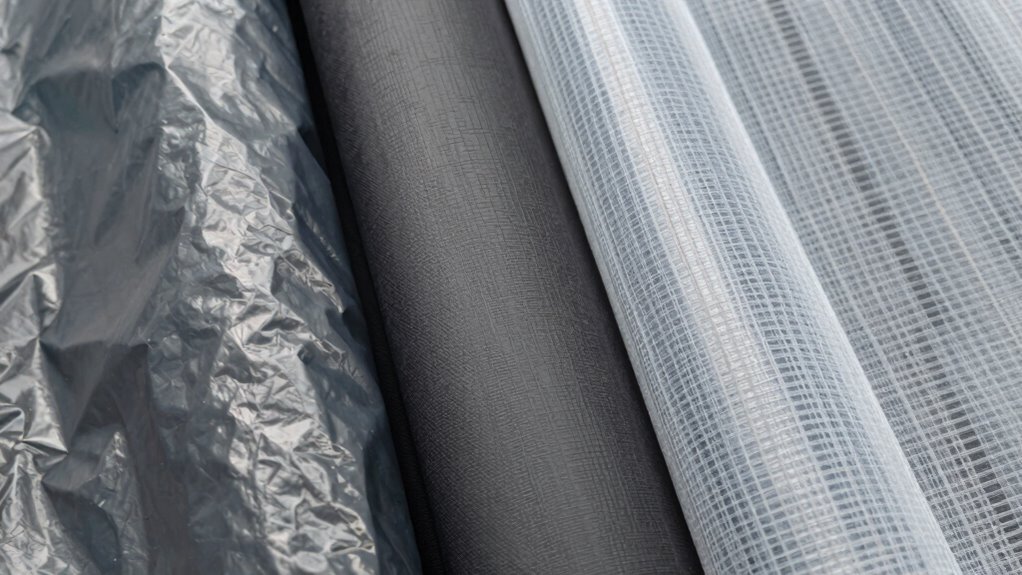
Ever wonder what makes some tent fabrics more durable or weather-resistant than others? The secret lies in how the fabrics are treated and constructed. Two key factors influence their performance are waterproof coatings and fabric weight. Waterproof coatings are applied to fabrics to prevent water from penetrating, creating a barrier that keeps you dry during rainstorms. These coatings can be made from various materials, like polyurethane or silicone, and their effectiveness depends on their thickness and how evenly they’re applied. The durability of these coatings matters because some may crack or wear off over time, reducing the fabric’s waterproofing ability. Fabric weight, measured in grams per square meter (gsm), also plays a crucial role. Lighter fabrics are easier to carry and pack but might be less resistant to tearing or weathering, while heavier fabrics tend to be sturdier and more durable, offering better protection against wind, rain, and abrasion.
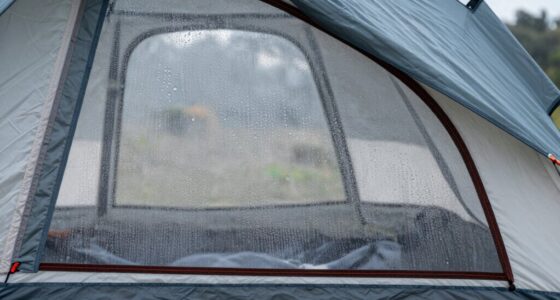
When it comes to waterproof coatings, it’s important to understand that they’re often combined with a fabric’s base material for maximum performance. For example, a tent made with a fabric that has a high-quality waterproof coating will repel water more effectively and stay dry longer, even after multiple uses or exposure to the elements. The coating’s type and thickness also influence how well the fabric performs in heavy rain or prolonged storms. Some fabrics, like silnylon, are coated with silicone to enhance water resistance, while others, like silpoly, feature a polyurethane or silicone coating that provides excellent waterproofing without sacrificing flexibility. The choice of waterproof coating affects not just water resistance but also breathability, which determines how well moisture from inside the tent escapes, preventing condensation buildup. Additionally, advancements in fabric technology have introduced breathable waterproof fabrics, which allow moisture vapor to escape while maintaining waterproof integrity.
Fabric weight is another critical aspect to weigh. A lightweight fabric, such as 30-50 gsm, is ideal for ultralight backpacking where every ounce counts. However, these fabrics may be more susceptible to tears and may wear out faster when exposed to rough terrain or frequent use. Conversely, heavier fabrics, around 70-100 gsm, offer increased durability and resistance to punctures or abrasions, making them suitable for rugged environments or longer trips. The trade-off is increased weight, which can compromise portability and packability. When choosing a tent fabric, consider how the fabric weight aligns with your needs—lighter fabrics for minimal weight and easier packing, or heavier fabrics for longevity and toughness.
Frequently Asked Questions
How Do Tent Fabrics Perform in Extreme Weather Conditions?
In extreme weather, your tent fabrics’ storm resistance and breathability are vital. Silnylon and Dyneema offer excellent storm resistance, keeping water out during heavy rain and wind. However, they can be less breathable, leading to condensation inside. Silpoly strikes a good balance, providing decent storm resistance while maintaining better breathability. Choose based on your weather conditions, ensuring your tent keeps you dry and comfortable in challenging environments.
Are There Eco-Friendly Options for High-Performance Tent Fabrics?
Did you know over 80% of the world’s textiles end up in landfills? You can choose eco-friendly high-performance tent fabrics by looking for biodegradable fabrics or those made from recycled materials. These options reduce environmental impact while providing durability and waterproofing. By selecting sustainable fabrics, you support eco-conscious outdoor gear, helping preserve nature for future adventures without compromising on quality or performance.
How Does Fabric Weight Impact Overall Tent Durability?
If you choose a lightweight tent fabric, you might notice less durability because thinner materials tend to have less fabric stretch and lower breathability levels. While lighter fabrics make your tent easier to carry, they can be more prone to tears and punctures. Balancing weight with durability means considering how fabric stretch and breathability levels affect performance, ensuring your tent withstands the elements without sacrificing comfort or longevity.
Can Tent Fabrics Be Repaired After Tears or Damage?
Your tent fabric is like a fragile glass, but with proper care, it can be repaired. Yes, tent fabric repairs are possible after tears or damage. Use tear mending techniques like patching with compatible fabric and sealing seams thoroughly. You can also apply specialized repair kits designed for your fabric type. Acting quickly and carefully guarantees your tent stays strong against the elements and prolongs its life.
What Are the Best Maintenance Practices for Prolonging Fabric Lifespan?
To prolong your tent fabric’s lifespan, regularly clean it with gentle soap and water, avoiding harsh chemicals. Always dry it thoroughly before storage to prevent mold. Store your tent in a cool, dry place, loosely folded or hanging to avoid creases. Follow these fabric cleaning and storage tips, and you’ll prevent damage, extend durability, and keep your tent ready for many adventures.
Conclusion
As you zip your tent shut under a star-studded sky, imagine the fabric shielding you from the cool night breeze and gentle rain. Whether it’s the sleek glide of silnylon, the versatile stretch of silpoly, or the ultra-light strength of Dyneema, each fabric type offers a unique sanctuary. With the right choice, your outdoor adventures become a seamless escape into nature’s embrace, where comfort and protection feel as natural as the whispering wind around your tent.