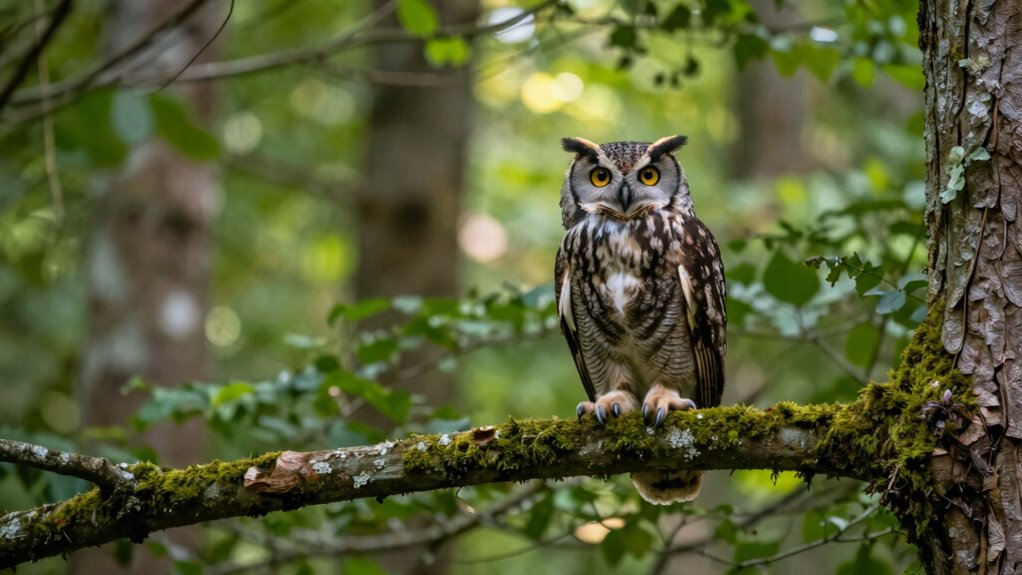

When you stay quiet and observe from a distance, you allow animals to behave naturally without feeling threatened. Getting closer can startle them, causing stress or forcing them to flee, which ruins the chance to see genuine behaviors. Quiet observation minimizes disturbance and creates a safer environment for both wildlife and yourself. By remaining still and silent, you tap into authentic moments and cues that reveal their true nature. Continue exploring to discover more about how this approach enhances your understanding.

Get travel and outdoor gear delivered free with Prime
- Fast, free delivery on millions of items
- Prime Video, Amazon Music and more included
- Member-only deals all year
Key Takeaways
- Quiet observation minimizes disturbance, allowing wildlife to behave naturally and revealing authentic behaviors.
- Staying at a respectful distance reduces stress and prevents animals from fleeing.
- Proper camera angles from afar capture clearer, more genuine moments without startling subjects.
- Listening and reading behavioral cues silently offers deeper understanding without physical intrusion.
- Patience and subtlety foster ethical, sustainable wildlife viewing and richer environmental insights.
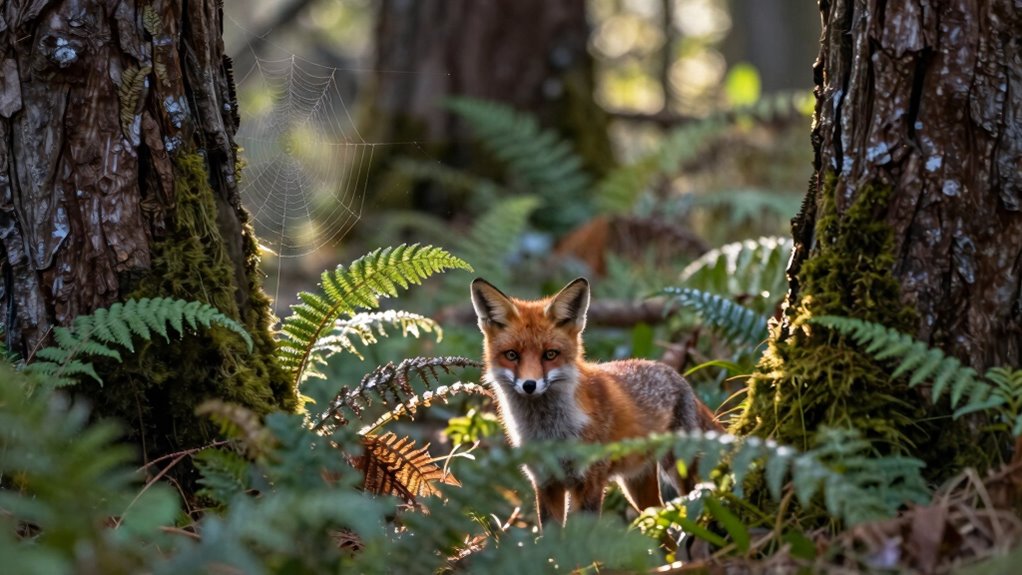
When it comes to observing wildlife or understanding a situation, getting closer isn’t always the best strategy. Instead, you might find that quiet observation from a distance often reveals more than rushing in. The key lies in how you approach the scene—using subtle camera angles and paying attention to behavioral cues can give you a clearer picture without disturbing the subjects. When you stay still and silent, animals and people often revert to natural behaviors, offering insights that would be missed if you’re too invasive.
Using the right camera angles plays a crucial role. Instead of positioning yourself directly in front of the wildlife, which can startle or cause them to flee, try to find angles that allow you to observe without intrusion. Elevated or side perspectives often provide a more comprehensive view while keeping a respectful distance. These angles help you capture authentic moments and behavioral cues, like a bird’s alert posture or a predator’s stalking stance, that are vital for understanding their actions in context. The goal is to blend into the environment, not dominate it. Developing an observational skill that emphasizes patience and subtlety is essential for effective wildlife viewing. Recognizing and interpreting behavioral cues from a distance relies heavily on your ability to remain observant and patient.
Paying close attention to behavioral cues is equally important. Animals communicate through body language, vocalizations, and subtle movements, which can tell you a lot about their state of mind or intentions. For example, a sudden stiffening or lowering of the body might indicate anxiety or threat, while a relaxed posture suggests comfort. Recognizing these cues allows you to interpret the scene more accurately without needing to get physically closer or interfere. It’s about reading the situation silently, letting the subjects reveal their stories on their own terms. Developing an attentive perception to subtle cues can deepen your understanding and foster a more respectful connection.
Quiet observation also minimizes stress on the wildlife or people involved. When you avoid sudden movements or loud noises, you create a safe space for them, encouraging more natural behavior. This approach often results in richer, more genuine interactions and a better understanding of the environment. Additionally, practicing ethical wildlife viewing enhances your connection with nature and ensures the preservation of their natural habitats. Instead of risking disturbance, you leverage patience, perspective, and keen observation. Over time, this method helps you develop a sharper eye for details, making your insights more precise and meaningful. By respecting their habitat and boundaries, you foster a more sustainable and meaningful connection with the natural world.
Ultimately, the art of quiet observation isn’t just about staying still; it’s about using your awareness and perception to gather information without forcing the scene. By combining thoughtful camera angles with an attentive eye on behavioral cues, you gain access to authentic moments that might otherwise remain hidden. This respectful, unobtrusive approach consistently proves more effective than rushing in for a closer look, leading to deeper understanding and a more ethical way to connect with your surroundings.
As an affiliate, we earn on qualifying purchases.
Frequently Asked Questions
How Does Noise Affect Quiet Observation?
Noise can profoundly impact your quiet observation by disrupting your sensory awareness and masking subtle ambient sounds. When loud or sudden noise occurs, it pulls your attention away from the environment, making it harder to notice delicate details. To enhance your observation, you should minimize ambient sound and focus on tuning into quieter sounds, which allows you to stay fully present and gather more accurate, detailed information without disturbance.
What Equipment Enhances Silent Observation?
You enhance silent observation by using binoculars with high-quality optics, improving your vision without moving closer or causing noise. Binoculars enhancement allows you to see details clearly from a distance, minimizing disturbance. Additionally, applying camouflage techniques helps you blend into your environment, making your presence less noticeable. Combining these tools and methods enables you to observe quietly and effectively, preserving the natural behavior of your subjects while maintaining a low profile.
Can Quiet Observation Be Used for All Animals?
Yes, quiet observation can be used for all animals, but its effectiveness varies with animal behavior and environment. By using proper observation techniques, you can study both shy and bold species without disturbing them. You might need different approaches depending on whether animals are nocturnal, territorial, or social. Quiet observation allows you to gather natural behavior data, as animals often act more authentically when they’re not aware of your presence.
How to Maintain Patience During Silent Observation?
Imagine you’re a silent guardian, like a monk in a tranquil temple. To maintain patience during silent observation, embrace mindful patience, focusing fully on the present moment. Use calming techniques such as deep breathing or gentle awareness to steady your mind. Remember, like water flowing around stones, patience allows you to stay calm and composed, giving animals space to act naturally without feeling pressured, making your observation more authentic and rewarding.
Are There Ethical Considerations in Quiet Observation?
Yes, there are ethical considerations in quiet observation. You must respect ethical boundaries by guaranteeing your actions don’t harm or intrude on others’ privacy. Always seek informed consent when possible, especially if your observation involves sensitive situations or individuals. By honoring these principles, you ensure your observation remains ethical, respectful, and responsible, preventing potential harm and maintaining trust in your interactions.
Conclusion
In the dance of discovery, sometimes stepping back and watching quietly reveals more than rushing in. Like a hawk eyeing its prey from a distance, your calm observation allows you to see the full picture and understand the subtle rhythms of your subject. Getting closer might cloud your vision with haste, but patience and silence sharpen your insight. Remember, sometimes the deepest truths are whispered softly, waiting for you to listen carefully from afar.
Halloween Picks
halloween
As an affiliate, we earn on qualifying purchases.