
To pack a bear canister without losing your mind, first remove all packaging and store food in resealable bags or stuff sacks. Distribute items evenly with heavier foods at the bottom and lighter, scented items near the top. Seal the canister tightly and place it at least 100 yards away from your tent, in a visible spot. Staying organized and following these tips will keep your food secure and bears at bay—keep going to find out more!
Key Takeaways
- Remove all packaging and store food in resealable bags or stuff sacks to reduce odors.
- Distribute weight evenly inside the canister, placing heavier items at the bottom.
- Keep lighter, fragrant foods near the top for easier access and balanced packing.
- Seal the canister tightly and store it at least 100 yards from tents and sleeping areas.
- Clean the canister thoroughly after use to eliminate residual smells and prevent attracting bears.

Have you ever wondered how to safely store your food while camping in bear country? Proper food storage is essential not only to keep your snacks safe but also to ensure campsite safety for everyone. Using a bear canister is one of the most reliable methods to prevent bears from sniffing out your food and becoming a threat to you or other campers. While it may seem straightforward, packing a bear canister can feel overwhelming at first, especially if you’re new to camping in areas with active bear populations. The key is knowing how to pack it efficiently and correctly so it’s both effective and easy to carry.
Proper food storage in bear country keeps everyone safe and your snacks secure.
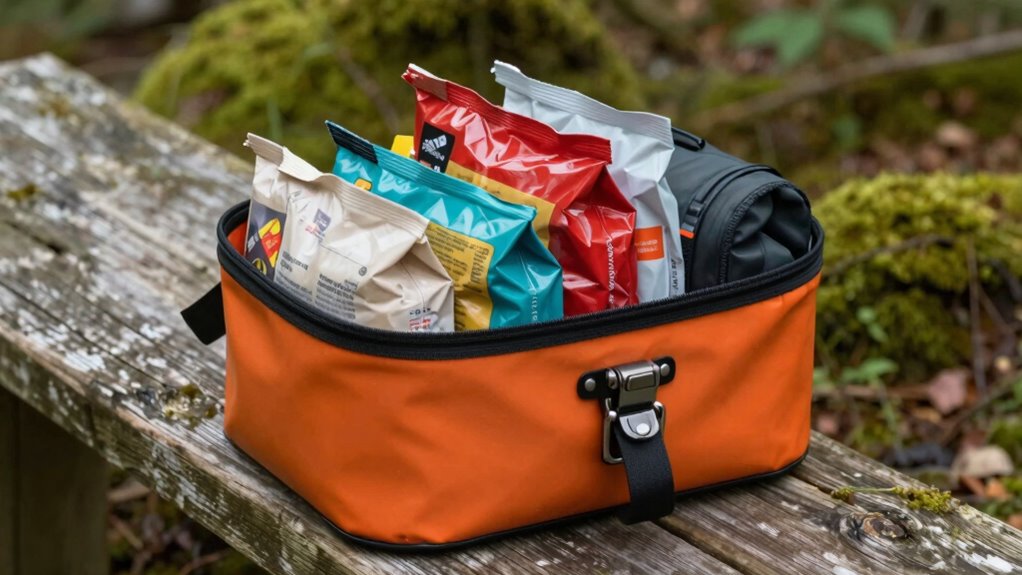
First, you want to organize your food and scented items carefully before packing. Remove all packaging and store food in resealable plastic bags or stuff sacks. This not only reduces bulk but also minimizes strong smells that could attract bears. When placing items in the canister, distribute weight evenly to make it easier to carry and to prevent the canister from becoming unbalanced. Keep the heaviest items at the bottom and lighter, more fragrant foods near the top. Remember, a well-packed canister maximizes space and minimizes the chance of spilling or crushing your food during transport.
Campsite safety hinges on how you handle your food storage. Once packed, make sure the canister is sealed tightly to prevent any smells from escaping. Always store the canister at a distance from your tent—ideally at least 100 yards away—so that any bears attracted by the scent won’t stumble upon your sleeping area. When you arrive at your campsite, check your surroundings for signs of recent bear activity, such as tracks or scratch marks. Keeping the canister in a visible, open area makes it easier to monitor and reduces the risk of surprising a bear trying to get into your food. Additionally, understanding natural bear behaviors can help you better anticipate their reactions and avoid conflicts.
Transporting the canister to and from your campsite is just as important as packing it. Carry it in a sturdy backpack or a bear-resistant bag if available. Never leave the canister unattended outside your tent or in an accessible place where a curious bear might stumble upon it. After your trip, clean the canister thoroughly to remove any residual odors, which can be a magnet for bears later on. Practicing good food storage and campsite safety with your bear canister not only protects wildlife but also keeps you safe and allows you to enjoy your adventure without worry. Proper preparation makes all the difference in maintaining a safe and enjoyable camping experience.
Frequently Asked Questions
What Are the Best Materials for Bear Canister Straps?
For bear canister straps, nylon and polyester are your best options due to their durability and strength. Nylon straps offer excellent durability and abrasion resistance, making them ideal for rugged conditions. Polyester straps resist UV damage and maintain their strength longer. When comparing strap materials, select a high-quality, thick webbing that’s sturdy and weather-resistant to guarantee your bear canister stays secure and safe during your adventure.
How Often Should I Replace My Bear Canister?
You should replace your bear canister every 5 to 7 years, depending on wear and tear. Regular bear canister maintenance helps identify cracks or damaged straps that need urgent replacement. If you notice any signs of deterioration, don’t hesitate to substitute your bear canister to ensure safety and compliance with regulations. Proper maintenance and timely replacement keep your gear reliable and help prevent wildlife encounters.
Can I Use a Bear Canister for Camping in Urban Areas?
You can use a bear canister for urban camping, but it’s usually unnecessary unless you’re in areas with bear activity. For urban camping, prioritize bear safety by storing food securely and away from your sleeping area. Bear canisters are great for wilderness, but in cities, use bear-proof containers or lockers when available. Always follow local regulations and guidelines to keep yourself and wildlife safe during your urban camping adventures.
Are There Color Codes for Different Bear Canister Sizes?
Think of bear canister sizes as a secret code, with color coding and labels acting as the map. While there’s no universal standard, many brands use different colors for small, medium, and large canisters, making it easier to identify at a glance. Always check the canister labels for specific size info, and use consistent color coding for quick recognition. It’s your way to stay organized and avoid confusion on your adventure.
How Do I Prevent My Canister From Rattling During Hikes?
To prevent your bear canister from rattling during hikes, use scent-proof packaging for your food and gear inside the canister. Make sure all items are tightly packed to minimize movement. Check that the canister’s secure locking mechanisms are fully engaged before heading out. If needed, add soft padding or clothes around your items to further reduce noise and keep everything in place, ensuring a quieter, more secure carry.
Conclusion
Now, picture yourself sealing that sturdy canister, every twist locking in your peace of mind. As you tuck it into your pack, feel the weight lighten, knowing your food’s safe from curious bears. With each careful pack, you’re weaving a rhythm of safety and adventure, turning chaos into calm. Trust in your method, embrace the process, and let the wilderness welcome you—focused, fearless, and free to enjoy every moment under the open sky.