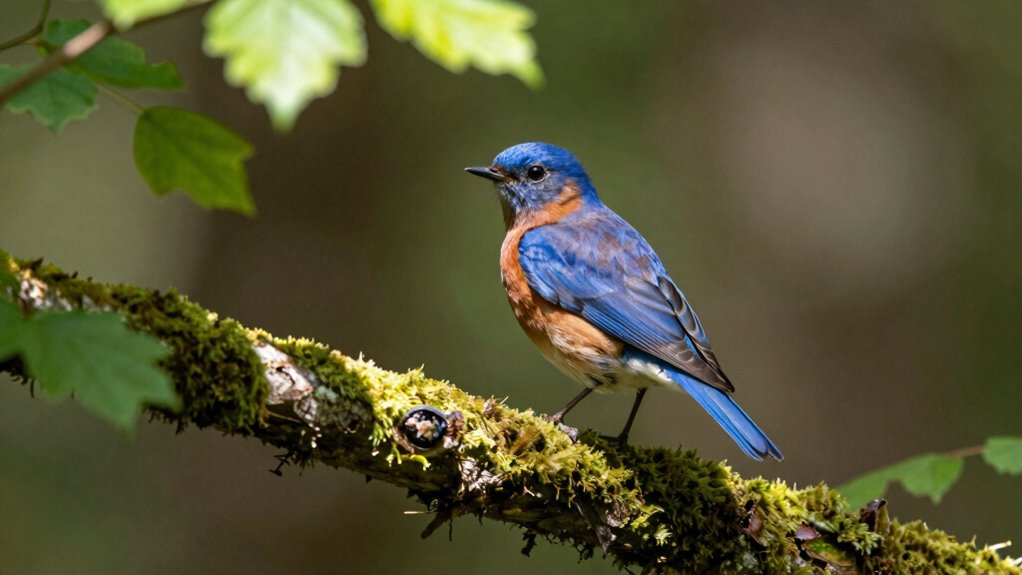

To observe birds ethically without stressing them, choose respectful locations like reserves or parks and stay on designated trails. Keep noise low, use binoculars instead of approaching close, and avoid disturbing nests or feeding sites. Pay attention to bird signals of stress, such as agitation or alarm calls, and back off when needed. Practice patience, remain quiet, and handle gear carefully. If you continue exploring, you’ll discover more ways to enjoy birding responsibly.
Key Takeaways
- Maintain a respectful distance and move slowly to avoid startling birds.
- Choose eco-friendly locations and avoid disturbed or degraded habitats.
- Minimize noise and avoid using flash photography to prevent causing stress.
- Observe natural behaviors patiently, respecting nesting sites and territorial signals.
- Handle gear carefully and stay still to prevent habitat disruption and disturbance.
Why Ethical Birding Matters: Respecting Birds and Their Habitat
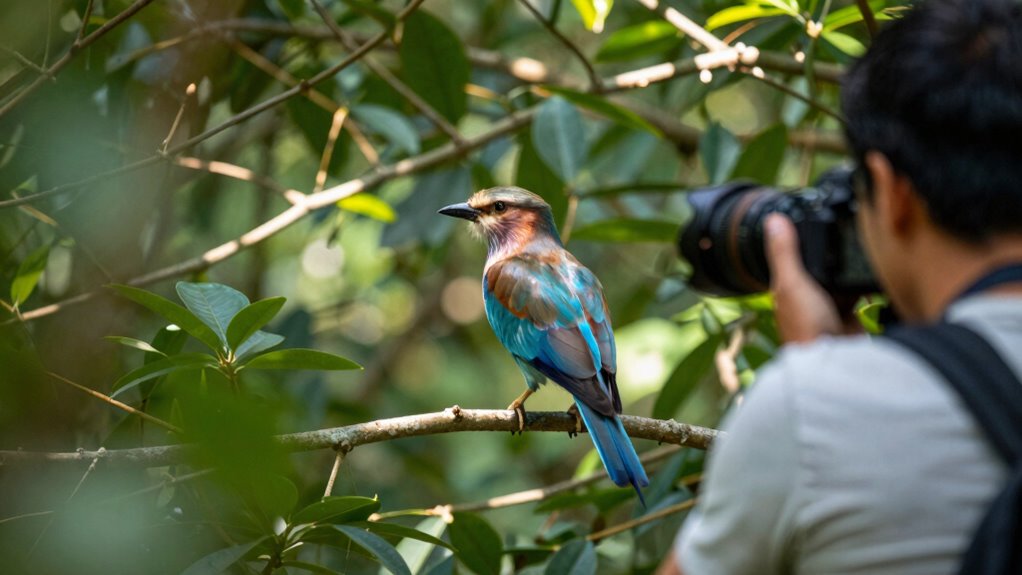
Understanding why ethical birding matters is crucial for protecting the very creatures you enjoy observing. When you practice responsible birding, you support bird conservation efforts by minimizing disturbance and preventing stress to the birds. Respecting their habitat is equally important; preserving natural environments ensures birds have the space and resources they need to thrive. By staying on designated trails, avoiding loud noises, and not disturbing nesting sites, you help maintain healthy ecosystems. Ethical birding promotes a balanced relationship between enthusiasts and wildlife, ensuring future generations can continue to experience the beauty of birding. Additionally, adopting energy-efficient practices aligned with sustainable principles reduces the overall environmental impact of birdwatching activities. Implementing conservation strategies can further enhance the protection of bird populations and their habitats. Engaging in ethical practices not only benefits the birds but also fosters a deeper connection with nature, encouraging ongoing conservation efforts. Your actions directly impact the health of bird populations and their habitats, making your commitment to responsible practices crucial for their survival and overall conservation. Incorporating native plantings in your local environment can also provide vital food sources and habitat for various bird species.
How to Choose the Best Birding Spots for Responsible Watching
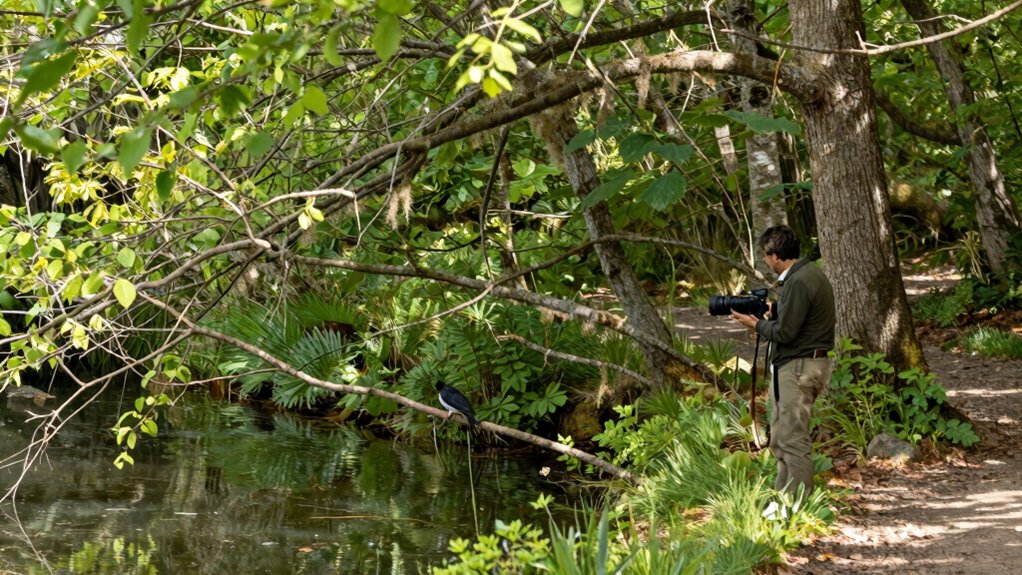
Choosing the right birding spots is key to enjoying responsible bird watching. Look for areas with eco-friendly habitats that support diverse bird populations without causing harm. Parks, nature reserves, and wildlife sanctuaries often prioritize conservation and maintain healthy ecosystems, making them ideal locations. Additionally, consider spots where local conservation efforts are active; these areas are typically well-managed and promote sustainable practices. Avoid heavily disturbed or degraded sites that may stress birds or disrupt their natural behaviors. Research the area beforehand, ensuring it aligns with ethical birding principles. conservation-focused sites from trusted sources can further enhance your understanding of responsible birding practices. Engaging with local birding groups or organizations can also provide valuable insights into ethical birding and suitable locations. By selecting locations that prioritize habitat health and conservation, you help minimize your impact and contribute to the protection of bird populations for future generations. Additionally, choosing sites that support biodiversity ensures your birding activities help promote ecosystem health and resilience. To deepen your knowledge, exploring habitat preservation strategies can also guide responsible birding choices.
Respectful Birdwatching Tips: Observe Without Stressing Birds

To watch birds without causing them stress, it’s important to keep your distance and respect their space. Stay quiet and move slowly to avoid startling them, and avoid using flash photography, which can scare them away. Following these simple tips helps guarantee your birding remains peaceful for both you and the birds. Additionally, understanding bird behavior can help you anticipate their reactions and observe more effectively without causing disturbance. Being aware of pinball machine weights may seem unrelated but emphasizes the importance of respecting physical limits and careful handling, much like respecting bird boundaries. Recognizing bird territoriality can also aid in minimizing disruptions and fostering a more harmonious birdwatching experience. Paying attention to bird nesting sites can further help you avoid disturbing breeding activities and ensure a safe environment for the birds. Moreover, observing their natural feeding habits helps you learn about their routines without interference.
Maintain Distance Respectfully
Maintaining a respectful distance is essential for observing birds without causing them stress or disturbance. When you stay back, you give birds the space to go about their activities naturally, whether they’re singing or caring for nesting sites. Listen for bird song from afar, which signals their comfort level. Approaching too close can scare birds away from their nests or cause them to abandon their young, so keep a safe distance, especially near nesting sites. Use binoculars to get a closer view without intrusion. Respect their territory by avoiding sudden movements or loud noises. Remember, your goal is to observe without impacting their behavior. By maintaining a considerate distance, you help ensure birds remain calm and continue their daily routines undisturbed. Understanding bird behavior signals can also help you gauge how close is appropriate for observation. Being aware of disturbance thresholds further supports ethical birding practices, ensuring your presence remains a positive influence rather than a stressor. Recognizing appropriate observation distances, which can vary depending on the species and environment, can enhance your ability to observe responsibly, especially by observing species-specific behaviors that indicate comfort or stress levels. Additionally, utilizing technology such as guided apps or consulting local wildlife experts can provide valuable insights into the ethical birding practices specific to your location.
Use Silence and Calm
Using silence and maintaining a calm demeanor while birdwatching help you observe birds without causing them stress. When you stay quiet, you allow yourself to pick up on subtle bird vocalizations that signal their presence. Avoid making sudden movements or loud noises, as these can startle birds and interrupt their natural behaviors. During silent observation, you create a peaceful environment that encourages birds to go about their activities without feeling threatened. Listening attentively to bird vocalizations helps you identify species without needing to get too close. Your calm presence and quiet observation foster a respectful connection with wildlife, allowing you to enjoy their behaviors authentically. Practicing ethical birding ensures a positive experience for both you and the birds. Incorporating bird-friendly practices such as staying on trails and minimizing your footprint can further enhance your respectful approach. Being mindful of wildlife disturbance and practicing patience can significantly improve your birding experience. Remember, patience and stillness are your best tools for ethical, stress-free birding.
Avoid Flash Photography
Have you ever considered how flashes of bright light can disturb sensitive bird species? When you use flash photography, the sudden burst of light can startle and stress birds, causing bird disturbance. This stress may lead to fleeing, abandoning nests, or disrupting feeding and breeding behaviors. To observe birds ethically, avoid using flash photography altogether. Instead, rely on natural light and steady hands to capture photos, respecting their space and minimizing any disruption. Remember, the goal is to enjoy birding without causing harm or stress to the wildlife. By refraining from flash photography, you help preserve the natural behaviors of birds and ensure a more respectful and sustainable birdwatching experience. Your patience and gentle approach make a real difference.
Using Binoculars and Cameras Responsibly in Birding
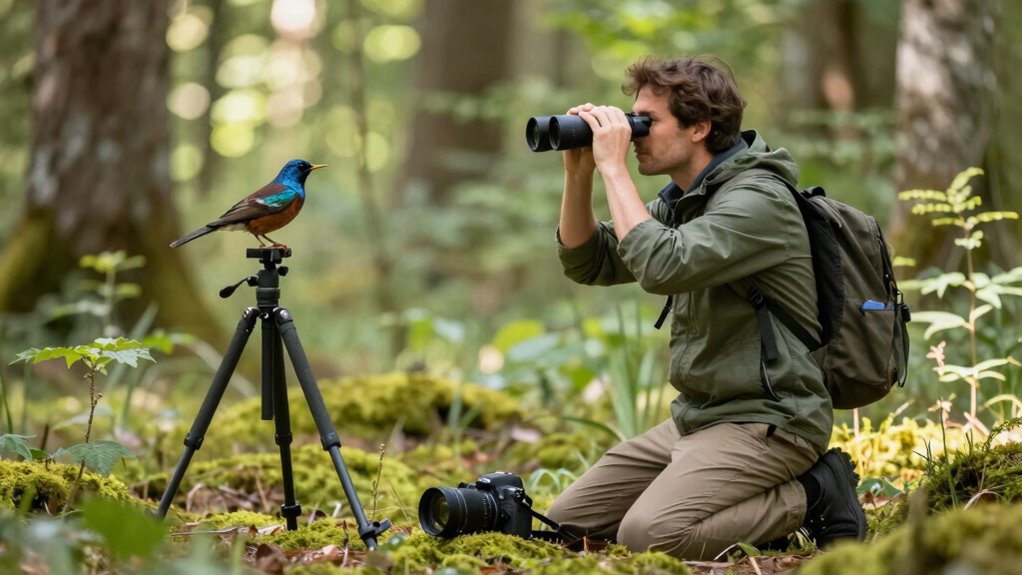
When using binoculars and cameras, make sure you handle your gear properly to avoid disturbing birds or damaging equipment. Keep a respectful distance so you don’t frighten or stress the wildlife you’re observing. Remember to avoid disrupting habitats, ensuring your equipment use supports responsible and peaceful birding.
Use Proper Equipment Handling
Handling your binoculars and camera with care guarantees you capture clear views without disturbing the birds. Proper equipment handling starts with secure grip and smooth operation to prevent sudden movements that could scare wildlife. Regular binocular maintenance, like cleaning lenses with a soft cloth and storing them in protective cases, preserves image clarity and extends their lifespan. When using your camera, avoid touching the lens or flash abruptly, and keep it steady to prevent blurry shots. Always check that straps are secured to prevent accidental drops. Being mindful of how you handle your gear shows respect for the birds and ensures your equipment remains in good condition. Gentle, deliberate movements allow you to observe and photograph without stressing or alarming the birds.
Maintain Respectful Distance
Maintaining a respectful distance is essential for observing birds without causing them stress or alarm. Use bird-friendly accessories like binoculars with gentle focus and lightweight cameras to avoid startling wildlife. Keep your equipment at a distance that allows you to see clearly without invading their space. Respectful photography involves staying still and minimizing movement, so birds aren’t scared away. Avoid sudden gestures or loud noises that can disturb their natural behavior. By maintaining this distance, you help ensure birds remain calm and undisturbed. Remember, your goal is to observe and enjoy without disrupting their routine. Using appropriate gear thoughtfully allows you to capture beautiful images while keeping your presence unobtrusive. This respectful approach benefits both the birds and your overall birding experience.
Avoid Disrupting Habitats
Using your binoculars and cameras responsibly is essential for preserving bird habitats while observing wildlife. When you avoid trampling vegetation or disturbing nesting sites, you help maintain habitat preservation and ecosystem balance. Be mindful of your surroundings, staying on designated trails and minimizing noise. This reduces stress on birds and protects their environment. To visualize, consider this table:
| Disturbance Level | Impact on Habitat | Bird Well-being |
|---|---|---|
| Low | Preserves vegetation | Less stress, more safety |
| Moderate | Slight habitat disruption | Temporary disturbance |
| High | Habitat destruction | Increased stress, displacement |
Recognizing Signs of Bird Stress and How to Respond

Birds often show subtle signs when they’re stressed, and recognizing these cues is key to birding without causing harm. Signs of distress include rapid movements, fidgeting, or repeated alarm calls. Stress indicators also include birds puffing up their feathers, avoiding eye contact, or fluttering nervously. If you notice a bird displaying these signs, it’s best to give it space and stop approaching. Moving too close or sudden movements can increase their stress, making them more vulnerable. Instead, back off slowly and keep your distance. Respecting these stress signals helps prevent harm and preserves the bird’s natural behavior. Your goal is to observe without interfering, ensuring the bird’s comfort and safety while enjoying your birding experience.
Be Patient and Keep Quiet for a Better Birding Experience
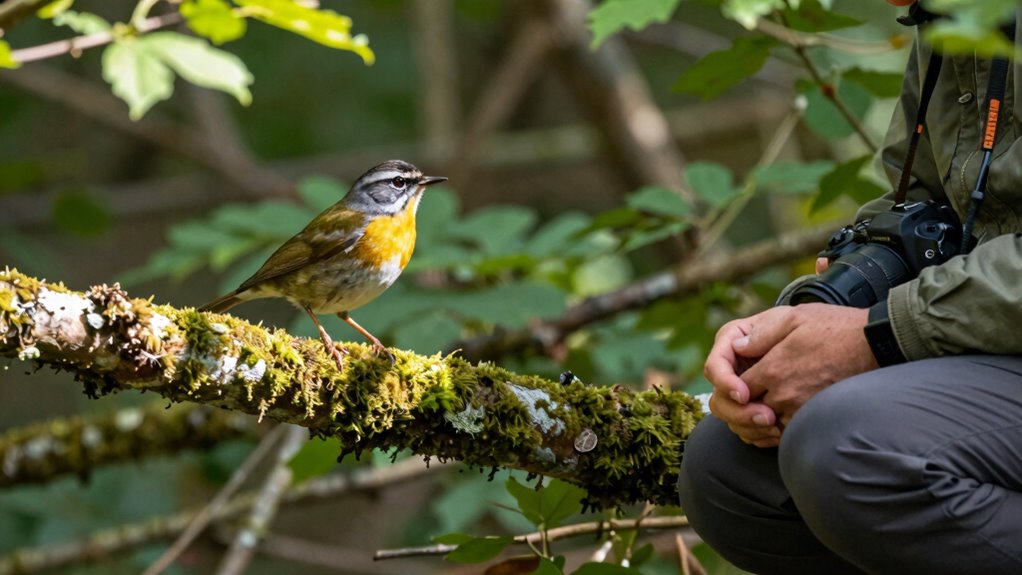
Patience and quietness are essential for a rewarding birding experience. When you practice silent observation, you reduce disturbances that might scare birds away. Instead of rushing and making noise, focus on patient waiting, giving birds time to appear naturally. Staying still and quiet helps you blend into their environment, increasing your chances of spotting shy or easily spooked species. Remember, birds are sensitive to sudden movements and loud sounds, so keep your voice low and minimize your presence. By embracing patience, you allow yourself to observe more authentic behaviors and interactions. This respectful approach not only enhances your experience but also protects the birds’ well-being, ensuring they remain comfortable and safe in their habitat.
Frequently Asked Questions
What Are Common Mistakes Beginners Make in Ethical Birding?
As a beginner, you might unintentionally cause bird harassment by getting too close or making loud noises, which stresses the birds. You may also disturb habitats by wandering off trails or trampling vegetation. To avoid these mistakes, keep a respectful distance, stay quiet, and stick to designated paths. Being mindful of your surroundings helps protect the birds’ well-being and guarantees your birding experience remains ethical and enjoyable.
How Can I Support Bird Conservation Through Responsible Birding?
Did you know that citizen science projects have helped identify over 50% of new bird populations? To support bird conservation through responsible birding, you should focus on bird habitat preservation by respecting nesting sites and avoiding disturbance. Engage in citizen science initiatives, share your observations, and promote awareness. Your mindful approach can make a real difference, ensuring birds thrive for generations to come.
Are There Specific Clothing Tips to Minimize Bird Disturbance?
Wearing camouflage clothing helps you blend into the environment, reducing the chance of startling birds. Pair this with quiet footwear to minimize noise when moving through habitats. Stay low and avoid sudden movements, which can disturb birds. Keep a respectful distance and use binoculars for closer views. These clothing tips guarantee you observe birds responsibly, supporting conservation efforts while enjoying a stress-free, ethical birding experience.
How Do Weather Conditions Affect Ethical Birdwatching Practices?
Sure, weather impact is like nature’s way of saying, “Good luck with your birdwatching plans.” Rain, wind, or extreme cold can make birds hide or change their behavior, so you might miss that rare sighting. To be ethical, you should adapt your practices—wear quiet, weather-appropriate gear, and stay patient—so you respect bird behavior and avoid stressing them out, no matter what Mother Nature throws your way.
Can Ethical Birding Practices Be Applied in Urban Environments?
Yes, you can practice ethical birding in urban environments by respecting urban habitats and supporting bird-friendly design. Avoid disturbing nests or roosts, stay on designated paths, and use binoculars wisely to minimize close contact. By being mindful of noise and pollution, you help protect urban bird populations. Incorporate bird-friendly design principles like native plants and bird feeders, creating a welcoming space that benefits both birds and your enjoyment.
Conclusion
Think of ethical birding as tending a delicate garden—you nurture the plants without overwhelming or damaging them. By respecting birds and their habitats, choosing responsible spots, and observing quietly, you become a gentle steward of their world. Your patience and care help create a harmonious scene where birds flourish and you enjoy their beauty without stress. Remember, your mindful approach is the sunlight and water that keeps this vibrant ecosystem alive and thriving.