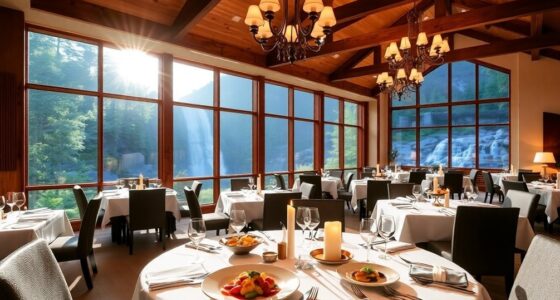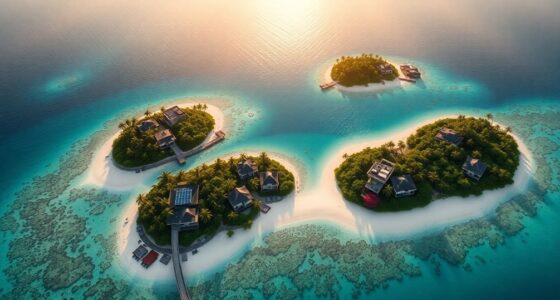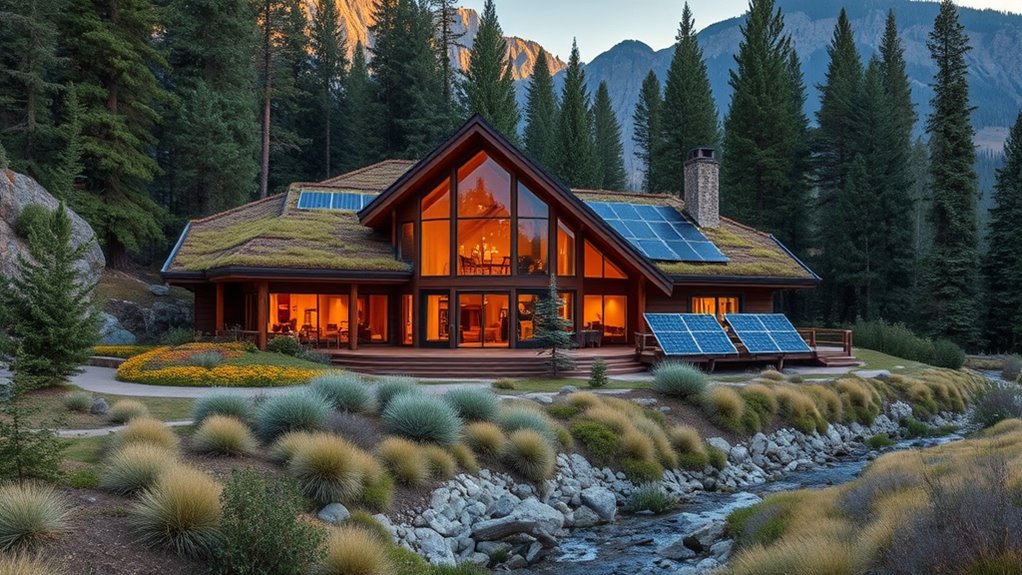

Regenerative design in high-end lodges focuses on enhancing your experience while nurturing the surrounding ecosystems. You’ll find sustainable materials and eco-friendly architecture that blend with nature, promoting biodiversity. Local artisans create culturally rich furnishings that support the community. By engaging with nature through guided activities, you’ll connect more deeply with the environment. This approach balances luxury and responsibility, ensuring your stay uplifts the land and its inhabitants. Discover more about the principles that make this possible.
Key Takeaways
- High-end lodges utilize reclaimed wood and recycled metals, ensuring sustainable materials that minimize ecological footprints and support local economies.
- Architectural designs feature large windows and green roofs, enhancing natural light and insulation while fostering biodiversity and ecosystem health.
- Indoor and outdoor spaces are seamlessly integrated, promoting harmony between guest comfort and the surrounding natural environment.
- Local artisans craft decor and furniture, preserving regional culture and supporting responsible craftsmanship within the lodge’s design.
- Guest activities focus on respectful engagement with nature, encouraging mindful exploration and deepening connections to the landscape.
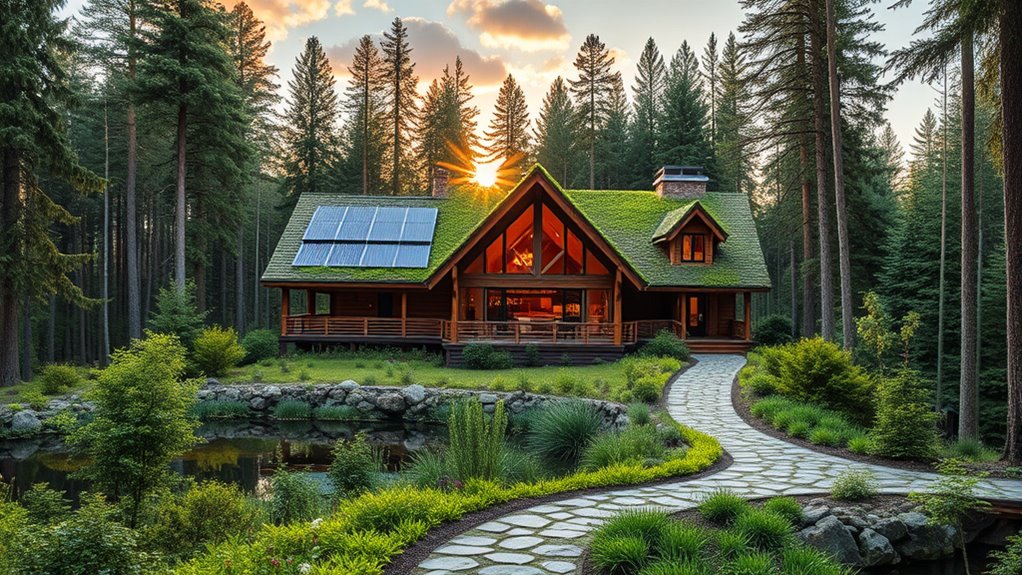
As you step into a high-end lodge designed with regenerative principles, you’ll instantly feel the harmony between luxury and sustainability. Every detail has been thoughtfully curated to create an experience that’s both indulgent and environmentally conscious. You’ll notice the use of sustainable materials throughout the lodge, which not only elevates its aesthetic appeal but also minimizes its ecological footprint. From reclaimed wood to recycled metals, each element tells a story of responsible sourcing and design.
Experience the seamless blend of luxury and sustainability, where every detail reflects responsible design and environmental consciousness.
The eco-friendly architecture of the lodge is a testament to modern ingenuity. Large windows invite natural light to flood the space, reducing the need for artificial lighting and enhancing your connection to the surrounding landscape. You’ll appreciate how the building’s design seamlessly integrates with its environment, blurring the lines between indoor comfort and outdoor beauty. Each room’s layout maximizes views of the stunning vistas, ensuring you’re always reminded of nature’s splendor.
You might find it fascinating how the lodge utilizes natural ventilation and thermal mass to maintain a comfortable atmosphere year-round, reducing reliance on conventional heating and cooling systems. You’ll feel the fresh, clean air as it circulates through the space, a reminder of how thoughtful design can enhance your well-being. The use of green roofs and living walls not only contributes to insulation but also fosters biodiversity, giving you a glimpse into a thriving ecosystem right outside your window.
As you explore the common areas, you’ll be enchanted by the use of local artisans who’ve crafted furniture and decor from sustainable materials. Each piece is not just functional but a work of art that reflects the culture and stories of the region. You can take pride in knowing that your stay supports local economies and promotes responsible craftsmanship.
The lodge’s commitment to regenerative design extends beyond its walls. You’ll find opportunities for eco-friendly activities like guided hikes and wildlife tours that respect the land and its inhabitants. You’re encouraged to engage with nature in a way that’s mindful and respectful, fostering a deeper connection to the world around you. This approach exemplifies how best practices in regenerative design can enhance guest experiences while promoting sustainability.
In this high-end lodge, luxury and sustainability go hand in hand. You’ll leave not only relaxed and rejuvenated but also inspired by the possibilities of regenerative design, a perfect blend of comfort, elegance, and responsibility.
Frequently Asked Questions
What Materials Are Commonly Used in Regenerative Design for Lodges?
In regenerative design, you’ll often find sustainable materials like reclaimed wood, bamboo, and recycled metal. These choices not only reduce environmental impact but also enhance the lodge’s aesthetic appeal. Local sourcing plays a vital role, too; it supports the community and minimizes transportation emissions. By selecting materials that are both eco-friendly and locally sourced, you create a space that harmonizes with its surroundings while promoting sustainability.
How Does Regenerative Design Benefit Local Ecosystems Specifically?
Regenerative design boosts local ecosystems by enhancing local biodiversity and promoting ecosystem resilience. When you implement regenerative practices, you’re creating habitats that support a variety of plant and animal species. This diversity strengthens the ecosystem’s ability to recover from disturbances, ensuring a healthier environment. You also contribute to soil health and water management, which are essential for sustaining the ecosystem. Ultimately, your efforts lead to a thriving, interconnected community of life.
Can Regenerative Design Be Applied to Existing Lodges?
Yes, you can apply regenerative design to existing lodges through adaptive reuse and retrofitting strategies. By evaluating the current structure, you can enhance its sustainability features, like installing energy-efficient systems or using local materials for upgrades. These changes not only improve the lodge’s ecological footprint but also create a unique experience for guests. Embracing this approach allows you to preserve the lodge’s character while contributing positively to the environment and local community.
What Are the Costs Associated With Implementing Regenerative Design?
Implementing regenerative design can be costly, but it often pays off in the long run. A thorough cost analysis is essential to understand the initial investment you’ll need. Budget planning should include materials, labor, and potential operational changes. While upfront costs may seem high, consider the savings from reduced energy use and increased guest appeal. Balancing initial expenses with long-term benefits can lead to a sustainable and profitable outcome for your project.
Are There Certifications for Lodges Practicing Regenerative Design?
Yes, there are eco certifications for lodges practicing regenerative design. These certifications often align with sustainability standards, evaluating how well your lodge minimizes environmental impact and promotes ecological health. Look for certifications like LEED, Green Key, or EarthCheck, which emphasize sustainable practices. By obtaining these certifications, you not only enhance your lodge’s credibility but also attract environmentally-conscious guests enthusiastic to support businesses committed to regenerative principles.
Conclusion
In the world of high-end lodges, regenerative design isn’t just a trend; it’s a lifeline. Like a river that nourishes the land, these eco-conscious practices breathe new life into luxury, harmonizing comfort with sustainability. You’re not just staying in a lodge; you’re part of a movement that nurtures nature and revitalizes communities. As you unwind in these serene spaces, remember—each choice you embrace plants a seed for tomorrow, blossoming into a brighter, greener future.