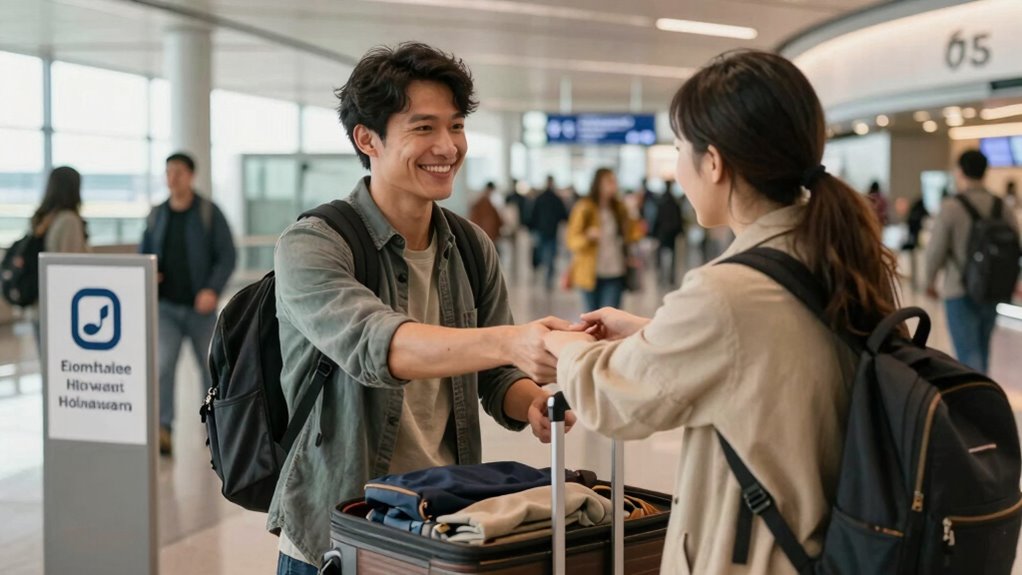

Small courtesy habits, like saying “please,” “thank you,” or offering a smile, can quickly change your trip because they foster positive interactions and build trust with locals and fellow travelers. These acts show respect, help de-escalate conflicts, and create a friendly atmosphere. By practicing kindness and respecting customs, you make connections that turn a simple journey into a meaningful experience. Keep exploring, and you’ll discover how these small actions can truly transform your travel adventures.

Get travel and outdoor gear delivered free with Prime
- Fast, free delivery on millions of items
- Prime Video, Amazon Music and more included
- Member-only deals all year
Key Takeaways
- Small courtesy acts foster positive interactions, making travel smoother and reducing misunderstandings quickly.
- Demonstrating respect through polite gestures builds trust and rapport with locals and fellow travelers.
- Acts of kindness de-escalate conflicts, creating a more relaxed and enjoyable environment.
- Respectful behavior enhances cultural understanding, facilitating faster adaptation to new settings.
- Consistent courtesy establishes a positive atmosphere, encouraging others to reciprocate kindness promptly.
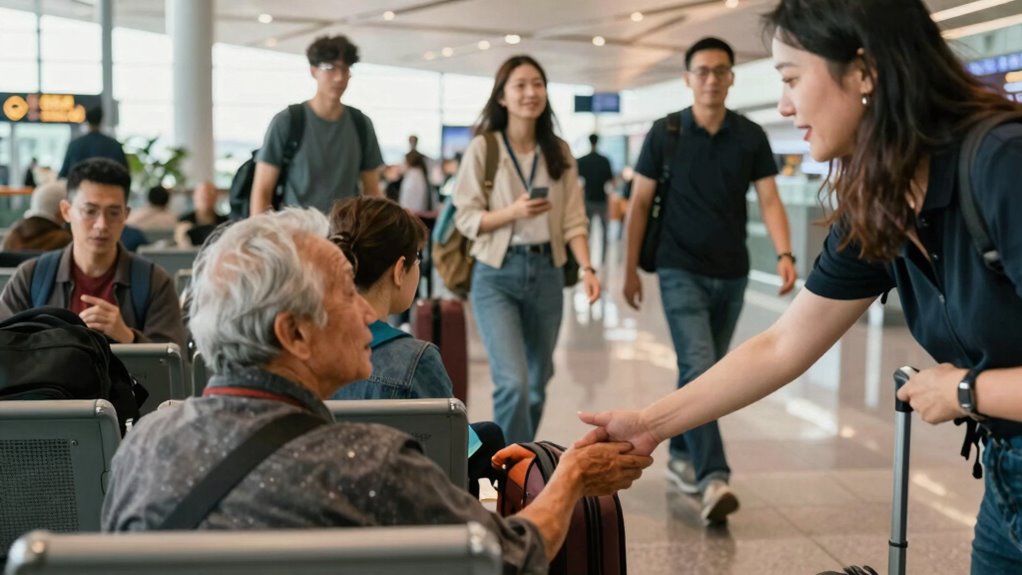
Small courtesy habits might seem insignificant, but they have a powerful impact on how you connect with others. When you’re traveling, these tiny acts of kindness can transform your experience and influence how locals and fellow travelers perceive you. Travel etiquette isn’t just about following rules; it’s about showing respect and consideration. Simple gestures, like saying “please” and “thank you,” holding the door, or offering a genuine smile, go a long way in building positive interactions. These kindness gestures demonstrate that you value the culture and the people you meet, making your journey smoother and more enjoyable.
Small acts of kindness build respect, create connections, and make your travel experience more meaningful.
In many cases, small courtesy habits serve as universal language. When you respect local customs and practice good travel etiquette, you create an atmosphere of mutual respect. For example, learning a few basic phrases in the local language shows effort and appreciation, fostering goodwill. When you avoid loud or disruptive behavior, you signal that you respect the environment and the community. These acts might seem minor, but they set the tone for your entire trip, encouraging others to mirror your politeness and kindness. Cultivating positive social behaviors can significantly enhance your travel experiences and help you navigate unfamiliar settings more comfortably.
Moreover, kindness gestures can de-escalate potential misunderstandings or conflicts. If you accidentally offend someone or make a mistake, a sincere apology and a friendly demeanor can quickly repair the situation. This not only enhances your reputation but also helps you navigate unfamiliar settings with ease. When you treat service staff, hotel employees, or strangers with courtesy, you build rapport and often receive better service or helpful advice in return. Small acts of kindness, like leaving a tip or expressing gratitude, reinforce positive exchanges that make your trip more comfortable.
Your attitude and habits influence your overall travel experience. If you approach your journey with patience, humility, and respect, you’re more likely to enjoy authentic interactions and create meaningful memories. Small courtesy habits, such as listening attentively, giving way in crowded spaces, or respecting local dress codes, show that you’re genuinely engaged. These kindness gestures demonstrate that you’re a considerate traveler, which can open doors to deeper cultural understanding and friendships. Additionally, being mindful of cultural sensitivities helps foster a respectful environment for everyone involved. Recognizing the importance of environmental respect can further enhance your connection with local communities and demonstrate your commitment to sustainable travel.
In essence, tiny acts of courtesy aren’t just about politeness—they’re about making genuine connections. They help you adapt quickly, earn trust, and foster goodwill wherever you go. When you prioritize these small courtesy habits, your trip becomes not only smoother but also richer in human connection. The small gestures you make can turn a standard journey into an enriching adventure filled with warmth, respect, and shared humanity.
travel phrasebook with polite expressions
As an affiliate, we earn on qualifying purchases.
As an affiliate, we earn on qualifying purchases.
Frequently Asked Questions
How Quickly Can Courtesy Habits Improve Travel Experiences?
Your courtesy habits can improve your travel experience almost instantly. By practicing politeness consistency and respectful communication, you create a more positive atmosphere for yourself and others. Small gestures like saying “please” and “thank you” or listening attentively can transform interactions and reduce stress. These habits foster goodwill, making your trip smoother and more enjoyable, often within just a few moments of conscious effort.
Are Small Courtesy Habits Culturally Universal?
Like threads woven into a global tapestry, small courtesy habits aren’t entirely universal. Cultural differences shape what’s polite, making etiquette feel like a unique dance rather than a universal tune. While kindness and respect form the core of good manners, the steps vary. You’ll find shared values, but the rhythm of polite gestures often shifts, reminding you that understanding local customs is key to harmonizing with diverse cultural expectations.
Can Tiny Gestures Prevent Travel Conflicts?
Yes, tiny gestures can prevent travel conflicts by fostering good travel etiquette and smooth guest-host dynamics. When you show appreciation, respect local customs, or offer a simple thank-you, you create positive interactions that reduce misunderstandings. These small acts demonstrate your consideration, making hosts feel valued and guests feel welcomed. Ultimately, consistent courtesy helps build trust, prevent friction, and guarantees a more enjoyable, conflict-free trip for everyone involved.
How Do Courtesy Habits Influence Travel Safety?
Courtesy habits act like the glue holding travel safety together. By practicing politeness etiquette and sharpening your communication skills, you create a bridge of understanding with others. When you listen actively and show respect, you reduce misunderstandings that can escalate into conflicts. This harmony fosters a safer environment, making your journey smoother. Small gestures, like a kind word or a smile, ripple outward, transforming potential chaos into calm, secure adventures.
What Are Common Courtesy Mistakes Travelers Make?
You often make mistakes in travel etiquette and packing manners without realizing it. For example, being loud on public transport or not respecting personal space can annoy others. Forgetting to follow proper packing manners, like overstuffing your bag or leaving trash behind, shows disrespect. These small courtesy mistakes can quickly create tension, so be mindful of your behavior, practice good travel etiquette, and pack thoughtfully to guarantee a smoother trip for everyone.
Conclusion
So, next time you’re on a trip, remember that a simple “please” or a genuine smile isn’t just politeness—it’s the secret weapon that transforms your journey from chaos into harmony. These tiny acts wield unimaginable power, capable of turning strangers into friends and frustration into peace. Don’t underestimate the ripple effect of your small courtesy habits; they’re the magic threads weaving unforgettable travel memories. Master them, and watch your trips become legendary adventures, all because of your kindness.
Fall Picks
fall essentials
As an affiliate, we earn on qualifying purchases.