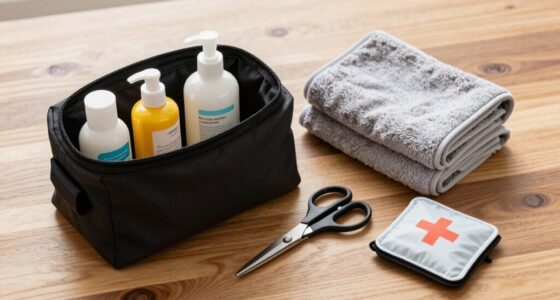
Sustainable travel is not about achieving a perfectly impact-free trip. It is about making thoughtful choices that protect the places you visit, reduce unnecessary waste, and help you travel safely and comfortably. Whether you are planning an international journey, a weekend camping trip, a coastal escape, or a long-distance hike, the same principles apply: pack deliberately, conserve resources, respect local environments, and choose reusable gear when it genuinely replaces disposable alternatives.
This guide offers a practical starting point for greener travel and outdoor adventures. Use it to shape your packing list, prepare for common challenges, and find detailed guidance on essentials ranging from portable lighting and emergency power to sun protection, trail food storage, and campsite hygiene.
Start With a Lower-Impact Travel Plan
The environmental footprint of a trip begins before anything enters your suitcase. Destination, transportation, accommodation, trip length, and daily activities can matter more than an isolated product choice. Consider whether you can travel by train or bus, combine several short trips into one longer visit, or explore somewhere closer to home. When flying is necessary, direct routes generally avoid the extra takeoffs, landings, and connections associated with multi-leg itineraries.
Once you arrive, look for ways to direct spending toward the local community. Locally owned lodging, neighborhood restaurants, regional guides, and small activity providers can keep more tourism income within the destination. Follow posted rules in parks and protected areas, particularly around fires, wildlife, water use, and access to sensitive habitats.
A simple framework can help organize your decisions:
- Reduce what you consume and carry.
- Reuse durable items whenever practical.
- Repair gear before replacing it.
- Recycle or compost only where suitable facilities exist.
- Respect local people, wildlife, landscapes, and regulations.
reusable water bottle for travel
As an affiliate, we earn on qualifying purchases.
As an affiliate, we earn on qualifying purchases.
Build a Smarter Packing List
The greenest packing list is often a short one built around versatile items. Heavy luggage can be tiring to handle, difficult to organize, and tempting to fill with things you will never use. Begin with the conditions you realistically expect: climate, terrain, access to drinking water, laundry options, insects, sun exposure, and the distance from shops or medical assistance.
Choose clothing that can be layered rather than packing a separate outfit for every forecast. A basic system might include a breathable base layer, an insulating middle layer, and protection from wind or rain. Comfortable footwear should match the activity and be worn before the trip. If long travel days or extended periods of sitting are part of the itinerary, some travelers also consider supportive socks; this guide to bamboo compression socks for comfort and support can help you explore the available options.
Reusable essentials should solve a real, recurring need. Depending on the trip, useful examples include a refillable water bottle, washable utensils, a compact cup, a cloth napkin, a tote, and reusable food storage. Label or personalize small items so they are less likely to be misplaced at hostels, campsites, airports, or shared kitchens.
Prepare for Reliable Light and Power
Hands-Free Lighting
A headlamp is one of the most useful tools for camping, hiking before sunrise, navigating a power outage, or finding something in a dark vehicle. Hands-free light makes cooking, setting up shelter, and handling repairs easier than holding a flashlight. Rechargeable models can also reduce reliance on disposable batteries when you have dependable access to charging.
Before leaving, charge the light fully and learn how its controls work. Check whether it can be locked to prevent accidental activation inside a bag, and pack the correct charging cable. Brightness is only one consideration: fit, beam settings, weather resistance, weight, and runtime at the mode you actually use can all influence suitability. The roundup of USB rechargeable headlamps is a useful place to compare potential choices.
Emergency Phone Charging
Phones often serve as maps, cameras, translators, booking tools, and emergency communication devices. That makes power planning an important part of travel safety. Download essential maps, tickets, reservation details, and emergency contacts before entering an area with unreliable reception. Reduce screen brightness and disable unnecessary wireless connections when conserving battery.
A charged power bank is usually the most straightforward backup for routine travel, but extended emergencies may call for additional options. Hand-crank devices require effort and should not be treated as an unlimited substitute for normal charging, yet they can have a role in a broader preparedness kit. Review these hand-crank phone chargers when considering an emergency option, and make sure any charger you carry is compatible with your phone and cables.
Protect Yourself From the Sun Responsibly
Sun protection matters on beaches, boats, mountains, snowfields, and city streets. Exposure can accumulate during sightseeing and travel days even when sunbathing is not part of the plan. Build protection around several measures rather than relying on one product: seek shade, wear a hat, use sunglasses, cover exposed skin with suitable clothing, and apply sunscreen according to its label.
Coastal and aquatic trips add another consideration. Travelers may want formulas selected with marine environments in mind, but labels and local rules deserve careful attention because terminology can be inconsistent. The guide to reef-safe sunscreens for skin and ocean-conscious travel provides a focused starting point for researching options. Check the destination’s current sunscreen regulations before departure, particularly when visiting protected beaches, marine parks, or snorkeling areas.
Lips are easy to overlook during a long day outdoors. Wind, sun, dry air, and high elevation can all make them uncomfortable. An SPF lip balm can fit into a broader sun-care routine, and travelers who consider animal-welfare standards can browse these cruelty-free lip balms with SPF. Keep frequently used protection in an accessible pocket rather than buried in your main luggage.
Manage Food Without Excess Waste
Food packaging can become a major source of travel waste, especially on road trips, hikes, and camping weekends. Planning portions at home can reduce impulse purchases and prevent food from spoiling. Choose foods suited to the temperature, trip length, and storage available, and keep perishable ingredients cold enough to remain safe.
Reusable Food Storage
Reusable containers are generally well suited to regular travel when you can wash and dry them properly. Beeswax wraps can cover certain foods and containers while reducing the need for single-use wrap. They are not appropriate for every ingredient or situation, so follow the maker’s cleaning and food-contact instructions. If this format suits your routine, compare the best reusable beeswax food wraps for picnics, packed lunches, and campsite kitchens.
Compostable Options
Compostable packaging can be useful in specific circumstances, but “compostable” does not mean an item should be left outdoors. Products may require industrial composting conditions, and facilities are not available everywhere. Confirm what a local compost program accepts, remove labels or other components if required, and place used bags in regular waste when no appropriate composting route exists. For situations where disposability is genuinely needed, this overview of compostable snack bags can help clarify your choices.
Whatever storage system you use, never feed wildlife or leave food scraps behind. Secure food according to local guidance, especially in areas inhabited by bears, rodents, monkeys, or other animals accustomed to human food.
Handle Water and Campsite Hygiene Carefully
Water is a limited resource in many outdoor destinations. Confirm where drinking water is available, whether it requires treatment, and how much you must carry between reliable sources. Never assume clear water is safe to drink. Use a treatment method appropriate to the location and follow its instructions carefully.
Bathing outdoors requires similar judgment. Even biodegradable soap should not be introduced directly into lakes, rivers, or streams. Follow campground rules, use designated facilities when provided, and dispose of wastewater as instructed. A portable shower can make longer camping stays more comfortable, particularly at established sites that permit them. The guide to solar camp showers for warm outdoor rinses covers options designed to use sunlight for heating.
Privacy, drainage, water temperature, and the strength of the hanging point all deserve attention. Test the setup before traveling, and never suspend a heavy water-filled bag from a weak branch or unstable structure. Keep showers brief and carry only the water you need.
Practice Low-Impact Outdoor Ethics
Responsible outdoor recreation depends as much on behavior as equipment. Stay on durable or marked surfaces, camp only where permitted, and avoid widening trails to bypass mud or obstacles. Leave plants, rocks, cultural objects, and natural features where you find them. Observe wildlife from a distance and keep pets under control according to local regulations.
Pack out everything you bring, including tissues, wipes, hygiene products, and small food scraps. Do not burn plastic, foil-lined packaging, or other rubbish. If toilets are unavailable, research the destination’s human-waste rules in advance; appropriate practices differ according to ecosystem, visitor volume, and land-management requirements.
Noise also has an impact. Keep music low or use headphones, give other visitors space, and avoid bright lights when they are unnecessary. A considerate campsite protects wildlife while allowing everyone nearby to experience the natural setting.
Stay Safe Without Overpacking
Sustainable travel should never come at the expense of basic safety. Carry the essentials required for your route and the consequences of delay. For an outdoor day trip, that may include navigation, sun protection, insulation, rain protection, water, food, a light, and a compact first-aid kit. More remote travel demands additional preparation and redundancy.
Share your route and expected return time with someone who is not on the trip. Check weather, closures, fire restrictions, tide times, and local hazards shortly before departure. Understand the limits of phone coverage and do not depend solely on an online map. If an item is safety-critical, inspect it before every trip and know how to use it.
Create Your Own Sustainable Travel Routine
Lasting habits are more useful than a complicated collection of supposedly green products. After each trip, note what you used, what you forgot, and what remained untouched. Clean, dry, recharge, and repair gear promptly so it is ready next time. Store reusable travel essentials together to make low-waste packing easier.
Prioritize changes that match how you actually travel. A frequent camper may benefit most from rechargeable lighting, durable food storage, and a careful water system. A beach traveler may focus on sun protection and respect for marine habitats. A regular rail or air passenger may get more value from a streamlined wardrobe, reusable meal supplies, and reliable device charging.
The goal is thoughtful progress: fewer disposable items, better-maintained equipment, safer preparation, and deeper respect for every destination. Start with the habits that solve your most common travel problems, use the linked guides for detailed product research, and refine your system through experience.