Among these high-end headphones and monitors, I rank the Sony MDR-M1 first for its closed-back design and clear professional-monitoring focus. The Audeze LCD-X is a standout for buyers prioritizing premium planar listening, while the beyerdynamic DT 990 Pro X suits those who want an open-back studio option that is easier to pair with everyday audio gear. Your main tradeoff is between isolation and an open presentation, with fit, amplification, and intended use also shaping the choice. The roundup includes studio headphones, open-back listening models, and in-ear monitors, so not every pick serves the same job. Read on for the full breakdown and guidance on matching a model to your setup.

Get travel and outdoor gear delivered free with Prime
- Fast, free delivery on millions of items
- Prime Video, Amazon Music and more included
- Member-only deals all year
Complete the kit


Key Takeaways
- The Sony MDR-M1 leads for closed-back studio use: its monitoring-first role makes it a more focused pick for isolation than the open-back models here.
- The Audeze LCD-X and LCD-2 Classic occupy the premium planar tier: they suit buyers seeking a different class of listening experience, but their over-ear format is less portable than the IEM options.
- The DT 990 Pro X is easier to pair than the 250-ohm DT 990 Pro: buyers should match the standard model to a source that can drive its higher impedance.
- Open-back models are not substitutes for isolation: the HD 650, HD 599, MDR-MV1, and DT 990 options suit quieter listening spaces better than recording near a microphone.
- Portable listening has its own contenders: the Sennheiser IE 200 and BASN Bmaster offer in-ear formats, while the KZ ZS10 Pro offers another compact monitor-style option.
| Sony MDR-M1 Professional Reference Closed Monitor Headphones | 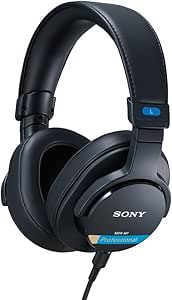 | Best for Isolated Studio Monitoring | Brand: Sony | Model: MDR-M1 | Design: Closed-back monitor headphones | VIEW ON AMAZON | See Our Full Breakdown |
| beyerdynamic DT 990 Pro X Open-Back Studio Headphones (48 Ohm) | 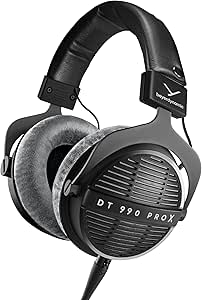 | Best Open-Back Pick for Flexible Setups | Brand: beyerdynamic | Model number: 1001629_1 | Design: Open-back, over-ear | VIEW ON AMAZON | See Our Full Breakdown |
| Sony MDR-MV1 Open-Back Reference Monitor Headphones |  | Best for Spatial-Audio Production | Brand: Sony | Model: MDR-MV1 | Design: Open-back, over-ear | VIEW ON AMAZON | See Our Full Breakdown |
| beyerdynamic DT 990 Pro Open-Back Studio Headphones (250 Ohm) |  | Best for Amp-Driven Mixing Setups | Brand: beyerdynamic | Model: DT 990 PRO 250 | Design: Open-back studio headphone | VIEW ON AMAZON | See Our Full Breakdown |
| Audeze LCD-X Open-Back Planar Magnetic Headphones with Carrying Case and Cable |  | Best Premium Planar Reference | Brand: Audeze | Model: LCD-X | Driver type: Planar magnetic | VIEW ON AMAZON | See Our Full Breakdown |
| Audeze LCD-2 Classic Open-Back Over-Ear Headphones |  | Best for Warm Planar Listening | Driver type: Planar magnetic | Driver size: 100 mm | Impedance: 70 ohms | VIEW ON AMAZON | See Our Full Breakdown |
| Sennheiser HD 280 Pro Closed-Back Headphones |  | Best for Isolated Studio Monitoring | Design: Closed-back, around-ear | Noise attenuation: Up to 32 dB | Frequency response: 8–25,000 Hz | VIEW ON AMAZON | See Our Full Breakdown |
| BASN Bmaster Triple-Driver In-Ear Monitor Headphones with Two Detachable Cables, White |  | Best for Portable In-Ear Monitoring | Driver type: Balanced armature | Fit: In-ear | Impedance: 16 ohms | VIEW ON AMAZON | See Our Full Breakdown |
| MAONO MH700 Wired Studio Headphones |  | Best for Flexible Studio Connections | Type: Wired, closed-back over-ear headphones | Driver size: 50 mm | Frequency response: 20 Hz–20 kHz | VIEW ON AMAZON | See Our Full Breakdown |
| Audio-Technica ATH-M50x Professional Studio Monitor Headphones | 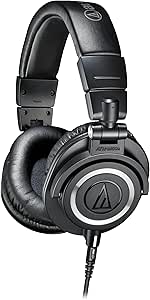 | Best for Versatile Closed-Back Monitoring | Driver type: Dynamic | Driver size: 45 mm | Frequency response: 20 Hz–28,000 Hz | VIEW ON AMAZON | See Our Full Breakdown |
| Sennheiser IE 200 In-Ear Wired Audiophile Headphones with Flexible Ear Hooks |  | Best Tunable Audiophile In-Ear | Brand: Sennheiser | Model number: 700249 | Driver size: 7 mm | VIEW ON AMAZON | See Our Full Breakdown |
| Sennheiser HD 599 Open-Back Wired Headphones, Ivory |  | Best Comfortable Open-Back Introduction | Model: HD 599 | Type: Open-back, over-ear wired headphones | Color: Ivory | VIEW ON AMAZON | See Our Full Breakdown |
| Sennheiser HD 650 Audiophile Hi-Res Open-Back Dynamic Headphones | 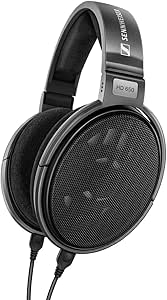 | Best for Focused Audiophile Listening | Model: HD 650 | Driver size: 42 mm | Frequency response: 10 Hz–41,000 Hz | VIEW ON AMAZON | See Our Full Breakdown |
| Linsoul KZ ZS10 Pro In-Ear Monitor Earbuds |  | Best Hybrid-Driver In-Ear Monitor | Driver configuration: 4 balanced armatures + 1 dynamic driver | Dynamic driver: Second-generation Tesla unit | Faceplate material: 304 stainless steel | VIEW ON AMAZON | See Our Full Breakdown |
| highend headphones and monitor | Impedance | Cable | Frequency response | Weight |
|---|---|---|---|---|
| Sony MDR-M1 Professional Refer | 50 Ω | Two detachable cables | 5 Hz–80 kHz | 216 g |
| beyerdynamic DT 990 Pro X Open | 48 Ω | Detachable 3 m mini-XLR | — | 10.3 oz |
| Sony MDR-MV1 Open-Back Referen | 24 Ω | Detachable; wired 3.5 mm connection | 5 Hz–80 kHz | 226 g |
| beyerdynamic DT 990 Pro Open-B | 250 Ω | 3 m coiled cable | 5 Hz–35,000 Hz | 8.8 oz |
| Audeze LCD-X Open-Back Planar | 20 Ω | Detachable; 4-pin XLR cable with 6.3 mm and 3.5 mm adapters | 12 Hz–20 kHz, extended to 50 kHz | — |
| Audeze LCD-2 Classic Open-Back | 70 ohms | — | — | — |
| Sennheiser HD 280 Pro Closed-B | 64 ohms | Coiled, 1–3 m | 8–25,000 Hz | 220 g |
| BASN Bmaster Triple-Driver In- | 16 ohms | Detachable MMCX | — | — |
| MAONO MH700 Wired Studio Headp | — | — | 20 Hz–20 kHz | 0.4 kg |
| Audio-Technica ATH-M50x Profes | 38 ohms | — | 20 Hz–28,000 Hz | — |
| Sennheiser IE 200 In-Ear Wired | 18 Ω | Braided | — | 4 g |
| Sennheiser HD 599 Open-Back Wi | 50 ohms | — | — | — |
| Sennheiser HD 650 Audiophile H | — | — | 10 Hz–41,000 Hz | — |
| Linsoul KZ ZS10 Pro In-Ear Mon | — | Detachable gold-plated ODC | — | — |
More Details on Our Top Picks
Sony MDR-M1 Professional Reference Closed Monitor Headphones
The Sony MDR-M1 is the clearest choice here when you need a closed-back reference headphone that limits sound spill and keeps outside noise at bay. Its stated 5 Hz–80 kHz response and 216 g weight suit extended editing or tracking sessions, while the two detachable cables make it easier to adapt the setup or replace a worn lead. Compared with the open-back Sony MDR-MV1, the MDR-M1 gives up an airy, open presentation in favor of isolation—a practical advantage when recording near a microphone or working around others. The tradeoff is that it remains strictly wired, and its closed design is less suited to listeners prioritizing an open soundstage. I’d choose it for controlled production work, not for a wireless everyday setup.
Pros:- Closed-back design helps reduce outside noise and sound leakage
- 216 g weight and thick earpads support longer sessions
- Two detachable cables offer practical replacement and setup flexibility
- Stated frequency response spans 5 Hz–80 kHz
Cons:- Wired only, with no Bluetooth option
- Closed-back construction does not provide the open presentation of the MDR-MV1
Best for: Home and project-studio producers who need isolation for tracking, editing, or work in shared spaces
Not ideal for: Listeners who want wireless convenience or an open-back presentation for spacious stereo monitoring
- Brand:Sony
- Model:MDR-M1
- Design:Closed-back monitor headphones
- Frequency response:5 Hz–80 kHz
- Impedance:50 Ω
- Weight:216 g
- Connectivity:Wired; 3.5 mm jack with 6.3 mm adapter
- Cable:Two detachable cables
Our verdict“Choose the MDR-M1 if isolation and a lightweight fit matter more than wireless use or open-back spaciousness.”
beyerdynamic DT 990 Pro X Open-Back Studio Headphones (48 Ohm)
The beyerdynamic DT 990 Pro X pairs an open-back design with 48-ohm impedance, making it a more flexible match for laptops and interfaces than the 250-ohm DT 990 Pro. Its open construction supports a broad, natural stereo image for monitoring, while the detachable mini-XLR cable and velour pads add useful studio practicality. Compared with the Sony MDR-MV1, this is the more straightforward option for buyers who want the listed 48-ohm load and included carrying pouch, rather than a headphone specifically positioned for stereo and spatial-audio mastering. The open back is a real limitation: sound leaks both ways, so it is a poor fit for noisy rooms or close-mic recording. I’d shortlist it for a stationary setup that needs easy device matching, not isolation.
Pros:- 48-ohm impedance is a flexible match for many everyday devices and interfaces
- Open-back design supports a wide, natural stereo image
- Detachable 3 m mini-XLR cable is replaceable
- Soft velour earpads and included carrying pouch add studio convenience
Cons:- Open construction leaks sound and offers little isolation
- Not water resistant
- The supplied cable is 3 m long, which may be cumbersome for portable use
Best for: Producers and critical listeners who want open-back imaging and plan to switch between a computer, interface, or console
Not ideal for: Vocalists recording beside a microphone, commuters, and anyone needing sound isolation or water resistance
- Brand:beyerdynamic
- Model number:1001629_1
- Design:Open-back, over-ear
- Driver:45 mm dynamic
- Impedance:48 Ω
- Sensitivity:97 dB
- Cable:Detachable 3 m mini-XLR
- Weight:10.3 oz
- Included accessories:1/4-inch adapter and black carrying pouch
Our verdict“Pick the DT 990 Pro X for open-back monitoring across varied sources, provided sound leakage is acceptable.”
Sony MDR-MV1 Open-Back Reference Monitor Headphones
The Sony MDR-MV1 has a focused role in this group: open-back monitoring for stereo and spatial-audio mixing and mastering. Its 5 Hz–80 kHz stated response, 24-ohm impedance, and 226 g build make it a practical wired studio option when you want a roomy presentation without the higher impedance of the beyerdynamic DT 990 Pro 250. Unlike that beyerdynamic, the MDR-MV1 is described specifically for spatial-audio work and is lighter, though its 40 mm dynamic drivers and open construction still make room acoustics and leakage part of the decision. The soft suede earpads and detachable cable suit long sessions, but there is no isolation for tracking in a noisy room and no wireless mode. I’d favor it for mix work, not recording beside a live microphone.
Pros:- Designed for stereo and spatial-audio mixing and mastering
- 24-ohm impedance offers a less demanding load than the DT 990 Pro 250
- Lightweight 226 g construction and soft suede earpads suit long sessions
- Detachable cable
Cons:- Open-back design provides no meaningful noise isolation
- Wired connectivity only
- Sound leakage makes it unsuitable for some shared rooms and microphone setups
Best for: Mix engineers and creators working on stereo or spatial-audio projects who want a lightweight, low-impedance open-back headphone
Not ideal for: People recording vocals in the same room, working in noisy environments, or seeking a closed-back or wireless pair
- Brand:Sony
- Model:MDR-MV1
- Design:Open-back, over-ear
- Driver:40 mm dynamic
- Frequency response:5 Hz–80 kHz
- Impedance:24 Ω
- Sensitivity:100 dB
- Weight:226 g
- Cable:Detachable; wired 3.5 mm connection
Our verdict“Choose the MDR-MV1 for spatial and stereo mix work when you can work in a quiet room.”
beyerdynamic DT 990 Pro Open-Back Studio Headphones (250 Ohm)
The beyerdynamic DT 990 Pro 250 is aimed at a more fixed studio chain than the 48-ohm DT 990 Pro X: its 250-ohm impedance makes a dedicated headphone amp or capable audio interface the sensible pairing. In return, its open-back design provides a broad stereo image suited to mixing and mastering, and the replaceable velour pads and spring-steel headband are practical for repeated studio use. Compared with the Sony MDR-MV1, it has a narrower stated upper frequency limit at 35 kHz and a higher power requirement, so I’d pick it for a well-equipped desk rather than a mixed-device setup. Its 3 m coiled cable can also limit movement, and the open cups leak sound, ruling it out for noisy rooms or close microphone work.
Pros:- Open-back design delivers a wide stereo image for studio listening
- Replaceable velour earpads support long-term upkeep
- Spring-steel headband is suited to regular studio use
- Includes 3.5 mm and 6.35 mm connectivity
Cons:- 250-ohm impedance is a poor match for many phones and low-power outputs
- Open-back construction leaks sound and does not block room noise
- The 3 m coiled cable can feel restrictive outside a fixed workstation
Best for: Studio users with a headphone amplifier or audio interface who want an open-back headphone for mixing and mastering
Not ideal for: Phone-first listeners, low-powered device users, and anyone monitoring in a noisy or microphone-sensitive space
- Brand:beyerdynamic
- Model:DT 990 PRO 250
- Design:Open-back studio headphone
- Impedance:250 Ω
- Frequency response:5 Hz–35,000 Hz
- Sensitivity:96 dB
- Cable:3 m coiled cable
- Weight:8.8 oz
- Origin:Made in Germany
Our verdict“Choose the DT 990 Pro 250 if your studio has a suitable amp and you do not need isolation.”
Audeze LCD-X Open-Back Planar Magnetic Headphones with Carrying Case and Cable
The Audeze LCD-X is the premium specialist in this lineup, built around 106 mm planar magnetic drivers for professional monitoring, recording, and music production. Its 20-ohm impedance and listed 103 dB efficiency make it less dependent on a high-impedance headphone output than the beyerdynamic DT 990 Pro 250, while the supplied cable adapters and carrying case suit a studio kit that moves between rooms. Audeze also describes this version as handcrafted and calibrated in California. The tradeoffs are substantial for some buyers: it is wired, open-backed, and offers no noise control, so it cannot replace the isolated role of the Sony MDR-M1. The product data does not list its weight, so I would not assume it is as easy to wear for long sessions as the lighter Sony models.
Pros:- Planar magnetic drivers with a 106 mm diaphragm
- 20-ohm impedance and 103 dB/1 mW efficiency
- Detachable cable includes 6.3 mm and 3.5 mm adapters
- Carrying case is included
Cons:- Open-back construction provides no noise control
- Wired only, with no wireless listening option
- Weight is not specified in the supplied product data
Best for: Professional producers and reference listeners seeking a planar magnetic headphone for a dedicated, quiet studio setup
Not ideal for: Buyers who need isolation, wireless listening, or a lightweight headphone for extended portable use
- Brand:Audeze
- Model:LCD-X
- Driver type:Planar magnetic
- Diaphragm size:106 mm
- Frequency response:12 Hz–20 kHz, extended to 50 kHz
- Impedance:20 Ω
- Efficiency:103 dB/1 mW
- Cable:Detachable; 4-pin XLR cable with 6.3 mm and 3.5 mm adapters
- Included accessory:Carrying case
Our verdict“Choose the LCD-X for a planar reference setup in a quiet studio, not for isolation or portable convenience.”
Audeze LCD-2 Classic Open-Back Over-Ear Headphones
The Audeze LCD-2 Classic is the pick here for listeners who want open-back space and a fuller, bass-rich presentation from planar magnetic drivers. Its 100 mm drivers and warm tuning give music weight, setting it apart from the more monitoring-focused Audio-Technica ATH-M50x, which uses a closed-back design and emphasizes isolation. The open cups mean sound can pass both ways, so these are better suited to a quiet room than shared workspaces or recording beside a microphone.
A steel suspension headband and leather-free memory foam earpads address comfort, while the 70-ohm impedance makes the wired setup relatively flexible across compatible sources. The tradeoffs are practical: there is no wireless option, and the travel case is sold separately. Compared with the Audeze LCD-X elsewhere in the roundup, this model is the more warmth-oriented choice rather than the obvious pick for buyers prioritizing a bundled carry case.
Pros:- 100 mm planar magnetic drivers deliver a weighty, warm presentation
- Open-back design suits spacious listening in a quiet room
- Leather-free memory foam earpads and a steel suspension headband support longer sessions
- Detachable cable allows replacement without replacing the headphones
Cons:- Open-back cups leak sound and do little to block outside noise
- Wired-only connection limits mobility
- Travel case is sold separately
Best for: Listeners with a quiet listening space who want open-back planar headphones with a warm, bass-forward character and leather-free earpads.
Not ideal for: Commuters, shared-office listeners, and recording engineers who need sound isolation, wireless freedom, or a supplied travel case.
- Driver type:Planar magnetic
- Driver size:100 mm
- Impedance:70 ohms
- Design:Open-back, over-ear
- Connectivity:Wired
- Headphone jack:6.35 mm
- Earpads:Leather-free memory foam
- Headband:Steel suspension
Our verdict“Choose the LCD-2 Classic if you want warm, open-back planar sound for quiet listening and can accept a wired setup without an included case.”
Sennheiser HD 280 Pro Closed-Back Headphones
The Sennheiser HD 280 Pro earns its place as the practical isolation pick: its closed-back cups attenuate outside noise by up to 32 dB, helping musicians and editors focus on a mix or cue track. That makes it a more sensible recording-room choice than the open-back Audeze LCD-2 Classic, which lets sound escape and ambient noise in. Its accurate monitoring aim favors checking balances over adding the warm, bass-forward character sought by some music listeners.
Collapsible, swiveling earcups make storage easier, and replaceable cable, earpads, and headband padding support upkeep over time. The coiled cable reaches from 1 to 3 meters, but the wired design still ties the listener to a source. Compared with the Audio-Technica ATH-M50x, the HD 280 Pro foregrounds noise attenuation and serviceable parts; the M50x adds 90-degree swiveling for one-ear monitoring and a wider listed frequency range.
Pros:- Up to 32 dB of noise attenuation helps limit distractions and headphone bleed
- Accurate sound reproduction is suited to studio monitoring
- Collapsible, swiveling earcups make storage more compact
- Cable, earpads, and headband padding are replaceable
Cons:- Wired-only operation restricts movement
- Closed-back isolation may feel less open than the LCD-2 Classic for relaxed listening
- The coiled cable can be cumbersome when a straight cable is preferred
Best for: Home-recording musicians, editors, and audio students who need closed-back monitoring with substantial passive noise attenuation and replaceable wear parts.
Not ideal for: Listeners who want wireless use, an open-back presentation, or swiveling earcups specifically designed for one-ear DJ monitoring.
- Design:Closed-back, around-ear
- Noise attenuation:Up to 32 dB
- Frequency response:8–25,000 Hz
- Impedance:64 ohms
- Cable:Coiled, 1–3 m
- Connector:3.5 mm stereo jack with included 6.3 mm adapter
- Weight:220 g
- Maximum input power:500 mW
Our verdict“Pick the HD 280 Pro for isolated, maintainable studio monitoring rather than wireless convenience or open-back listening.”
BASN Bmaster Triple-Driver In-Ear Monitor Headphones with Two Detachable Cables, White
The BASN Bmaster is the compact monitoring alternative to the over-ear models in this group. Its in-ear fit and sound isolation are useful for performers who need a secure, portable setup, while the stated tuning balances detailed bass, clear mids, and bright treble. Unlike the Sennheiser HD 280 Pro, it does not rely on large closed-back earcups; fit and eartip choice play a larger part in how well it blocks noise.
Detachable MMCX cables can be replaced or customized, and the included silicone and memory foam tips help buyers adjust the fit. The case and cleaning tool add practical support for frequent transport. This is not an all-purpose rugged monitor, though: it is not water resistant, and an in-ear design may not suit listeners who dislike eartips. Compared with the Linsoul KZ ZS10 Pro, it stands out here for its included pair of cables and accessory set.
Pros:- In-ear fit and sound isolation help reduce outside noise
- Balanced-armature design is described as delivering detailed bass, clear mids, and bright treble
- Detachable MMCX cables can be replaced or customized
- Includes a carrying case, silicone and memory foam tips, and cleaning accessories
Cons:- Not water resistant
- Fit and isolation depend on choosing suitable eartips
- In-ear comfort may not work for listeners who prefer over-ear headphones
Best for: Performers and mobile audio users who prefer isolating in-ear monitors, want a choice of eartips, and value replaceable MMCX cables.
Not ideal for: Buyers who need water resistance, dislike in-ear tips, or prefer the broad, cushioned fit of over-ear studio headphones.
- Driver type:Balanced armature
- Fit:In-ear
- Impedance:16 ohms
- Cable:Detachable MMCX
- Noise control:Sound isolation
- Water resistance:Not water resistant
- Included accessories:Carrying case, silicone and memory foam eartips, 6.3 mm adapter, cable clip, cleaning tool
- Warranty:365-day replacement; 1-year parts and labor
Our verdict“Choose the Bmaster for portable, isolating in-ear monitoring with replaceable cables, but skip it if water resistance or an over-ear fit is a priority.”
MAONO MH700 Wired Studio Headphones
The MAONO MH700 is the practical pick for a buyer who needs studio-style closed-back headphones and more than one cable option in the box. Its 50 mm dynamic drivers, foldable build, and included straight and coiled detachable cables suit recording, DJ work, and podcast setups where the distance to the source changes. The Audio-Technica ATH-M50x is the stronger fit for one-ear monitoring, thanks to its 90-degree swiveling earcups; the MH700 instead emphasizes cable flexibility and 3.5 mm and 6.35 mm connections.
At 0.4 kg, it is heavier than the listed Sennheiser HD 280 Pro, so extended wear may be less appealing for some users. Its stated 20 Hz–20 kHz response gives a familiar full-range specification, but the supplied data does not identify a sound signature or isolation rating. The main compromise is straightforward: this is a wired monitor, not a mobile wireless option.
Pros:- Includes detachable 1.2 m straight and 3 m coiled cables
- 3.5 mm and 6.35 mm connections suit a range of audio equipment
- Foldable design supports easier storage
- 50 mm dynamic drivers and closed-back over-ear design are intended for monitoring and recording
Cons:- Wired-only connection limits mobility
- At 0.4 kg, it is heavier than the HD 280 Pro listed here
- Provided specifications do not state a noise-attenuation level
Best for: Podcasters, home-recording users, and DJs who want closed-back wired headphones with straight and coiled detachable cables and both common jack sizes.
Not ideal for: Buyers who prioritize low weight, wireless listening, or documented noise attenuation and one-ear monitoring features.
- Type:Wired, closed-back over-ear headphones
- Driver size:50 mm
- Frequency response:20 Hz–20 kHz
- Connections:3.5 mm and 6.35 mm
- Included cables:1.2 m straight cable; 3 m coiled cable
- Weight:0.4 kg
- Included accessories:Storage bag, user manual
- Warranty:1 year
Our verdict“Pick the MH700 if cable choice and broad jack compatibility matter more than wireless use, low weight, or one-ear monitoring.”
Audio-Technica ATH-M50x Professional Studio Monitor Headphones
The Audio-Technica ATH-M50x takes the most versatile closed-back role in this set. Its 45 mm dynamic drivers, sound-isolating earcups, and detachable cable make it suitable for studio work, DJ monitoring, and everyday wired listening. The Sennheiser HD 280 Pro offers higher stated noise attenuation, up to 32 dB, and replaceable padding; the M50x counters with 90-degree swiveling earcups for one-ear cueing and a foldable design that packs down more readily.
The listed 20 Hz–28,000 Hz response and 38-ohm impedance provide useful reference points for matching it to common sources, while the description highlights clear sound and deep, accurate bass. It remains a wired headphone, and its sound-isolating cups are less suited to listeners seeking the open presentation of the Audeze LCD-2 Classic. This is the balanced choice for buyers who move between listening and monitoring tasks, not for those who need wireless operation or water resistance.
Pros:- 90-degree swiveling earcups support one-ear monitoring
- Sound-isolating over-ear design helps limit outside noise
- Detachable cable and foldable construction aid transport and replacement
- 45 mm dynamic drivers and a 20 Hz–28,000 Hz stated response suit varied monitoring tasks
Cons:- Wired-only connection limits movement away from the source
- Closed-back isolation does not provide the open presentation of the LCD-2 Classic
- Not water resistant
Best for: DJs, home-studio users, and listeners who want one closed-back wired headphone for monitoring, one-ear cueing, and portable storage.
Not ideal for: Buyers who need wireless listening, water resistance, quantified noise attenuation, or the airy presentation of open-back headphones.
- Driver type:Dynamic
- Driver size:45 mm
- Frequency response:20 Hz–28,000 Hz
- Impedance:38 ohms
- Sensitivity:99 dB
- Connectivity:Wired
- Features:Sound isolation, foldable design, 90-degree swiveling earcups
- Warranty:2 years on parts and labor
Our verdict“Choose the ATH-M50x if you need a foldable closed-back monitor that can handle one-ear cueing as well as routine studio listening.”
Sennheiser IE 200 In-Ear Wired Audiophile Headphones with Flexible Ear Hooks
The IE 200 is the most adaptable small-format pick here: its 7 mm TrueResponse driver aims for balanced detail, while two bass-tuning positions let listeners choose a leaner or fuller low end. That adjustment makes it more flexible than the Linsoul KZ ZS10 Pro, whose hybrid driver array favors a more assertive, dynamic presentation. Flexible earhooks, several silicone and memory-foam tips, and a light 4 g design support a secure fit for extended listening. The tradeoff is that this is a wired, isolating-style earphone without active noise cancellation or water resistance, so it is less suited to workouts or wet conditions. Choose it for portable listening and fit options; choose the open-back HD 599 instead when a spacious, room-like presentation matters more.
Pros:- Balanced, detailed sound with expressive mids and smooth treble
- Two bass positions offer a choice of tighter or fuller low end
- Flexible earhooks and silicone and memory-foam tips support a secure fit
- Braided cable uses gold-plated MMCX connectors
Cons:- No active noise cancellation
- Not water-resistant
Best for: Listeners seeking a lightweight wired in-ear with adjustable bass and multiple options for dialing in a comfortable fit.
Not ideal for: People who need wireless playback, active noise cancellation, or water resistance for exercise and outdoor use.
- Brand:Sennheiser
- Model number:700249
- Driver size:7 mm
- Impedance:18 Ω
- Cable:Braided
- Connector:Gold-plated MMCX
- Plug:3.5 mm
- Ear tips:Silicone and memory foam, sizes S, M, L
- Weight:4 g
Our verdict“Choose the IE 200 for adaptable, lightweight wired listening; pick the KZ ZS10 Pro if its hybrid-driver emphasis better suits your preferred sound.”
Sennheiser HD 599 Open-Back Wired Headphones, Ivory
The HD 599 is a welcoming way into open-back listening, with natural spatial sound and velour-covered pads designed for long sessions. Its lighter, comfort-focused approach makes it an easier everyday choice than the more demanding HD 650, which is positioned for listeners building a more focused audiophile setup. Two detachable cables—one with a 3.5 mm plug and one with a 6.3 mm plug—make it practical to move between common listening devices and compatible audio equipment. Its defining compromise is also its defining feature: the open-back cups let sound escape and offer no noise control, so it belongs in a quiet room rather than a commute or shared office. For studio monitoring, closed-back options such as the Sony MDR-M1 are a better fit.
Pros:- Natural spatial presentation suits relaxed home listening
- Velour ear pads and padded headband are designed for comfort
- Includes detachable 3 m and 1.2 m cables with different plug sizes
- Replaceable ear pads support upkeep over time
Cons:- Open-back design leaks sound and provides no noise control
- Not water-resistant
Best for: Home listeners new to open-back headphones who prioritize a spacious presentation and cushioned comfort for long sessions.
Not ideal for: Commuters, shared-office listeners, or anyone who needs isolation, sound containment, or water resistance.
- Model:HD 599
- Type:Open-back, over-ear wired headphones
- Color:Ivory
- Impedance:50 ohms
- Frequency range:12–38,500 Hz
- Driver type:Dynamic
- Cables:Detachable; 3 m with 6.3 mm plug and 1.2 m with 3.5 mm plug
- Ear pad material:Velour
- Water resistance:Not water-resistant
Our verdict“Pick the HD 599 for comfortable, spacious home listening, but choose a closed-back monitor such as the Sony MDR-M1 when isolation matters.”
Sennheiser HD 650 Audiophile Hi-Res Open-Back Dynamic Headphones
The HD 650 is the more focused open-back choice in this Sennheiser pair, built around 42 mm dynamic drivers and acoustic silk damping specified to reduce total harmonic distortion to 0.05%. Its broad 10 Hz–41 kHz frequency response and over-ear fit suit listeners who want detailed, extended listening at home. Against the HD 599, this model puts greater emphasis on the audiophile setup rather than serving as the more approachable comfort-first option. The main tradeoff is practical: its open construction leaks sound and provides little isolation, while the supplied connections do not make it wireless or suited to noisy spaces. A quality source or headphone amplifier is recommended to get the most from it. For private monitoring in louder environments, a closed-back model such as the Sony MDR-M1 is more appropriate.
Pros:- Acoustic silk damping is specified to reduce total harmonic distortion to 0.05%
- 42 mm dynamic drivers and a 10 Hz–41 kHz frequency response
- Over-ear design is suited to extended listening
- Includes 3.5 mm and 1/4-inch connector options
Cons:- Open-back cups leak sound and provide little isolation
- A quality source or headphone amplifier is recommended for full potential
- No wireless connectivity or active noise cancellation
Best for: Home audiophiles with a quality source or headphone amplifier who want detailed open-back listening for music and focused sessions.
Not ideal for: Listeners who need isolation, quiet sound leakage, wireless use, or headphones for noisy commutes and shared workspaces.
- Model:HD 650
- Driver size:42 mm
- Frequency response:10 Hz–41,000 Hz
- Sensitivity:103 dB
- Distortion:0.05% THD
- Connectors:3.5 mm jack and 1/4-inch connector
- Enclosure material:Aluminum
- Warranty:2 years
Our verdict“Choose the HD 650 for focused home listening with capable audio equipment; choose the HD 599 for a more approachable comfort-first open-back option.”
Linsoul KZ ZS10 Pro In-Ear Monitor Earbuds
The KZ ZS10 Pro takes a more elaborate in-ear route than the Sennheiser IE 200: its four balanced-armature drivers and one dynamic driver combine with a second-generation Tesla dynamic unit for a detailed presentation with dynamic lows and extended highs. A stated 26 dB of noise isolation makes it a stronger candidate for cutting down surrounding sound than the open-back HD 599 or HD 650, though it does not replace active noise cancellation. The stainless steel faceplate and resin cavity add a sturdy feel, and the detachable cable can be replaced or upgraded. That hybrid design and isolation suit portable monitoring, but the product has no microphone for calls, and the supplied cable’s appearance may vary between units. Choose the IE 200 instead if you prefer its adjustable bass tuning and lighter 4 g design.
Pros:- Hybrid configuration combines four balanced-armature drivers with one dynamic driver
- Stated 26 dB noise isolation helps reduce surrounding sound
- 304 stainless steel faceplate and resin cavity
- Detachable gold-plated ODC cable allows replacement or upgrades
Cons:- No microphone for calls
- Cable appearance may vary between units
Best for: Portable-monitoring listeners who want a multi-driver in-ear, passive noise isolation, and a cable they can replace or upgrade.
Not ideal for: People who need a built-in microphone for calls or prefer a lighter, more simply tuned in-ear like the Sennheiser IE 200.
- Driver configuration:4 balanced armatures + 1 dynamic driver
- Dynamic driver:Second-generation Tesla unit
- Faceplate material:304 stainless steel
- Cavity material:Imported resin
- Cable:Detachable gold-plated ODC
- Noise isolation:26 dB
- Color:Black
- Microphone:None
Our verdict“Pick the KZ ZS10 Pro for a hybrid-driver in-ear with stated passive isolation; choose the IE 200 for lighter weight and adjustable bass tuning.”

How We Picked
I ranked these 14 models by how well each serves a clear buyer need across studio monitoring, critical listening, isolation, portability, and ease of pairing. I weighed design type and intended use alongside practical factors such as connection format, impedance where specified, fit, and whether the model is likely to suit a home setup or a more demanding listening chain. A high-end label alone did not earn a higher position: a headphone that is excellent for quiet listening may be a poor choice for recording or shared spaces.
The order favors versatility and a clearly defined role near the top, then separates premium listening models, specialist studio choices, accessible wired options, and compact in-ear monitors. The 250-ohm DT 990 Pro ranks below the DT 990 Pro X for buyers who may not have a dedicated headphone output, while open-back designs are ranked for sound-focused use rather than isolation. This is a comparative editorial ranking based on stated product characteristics and buyer fit, not a claim of personal testing.
Factors to Consider When Choosing Highend Headphones And Monitors
Before choosing, decide what job the headphones need to do. The biggest buying mistake is treating studio monitor, audiophile headphone, and in-ear monitor as interchangeable labels: each describes a different balance of isolation, comfort, sound presentation, and portability.
Choose Open-Back or Closed-Back Around Your Room
Open-back headphones let sound pass through their cups, which can make them a better fit for quiet-room listening and some mixing tasks. That same openness leaks audio out and lets room noise in, so they are usually a poor match for recording vocals beside a live microphone or commuting. Closed-back models provide more isolation, but that does not automatically make them more accurate; room comfort, seal, and the task at hand still matter. A common mistake is buying open-back headphones for a noisy workspace because their sound is appealing in descriptions. If you need one pair for both recording and private listening, decide which task has the stricter requirements, then check whether a second, simpler pair would solve the other job better.
Match Impedance and Sensitivity to Your Audio Source
Impedance is only one part of how easy a headphone is to drive; sensitivity and the output of your source also matter. A high-impedance model, such as the 250-ohm DT 990 Pro, may need a more capable headphone output than a laptop or phone provides, while a lower-impedance option can be simpler to use across devices. Do not buy an amplifier solely because a specification looks high: first check the source you already own and whether it reaches a comfortable listening level without strain. If you need one setup for a computer, interface, and portable device, prioritize compatibility across all three rather than optimizing for just one. Headroom helps, but it cannot correct a poor fit or an unsuitable open-versus-closed design.
Separate Mixing Needs From Enjoyment Listening
Headphones marketed for monitoring are intended to help with work such as tracking or editing, while audiophile models may be chosen more for an engaging listening presentation. Those purposes can overlap, but a pleasing sound is not automatically the most useful reference for judging a mix. For professional decisions, consistency matters: use familiar material, compare your results on other playback systems, and avoid assuming any single headphone reveals every mix issue. A common trap is buying a premium model and expecting its price tier to replace reference checks or room monitors. If you mostly listen for pleasure, comfort and the kind of presentation you enjoy may deserve more weight than studio conventions.
Treat Comfort and Fit as Part of Sound Quality
Headphones that become uncomfortable after a short session are a poor fit for long editing or listening days, even if their technical credentials appeal. Over-ear weight, clamping force, pad material, and headband pressure can all affect how long you can wear a pair. For in-ear monitors, tip fit affects both comfort and bass response, so a poor seal can make a capable model sound thin or unstable. Before committing, check return terms and replacement-pad or tip availability, especially if you have a history of fit issues. Do not assume a larger or more expensive over-ear model will feel better; the shape of your head and ears matters more than the category label.
Pick a Form Factor That Matches Your Routine
Full-size headphones suit desk listening and studio sessions, while in-ear monitors take up less space and can be easier to carry. The small footprint of an IEM does not make it a direct replacement for an over-ear monitor: its fit, isolation, and listening feel are different, and insertion comfort varies from person to person. Detachable cables can make replacement or setup changes easier, but check connector compatibility before buying extra leads. For travel, consider how quickly the model can be put on and removed, how it stores, and whether its cable or fit suits movement. Buying one pair to cover studio work, commuting, and relaxed home listening often means accepting compromises in at least one setting.
Spend More Only When the Upgrade Fits Your Use
Higher-end materials or a premium driver design are most useful when they address a need you can name, such as a preferred open-back presentation or a more specialized studio workflow. They do not guarantee better translation across speakers, greater comfort, or compatibility with your source. Set a practical ceiling, then compare the gains you want against alternatives that might improve your whole setup, such as a suitable headphone output or a second pair for isolation. Beginners often gain more from a dependable, comfortable model that works with their current gear than from a premium headphone they cannot drive well. Pay extra when the role and fit are clear, not just because the product occupies the premium end of a lineup.
Frequently Asked Questions
Can open-back headphones work for recording vocals?
They can work in some situations, but sound leaking from the earcups may be picked up by a nearby microphone. That risk is higher with sensitive microphones, loud headphone playback, or quiet vocal passages. Closed-back headphones are generally the safer choice when you need to keep a headphone cue out of a recording. If you want open-back headphones for editing or mixing, keep them for those tasks and use a separate isolated pair during tracking. The best choice depends on microphone placement and how much headphone level the performer needs.
Do I need an amplifier for the 250-ohm DT 990 Pro?
Not automatically, but you should check whether your actual source can drive it to your preferred listening level with room to spare. A computer, interface, or dedicated headphone amplifier may behave differently, and impedance alone does not tell the whole story. If the output sounds too quiet or strained at the levels you use, a more capable source may help. The DT 990 Pro X is the easier pairing to investigate if you want to reduce source-compatibility concerns. Confirm the output specifications of your equipment before adding another device to your setup.
Should I choose a studio monitor headphone or an audiophile model for mixing?
Start with the work you do and the playback chain you already know, rather than relying on the label alone. A studio-oriented model may suit tracking or editing, while an audiophile headphone may better match personal listening preferences; either way, learn how your choice presents familiar reference tracks. Check mixes on other systems because no headphone provides a complete picture of how a track will translate. If you record near a microphone, isolation may matter more than an open-back presentation. Buyers who mix regularly should prioritize repeatability and source compatibility over premium positioning.
Are in-ear monitors a sensible alternative to full-size headphones?
They can be, especially when portability and a compact listening setup matter more than an over-ear fit. Their sound and comfort depend heavily on choosing suitable eartips and getting a stable seal, so an IEM that fits poorly may not perform as intended for you. In-ear models also feel different during long sessions, and some listeners prefer not to wear them for extended periods. They are less convenient for work that calls for quick on-and-off use or over-ear comfort. If possible, check fit and return options before making an IEM your only pair.
Can one pair cover studio work, commuting, and home listening?
One pair can cover several roles, but each design gives something up. Closed-back over-ear headphones can offer more isolation than open-backs, while in-ear monitors are easier to carry but have a different fit and listening feel. Open-back models can suit quiet home sessions yet leak sound and admit outside noise. Decide which environment is least forgiving, then choose for that priority rather than expecting a single pair to excel everywhere. If your routine changes between loud travel and quiet mixing, two purpose-matched options may be more practical than one compromise.
Conclusion
For the best overall balance in this roundup, I recommend the Sony MDR-M1 to buyers seeking closed-back professional monitoring. The best premium direction is the Audeze LCD-X for listeners who want a high-end planar model and have a setup suited to full-size headphones; the LCD-2 Classic is another premium open-back path. For best value and a straightforward studio option, the Audio-Technica ATH-M50x and Sennheiser HD 280 Pro offer more practical roles than the luxury models, while the DT 990 Pro X is a sensible open-back pick when isolation is not needed. Beginners should start by matching their existing source and room to the Sony MDR-M1, ATH-M50x, or HD 599 rather than buying an amplifier or premium model by assumption. For specific needs, choose the 250-ohm DT 990 Pro only with a suitable source, and look to the IE 200, BASN Bmaster, or KZ ZS10 Pro when compact in-ear use matters most.
Fall Picks
fall essentials
As an affiliate, we earn on qualifying purchases.