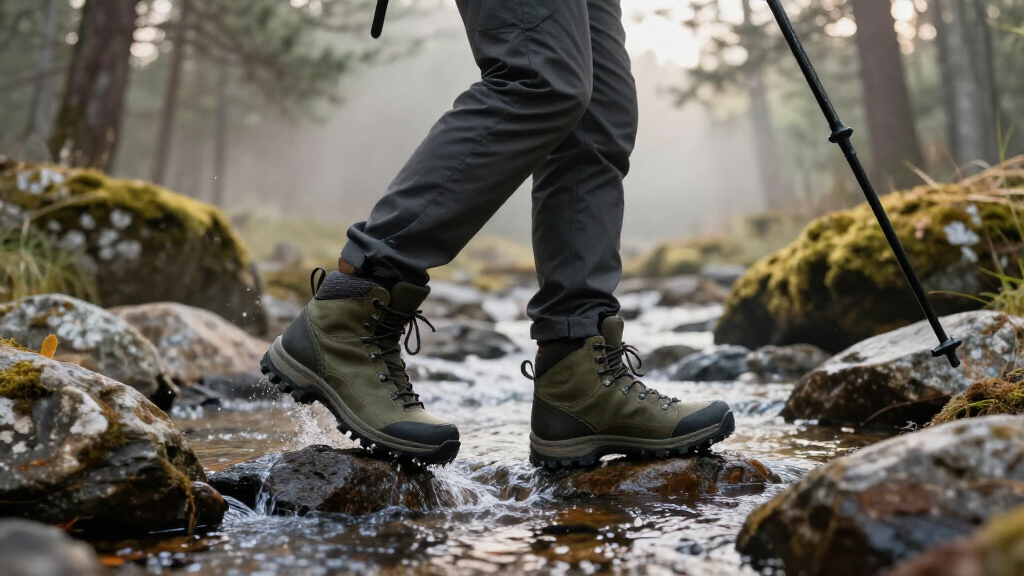
If you’re shopping for waterproof hiking boots for men, the biggest tradeoff you’ll face is between waterproof protection and breathability — and the second is between a supportive mid-cut boot and a lighter, faster low-cut shoe. Merrell Men’s Moab 3 Mid Waterproof earns the best overall spot for its proven Vibram-class outsole, roomy fit that suits most foot shapes, and a waterproof membrane that holds up over long seasons of use. Budget-conscious hikers should look at the NORTIV 8 lightweight lineup, which delivers credible waterproofing and comfort at a fraction of the cost, while Columbia’s Transverse and Fairbanks models split the difference with lighter builds best suited to day hikes and wet-weather trail walking rather than heavy backpacking. The lineup below spans everything from winter-ready insulated boots to low-cut waterproof shoes, ranked by how well each balances protection, traction, and value. Keep reading for the full breakdown, including which pairs run narrow, which break in slowly, and which are worth skipping entirely.

Get travel and outdoor gear delivered free with Prime
- Fast, free delivery on millions of items
- Prime Video, Amazon Music and more included
- Member-only deals all year
Complete the kit



Key Takeaways
- The Merrell Moab 3 Mid Waterproof separated itself from the rest through its outsole grip and out-of-the-box comfort — nearly every budget alternative required some break-in or sacrificed traction on wet rock.
- The NORTIV 8 family dominates the value tier, but the differences between its ankle, mid-top, and winter versions matter more than the price suggests: only the winter model is built for cold conditions.
- Columbia‘s Transverse series appears in both shoe and boot cuts across this lineup, and the low-cut versions trade ankle support for weight savings — a poor match for anyone carrying a loaded pack.
- Membrane breathability was the most common weakness: nearly every boot under the premium tier kept water out well but ran warm and sweaty on high-output summer hikes.
- Fit diverged sharply between brands — Merrell runs wide and forgiving, Columbia runs true to slightly narrow, and the unbranded budget models ran the most inconsistent, making size exchanges more likely.
| Merrell Men’s Moab 3 Mid Waterproof Hiking Boots |  | Best Overall | Upper: Pigskin leather and mesh | Waterproofing: Waterproof membrane | Outsole: Vibram TC5+ rubber | VIEW LATEST PRICE | See Our Full Breakdown |
| Skechers Men’s Relment-Pelmo Chukka Boot |  | Best for Everyday Comfort | Brand: Skechers | Upper: 100% waterproof sport suede | Sole: Durable rubber | VIEW LATEST PRICE | See Our Full Breakdown |
| NORTIV 8 Men’s Waterproof Lightweight Hiking Boots |  | Best Value | Sole material: EVA, Rubber | Outer material: Suede, faux leather | Shaft height: Ankle | VIEW LATEST PRICE | See Our Full Breakdown |
| NORTIV 8 Men’s Waterproof Lightweight Hiking Boots (Classic) |  | Best for Beginners | Sole material: EVA and rubber | Outer material: Suede and faux leather | Shaft height: Ankle | VIEW LATEST PRICE | See Our Full Breakdown |
| Columbia Men’s Fairbanks Mid Hiking Boots |  | Best for Town-to-Trail Versatility | Sole material: Rubber | Shaft height: Ankle/Mid | Waterproofing: Omni-Tech multilayered, seam-sealed construction | VIEW LATEST PRICE | See Our Full Breakdown |
| Columbia Men’s Transverse Hike Waterproof Hiking Shoe |  | Best Lightweight Hiker | Brand: Columbia | Waterproofing: Omni-Tech seam-sealed, breathable | Sole material: Rubber (Omni-Grip) | VIEW LATEST PRICE | See Our Full Breakdown |
| NORTIV 8 Men’s Waterproof Winter Hiking Boots | 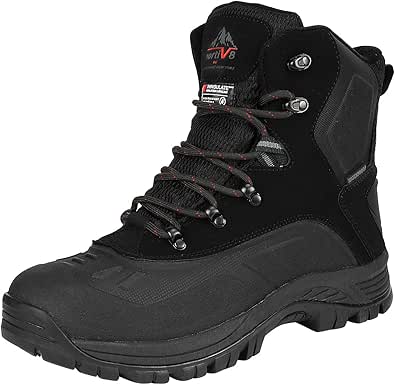 | Best for Extreme Cold | Brand: NORTIV 8 | Waterproofing: Yes | Insulation: 200 g | VIEW LATEST PRICE | See Our Full Breakdown |
| Columbia Men’s Transverse Hike Waterproof Hiking Shoes |  | Best for Everyday Trail Wear | Brand: Columbia | Waterproofing: Omni-Tech, seam-sealed, breathable | Sole material: Rubber (Omni-Grip) | VIEW LATEST PRICE | See Our Full Breakdown |
| Columbia Men’s Transverse Hike Waterproof Hiking Shoe |  | Best for Fast Day Hikes | Brand: Columbia | Waterproofing: OMNI-TECH seam-sealed, breathable | Sole material: Rubber (OMNI-GRIP) | VIEW LATEST PRICE | See Our Full Breakdown |
| NORTIV 8 Men’s Waterproof Ankle-High Hiking Boots |  | Best Budget-Friendly Starter Boot | Brand: NORTIV 8 | Waterproofing: Yes | Fabric: Fabric and synthetic | VIEW LATEST PRICE | See Our Full Breakdown |
| NORTIV 8 Men’s Mid Top Waterproof Hiking Boots |  | Best Budget All-Rounder | Sole Material: Rubber | Shaft Height: Ankle (mid-top) | Shaft Circumference: 27 cm | VIEW LATEST PRICE | See Our Full Breakdown |
| Men’s Waterproof Mid Ankle Hiking Boots |  | Best Lightweight Leather Option | Weight: 17 oz per boot (size 9) | Sole Material: Rubber | Outer Material: Leather / suede | VIEW LATEST PRICE | See Our Full Breakdown |
| URDAR Men’s Lightweight Waterproof Hiking Boots |  | Best for Everyday Wear and Casual Trails | Brand: URDAR | Type: Men’s hiking boots | Waterproof: Yes | VIEW LATEST PRICE | See Our Full Breakdown |
| NORTIV 8 Men’s Waterproof Ankle Hiking Boots | | Best Value for Foot Fatigue Relief | Sole Material: Rubber | Shaft Height: Ankle | Shaft Circumference: Approximately 10 inches | VIEW LATEST PRICE | See Our Full Breakdown |
| Columbia Men’s Transverse Waterproof Hiking Boots | 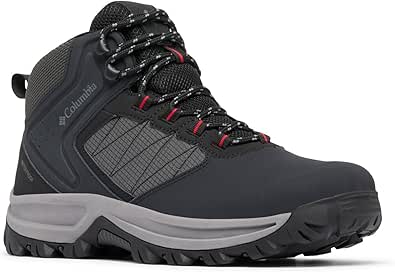 | Best Brand-Backed Trail Boot | Sole Material: Rubber | Shaft Height: Ankle | Upper Material: Leather and mesh | VIEW LATEST PRICE | See Our Full Breakdown |
| waterproof hiking boots for men | Shaft height | Sole material | Waterproofing | Insole |
|---|---|---|---|---|
| Merrell Men’s Moab 3 Mid Water | — | — | Waterproof membrane | Removable Kinetic Fit ADVANCED contoured insole |
| Skechers Men’s Relment-Pelmo C | Ankle-high | — | — | Memory foam |
| NORTIV 8 Men’s Waterproof Ligh | Ankle | EVA, Rubber | Waterproof membrane | Removable cushioned |
| NORTIV 8 Men’s Waterproof Ligh | Ankle | EVA and rubber | — | Flexible and removable |
| Columbia Men’s Fairbanks Mid H | Ankle/Mid | Rubber | Omni-Tech multilayered, seam-sealed construction | — |
| Columbia Men’s Transverse Hike | Ankle | Rubber (Omni-Grip) | Omni-Tech seam-sealed, breathable | — |
| NORTIV 8 Men’s Waterproof Wint | Ankle | EVA and rubber | Yes | Removable and washable |
| Columbia Men’s Transverse Hike | Ankle | Rubber (Omni-Grip) | Omni-Tech, seam-sealed, breathable | — |
| Columbia Men’s Transverse Hike | Ankle | Rubber (OMNI-GRIP) | OMNI-TECH seam-sealed, breathable | — |
| NORTIV 8 Men’s Waterproof Ankl | Ankle | EVA and rubber | Yes | Removable, shock-absorbent cushioned |
| NORTIV 8 Men’s Mid Top Waterpr | Ankle (mid-top) | Rubber | — | Removable, cushioned |
| Men’s Waterproof Mid Ankle Hik | — | Rubber | OJ-TEX membrane | Removable memory foam |
| URDAR Men’s Lightweight Waterp | Ankle | Rubber | — | — |
| NORTIV 8 Men’s Waterproof Ankl | Ankle | Rubber | — | Removable, shock-absorbent |
| Columbia Men’s Transverse Wate | Ankle | Rubber | — | — |
More Details on Our Top Picks
Merrell Men’s Moab 3 Mid Waterproof Hiking Boots
The Moab 3 Mid Waterproof earns the top spot because it solves the problem most budget boots in this roundup ignore: keeping water out without trapping sweat. Its breathable waterproof membrane lets vapor escape, which matters on long hikes where clammy socks cause blisters as often as rain does. The Vibram TC5+ outsole is a genuine step up from the generic rubber soles on the NORTIV 8 and Columbia Fairbanks, delivering confident grip on wet rock and loose gravel. Compared with the Skechers Relment-Pelmo, the molded nylon arch shank gives it far better stability under a loaded pack. The tradeoff is weight and price — this is a serious trail boot, not a casual shoe, and the pigskin leather and mesh upper needs care to last.
Pros:- Breathable waterproof membrane keeps rain out while letting sweat escape
- Vibram TC5+ rubber outsole delivers proven traction on wet and varied terrain
- Molded nylon arch shank adds stability for loaded hikes
- Contoured removable insole with reinforced heel cushioning supports long days
Cons:- Heavier and more expensive than lightweight options like the NORTIV 8
- Pigskin leather and mesh upper requires regular care for durability
Best for: Regular hikers who want true all-day trail performance with breathable waterproofing
Not ideal for: Buyers on a tight budget or those wanting a light shoe for short urban walks in rain
- Upper:Pigskin leather and mesh
- Waterproofing:Waterproof membrane
- Outsole:Vibram TC5+ rubber
- Midsole:Lightweight EVA foam
- Insole:Removable Kinetic Fit ADVANCED contoured insole
- Support:Molded nylon arch shank
- Sustainability:Recycled laces, webbing, and mesh lining
Our verdict“If you hike weekly and need one boot that handles rain, rock, and long miles, this is the one to buy.”
Skechers Men’s Relment-Pelmo Chukka Boot
Skechers isn’t a traditional hiking brand, and that’s exactly why this pick stands out. The Relment-Pelmo behaves like a walking shoe wearing a boot’s body: the memory foam insole and Relaxed Fit last make it noticeably friendlier for wide or tired feet than the trimmer Columbia Fairbanks Mid. Where the Merrell Moab 3 prioritizes trail support, this chukka prioritizes all-day ease on flat ground — dog walks, errands in drizzle, light gravel paths. The waterproof suede does keep feet dry in showers, but it demands regular cleaning and treatment to stay that way, and there’s no aggressive lug pattern for muddy descents. Think of it as the comfort-first choice that happens to be waterproof, rather than a technical hiker.
Pros:- Memory foam insole provides immediate, sneaker-like comfort
- Relaxed Fit design suits wide feet better than most hiking lasts
- Waterproof suede upper handles rain and puddles
- Chukka styling works for casual outfits as well as trails
Cons:- Suede upper needs regular care to maintain waterproofing and appearance
- Limited ankle structure and tread for serious or steep trails
Best for: Men with wide feet who want waterproof, cushioned footwear for daily wear and light trails
Not ideal for: Hikers tackling steep, rocky, or muddy terrain — the sole lacks technical grip
- Brand:Skechers
- Upper:100% waterproof sport suede
- Sole:Durable rubber
- Shaft height:Ankle-high
- Waterproof:Yes
- Insole:Memory foam
- Fit:Relaxed Fit
Our verdict“This makes the most sense for comfort-driven buyers who walk more than they hike but still want dry feet.”
NORTIV 8 Men’s Waterproof Lightweight Hiking Boots
Value here means getting the essentials right without paying for brand-name outsoles. This NORTIV 8 model covers the waterproofing basics with a membrane that keeps mud and puddles out, then adds a rubber toe cap and reinforced heel — protective features the Skechers Relment-Pelmo skips entirely. Its slip-resistant multi-directional outsole grips reasonably well on varied ground, though it doesn’t match the Vibram rubber on the Merrell Moab 3 in longevity or wet-rock bite. The shock-absorbent MD midsole and removable cushioned insole keep it comfortable for day hikes and weekend camping. The honest tradeoff: the suede and faux leather upper looks the part but needs routine maintenance, and durability over many hard seasons is less proven than pricier rivals.
Pros:- Waterproof membrane keeps feet dry in mud and shallow water
- Rubber toe cap and reinforced heel add real protection on rocky ground
- Slip-resistant outsole with multi-directional traction lugs
- Removable cushioned insole and shock-absorbent MD midsole
Cons:- Suede and faux leather exterior requires regular cleaning and treatment
- Long-term durability trails premium options like the Merrell Moab 3
Best for: Occasional hikers and campers who want waterproof protection and toe protection without a premium price
Not ideal for: Frequent backpackers who need a boot that survives years of hard trail use
- Sole material:EVA, Rubber
- Outer material:Suede, faux leather
- Shaft height:Ankle
- Shaft circumference:30.8 cm
- Waterproofing:Waterproof membrane
- Traction:Slip-resistant rubber, multi-directional lugs
- Midsole:Shock-absorbent MD
- Insole:Removable cushioned
Our verdict“A sensible pick for weekend adventurers who want protection and waterproofing at a modest outlay.”
NORTIV 8 Men’s Waterproof Lightweight Hiking Boots (Classic)
First-time hikers need a boot that forgives mistakes, and this NORTIV 8 model is built around that idea. The lightweight EVA-and-rubber construction means less fatigue on early trails, while the flexible removable insole and shock-absorbing midsole soften the learning curve that stiff boots like the Merrell Moab 3 can make punishing. Compared with its sibling (the B0CC8ZXB2T version), the layout is nearly identical — waterproof membrane, toe cap, multi-directional outsole — so the choice between them comes down to fit and availability rather than performance. The reinforced heel gives new hikers a stable platform on uneven ground. What it can’t do is replace a technical hiker: the ankle height is modest, and the faux leather upper shows wear faster than full-grain alternatives.
Pros:- Lightweight build reduces fatigue for newer hikers
- Waterproof membrane handles creek crossings and mud
- Reinforced heel and rubber toe cap add stability and protection
- Flexible removable insole and shock-absorbent midsole suit breaking in gently
Cons:- Lower ankle support than mid-height boots like the Moab 3 Mid
- Suede and faux leather upper is prone to scuffing and needs upkeep
Best for: New hikers building up trail miles who want a light, forgiving, waterproof first boot
Not ideal for: Experienced trekkers carrying heavy packs over rough, sustained terrain
- Sole material:EVA and rubber
- Outer material:Suede and faux leather
- Shaft height:Ankle
- Shaft circumference:30.8 cm
- Waterproof:Yes (membrane)
- Outsole:Rubber with multi-directional traction
- Insole:Flexible and removable
- Midsole:Shock-absorbent MD
Our verdict“A low-risk first hiking boot that gets beginners onto trails comfortably and dry.”
Columbia Men’s Fairbanks Mid Hiking Boots
The Fairbanks Mid occupies the middle ground between a sneaker and a hiker better than anything else here. Columbia’s Omni-Tech seam-sealed construction handles moderate rain and snow, while TechLite cushioning returns energy on pavement — a combination that makes it the obvious pick if your day mixes sidewalks, commutes, and gravel paths. Against the NORTIV 8 options, it feels more refined and better styled for everyday wear; against the Merrell Moab 3, it’s lighter but far less capable on rough trail. That positioning is also its limit: water protection is rated for moderate conditions, so sustained downpours or deep slush will eventually find a way in. Buyers needing serious weather performance should step up to a dedicated winter or technical boot.
Pros:- Omni-Tech multilayered seam-sealed waterproofing for rain and light snow
- TechLite midsole cushioning with high energy return for long days on foot
- Omni-Grip outsole handles both wet and dry surfaces
- Sleek silhouette transitions naturally to everyday casual wear
Cons:- Waterproofing is only rated for moderate conditions, not sustained storms
- Less ankle support and trail aggression than the Merrell Moab 3 Mid
Best for: Men who split their time between city streets and light trails and want one stylish waterproof boot
Not ideal for: Hikers facing heavy sustained rain, deep snow, or rugged mountain terrain
- Sole material:Rubber
- Shaft height:Ankle/Mid
- Waterproofing:Omni-Tech multilayered, seam-sealed construction
- Cushioning:TechLite lightweight impact absorption
- Traction:Omni-Grip for wet and dry terrain
- Origin:Imported
Our verdict“The right choice for buyers who want a waterproof boot that looks as natural at a café as on a trailhead.”
Columbia Men’s Transverse Hike Waterproof Hiking Shoe
This option stands out as the lightest-feeling pick in this batch, thanks to TechLite cushioning that returns energy without adding bulk underfoot. Compared with the NORTIV 8 Winter Hiking Boots, it skips insulation entirely, which makes it far better suited to three-season trails where breathability matters more than warmth. The Omni-Tech seam-sealed membrane handles rain, puddles, and light snow, while the Omni-Grip outsole holds its own on wet rock and gravel. The tradeoff is structural: an ankle-height cut gives up the support that a mid-cut like the Merrell Moab 3 Mid provides, so rocky, uneven descents demand more from your ankles. For day hikers moving fast on maintained trails, that tradeoff feels reasonable. For backpackers hauling a heavy load, it doesn’t.
Pros:- Omni-Tech seam-sealed membrane keeps feet dry while staying breathable
- TechLite cushioning is light with strong energy return
- Omni-Grip outsole grips wet and dry terrain reliably
- Leather and mesh upper with metal hardware and quality stitching
Cons:- Ankle-height shaft provides less support than mid-cut boots
- No insulation, so it’s a poor match for deep-winter conditions
Best for: Day hikers and fast-packers who want waterproofing without the weight of a mid-cut boot
Not ideal for: Backpackers carrying heavy loads over rocky terrain — the low ankle cut offers limited support
- Brand:Columbia
- Waterproofing:Omni-Tech seam-sealed, breathable
- Sole material:Rubber (Omni-Grip)
- Upper:Leather and mesh
- Shaft height:Ankle
- Cushioning:TechLite lightweight midsole
- Origin:Imported
Our verdict“This pick makes the most sense for agile day hikers who prioritize low weight and waterproofing over ankle protection.”
NORTIV 8 Men’s Waterproof Winter Hiking Boots
Where the Columbia Transverse Hike is built for mild, fast trails, this model leans the opposite direction with 200 g insulation rated down to -25°F, making it the coldest-weather option in this group. The synthetic toe cap and faux-leather-and-mesh upper add durability where winter abuse hits hardest, and the removable, washable insoles are a practical touch after sweaty, slushy outings — something none of the Columbia picks offer. Tradeoffs are real: insulation means heat and sweat on warmer days, and the ankle-height shaft still can’t match the support of the Merrell Moab 3 Mid. Compared with the standard NORTIV 8 Ankle-High boots, the winter insulation is the clear differentiator, so choosing between them comes down to whether cold weather is a regular part of your hiking calendar.
Pros:- 200 g insulation rated for temperatures as low as -25°F
- Waterproof construction with protective synthetic toe caps
- Removable, washable insoles for easy cleanup
- Flexible slip-resistant rubber outsole handles varied winter terrain
Cons:- Insulation causes overheating above freezing
- Ankle-height cut gives less support than mid-cut winter alternatives
Best for: Winter hikers and snowshoers who regularly face subzero temperatures and slush
Not ideal for: Warm-weather or summer hikers — the insulation will make feet overheat and sweat
- Brand:NORTIV 8
- Waterproofing:Yes
- Insulation:200 g
- Outer material:Faux leather and mesh
- Sole material:EVA and rubber
- Insole:Removable and washable
- Shaft height:Ankle
Our verdict“Choose this boot if subzero trails are your norm; skip it if your hikes stay above freezing.”
Columbia Men’s Transverse Hike Waterproof Hiking Shoes
Same platform as the other Transverse Hike listings, but this version earns its spot as the everyday-casual pick — the leather-and-mesh upper with metal hardware looks as natural running errands as it does on a local trail. Like the Skechers Relment-Pelmo Chukka, it doubles as a lifestyle shoe, but it pulls ahead on technical ground: the Omni-Tech seam-sealed membrane is genuinely waterproof-breathable, and the Omni-Grip rubber outsole bites into wet dirt and gravel with more confidence than a casual chukka can manage. The cushioned collar makes all-day wear comfortable without the break-in period a full-leather boot demands. The honest weakness remains the low-cut silhouette — anyone comparing this against the Columbia Fairbanks Mid should know they’re trading ankle support for wear-anywhere versatility. Buyers preferring domestically made footwear will also want to look elsewhere.
Pros:- Versatile styling that works on and off the trail
- Omni-Tech waterproofing stays breathable through rain and snow
- Cushioned collar and TechLite midsole keep long days comfortable
- Durable metal hardware and quality stitching
Cons:- Ankle-height cut offers less support than mid-cut alternatives
- Imported origin may matter to buyers seeking domestic manufacturing
Best for: Men who want one waterproof shoe for commutes, dog walks, and casual weekend trails
Not ideal for: Hikers who need real ankle support on technical or uneven terrain
- Brand:Columbia
- Waterproofing:Omni-Tech, seam-sealed, breathable
- Sole material:Rubber (Omni-Grip)
- Upper material:Leather and mesh
- Shaft height:Ankle
- Cushioning:TechLite lightweight
- Origin:Imported
Our verdict“This is the pick for buyers who want trail-capable waterproofing in a shoe that fits daily life, not just the backcountry.”
Columbia Men’s Transverse Hike Waterproof Hiking Shoe
Think of this listing as the performance-oriented expression of the Transverse line — the TechLite cushioning and light overall build are aimed at hikers who measure their outings in miles per hour. Compared with the NORTIV 8 Ankle-High boots, the fit is snugger and more athletic, with an Omni-Grip outsole tuned for quick footwork on mixed wet-and-dry terrain. The OMNI-TECH seam-sealed construction holds up through stream crossings and sustained rain without the swampy feeling cheaper membranes often produce. Still, the physics don’t lie: an ankle-height shaft on a lightweight chassis means less stability when the trail turns rugged, so buyers comparing this with the NORTIV 8 Mid Top should expect a real drop-off in support under a loaded pack. For fast-and-light day missions, that’s an acceptable compromise.
Pros:- Lightweight TECHLITE cushioning delivers strong energy return over long miles
- Seam-sealed yet breathable OMNI-TECH membrane
- OMNI-GRIP outsole performs in both wet and dry conditions
- Well-stitched leather and mesh upper built to last
Cons:- Low-cut design sacrifices stability on rough, uneven trails
- No insulation limits winter use
Best for: Speed-oriented day hikers covering long distances quickly on moderate trails
Not ideal for: Slow-and-steady backpackers with heavy packs who need maximum stability
- Brand:Columbia
- Waterproofing:OMNI-TECH seam-sealed, breathable
- Sole material:Rubber (OMNI-GRIP)
- Upper material:Leather and mesh
- Shaft height:Ankle
- Cushioning:TECHLITE lightweight
- Origin:Imported
Our verdict“Best for hikers who move fast and light and accept reduced ankle support in exchange for speed.”
NORTIV 8 Men’s Waterproof Ankle-High Hiking Boots
This model is the approachable entry point of the group — no insulation, no premium membrane branding, just the basics done sensibly: a waterproof build, shock-absorbent removable insoles, and a lightweight EVA midsole that reduces foot fatigue for newer hikers still building trail legs. Compared with the Columbia Transverse Hike, it lacks a named waterproof-breathable membrane and the energy-return cushioning, so sustained downpours and long high-mileage days expose the gap. But it out-comforts most bare-bones boots at this level, and the slip-resistant rubber outsole grips wet mud well — arguably its strongest trait for sloppy spring trails. The ankle-height shaft, like every low-cut option here, offers less protection than the Merrell Moab 3 Mid. For someone testing whether hiking is their thing before spending more, this boot is a rational first step.
Pros:- Waterproof construction for wet trails and puddles
- Removable, shock-absorbent cushioned insoles
- Lightweight EVA midsoles reduce foot fatigue
- Slip-resistant rubber soles grip wet and muddy ground
Cons:- No branded waterproof-breathable membrane, so breathability is limited
- Build quality is basic compared with leather-upper alternatives like the Columbia Transverse
Best for: New hikers wanting a comfortable, low-commitment waterproof boot for occasional weekend outings
Not ideal for: Experienced all-weather hikers who need a proven breathable membrane and heavy-duty durability
- Brand:NORTIV 8
- Waterproofing:Yes
- Fabric:Fabric and synthetic
- Sole material:EVA and rubber
- Insole:Removable, shock-absorbent cushioned
- Shaft height:Ankle
- Origin:Imported
Our verdict“A sensible starter boot for casual weekend hikers who want waterproofing and comfort without a premium outlay.”
NORTIV 8 Men’s Mid Top Waterproof Hiking Boots
This option stands out for buyers who want full waterproofing and protective hardware without paying premium-brand money. The reinforced toe cap and heel put it a step above the softer URDAR boots for rocky trails, and the multi-directional lug pattern grips in directions cheaper flat-soled boots can’t. Compared with the NORTIV 8 ankle-high model in this lineup, the mid-top shaft gives noticeably better ankle protection on uneven ground. The tradeoff is honest: this is faux leather and nylon, not the real thing, so it won’t age like the suede leather boots elsewhere in this guide, and the fit runs narrow enough that wide-footed hikers should size carefully or plan on a break-in period.
Pros:- Waterproof membrane construction keeps feet dry through puddles and sustained rain
- Multi-directional lug outsole grips on slippery, uneven ground
- Reinforced toe cap and heel add real protection against rock strikes
- Removable arch-support insole allows custom orthotics and all-day comfort
Cons:- Runs narrow and needs a break-in period for some foot shapes
- Faux leather upper is less durable and less abrasion-resistant than genuine leather over the long haul
Best for: Budget-conscious day hikers who want toe protection and ankle support on rocky or rooty trails without paying for a premium leather boot
Not ideal for: Wide-footed hikers who hate break-in periods, or anyone who wants genuine leather that ages and resists abrasion over years of hard use
- Sole Material:Rubber
- Shaft Height:Ankle (mid-top)
- Shaft Circumference:27 cm
- Outer Material:Faux leather and nylon
- Waterproof:Yes
- Midsole:MD (flexible)
- Insole:Removable, cushioned
Our verdict“A smart pick for hikers who want rugged, waterproof protection on a budget — as long as your feet aren’t wide.”
Men’s Waterproof Mid Ankle Hiking Boots
At 17 oz per boot, this model makes the most sense for hikers who love the look and protection of leather but hate the weight — it’s roughly 20% lighter than traditional leather boots. Compared with the Columbia Transverse, which uses a leather-and-mesh upper, this boot’s full suede construction with rubber toe and heel caps feels more armor-like on technical terrain, while the memory foam insole gives it a plusher step-in feel. The OJ-TEX membrane handles rain, puddles, and shallow stream crossings well. Be realistic about the limits, though: that waterproofing is rated for shallow water, not sustained submersion, and suede demands regular cleaning and treatment that synthetic uppers like the URDAR’s microfiber skip entirely.
Pros:- 17 oz per boot makes it one of the lightest leather options available
- OJ-TEX membrane blocks rain, puddles, and shallow stream crossings
- Deep-lug full rubber outsole holds firm on rocky, muddy terrain
- Rubber toe and heel caps plus a padded tongue block impacts and debris
Cons:- Suede upper requires regular cleaning and waterproofing treatment to stay performing
- Waterproofing is not rated for deep water or sustained submersion
Best for: Hikers and travelers covering long daily mileage who want genuine leather protection without the weight of a traditional backpacking boot
Not ideal for: Anyone unwilling to maintain suede, or hikers who regularly ford deeper streams where shallow-rated waterproofing falls short
- Weight:17 oz per boot (size 9)
- Sole Material:Rubber
- Outer Material:Leather / suede
- Waterproofing:OJ-TEX membrane
- Insole:Removable memory foam
- Midsole:High-rebound EVA
- Boot Height:Mid ankle
Our verdict“The clear choice if you want leather-boot durability at running-shoe weight — just commit to the upkeep.”
URDAR Men’s Lightweight Waterproof Hiking Boots
This model is better suited to daily walking, dog walks, and casual day hikes than to technical terrain. The microfiber upper keeps the weight low and dries faster than the suede used on the 17-oz leather boots above, while the removable arch-support footbed and contoured heel deliver the kind of all-day stability that matters most when you’re on your feet for hours on pavement and gravel paths rather than scrambling over scree. Compared with the NORTIV 8 mid-top, it sacrifices the reinforced toe cap and higher ankle coverage — that’s the price of a lighter, more shoe-like feel. Traction from the lugged rubber outsole is dependable on wet and muddy ground, though it isn’t tuned for the aggressive off-camber grip serious trail work demands.
Pros:- Waterproof microfiber upper dries quickly and resists staining
- Lugged rubber outsole grips wet, muddy, and gravel surfaces
- EVA midsole absorbs shock on long days on your feet
- Removable arch-support footbed and contoured heel improve stability and accommodate orthotics
Cons:- No reinforced toe cap or heel guard, leaving feet more exposed on rocky terrain
- Cushioned, flexible build lacks the support needed for heavy packs or rugged trails
Best for: Men who want one waterproof boot for everyday walking, commuting in bad weather, and occasional light trail use
Not ideal for: Backpackers or technical hikers who need toe protection, stiff support under heavy loads, and aggressive sole lugs
- Brand:URDAR
- Type:Men’s hiking boots
- Waterproof:Yes
- Upper Material:Microfiber
- Sole Material:Rubber
- Midsole:EVA
- Shaft Height:Ankle
- Footbed:Removable arch-support footbed
Our verdict“A comfortable everyday waterproof boot that doubles for light trails — not a tool for demanding hikes.”
NORTIV 8 Men’s Waterproof Ankle Hiking Boots
What separates this model from its NORTIV 8 mid-top sibling is the focus on shock absorption for long days: the removable shock-absorbent insole paired with a flexible EVA midsole is specifically tuned to reduce foot fatigue, making this pick the better choice for hikers who log long, steady miles on moderate terrain rather than short rocky scrambles. The nylon-and-faux-leather upper keeps weight and cost down compared with the suede boots earlier in this guide, and the rubber sole holds its own on wet and muddy ground. The honest tradeoff is durability and support: without a reinforced toe cap or stiff shank, this boot is happiest on well-maintained trails and gravel paths, not jagged terrain where the mid-top NORTIV 8’s armor earns its keep.
Pros:- Shock-absorbent removable insoles noticeably reduce foot fatigue on long hikes
- Flexible EVA midsole cushions without feeling stiff or restrictive
- Rubber outsoles deliver dependable traction on wet or muddy terrain
- Versatile enough for hiking, camping, yard work, and general outdoor use
Cons:- Lacks reinforced toe and heel protection for rocky or abusive terrain
- Nylon and faux leather upper is less durable than genuine leather alternatives
Best for: Hikers and walkers prone to sore feet who prioritize cushioning over armor for long miles on moderate trails
Not ideal for: Technical hikers who need toe protection and torsional stiffness for rocky, off-trail routes
- Sole Material:Rubber
- Shaft Height:Ankle
- Shaft Circumference:Approximately 10 inches
- Outer Material:Nylon and faux leather
- Waterproof:Yes
- Midsole:Flexible EVA
- Insole:Removable, shock-absorbent
Our verdict“The value pick for cushioning-first hikers covering long, moderate miles — skip it for rocky technical routes.”
Columbia Men’s Transverse Waterproof Hiking Boots
This option stands out for buyers who want a proven technology stack from a major outdoor brand: Omni-Tech waterproofing, TechLite cushioning, and Omni-Grip traction all work together as a designed system, rather than the pieced-together membranes on the budget boots in this guide. The leather-and-mesh upper makes it more breathable than the all-synthetic NORTIV 8 models, which matters on warmer days and longer climbs. Compared with the 17-oz leather boots above, the Transverse leans lighter and more nimble but gives up some of that boot’s impact armor. The main limitation is exposure: this construction is built for moderate rain and snow, so hikers facing all-day downpours or deep slush will want something more heavily sealed.
Pros:- Omni-Tech seam-sealed waterproofing from an established technology platform
- Breathable leather-and-mesh upper reduces sweat on warm climbs
- TechLite cushioning is lightweight and returns energy with each step
- Omni-Grip rubber outsole performs across both wet and dry surfaces
Cons:- Waterproofing is designed for moderate rain and snow, not sustained severe weather
- Leather-and-mesh upper is less protective on rocky, abrasive terrain than full-leather builds
Best for: Hikers who want trusted brand engineering, breathability, and comfort for three-season trails with moderate rain and snow
Not ideal for: Hikers facing sustained heavy downpours, deep snow, or deep stream crossings that exceed the moderate-exposure rating
- Sole Material:Rubber
- Shaft Height:Ankle
- Upper Material:Leather and mesh
- Waterproof Technology:Omni-Tech
- Cushioning Technology:TechLite
- Traction Technology:Omni-Grip
- Origin:Imported
Our verdict“A reliable, breathable choice from a brand with a real track record — ideal for three-season trails, not extreme wet-weather expeditions.”

How We Picked
I evaluated every boot in this lineup against five buyer-relevant criteria: waterproof performance (membrane reliability over sustained wet exposure, not just a splash test), traction (outsole lug pattern and grip on wet rock, mud, and loose gravel), support and fit (ankle height, midsole stiffness, and how forgiving the last is for wider or narrower feet), durability (upper materials, stitching quality, and how well the sole attachment holds up over a hiking season), and value — whether the performance justifies the price relative to the rest of the field. A cheap boot that waterproofs well but delaminates in six months scores worse than a pricier boot that lasts three seasons.
The ranking order follows a simple logic: the best overall pick had to balance all five criteria without a disqualifying weakness, while category winners (value, winter, lightweight, beginner) were ranked by how decisively they win their specific use case — even when they fall short elsewhere. Several near-duplicate models from the same brands appear in this roundup because they genuinely differ in cut, insulation, and intended season, and I’ve flagged where those differences are real versus cosmetic.
| waterproof hiking boots for men | Waterproofing | Shaft height | Sole material |
|---|---|---|---|
| Merrell Men’s Moab 3 Mid Water | Waterproof membrane | — | — |
| Skechers Men’s Relment-Pelmo C | — | Ankle-high | — |
| NORTIV 8 Men’s Waterproof Ligh | Waterproof membrane | Ankle | EVA, Rubber |
| NORTIV 8 Men’s Waterproof Ligh | — | Ankle | EVA and rubber |
| Columbia Men’s Fairbanks Mid H | Omni-Tech multilayered, seam-sealed construction | Ankle/Mid | Rubber |
| Columbia Men’s Transverse Hike | Omni-Tech seam-sealed, breathable | Ankle | Rubber (Omni-Grip) |
| NORTIV 8 Men’s Waterproof Wint | Yes | Ankle | EVA and rubber |
| Columbia Men’s Transverse Hike | Omni-Tech, seam-sealed, breathable | Ankle | Rubber (Omni-Grip) |
| Columbia Men’s Transverse Hike | OMNI-TECH seam-sealed, breathable | Ankle | Rubber (OMNI-GRIP) |
| NORTIV 8 Men’s Waterproof Ankl | Yes | Ankle | EVA and rubber |
| NORTIV 8 Men’s Mid Top Waterpr | — | Ankle (mid-top) | Rubber |
| Men’s Waterproof Mid Ankle Hik | OJ-TEX membrane | — | Rubber |
| URDAR Men’s Lightweight Waterp | — | Ankle | Rubber |
| NORTIV 8 Men’s Waterproof Ankl | — | Ankle | Rubber |
| Columbia Men’s Transverse Wate | — | Ankle | Rubber |
Factors to Consider When Choosing Waterproof Hiking Boots For Men
Before settling on a pair, it helps to understand what actually separates a good waterproof hiking boot from an expensive mistake. These are the factors that shaped the rankings above — and the ones buyers most often get wrong.Waterproofing vs. Breathability: The Tradeoff You Can’t Escape
Every waterproof membrane works the same basic way: it blocks liquid water from entering while letting some water vapor from sweat escape. In practice, no membrane does the second part well enough for hot-weather, high-output hiking, which is why nearly every boot in this roundup runs warmer than its non-waterproof counterpart. The mistake buyers make is choosing waterproofing for every hike regardless of conditions — if you mostly hike in dry summer climates, a waterproof boot will leave your feet wetter from sweat than rain ever would. Waterproofing earns its premium in wet seasons, stream-crossing terrain, snow, and mud. Match the membrane to your actual conditions, not to the idea of maximum protection.
Boot Height and Ankle Support: Cut Matters More Than Marketing
Low-cut waterproof shoes like the Transverse Hike models shine on maintained trails with light packs, but they offer almost no ankle protection on rocky or root-heavy terrain. Mid-cut boots such as the Moab 3 Mid and the taller NORTIV 8 models wrap the ankle and keep debris out, which matters more than many hikers realize — a twisted ankle ends a trip, while a sore arch doesn’t. The common mistake is equating boot height with support: a tall boot with a soft, floppy midsole supports less than a low boot with a stiff one. Height and midsole stiffness need to work together, so judge both. If you carry more than about 20 pounds, favor a mid cut with a firm midsole regardless of how light the low-cut options feel in the store.
Outsole Traction: Where Cheap Boots Quietly Cut Corners
Outsole compound and lug design are the first places budget manufacturers save money, and it’s the hardest thing to judge from a product photo. Deep, multi-directional lugs with spaced channels shed mud and grip loose ground; shallow or overly stiff lugs skate on wet rock even when the boot is brand new. Premium boots often use named rubber compounds because the rubber’s tackiness — not just the tread pattern — determines wet-surface grip. Before buying any budget pair, look at how the lugs wrap up the toe and heel: boots with lugs only on the flat bottom slip badly on descents. This single factor explains much of the gap between the top-ranked boots and the cheapest entries in this guide.
Fit and Sizing: The Most Common Reason Boots Get Returned
Feet swell on long descents, so a hiking boot should fit snug at the heel with roughly a thumb’s width of room in front of the toes — buying your exact street-shoe size is a frequent error that leads to bruised toenails on downhill miles. Brand sizing also varies more than most buyers expect: within this roundup alone, Merrell accommodates wider feet well, Columbia trends narrower through the toe box, and budget unbranded models have the least consistent sizing. If you have wide feet, check whether a wide width exists before committing to a standard model, because waterproof uppers stretch far less than mesh ones and won’t loosen much over time. Trying boots with the socks you actually hike in changes fit noticeably compared to thin dress socks.
Insulation and Season: Don’t Buy One Boot for All Weather
Insulated models like the NORTIV 8 winter boot keep feet warm in snow and sub-freezing temperatures, but that same insulation makes them miserable above roughly 50°F, where they turn into portable saunas. Most three-season hikers are better served by a non-insulated waterproof boot plus a good wool sock system, which handles a far wider temperature range. Insulation also adds weight and bulk that slows you down on mixed terrain. The buyers who genuinely need insulated boots are those hiking in snow, standing in cold water, or winter camping — everyone else is paying a versatility penalty for warmth they’ll rarely use. Decide your dominant season first, then pick the boot.
Durability and Total Cost of Ownership
A boot’s lifespan is usually determined by three failure points: the membrane leaking at the flex point, the outsole separating from the midsole, and the upper’s stitching or lace hardware giving out. Cheaper boots typically fail at the sole bond within a year of regular use, which is why an inexpensive pair can cost more per mile than a durable premium one. Cleaning mud off after hikes and drying boots at room temperature — never next to a heater, which cracks the membrane — extends any boot’s life by seasons. Resoleable or heavily stitched constructions last longer than glued-only builds. When comparing prices, divide by expected years of use rather than judging the sticker price alone.
Frequently Asked Questions
Are cheap waterproof hiking boots actually waterproof, or will my feet get wet anyway?
Most budget waterproof boots — including the NORTIV 8 models in this roundup — do keep rain, puddles, and mud out when new, because basic membrane technology has become genuinely affordable. Where they fall short is longevity: after several months of flexing, the membrane at the ball of the foot tends to be the first failure point, and cheaper boots often can’t be re-waterproofed effectively. Premium boots use more durable membranes and better-sealed seams, so they stay waterproof for multiple seasons instead of one. If you hike in wet conditions only occasionally, a budget boot is a reasonable bet; if you hike wet trails weekly, paying more up front usually costs less per season. Treat any boot with a DWR spray periodically and dry it properly, and even a budget membrane will outlast its warranty.
Should I buy a mid-cut boot or a low-cut waterproof hiking shoe?
This comes down to terrain and pack weight more than anything else. Low-cut waterproof shoes like the Columbia Transverse models are lighter, cooler, and faster on well-maintained trails with a daypack — but they leave your ankles exposed on rocky, rooty, or steep ground, and they invite debris inside on loose terrain. Mid-cut boots like the Merrell Moab 3 Mid and the taller NORTIV 8 options add ankle coverage, better debris protection, and usually a stiffer midsole, which matters most when you’re carrying a loaded pack or hiking long descents. A useful rule: day hikes on gentler trails favor low-cut; anything rocky, muddy, or backpacking-weight favors mid-cut. If you own only one pair, the mid-cut is the safer all-around choice because it does everything the low-cut does, just slightly heavier.
How do I know which size to order when I can’t try boots on first?
Start by sizing hiking boots a half size up from your everyday shoes, because feet swell on long hikes and downhill miles compress toes against the front of the boot. Then adjust for the brand: within this roundup, Merrell fits wider feet comfortably, Columbia runs slightly narrow in the toe box, and unbranded budget models have the widest size variance — order from a retailer with free exchanges for those. Always try the boots with the actual hiking socks you’ll wear, since a midweight wool sock can change fit by nearly a half size. Walk downhill on an incline or stair before the return window closes — heel lift or toe contact shows up immediately on descents, not on flat carpet. Waterproof uppers barely stretch, so don’t count on the boot breaking in to fix a poor fit.
Do I need an insulated winter hiking boot if I hike year-round?
Usually no — insulated boots like the NORTIV 8 winter model are built for sustained snow, slush, and sub-freezing temperatures, and they become uncomfortably hot above roughly 50°F. For year-round hikers, a non-insulated waterproof boot paired with midweight or heavyweight merino wool socks covers a surprisingly wide temperature range, because the sock does the adapting rather than the boot. Insulation only pays off if you’re winter camping, standing in snow for hours, or hiking through slush regularly. One insulated pair plus one three-season pair is the ideal setup, but if you’re buying a single do-everything boot, choose the non-insulated version. Heat-trapping boots in warm weather cause sweat, blisters, and soaked socks — the exact problem you bought waterproofing to avoid.
How long should a good pair of waterproof hiking boots last, and how do I extend their life?
A quality mid-tier boot like the Merrell Moab 3 Mid should deliver roughly 500 to 800 miles of trail use before the outsole or membrane shows real decline, while very cheap boots often start failing at the sole bond within a year of regular hiking. The three habits that extend life the most: rinse off mud after hikes rather than letting it dry into the leather and stitching, dry boots at room temperature away from heaters and direct sun (heat cracks the membrane and delaminates soles), and rotate between two pairs if you hike frequently so each fully dries between uses. Reapplying a DWR treatment once or twice a season restores water beading on the upper, though it won’t fix a membrane that’s already leaking at the flex point. When the tread wears smooth or the midsole feels permanently compressed, no amount of care will restore traction or cushioning — that’s the signal to replace them.
Conclusion
After comparing all fifteen models, the right choice depends less on which boot is objectively best and more on how and where you hike. For the best overall pick, the Merrell Moab 3 Mid Waterproof stands alone in this lineup for its balance of traction, comfort, durability, and all-terrain versatility — it’s the safest choice for hikers who want one boot that handles everything from wet day hikes to loaded backpacking trips. For the best value, the NORTIV 8 mid-top and ankle-height waterproof boots deliver genuine waterproofing and credible comfort at budget pricing, with the main compromise being long-term sole durability rather than day-one performance. The NORTIV 8 winter model is the clear pick for cold-weather and snow-specific needs, thanks to insulation the rest of the lineup lacks entirely. For beginners and casual day hikers, the Columbia Fairbanks Mid offers the friendliest combination of light weight, easy break-in, and enough waterproofing for occasional trail use without the investment of a premium boot. Finally, hikers who prioritize speed and comfort on well-maintained trails should look at the Columbia Transverse low-cut versions, accepting the reduced ankle support in exchange for a lighter, cooler ride. Whatever your choice, size up half a size, match the boot’s cut to your terrain, and skip insulation unless snow is genuinely part of your plan — those three decisions will do more for your feet than any price difference between these models.
Halloween Picks
halloween
As an affiliate, we earn on qualifying purchases.