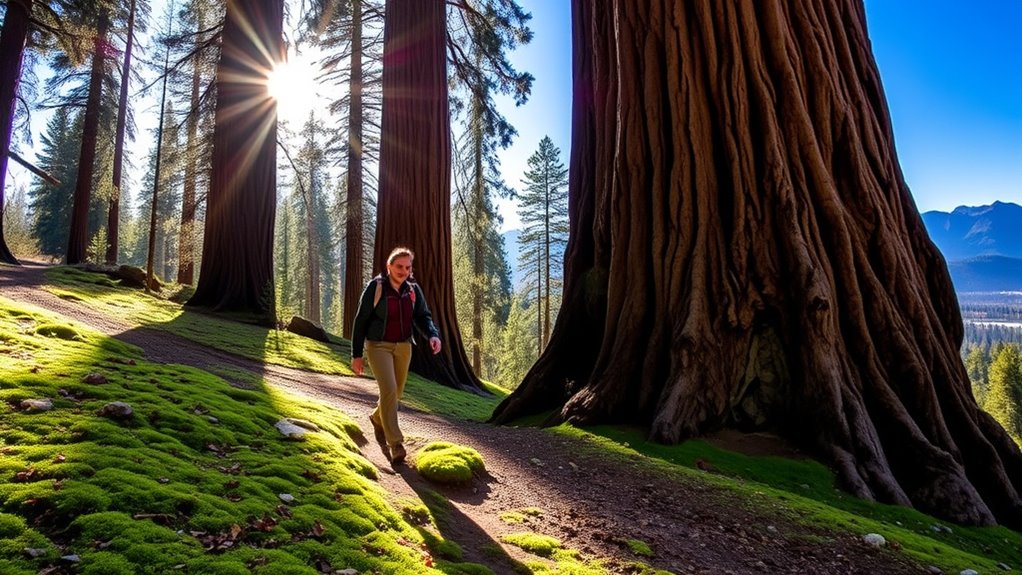

Low-impact hiking in Sequoia National Park helps protect the stunning scenery and diverse ecosystems. Stick to established trails to prevent soil erosion and safeguard local wildlife. Use eco-friendly gear, like reusable water bottles, to reduce waste. Remember to pack out all trash, and keep noise levels down to respect wildlife. Opt for off-peak hiking times for a more peaceful experience. Explore more tips to guarantee your adventures leave a minimal footprint.

Get travel and outdoor gear delivered free with Prime
- Fast, free delivery on millions of items
- Prime Video, Amazon Music and more included
- Member-only deals all year
Key Takeaways
- Stick to established trails to prevent soil erosion and protect native plant species in Sequoia National Park.
- Use eco-friendly gear, such as reusable water bottles and containers, to minimize waste during your hike.
- Follow Leave No Trace principles by packing out all trash and removing litter to maintain trail cleanliness.
- Keep noise levels down to avoid disturbing local wildlife and preserve the park’s natural ambiance.
- Plan hikes during off-peak times, like early mornings or late afternoons, to reduce trail congestion and protect delicate ecosystems.
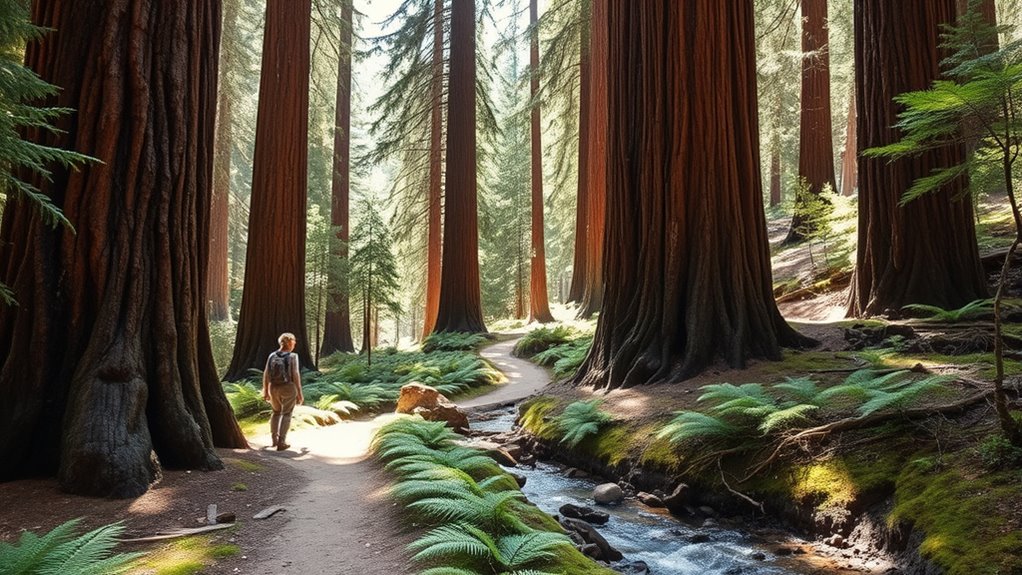
Have you ever wondered how your hiking habits can impact the environment? When you hit the trails, the choices you make can either help preserve the beauty of places like Sequoia National Park or contribute to their degradation. By practicing low-impact hiking, you can ensure that these stunning landscapes remain intact for generations to come. One of the simplest ways to do this is by being mindful of trail preservation. Sticking to established paths prevents soil erosion, protects native plant species, and minimizes the risk of disturbing local wildlife.
Hiking choices shape our environment; practice low-impact hiking to preserve nature’s beauty for future generations.
When you plan your hike, think carefully about the gear you bring along. Using eco-friendly gear is a great way to reduce your environmental footprint. Look for products made from sustainable materials, and consider opting for reusable items instead of single-use plastics. For instance, reusable water bottles and food containers not only keep your gear lightweight but also reduce waste. By choosing eco-friendly gear, you’re actively supporting companies that prioritize the planet, and that’s a step in the right direction. Additionally, consider incorporating natural materials into your gear choices, as they can further minimize environmental impact.
As you navigate the trails, remember to leave no trace. This means taking all your trash with you and being cautious about what you leave behind. Even organic materials like fruit peels can disrupt the local ecosystem if left on the ground. Instead, pack out everything you bring in, and if you see litter left by others, don’t hesitate to pick it up. Every little bit helps keep the trails pristine.
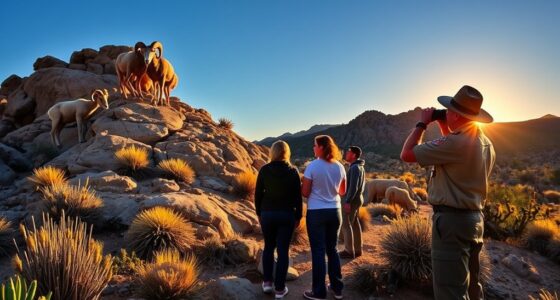
Pay attention to your noise levels, too. While it’s tempting to share your excitement with friends or crank up a portable speaker, loud noises can disturb wildlife and disrupt the peaceful atmosphere of the park. Keep conversations at a moderate volume, and enjoy the sounds of nature around you.
Lastly, consider hiking during off-peak hours. Early mornings or late afternoons not only offer a more serene experience but also help reduce congestion on popular trails. When you give other hikers space, you’re contributing to a more enjoyable atmosphere for everyone while protecting the delicate ecosystems along the way.
Frequently Asked Questions
Are Dogs Allowed on Hiking Trails in Sequoia National Park?
No, dogs aren’t permitted on most hiking trails in Sequoia National Park. However, there are a few dog-friendly trails where you can enjoy the scenery together. Just remember to follow pet safety tips, like keeping your dog on a leash, cleaning up after them, and bringing plenty of water. Always check specific trail regulations before heading out, so you can ensure a fun and safe experience for both you and your furry friend.
What Should I Do if I Encounter Wildlife While Hiking?
If you encounter wildlife while hiking, stop and observe from a safe distance—ideally, at least 100 yards for large animals like bears. Did you know that about 1 in 3 hikers experience wildlife sightings? It’s essential to practice wildlife safety and maintain observation etiquette. Stay calm, back away slowly, and never feed or approach animals. Remember, your safety and the animal’s well-being depend on respecting their space.
Are There Any Fees for Entering Sequoia National Park?
Yes, there are park entrance fees for Sequoia National Park. As of now, the fee for a private vehicle is $35, valid for seven days. If you’re planning to visit often, consider getting an annual pass. There are also fee waiver programs available for certain groups, like active-duty military and fourth graders with the Every Kid Outdoors program. Check the park’s website for the latest information on fees and waivers.
Can I Camp Overnight on the Trails?
You can camp overnight on the trails, but you’ve gotta keep your wits about you! There are some trail restrictions, so make sure to check the regulations for the specific area you’re interested in. Always practice Leave No Trace principles to protect the beautiful surroundings. If you plan ahead and respect the guidelines, you’ll have an unforgettable experience under the stars. Just remember, a little preparation goes a long way!
What Is the Best Time of Year for Low-Impact Hiking?
The best time for low-impact hiking is during the spring and fall. In spring, you’ll enjoy mild temperatures and blooming wildflowers, but be mindful of seasonal weather changes that can bring rain. Fall offers cooler temps and stunning foliage, while trail conditions are generally stable. Summer can be hot, and winter often means snow. So, plan your hikes around these seasons for the best experience while minimizing your impact on the trails.
Conclusion
As you wrap up your low-impact hiking adventure in Sequoia National Park, remember that every step you take is like a gentle whisper in nature’s ear, encouraging its beauty to thrive. By respecting the trails and wildlife, you’re not just enjoying the stunning scenery but also preserving it for future explorers. So, lace up your boots and carry on with care—each hike is an opportunity to connect with the wild while leaving only footprints behind.
Halloween Picks
halloween
As an affiliate, we earn on qualifying purchases.