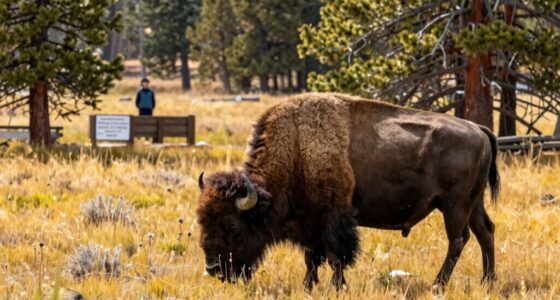
When viewing wildlife in Sequoia National Park, always respect their habits and maintain a safe distance to reduce stress. Avoid feeding animals, as it disrupts their natural behaviors. Follow park guidelines, stick to trails, and practice patience and quietness to observe without disturbing. Be mindful of how your actions affect the ecosystem, ensuring its preservation. By following these etiquette tips, you’ll enhance your wildlife viewing experience and support conservation efforts—there’s much more to discover about this amazing park!

Get travel and outdoor gear delivered free with Prime
- Fast, free delivery on millions of items
- Prime Video, Amazon Music and more included
- Member-only deals all year
Key Takeaways
- Observe wildlife from a distance to avoid causing stress and disrupting their natural behaviors.
- Use binoculars or zoom lenses for close-up views instead of approaching animals.
- Stick to designated trails and viewing areas to protect both visitors and wildlife habitats.
- Maintain a quiet demeanor and practice patience to enhance wildlife observation opportunities.
- Respect the ecosystem by minimizing your impact and promoting responsible wildlife viewing behaviors.
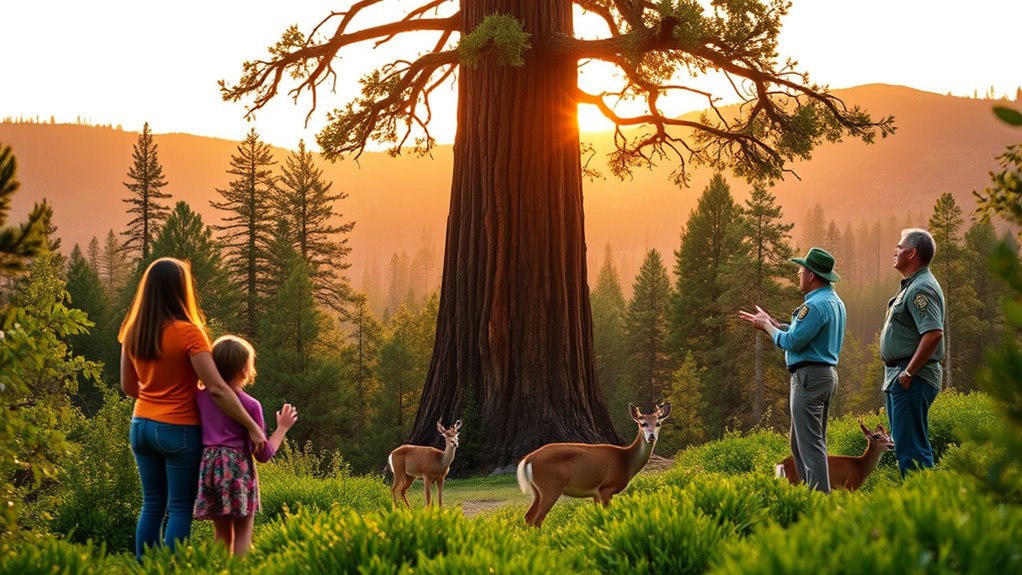
When you venture into the great outdoors to observe wildlife, it’s vital to remember that you’re a guest in their home. Sequoia National Park is a stunning sanctuary filled with majestic trees and diverse wildlife. To guarantee a safe and enjoyable experience for both you and the animals, it’s essential to follow some basic etiquette.
First and foremost, feeding animals is a big no-no. You might think you’re being friendly by offering a snack, but that can lead to serious problems. When you feed wildlife, you disrupt their natural foraging habits and make them reliant on human food. This can lead to unhealthy diets and even aggressive behavior as animals begin to associate people with easy meals. Instead, enjoy watching them from a distance and appreciate their natural behaviors.
Feeding wildlife disrupts their natural habits and can lead to unhealthy, aggressive behaviors. Enjoy observing from a distance instead.
Maintaining distance is key when observing wildlife. Each species has its own comfort zone, and encroaching on that space can cause stress for the animals. Whether you’re watching a deer grazing or a bear foraging, give them enough space to move freely. Use binoculars or a zoom lens on your camera to capture those close-up moments without intruding on their territory. If you find yourself too close, take a step back and observe from a safer distance.
It’s also important to respect the park’s guidelines regarding wildlife viewing. These rules are in place to protect both you and the animals. Stick to designated trails and viewing areas, and avoid wandering off the beaten path. Not only does this help preserve the environment, but it also minimizes the chances of startling wildlife.
Keep in mind that the best wildlife experiences come from patience and quiet observation. Instead of rushing to snap a photo or get a closer look, take a moment to sit still and let the animals come to you. You might be surprised at how much more you see when you’re calm and patient.
Lastly, always remember that you’re part of the ecosystem. Your actions can have a lasting impact on the delicate balance of nature. By respecting wildlife and their habitats, you’re helping to guarantee that future generations can enjoy the same breathtaking experiences you are. So next time you’re out in Sequoia National Park, keep these etiquette tips in mind, and you’ll foster a better relationship with the wildlife around you. Additionally, sharing your experiences through creative social media posts can help raise awareness about wildlife conservation and the importance of etiquette in natural settings.
Frequently Asked Questions
Can I Bring My Pet When Wildlife Viewing in Sequoia?
You can’t bring your pet when wildlife viewing in Sequoia National Park due to strict dog restrictions. The park’s pet policies are designed to protect both wildlife and your furry friend. While pets are allowed in certain areas, they’re generally not permitted on trails or in areas where wildlife is present. It’s best to plan your visit accordingly and consider leaving your pet at home or in designated pet-friendly accommodations.
What Should I Do if I Encounter a Bear?
If you encounter a bear, stay calm and don’t approach it. Maintain proper distancing—at least 100 yards is ideal. Back away slowly, keeping your eyes on the bear without direct confrontation. If the bear approaches, stand your ground and make yourself look larger by raising your arms. Never run, as this may trigger a chase. Remember, bear safety is vital for both you and the bear’s well-being.
Are There Specific Viewing Times for Wildlife?
Yes, there are specific viewing times for wildlife. The best viewing seasons are typically spring and fall when animals are more active. You should head out during dawn and dusk, as these are peak times for sightings. At these hours, you’ll have a better chance of observing wildlife like deer, bears, and various birds. Remember to be quiet and patient; you might just catch a glimpse of nature in action!
Is It Safe to Approach Wildlife for Photos?
Think of wildlife as the shy artists of nature, each moment they create is a masterpiece to behold. But approaching them for wildlife photography isn’t safe. You risk causing wildlife disturbance, which can lead to stress for the animals and danger for you. Keep your distance; use your zoom lens instead. This way, you’ll capture stunning images while respecting their space, allowing nature’s artistry to flourish without interference.
Where Can I Find Guided Wildlife Tours in the Park?
You can find guided wildlife tours in Sequoia National Park by checking with the park’s visitor center or the official website. Look for ranger-led excursions that focus on wildlife photography; they often provide great insights and opportunities to capture amazing shots. These tours typically cover various areas within the park, offering you a chance to learn about the local flora and fauna while enhancing your photography skills. Don’t miss out on this adventure!
Conclusion
When you’re out in Sequoia National Park, remember that wildlife viewing is a privilege, not a right. While it might be tempting to get close for that perfect photo, giving animals space is essential for their safety and yours. Some might argue that a closer encounter makes for a better experience, but respecting their boundaries fosters a healthier ecosystem and ensures future generations can enjoy these majestic creatures. So, keep your distance and cherish the moment.
Halloween Picks
halloween
As an affiliate, we earn on qualifying purchases.