
U-lock ratings show how strong a lock is and how well it resists theft. Higher ratings mean a lock is made with tougher materials, reinforced mechanisms, and better design features that can withstand cutting, leverage, and brute-force attacks longer. This helps you pick a lock that balances security with portability. To really understand what each level offers and how to maximize protection, keep exploring these ratings to make smarter choices for your bike’s safety.
Key Takeaways
- U-lock ratings indicate overall strength based on standardized tests against theft methods like cutting and leverage.
- Higher ratings signify more robust construction, using hardened steel and reinforced components for better security.
- Ratings help balance security needs with portability, guiding users to choose appropriate locks for their risk level.
- A higher security level generally requires more effort and tools for theft, acting as a deterrent.
- Proper lock usage, combined with high ratings, maximizes theft prevention regardless of the lock’s security level.

When choosing a U-lock for your bike, understanding how they’re rated can make all the difference. The security level of a lock isn’t just a marketing number; it reflects its overall strength and ability to prevent theft. Knowing what these ratings mean helps you pick a lock that provides the right balance of strength and portability, giving you peace of mind when leaving your bike unattended. Different brands and models use various rating systems, but most rely on standardized tests that gauge lock strength against common theft methods. A higher rating generally indicates a more robust lock designed to resist cutting, leverage, and brute-force attacks.
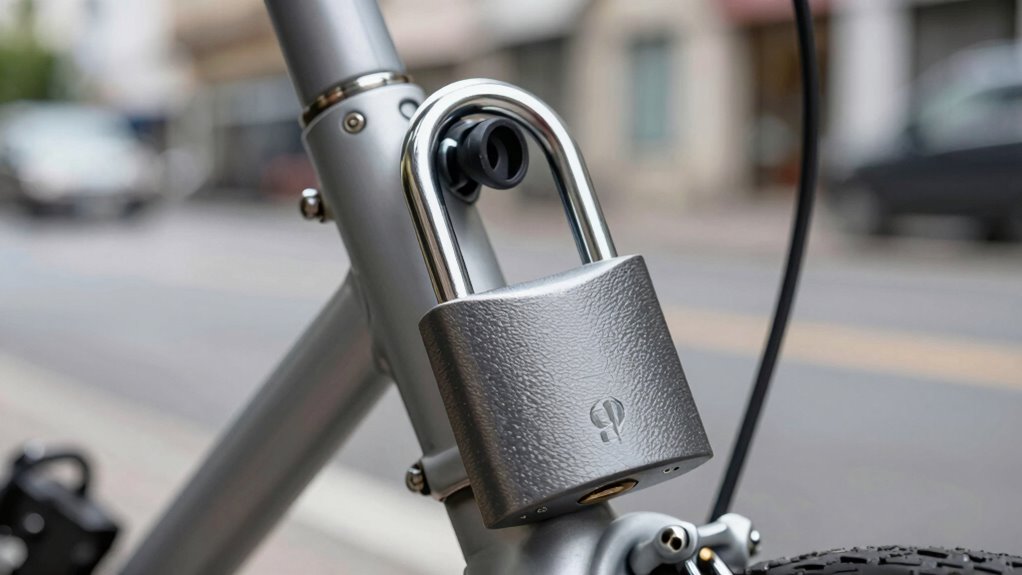
Lock strength is a vital factor because it directly impacts theft prevention. A weaker lock, even if it appears sturdy, can be easily compromised by experienced thieves wielding bolt cutters or other tools. Conversely, a high-rated U-lock is constructed with hardened steel and reinforced mechanisms, making it considerably harder for someone to break or saw through. This doesn’t mean a high-rated lock is impenetrable, but it does substantially increase the time and effort required by a thief, often discouraging theft altogether. When evaluating lock strength, consider the materials used, the locking mechanism, and the overall design. Heavy-duty steel forms the backbone of most top-rated locks, and features like double-bolted shackles or security pins add layers of resistance.
The theft prevention provided by a U-lock also depends on how you use it. Even the strongest lock can be defeated if you don’t secure your bike properly. Always lock your bike around a solid, immovable object, ensuring the lock secures both the frame and at least one wheel. Position your lock high off the ground to make cutting more difficult, and avoid leaving parts of your bike exposed that could be leverage points. Remember, a higher-rated lock isn’t a guarantee against theft but a deterrent. Thieves often look for easier targets, so investing in a lock with a proven high rating can greatly reduce your risk of theft. Additionally, regularly inspecting your lock for signs of wear or tampering can help maintain its effectiveness over time.
In short, understanding U-lock ratings helps you make smarter choices about lock strength and theft prevention. It’s about balancing security with convenience, knowing that a well-rated lock, used correctly, can delay or discourage theft attempts. While no lock is completely theft-proof, selecting one with a high security rating and using it properly offers the best protection for your bike. This knowledge empowers you to invest wisely, ensuring your bike stays safe when you’re away, and gives you confidence that you’re doing everything possible to prevent theft.
Frequently Asked Questions
How Do U-Lock Ratings Compare to Other Bike Lock Types?
U-lock ratings typically indicate higher lock durability compared to cable or chain locks, making them more resistant to theft. You should trust them more, especially given theft statistics showing fewer bikes stolen with high-rated locks. Unlike lighter locks, U-locks provide a stronger, more secure barrier. While they might be less convenient, their durability and effectiveness in deterring theft make them a smart choice for bike security.
Can a High-Rated U-Lock Be Easily Compromised?
You might think a high-rated U-lock is unbreakable, but clever thieves can still compromise lock durability using advanced theft techniques. While higher ratings often mean better resistance, no lock is entirely theft-proof. If you encounter a skilled thief, they may exploit weak points or tools to bypass even the strongest lock. So, always combine a high-rated U-lock with other security measures to protect your bike effectively.
Are There Specific Brands With the Best Security Ratings?
Some brands stand out for their strong security ratings, thanks to their brand reputation and material durability. You should look into trusted names like Kryptonite, Abus, and OnGuard, which are known for using tough materials and innovative locking mechanisms. These brands typically invest heavily in quality, making their u-locks harder for thieves to compromise. Choosing a reputable brand with durable materials gives you better peace of mind and protection for your bike.
How Often Should I Upgrade My U-Lock for Safety?
Think of your U-lock like a smartphone; it needs regular updates. You should upgrade your lock every 3-5 years to stay ahead of thieves. Proper lock maintenance, like cleaning and checking for wear, extends its life and effectiveness. Staying vigilant with theft prevention strategies means replacing aging locks before they become vulnerable, ensuring your bike remains secure and protected against evolving theft techniques.
Do U-Lock Ratings Consider Environmental Resistance?
U-lock ratings generally don’t fully consider environmental resistance or durability. While a high-security lock might resist theft well, it may not be as weather-resistant or durable in harsh conditions. You should check the product specs for environmental durability and weather resistance to guarantee your lock withstands rain, snow, or extreme temperatures. Choosing a lock with good environmental resistance helps maintain its security features over time, especially if you leave it outside regularly.
Conclusion
Understanding u-lock ratings helps you make smarter choices and avoid getting burned. Remember, not all locks are created equal, and sometimes a higher rating means less stress and fewer headaches down the road. Don’t put all your eggs in one basket—combine your lock with other security measures for peace of mind. In the end, it’s better to be safe than sorry, so choose wisely and lock up with confidence.