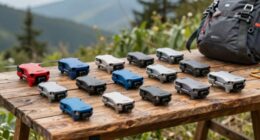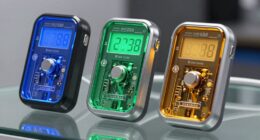

Bike GPS trackers help you keep track of your bike’s location in real time, alert you during emergencies, and can be discreetly installed for safety without impacting your ride. However, they can’t always track through dense urban areas, tunnels, or heavily wooded regions due to signal interference. They’re reliable tools for most situations, but understanding their limitations will help you use them better—keep going to discover more about making the most of your tracker.
Key Takeaways
- Bike GPS trackers provide real-time location updates to help recover stolen bikes and monitor rides.
- They often include safety features like emergency alerts to enhance rider security.
- Proper installation ensures accurate tracking, durability, and seamless integration without affecting bike aesthetics.
- GPS trackers can’t prevent theft but can significantly aid in recovery efforts.
- Limitations include dependency on GPS signal, possible battery life constraints, and potential GPS signal interference in dense areas.
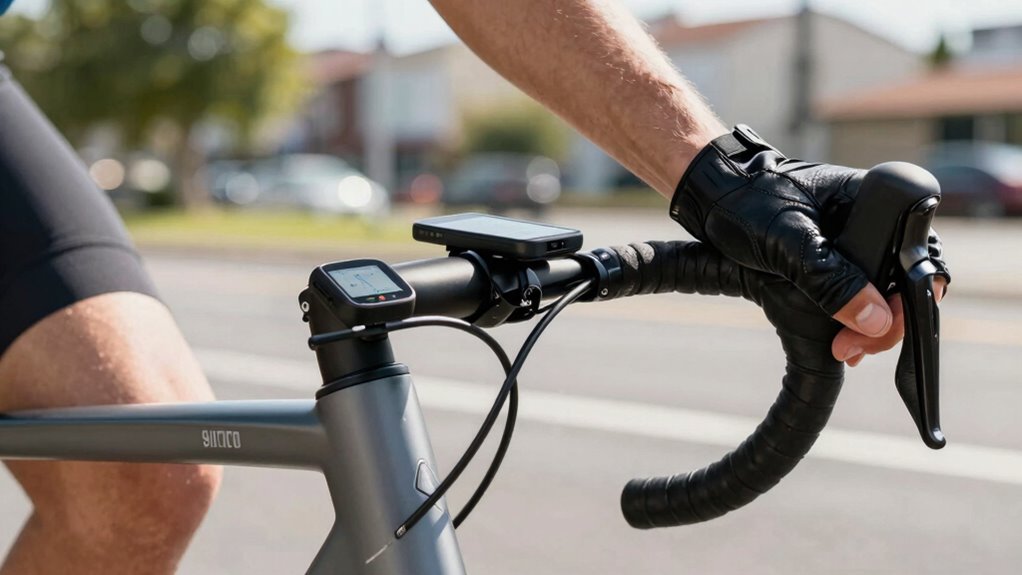
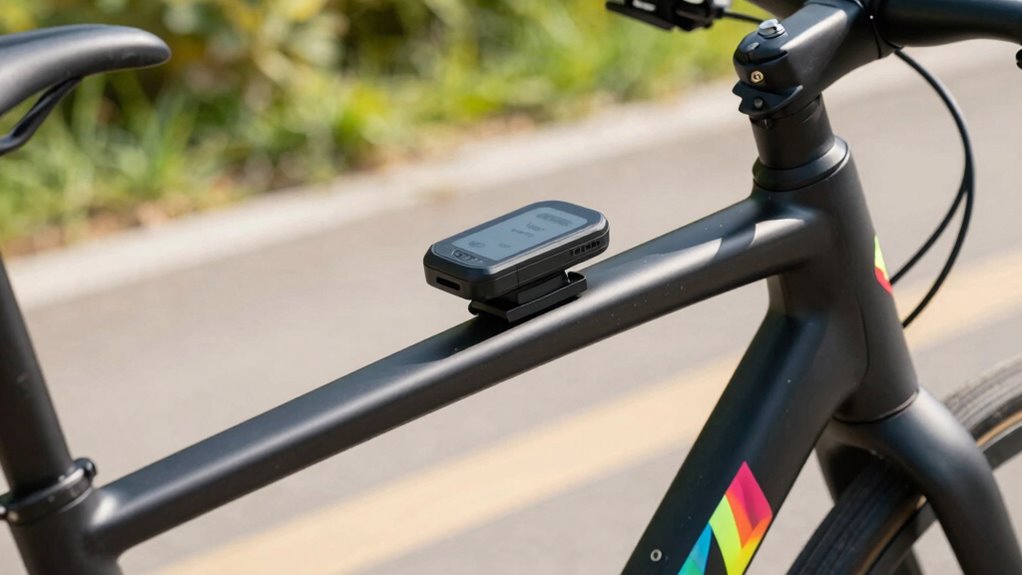
Bike GPS trackers have become essential tools for cyclists who want to protect their bikes and track their rides. Whether you’re cycling through busy city streets or exploring remote trails, these devices offer peace of mind and valuable data. When it comes to cycling safety, a GPS tracker can be a critical asset. It not only helps locate your bike if it gets stolen but also provides real-time updates about your ride. Many models come with features like emergency alerts, which you can activate if you need help, making your rides safer. Installing a GPS device might seem intimidating at first, but most trackers are designed for straightforward device installation. You typically attach them discreetly under your bike’s saddle or frame, ensuring they don’t interfere with riding or aesthetics. Some trackers come with mounting kits that make installation quick and secure, so you won’t have to worry about the device falling off mid-ride. Proper device installation is essential to guarantee accurate tracking and durability, especially if you ride in harsh weather conditions or rough terrains. Additionally, understanding how GPS works can help you maximize the benefits of your device and troubleshoot issues more effectively.
Frequently Asked Questions
How Do GPS Trackers Impact Bike Battery Life?
GPS trackers can impact your bike’s battery life by causing battery drain, especially if they run continuously. To minimize this, you should enable power management features, like auto-sleep or low-power modes. Regularly check the tracker’s settings to optimize energy use, and consider a tracker with a long-lasting battery or external power options. Proper power management helps guarantee your tracker doesn’t drain your bike’s battery unnecessarily.
Are Bike GPS Trackers Waterproof and Weather-Resistant?
Most bike GPS trackers are designed with waterproof durability and weather resistance, so they can handle rain, mud, and splashes without issue. You won’t need to worry about riding in different weather conditions. However, it’s still smart to check the specific product’s IP rating for water resistance levels. With a weather-resistant tracker, you can confidently track your bike regardless of the weather, ensuring your device stays functional in various environments.
Can GPS Trackers Track Multiple Bikes Simultaneously?
Imagine catching the thief in the act—yes, GPS trackers can monitor multiple bikes at once if you choose a device with multi-unit support. With precise GPS accuracy, you can track each bike individually, improving your chances to prevent bike theft. But beware: not all trackers handle multiple bikes seamlessly. Before buying, verify if the model supports multi-bike tracking to guarantee you’re protected on all fronts.
What Legal Considerations Exist for GPS Tracking?
You need to be aware of privacy concerns and legal restrictions when using GPS trackers. Laws vary by location, but generally, you should only track bikes you own or have permission to monitor. Avoid infringing on someone’s privacy rights, as unauthorized tracking can lead to legal issues. Always check local regulations and inform others if required, ensuring you’re compliant and respecting privacy boundaries.
How Accurate Are Bike GPS Trackers in Urban Areas?
You’ll find that bike GPS trackers are fairly accurate in urban areas, but urban signal challenges can affect GPS accuracy limitations. Tall buildings and dense infrastructure may cause signal reflections or block signals, leading to less precise tracking. While most trackers perform well, expect occasional inaccuracies or slight delays. Overall, they provide reliable location data, but don’t rely solely on GPS in heavily built-up environments for pinpoint accuracy.
Conclusion
Think of a bike GPS tracker as your loyal compass on a vast adventure. It points you in the right direction, helping you find your way if your bike gets lost or stolen. But remember, it’s not a magic spell that guarantees safety—like a trusty compass, it needs your guidance and awareness. With the right tracker, you stay one step ahead, turning your ride into an exciting journey rather than a risky quest.