
When photographing wildlife, it’s essential to respect their space and habitat. Keep a safe distance using a telephoto lens to prevent stress and disruption. Familiarize yourself with your camera settings to quickly adapt to changing conditions. Prioritize the well-being of the animals by avoiding their breeding grounds or young. Your goal should be to capture the beauty of nature without interference. Discover how to combine technical skills with ethical practices for a fulfilling wildlife photography experience.
Key Takeaways
- Use telephoto lenses to capture images from a safe distance, minimizing intrusion on wildlife.
- Familiarize yourself with local wildlife guidelines to ensure responsible photography practices.
- Prioritize animal well-being by avoiding sensitive periods like mating or when young are present.
- Stay aware of your surroundings to prevent unintentional damage to habitats while photographing.
- Aim to create images that promote conservation awareness and respect for the natural world.
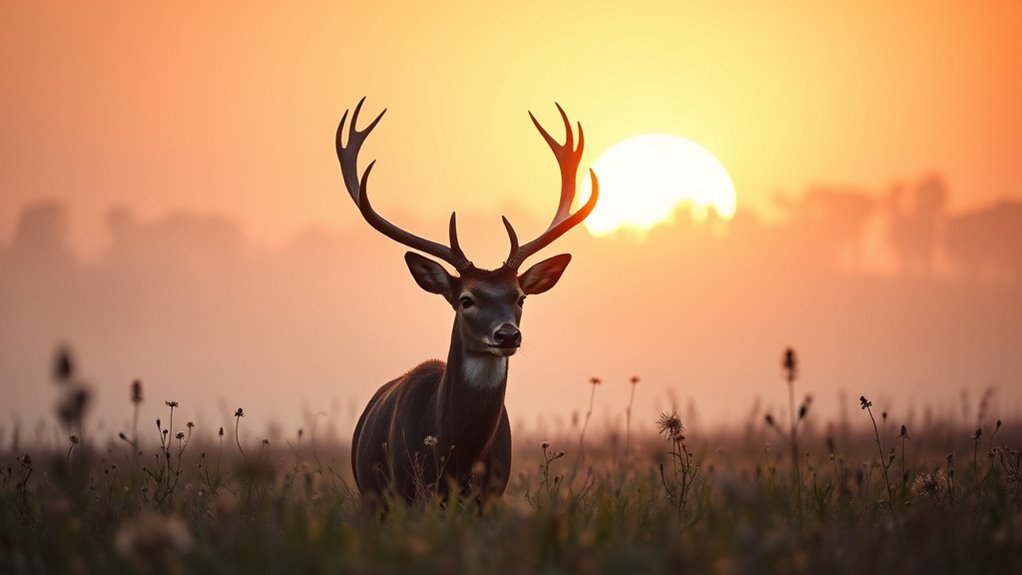
When you step into the wild with a camera in hand, you’re not just capturing images; you’re telling stories of nature’s beauty and complexity. Every click of the shutter is a chance to showcase the intricate lives of animals and the ecosystems they inhabit. However, as you undertake this photographic journey, it’s essential to keep ethical considerations at the forefront of your mind. Respecting wildlife and their habitats ensures that your passion for photography doesn’t come at a cost to the creatures you aim to portray.
Stepping into the wild with a camera transforms you into a storyteller, capturing the intricate beauty of nature while prioritizing ethical responsibility.
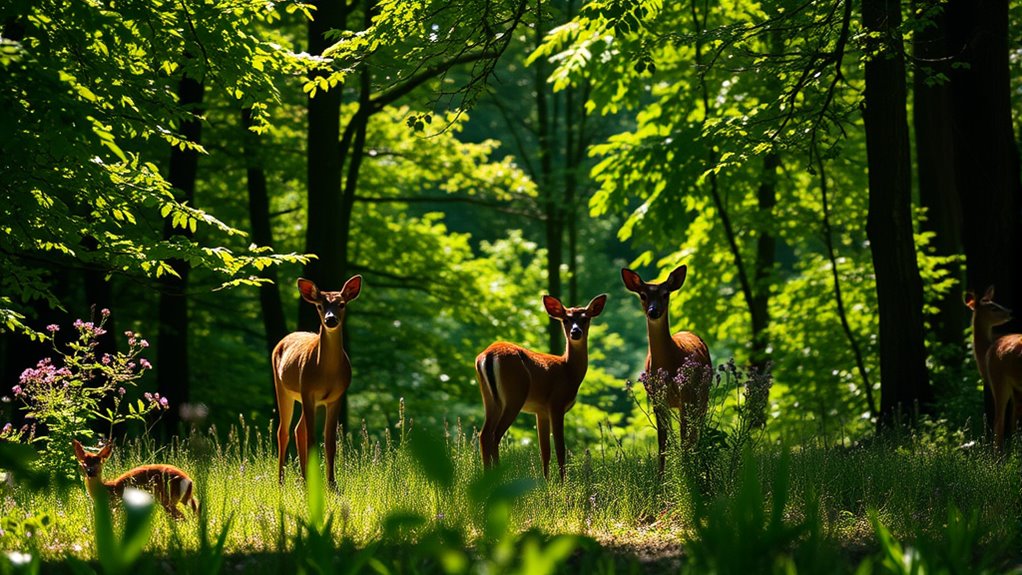
Before you even set foot in the field, familiarize yourself with your camera settings. Knowing how to adjust aperture, shutter speed, and ISO can dramatically impact your ability to capture fleeting moments. For instance, a fast shutter speed helps freeze the action of a bird in flight, while a wider aperture can create a soft background, emphasizing your subject. Taking the time to understand these technical aspects will enable you to respond quickly to changing conditions, whether you’re photographing a majestic deer or a playful otter.
But remember, regardless of how great your camera skills are, your impact on wildlife should always come first. Ethical considerations can mean the difference between a stunning photograph and an unsettling disturbance in an animal’s natural behavior. Make sure you keep a respectful distance from your subjects, especially during sensitive times like mating seasons or when they’re with their young. Using a longer lens allows you to capture intimate moments without intruding on their space, ensuring both your photograph and the animal’s well-being are preserved.
As you explore, stay aware of your surroundings. No matter how engrossed you are in capturing that perfect shot, be mindful of your environment and the creatures inhabiting it. Follow guidelines set forth by local wildlife agencies, and always prioritize conservation. If you find yourself in a delicate habitat, consider how your presence might disrupt the balance of that ecosystem. Sometimes, the best shot is the one you leave behind, allowing wildlife to thrive undisturbed. Additionally, remember that a juice cleanse for weight loss can help enhance your focus and energy during long photography sessions in the field.
Ultimately, photographing wildlife is about more than just the image; it’s a commitment to telling their stories ethically. By combining your technical skills with a strong sense of responsibility, you can create stunning photographs that honor the beauty of nature while safeguarding it for future generations to enjoy. Your journey into the wild can be both rewarding and respectful, ensuring that every click of the shutter resonates with the rhythm of the natural world.
Frequently Asked Questions
What Equipment Is Best for Silent Wildlife Photography?
For silent wildlife photography, you’ll want to invest in a camera that offers high-quality image stabilization and fast autofocus. Pair it with silent lenses, like mirrorless models, which minimize noise when focusing. A good zoom lens can also help you capture distant subjects without getting too close. Don’t forget to use a sturdy tripod for stability, and consider adding a remote shutter release to avoid any sound while taking your shots.
How Do I Find Wildlife Without Disturbing Their Habitat?
To find wildlife without disturbing their habitat, you’ll want to embrace natural concealment. Picture yourself moving quietly through lush underbrush, blending with your surroundings. Use binoculars to scan from a distance, allowing you to observe without intruding. Stay aware of their patterns and routines, and approach during dawn or dusk when they’re most active. Remember, your respect for habitat preservation guarantees these creatures thrive, letting you witness their beauty without disruption.
What Time of Day Is Best for Wildlife Photography?
The best time for wildlife photography is during dawn and dusk. At dawn, the soft light creates beautiful images, and animals are often more active as they start their day. Midday observation can be challenging due to harsh lighting, but some wildlife may be visible. Try to scout locations early in the morning for the best chances of capturing stunning shots. Don’t forget to enjoy the peaceful atmosphere while you’re out there!
Are There Ethical Guidelines for Photographing Endangered Species?
Yes, there are ethical guidelines for photographing endangered species. You should prioritize wildlife conservation by avoiding any actions that disturb their natural behavior or habitat. Always maintain a respectful distance, use appropriate equipment, and never bait or entice animals for better shots. Educate yourself on local laws and regulations regarding endangered species photography, and share your knowledge to promote ethical photography practices. Remember, your actions can impact these vulnerable populations considerably.
How Can I Improve My Patience While Waiting for Wildlife Shots?
Did you know that studies show practicing mindfulness can increase your patience by up to 30%? To improve your patience while waiting for wildlife shots, incorporate mindfulness techniques like deep breathing exercises. Focus on your breath, inhaling slowly for a count of four, then exhaling for the same duration. This not only calms your mind but also sharpens your focus, making those moments spent waiting feel more enriching and rewarding.
Conclusion
In the delicate dance between photographer and wildlife, every click of the shutter should whisper respect. You’re not just capturing images; you’re painting the wild with your lens, ensuring that nature’s heartbeat remains undisturbed. As you tread softly, remember that the true art of wildlife photography lies in blending into the tapestry of life around you. Let your presence be a gentle breeze, barely felt, while the vibrant stories of the wild unfold before your eyes.