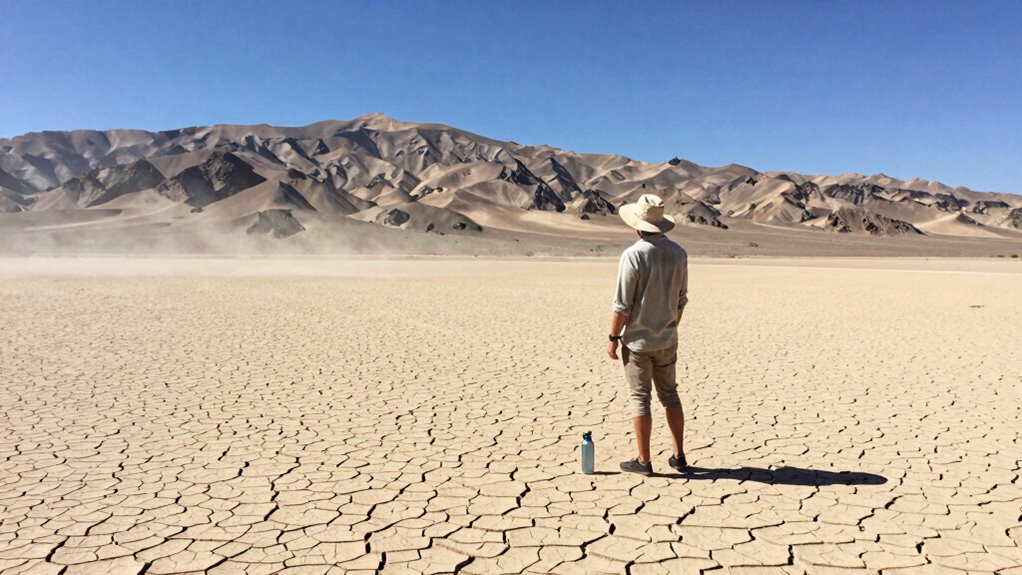

Many travelers forget how their water use impacts fragile desert ecosystems and depletes essential underground aquifers that refill slowly over decades. Simple actions like long showers or wasting water on laundry add up and threaten water supplies for local communities and wildlife. Responsible habits can help preserve these limited resources, but it’s easy to overlook how much your behavior affects the environment. If you want to understand how you can make a real difference, keep exploring this important topic.

Get travel and outdoor gear delivered free with Prime
- Fast, free delivery on millions of items
- Prime Video, Amazon Music and more included
- Member-only deals all year
Key Takeaways
- Travelers often overlook the long-term impact of their water use on fragile underground aquifers.
- Many underestimate how small daily actions can significantly deplete water resources over time.
- Visitors may not realize how infrastructure supports their water needs or the strain it faces during peak seasons.
- People tend to forget that water in desert regions recharges very slowly, making conservation critical.
- Tourists often ignore local water restrictions and sustainable practices, worsening water scarcity issues.
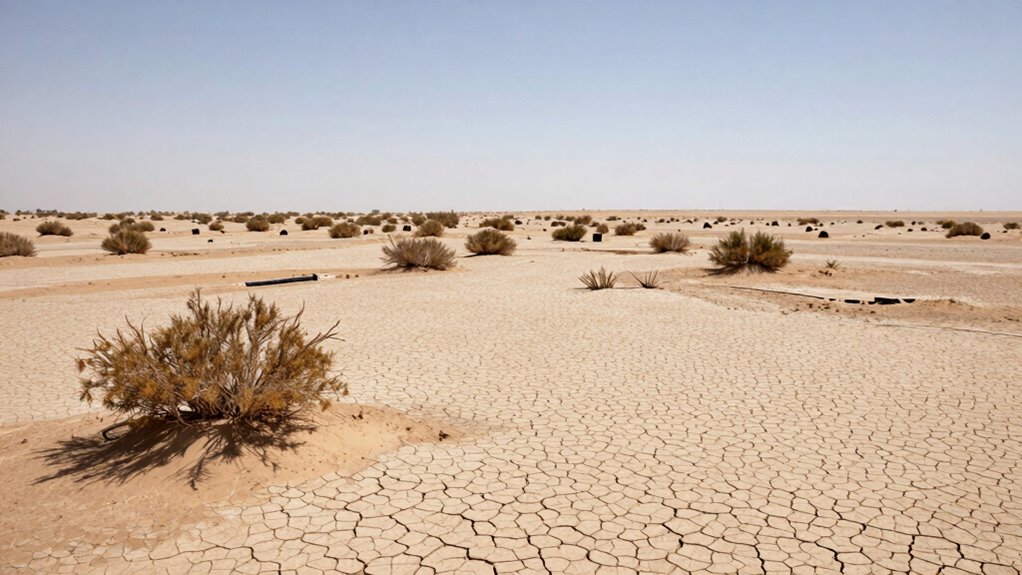
Many travelers underestimate the importance of water conservation in dry destinations. Simple actions, like turning off taps when brushing your teeth or using water-efficient fixtures, can make a significant difference. In desert areas, water isn’t just a convenience—it’s a scarce commodity that sustains entire communities and ecosystems. When you waste water, you’re indirectly contributing to the depletion of desert aquifers, which take decades or even centuries to refill naturally. This can lead to serious consequences, including land subsidence, loss of natural springs, and the deterioration of local flora and fauna. Small changes in your habits can help prevent these issues, ensuring that future visitors and residents have access to the water they need to thrive. Understanding the fragility of underground aquifers can help you better appreciate the importance of conservation efforts. Additionally, understanding the slow recharge process emphasizes why conservation is crucial to prevent long-term environmental damage. Recognizing the environmental impact of tourism highlights how visitor behavior can either alleviate or exacerbate water scarcity challenges.
Simple water-saving actions help protect desert aquifers and preserve ecosystems for future generations.
Beyond individual actions, it’s also important to recognize how tourism impacts water resources. Many popular dry destinations have developed infrastructure to support large influxes of visitors, often without considering the strain on local water supplies. Tourists tend to use more water than residents, especially when staying in hotels with swimming pools, spas, or frequent laundry services. Being aware of the local water infrastructure can deepen your understanding of the challenges faced by these communities. Your awareness and efforts toward water conservation support the preservation of desert aquifers and help maintain the region’s ecological health. Respecting local water restrictions and choosing eco-friendly accommodations are practical ways to contribute.
Ultimately, your role as a traveler in dry destinations goes beyond sightseeing. It’s about understanding the importance of water conservation and recognizing how your actions can influence these fragile environments. By being conscious of your water use, you’re helping preserve the underground desert aquifers that sustain life here and ensuring that these beautiful, arid landscapes remain vibrant for generations to come.
water-saving showerhead for travelers
As an affiliate, we earn on qualifying purchases.
As an affiliate, we earn on qualifying purchases.
Frequently Asked Questions
How Does Climate Change Impact Water Availability in Dry Destinations?
Climate change reduces water availability in dry destinations by altering rainfall patterns, leading to less frequent and unpredictable rainfalls. You might find desert aquifers drying up faster because of increased extraction and reduced recharge. As a traveler, you should be mindful that these changes strain local water resources, making conservation more critical. Understanding these impacts helps you appreciate the importance of responsible water use and supports sustainable tourism efforts.
What Are the Long-Term Effects of Water Overuse on Local Ecosystems?
When you overuse water in dry destinations, you cause long-term damage to local ecosystems by depleting groundwater sources and increasing water pollution. This overuse leads to lowered water tables, affecting plant and animal life, and can cause land subsidence. Additionally, pollutants from human activities contaminate water supplies, making it unsafe for wildlife and residents alike. Your water consumption habits directly influence the health and sustainability of these fragile environments.
How Can Travelers Reduce Their Water Footprint in Dry Regions?
Like a wise traveler in the desert, you can conserve water by practicing water-saving tips such as taking shorter showers, reusing towels, and turning off taps when not in use. Opt for eco-friendly activities like guided hikes or wildlife watching that don’t demand excess water. By making these mindful choices, you actively reduce your water footprint, helping preserve precious resources and protect fragile ecosystems in dry regions.
Are There Sustainable Water Management Practices Tourists Can Support?
Yes, you can support sustainable water management practices by choosing places that use rain harvesting and water recycling systems. When you stay at eco-friendly accommodations, they often implement these techniques to conserve water. You can also participate by minimizing water use during activities, like taking short showers and avoiding laundry. Supporting businesses committed to sustainable water practices helps promote responsible tourism and reduces the strain on local water resources in dry regions.
What Role Do Local Communities Play in Water Conservation Efforts?
Ever wonder how local communities influence water conservation? They play a crucial role through community engagement and traditional cultural practices, which often include water-saving techniques passed down generations. By respecting and supporting these efforts, you help sustain water resources in dry destinations. Your awareness and participation bolster local initiatives, making a real difference. Isn’t it inspiring to see how community-driven efforts can protect essential water supplies for everyone?
Conclusion
As you marvel at the breathtaking landscapes of dry destinations, remember that your water use can either preserve or harm these fragile environments. While sipping a cool drink or rinsing off after a day’s adventure, you hold the power to make a difference. Just like the delicate balance of a desert’s ecosystem, your choices matter—reminding you that conservation isn’t just about saving water, but about safeguarding the beauty you came to see.
Fall Picks
fall essentials
As an affiliate, we earn on qualifying purchases.