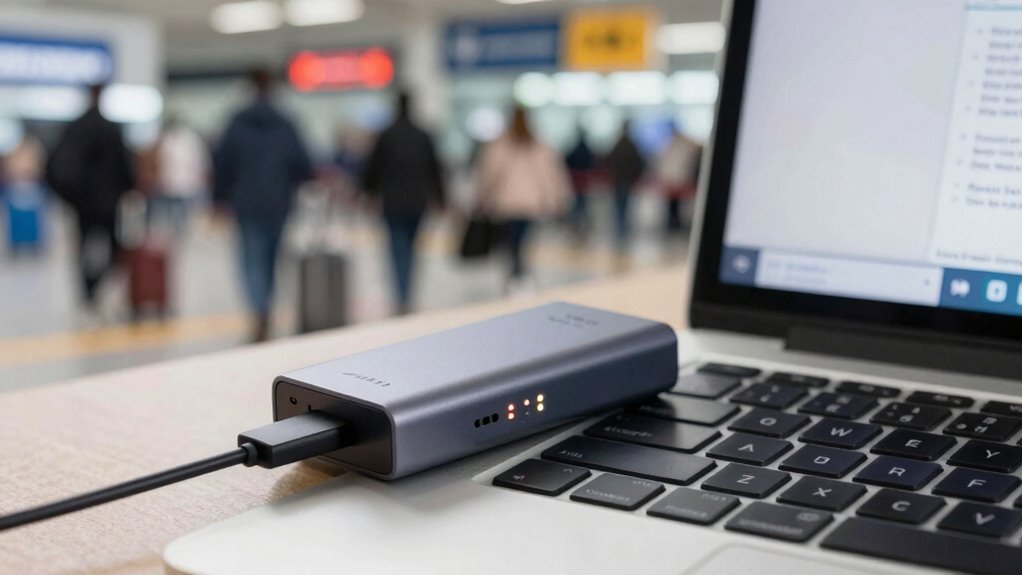
Having a travel document backup system is essential to avoid border delays or being stranded if your documents get lost or stolen. You should keep digital copies protected with strong passwords and stored in secure cloud accounts or USB drives, while physical copies are kept separately in safe locations. Regularly updating these backups and sharing access with trusted contacts can save you from stressful situations. Learn more about creating a reliable backup system that keeps you prepared for anything.
Key Takeaways
- Maintain both digital and physical copies of travel documents in secure, separate locations for quick access during emergencies.
- Use encrypted cloud storage and password-protected files to safeguard digital backups from cyber threats.
- Regularly update copies to ensure they reflect current information and are ready for instant use.
- Share backup details with trusted contacts to facilitate assistance if documents are lost or stolen.
- Keep physical copies in secure, discreet places distinct from original documents to prevent loss or theft.
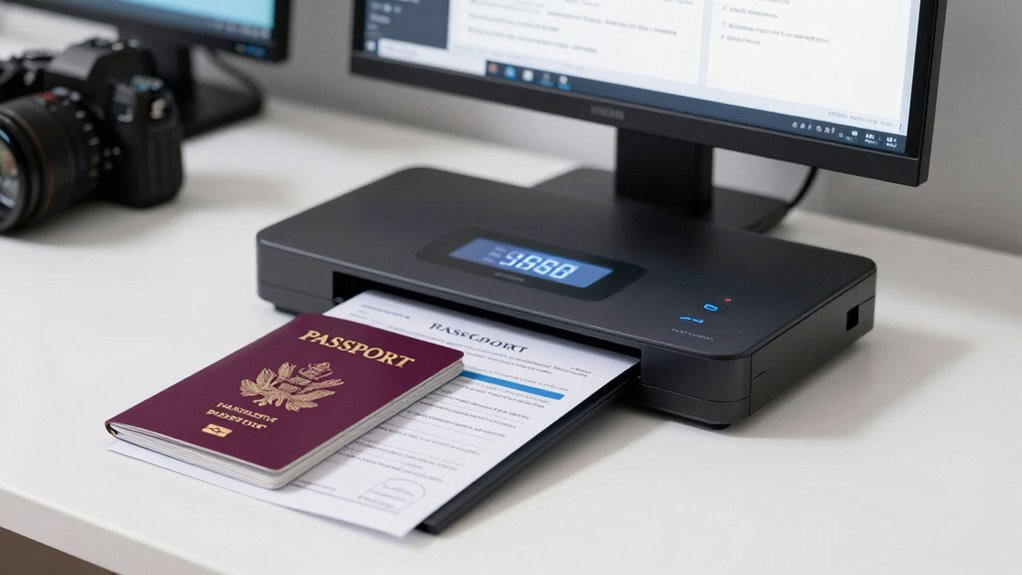
Traveling can be exciting, but losing your important documents can turn a trip into a nightmare. That’s why having a solid travel document backup system is vital. It’s not just about peace of mind; it’s about being prepared for those moments when things go wrong. One of the key aspects of a reliable backup system is digital security. You want to guarantee that your digital copies are protected from cyber threats, hacking, or accidental exposure. Using encrypted cloud services or password-protected files allows you to safely store scanned copies of your passport, visas, and other travel documents. These digital backups should be stored separately from your physical documents and accessed through secure connections, so you’re not vulnerable when retrieving them in a pinch. It’s also wise to keep multiple copies in different locations, such as a secure cloud account and a USB drive stored in your luggage or hotel safe.
Emergency preparedness plays a vital role in managing travel mishaps. When you’re proactive about having backup documents, you’re better equipped to handle situations like lost luggage, theft, or unexpected border checks. If your physical documents are stolen or misplaced, having digital backups allows you to quickly provide authorities or airline staff with proof of identity and travel authorization. This can save hours of hassle and prevent delays. It’s helpful to print out physical copies as well, especially in case your digital devices fail or aren’t accessible. Keep these copies in a separate, secure place from your original documents. Also, inform a trusted friend or family member about your backup system and where to find your digital copies in an emergency. Incorporating digital security measures such as encryption and strong passwords can further safeguard your sensitive information from cyber threats.
The best backup system combines digital security measures with practical emergency preparedness strategies. Regularly update your digital copies to guarantee they reflect your current documents. Use strong, unique passwords for your storage accounts and enable two-factor authentication whenever possible. Remember, the goal is to create a seamless safety net that allows you to travel confidently, knowing you can recover your documents quickly if needed. By integrating these practices into your travel routine, you minimize stress and avoid unnecessary complications. Ultimately, a robust travel document backup system isn’t just about technology; it’s about being prepared for the unexpected, so you can focus on enjoying your trip instead of worrying about what-ifs.
Frequently Asked Questions
How Secure Are Digital Backups of Travel Documents?
Digital backups of travel documents are generally secure if they follow strong encryption standards and prioritize data privacy. You should ensure the backup app or service uses end-to-end encryption and has a solid privacy policy. While no system is entirely foolproof, using reputable providers and keeping your devices protected with passwords or biometric locks considerably reduces risks. Stay vigilant and regularly update your security settings to keep your travel info safe.
Can I Access My Backup Offline During Border Checks?
Yes, you can access your backup offline during border checks. Many systems are designed with offline accessibility, so you don’t need an internet connection to retrieve your documents. Rest assured, backup security is a priority; your data is encrypted and stored locally on your device or a secure card. This way, even if network issues arise, your travel documents remain accessible and protected, making your border crossing smoother.
What Types of Travel Documents Can Be Backed Up?
You can back up various travel documents, including passports, visas, and other identification, ensuring passport security through digital encryption. By storing these backups securely offline or in encrypted cloud storage, you can access them during border checks even without internet. This system provides a reliable backup, helping you verify your identity quickly and efficiently, reducing stress and delays during your travels.
How Often Should I Update My Backup Copies?
Updating your backup copies is like watering a plant—you need to do it regularly to keep it healthy. You should review and refresh your backup on a monthly or quarterly basis, depending on how often your travel documents change. Establish a consistent backup refresh schedule to make certain your copies are always current, reducing stress and hassle at border crossings if your original documents are lost or stolen.
Are There Legal Restrictions on Storing Backup Documents Online?
Yes, there are legal restrictions on storing backup documents online. You should use secure cloud storage services that comply with privacy laws and regulations. Always guarantee your data is protected with strong data encryption to prevent unauthorized access. Check the specific rules in your country or region, as some places have strict data storage laws. Using encrypted cloud storage helps keep your backup documents safe and legally compliant.
Conclusion
So, next time you’re heading abroad, remember that a travel document backup is your secret weapon—your modern-day talisman. It’s like having a trusty squire by your side, ready to save you if the system fails or the guards ask for papers. Don’t leave home without it; it’s the insurance that keeps your journey smooth and stress-free. Trust me, with your backup in hand, you’ll be ready to face borders like a seasoned adventurer, no matter what the future holds.