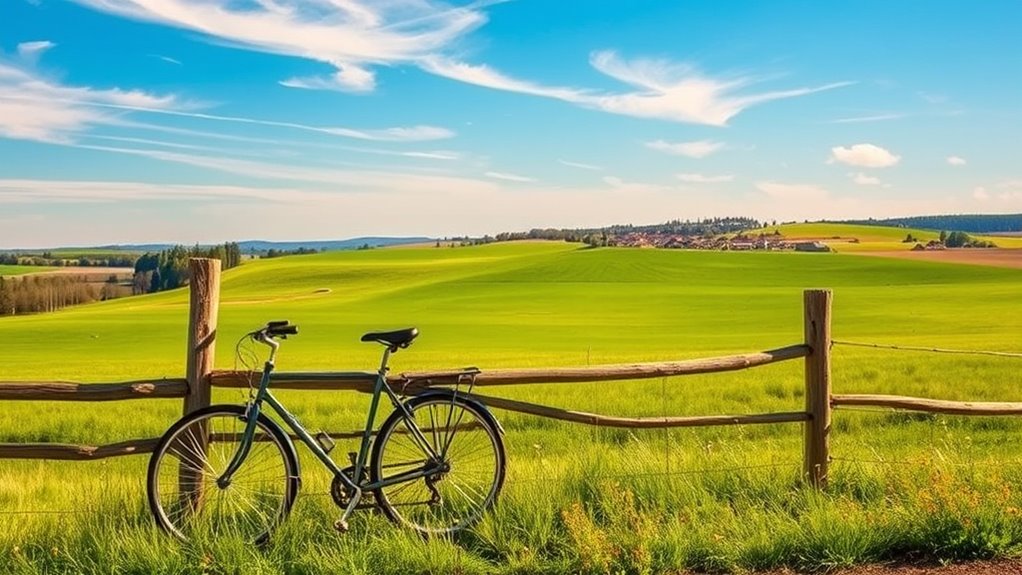

Slow travel lets you fully immerse yourself in a destination while minimizing your emissions. By exploring on foot or bike, you notice local nuances and discover hidden gems. Staying in eco-friendly accommodations supports communities and reduces your environmental footprint. Engaging in cultural traditions and meaningful interactions enriches your experience. Plus, with a flexible itinerary, you can adapt to spontaneous adventures. You’ll find that embracing slow travel leads to lasting memories—there’s more to uncover about this enriching journey.
Key Takeaways
- Slow travel emphasizes deeper connections with destinations, maximizing experiences while minimizing the rush and associated emissions from frequent transport.
- Choosing eco-friendly accommodations supports sustainability, reducing energy consumption and contributing to local economies, thereby minimizing the overall carbon footprint.
- Exploring on foot or by bike promotes lower emissions, encourages immersion in local culture, and allows for discovery of hidden gems within the destination.
- Engaging in local traditions and activities fosters authentic experiences, creating lasting memories while supporting community and minimizing the environmental impact of typical tourist activities.
- Prioritizing meaningful activities over rigid schedules allows for spontaneity, reducing travel stress and leading to environmentally-friendly choices throughout the journey.
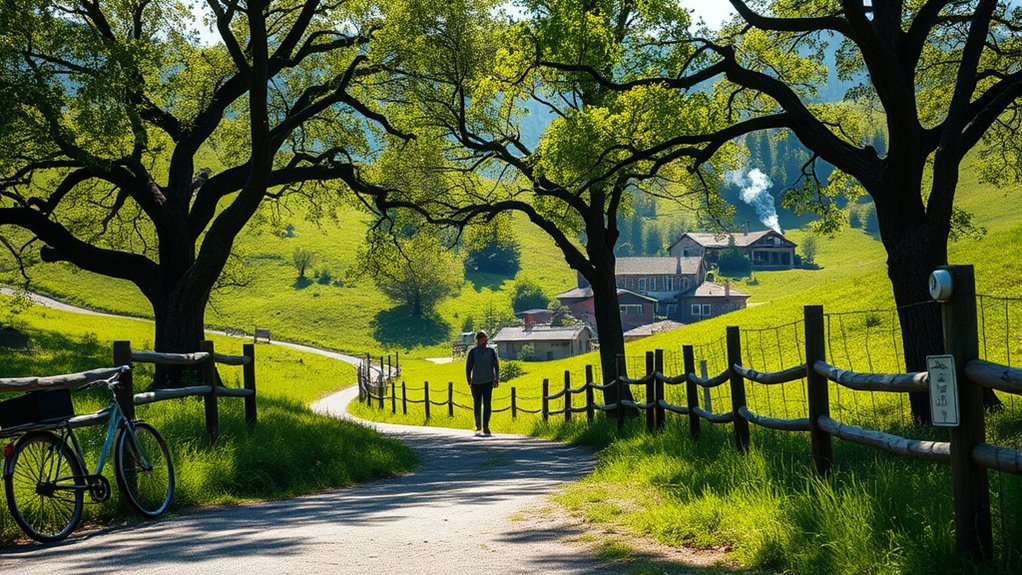
Have you ever felt rushed while exploring a new destination? It’s easy to fall into the trap of trying to see everything in a limited amount of time. But what if you could slow down and truly connect with a place? This is where the concept of slow travel comes into play. By taking the time to savor your surroundings, you not only enhance your experience but also contribute to a more sustainable way of traveling.
Slow travel invites you to savor your surroundings and connect deeply with each destination, enhancing your experience and promoting sustainability.
When you choose slow travel, you can prioritize eco-friendly accommodations that align with your values. Instead of booking a standard hotel chain, look for local guesthouses or eco lodges that minimize their environmental footprint. These places often implement sustainable practices, like using renewable energy, reducing water consumption, and sourcing food locally. Staying in such accommodations not only supports the community but also allows you to experience the culture more authentically.
Cultural immersion is another key aspect of slow travel. Rather than ticking off a checklist of tourist attractions, you can engage with local traditions and customs. Spend a few days learning how to cook a regional dish or participate in a craft workshop. By doing this, you’re not just a passive observer; you become part of the community. This deepens your understanding of the destination and leaves you with lasting memories.
One of the best ways to embrace slow travel is by exploring a destination on foot or by bike. Not only does this reduce your carbon footprint, but it also encourages you to notice the little details you might otherwise miss. Imagine wandering through quaint streets, discovering hidden cafes, or striking up conversations with locals. Each step you take brings you closer to the heart of the place, creating a richer travel experience.
Lastly, don’t forget to take your time when it comes to planning your itinerary. Instead of cramming in too many activities, choose a few that truly resonate with you. Allow yourself the flexibility to change your plans based on what you discover. This approach not only minimizes stress but also opens the door to spontaneous adventures that might not have been on your radar. Additionally, embracing sustainable practices can further enhance your slow travel experience by ensuring that your journey has a positive impact on the environment and local community.
Frequently Asked Questions
What Are the Best Slow Travel Destinations for Families?
For a family-friendly slow travel experience, consider destinations like Costa Rica, the Italian countryside, or the Scottish Highlands. You can explore nature with family-friendly itineraries that include hiking, biking, and wildlife watching. Look for eco-conscious lodging options, such as sustainable farms or eco-lodges, where you’ll all enjoy comfortable stays while supporting the environment. These destinations offer rich cultural experiences, making your trip memorable and educational for everyone in the family.
How Can I Find Slow Travel Accommodations?
You can find slow travel accommodations by searching for local homestays that prioritize sustainability. Utilize eco-friendly transportation options like biking or public transit to reach your destination. Websites like Airbnb and local travel forums often highlight eco-conscious hosts. Don’t hesitate to reach out directly to owners, asking about their sustainable practices. By choosing these accommodations, you not only enjoy a more authentic experience but also support local communities and reduce your carbon footprint.
What Activities Complement a Slow Travel Experience?
To enrich your slow travel experience, immerse yourself in local cultural immersion by participating in community events or cooking classes. You’ll connect with locals and learn their traditions. Use sustainable transportation, like biking or walking, to explore hidden gems and scenic routes. Consider visiting markets, enjoying nature walks, or attending workshops that showcase craftsmanship. These activities not only deepen your understanding of the place but also foster meaningful connections with the community around you.
Are There Any Slow Travel Apps for Planning Trips?
Yes, there are several slow travel apps to help you plan your trips! Look for apps that focus on eco-friendly transportation options like trains and buses. Tools like Rome2rio let you explore various routes, while Komoot helps you discover beautiful hiking trails. Additionally, TripIt organizes your itinerary, making travel planning a breeze. These travel planning tools can enhance your experience while keeping your carbon footprint low. Enjoy your journey!
How Does Slow Travel Benefit Local Economies?
Slow travel benefits local economies by encouraging you to engage with local businesses, which boosts their revenue. When you choose sustainable tourism, you’re not just visiting; you’re supporting artisans, farmers, and shops that rely on tourism. This creates jobs and helps preserve local culture. By spending more time in one place, you also help reduce the impact of mass tourism, fostering a more sustainable environment for both residents and visitors alike.
Conclusion
In embracing slow travel, you’re not just taking a leisurely stroll through life; you’re crafting meaningful memories while treading lightly on our planet. By savoring each moment and minimizing your carbon footprint, you’re giving yourself the gift of genuine experiences and nurturing the environment. So, as you set out on your next adventure, remember that sometimes, it’s the winding paths that lead to the most unforgettable destinations. Take your time; the world will wait for you.