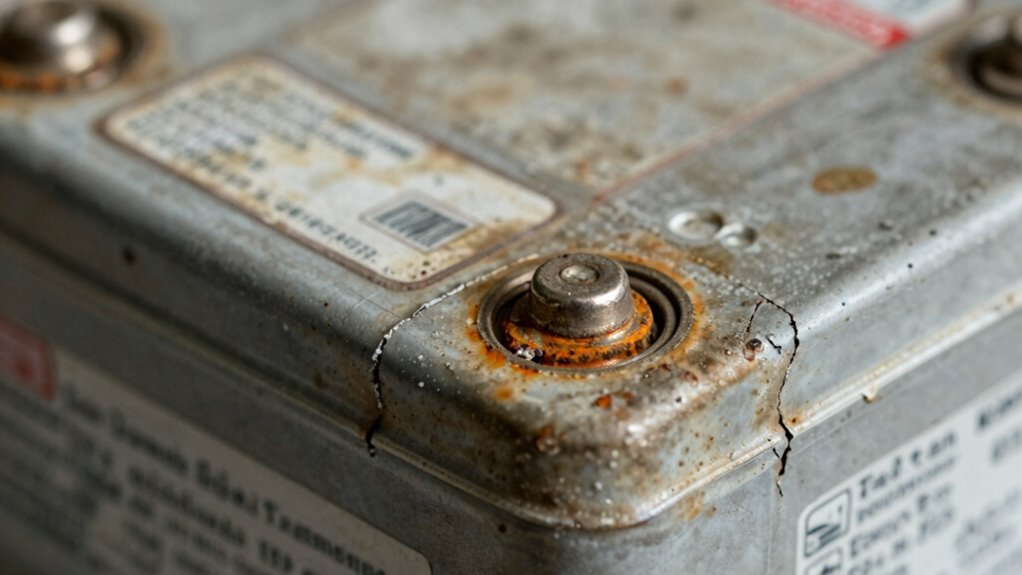

Your battery chemistry affects its long-term value because it determines how well the battery retains capacity and how durable it is over time. Chemical reactions inside influence how many charge cycles you can get before performance drops, and unstable materials can cause faster degradation. This impacts safety, efficiency, and overall lifespan. Understanding how chemistry changes can help you extend your battery’s usefulness and make smarter choices for durability and safety—there’s more to discover below.

Get travel and outdoor gear delivered free with Prime
- Fast, free delivery on millions of items
- Prime Video, Amazon Music and more included
- Member-only deals all year
Key Takeaways
- Battery chemistry determines how well a battery retains capacity over time, affecting long-term device performance.
- Chemical reactions in the battery influence material stability, impacting longevity and overall value.
- Degradation of materials due to chemical breakdown reduces charge capacity and increases internal resistance.
- Stable chemistries resist degradation, maintaining performance and safety, thus preserving long-term value.
- Understanding chemistry helps optimize battery lifespan, safety, and replacement timing, enhancing device reliability.
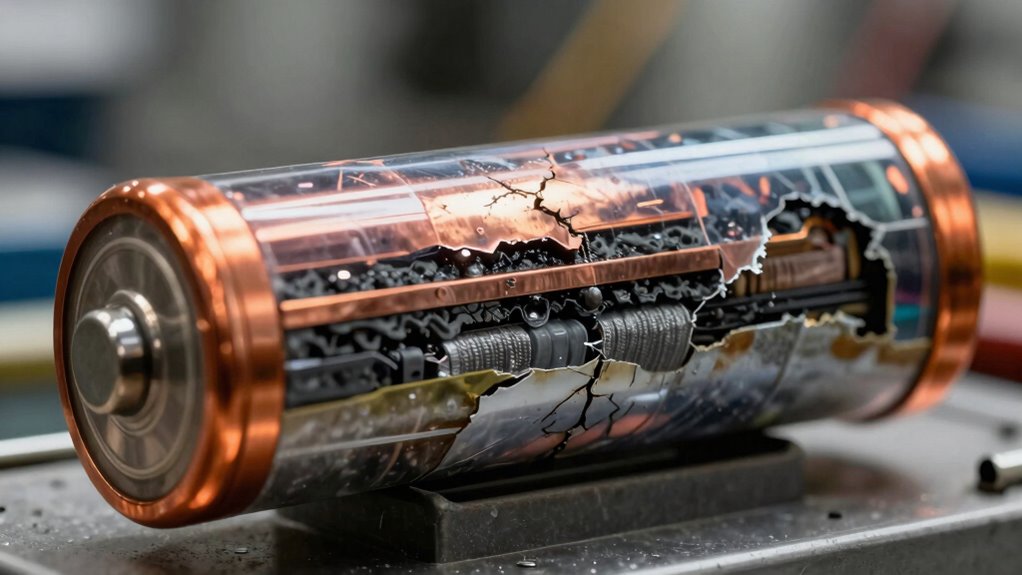
Understanding battery chemistry is essential because it directly impacts a battery’s long-term performance and value. When you use a device powered by a rechargeable battery, you’re relying on the chemical reactions occurring inside to store and release energy efficiently. Over time, these reactions influence how well your battery holds a charge, how many times it can be charged and discharged, and ultimately, how long it remains useful. Two key factors that determine this are charge cycles and material stability. Each charge cycle—the process of charging the battery from empty to full and back—gradually wears down the materials inside, affecting the overall longevity. The more charge cycles you go through, the more the internal materials degrade, leading to reduced capacity and efficiency.
Battery chemistry affects performance, longevity, and value through charge cycles and material stability.
Material stability plays a vital role in maintaining a battery’s long-term value because it dictates how well the internal components withstand repeated charge and discharge cycles. When the materials inside the battery are stable, they resist degradation, allowing the battery to perform consistently over many cycles. Conversely, if the materials are unstable, they break down more quickly, causing capacity loss, increased internal resistance, and potential safety issues. This degradation not only diminishes the battery’s ability to hold a full charge but also impacts its safety and reliability over time. The chemical composition of the battery influences how well these materials resist degradation, making battery chemistry a crucial factor in long-term performance. Additionally, understanding these processes can help manufacturers develop safer and more durable batteries for future use. Recognizing the impact of material stability on battery longevity can also guide consumers in choosing better-performing devices.
Understanding these chemistry-driven processes helps you make informed decisions about when to replace batteries or opt for different types. Recognizing that increased charge cycles and declining material stability lead to reduced performance can motivate you to adopt best practices—like avoiding complete discharges or extreme charging—to extend your battery’s lifespan. Ultimately, your long-term satisfaction with a rechargeable device hinges on the chemistry inside the battery, which governs how well it retains its value over time.
As an affiliate, we earn on qualifying purchases.
Frequently Asked Questions
How Do Different Battery Chemistries Impact Environmental Sustainability?
Different battery chemistries impact environmental sustainability by using eco-friendly materials that reduce harmful waste and pollution. For example, lithium iron phosphate batteries contain fewer toxic elements, making recycling easier. Recycling advancements help recover valuable materials, lowering the need for new resource extraction and decreasing environmental harm. By choosing batteries with sustainable chemistries and supporting recycling efforts, you contribute to a cleaner, greener future.
Can Battery Chemistry Improvements Reduce Overall Lifecycle Costs?
Improvements in battery chemistry can substantially reduce your overall lifecycle costs through cost optimization and material innovation. As you adopt advanced chemistries, you’ll find lower maintenance and replacement expenses, even as initial investments rise. By focusing on innovative materials, you enhance efficiency and longevity, which cuts down long-term spending. This juxtaposition of higher upfront costs with future savings makes smarter chemistry choices a vital strategy for reducing total lifecycle expenses.
What Role Does Battery Chemistry Play in Vehicle Range?
Battery chemistry directly impacts your vehicle’s range by influencing battery capacity and charging efficiency. Better chemistry allows for higher capacity, meaning your vehicle can store more energy, extending how far you can go on a single charge. It also improves charging efficiency, reducing the time needed to recharge. As a result, advancements in battery chemistry help you enjoy longer trips with less downtime, making electric vehicles more practical and appealing.
How Does Temperature Affect Various Battery Chemistries Over Time?
You might think temperature doesn’t impact your battery long-term, but it actually influences thermal stability and chemical degradation. High temperatures accelerate chemical reactions, causing faster degradation and reducing capacity over time. Cold temperatures slow down reactions, temporarily decreasing performance but preserving chemistry. Different chemistries respond uniquely; for example, lithium-ion batteries are sensitive to heat, risking safety issues, while others like solid-state are more thermally stable. Temperature management is key to long-term battery health.
Are Newer Battery Chemistries More Recyclable Than Traditional Ones?
Yes, newer battery chemistries are generally more recyclable than traditional ones. They often use materials that are easier to recover through advanced recycling processes, improving material recovery rates. By designing batteries with recyclability in mind, manufacturers make it simpler to break down the components and reclaim valuable materials. This not only reduces environmental impact but also supports a more sustainable supply chain for future technologies.
Conclusion
Understanding how battery chemistry evolves over time is essential for maximizing long-term value. As you choose and care for your batteries, remember that their chemistry can dramatically influence performance and lifespan—like a tiny miracle working behind the scenes. Stay informed, optimize usage, and you’ll reveal the full potential of your batteries, ensuring they serve you longer than you ever imagined possible. Don’t underestimate the power of chemistry—it’s the secret weapon in your tech arsenal!
Halloween Picks
halloween
As an affiliate, we earn on qualifying purchases.