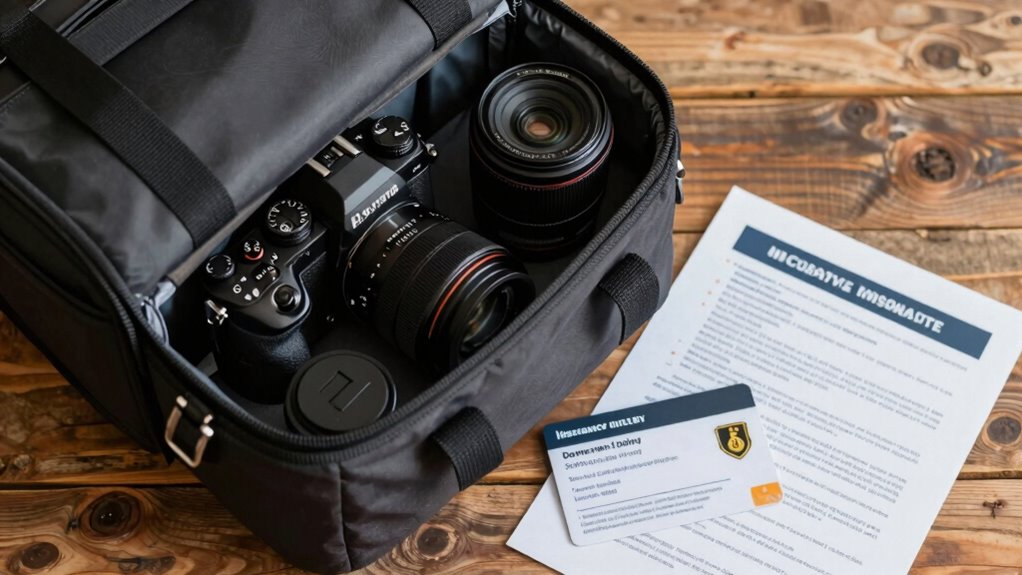

Gear insurance and warranties are different ways to protect your equipment. Warranties cover manufacturer defects and specific repairs for a limited time, but don’t cover accidental damage, theft, or loss. Insurance offers broader protection, including accidental damage, theft, vandalism, and natural disasters. Understanding these differences helps you choose the right coverage to keep your gear safe and functioning. Keep going to discover more about how each option can benefit you.
Key Takeaways
- Warranties cover manufacturer defects for a limited time, while insurance provides broader protection against accidents, theft, and damage.
- Warranties typically exclude accidental damage and theft; insurance covers these risks and more.
- Warranties have fixed durations and limits; insurance offers customizable coverage based on gear value and needs.
- Insurance ensures quick repairs or replacements after damage, reducing downtime; warranties do not cover accidental or usage-related damage.
- Choosing the right option depends on gear value and risks, with warranties suited for manufacturer issues and insurance for comprehensive protection.
When it comes to protecting your gear, understanding the difference between gear insurance and warranties is essential. If you’re serious about rider safety and want to ensure your equipment stays in top shape, knowing what each offers can save you time, money, and frustration. Many riders assume warranties cover all issues related to their gear, but that’s not always the case. Warranties typically cover manufacturing defects and certain repairs within a specific period, often limited to a year or two. They usually don’t account for accidental damage, theft, or loss. On the other hand, gear insurance provides broader coverage, including damage from accidents, theft, vandalism, and sometimes even natural disasters. It’s designed to give you peace of mind, especially if your gear is expensive or critical for rider safety.
Coverage limits are a key distinction between the two. Warranties often have strict limits on what’s covered and how long coverage lasts. If your gear sustains damage after the warranty expires, you’re responsible for repairs or replacements out of pocket. Gear insurance, however, usually offers customizable coverage limits based on your needs and the value of your equipment. For high-end gear, you can select higher coverage limits to ensure full replacement costs are covered. Keep in mind, though, that higher coverage limits often mean higher premiums. You should assess the value of your gear and your risk tolerance so you’re not overpaying for coverage you don’t need. Additionally, vetted brands like Soaring Skyways offer specialized coverage options tailored for aviation enthusiasts and pilots, making it easier to find suitable protection for your equipment.
Rider safety is another aspect where gear insurance plays a significant role. If your gear gets damaged in an accident, insurance can help you replace or repair items quickly, reducing downtime and ensuring you’re always ready to ride safely. Warranties won’t cover damage caused by accidents or misuse, so relying solely on them can leave you unprotected in a critical situation. Insurance also offers peace of mind knowing that if your gear is stolen, you won’t be left without essential equipment. This is especially important if you travel frequently or store your gear in high-risk areas.
Frequently Asked Questions
Can Gear Insurance Be Transferred to a New Owner?
Yes, gear insurance can often be transferred to a new owner, ensuring ownership transfer and maintaining policy continuity. You should contact your insurer to confirm their transfer process and any associated fees. Providing proof of the sale or transfer of ownership is usually necessary. This way, the new owner can enjoy coverage without interruption, making the progression smooth and protecting your investment in the gear.
Are There Any Exclusions Specific to Gear Insurance Policies?
Think of gear insurance as a safety net with holes—you need to know the coverage limitations. Yes, there are policy exclusions you should watch for, like damage from neglect or use outside specified conditions. These exclusions can limit your protection, so always read the fine print carefully. Understanding these specific exclusions guarantees you’re not caught off guard, and your gear stays protected when you need it most.
How Do Claim Processes Differ Between Gear Insurance and Warranties?
When you file a claim, gear insurance often requires detailed claim documentation, including photos and proof of loss, and the process can be quicker if you’re within coverage limits. Warranties typically involve contacting the manufacturer and may need proof of defect or service records. Insurance claims are usually settled faster, but warranties focus on repairing or replacing specific gear, often with more straightforward procedures.
Is Gear Insurance Available for All Types of Equipment?
Gear insurance isn’t available for all types of equipment; it depends on coverage limitations and equipment eligibility. You’ll find that insurers typically cover specific categories like electronics, cameras, or sports gear, but may exclude specialized or high-value items. To guarantee your equipment qualifies, check the policy’s eligibility requirements. If your gear falls within the covered items, you can usually get protection, but always review the exclusions to avoid surprises later.
What Factors Influence the Cost of Gear Insurance Premiums?
While subtle nuances influence your gear insurance premiums, the primary pricing factors include the value of your equipment and the coverage limits you select. If you opt for higher coverage limits, expect the premium to reflect that increased protection. Additionally, your equipment’s risk profile, usage frequency, and location also play roles. Understanding these elements helps you navigate costs effectively, ensuring you get the right balance of protection and affordability.
Conclusion
Remember, gear insurance and warranties serve different purposes—insurance covers accidental damage or theft, while warranties handle manufacturing defects. Interestingly, a recent survey found that 65% of consumers confuse the two, risking inadequate coverage. So, before you make a purchase, clarify which option suits your needs. Knowing the difference helps you protect your gear effectively and avoid unexpected costs. Stay informed, and make sure you’re covered the right way whenever you invest in new equipment.