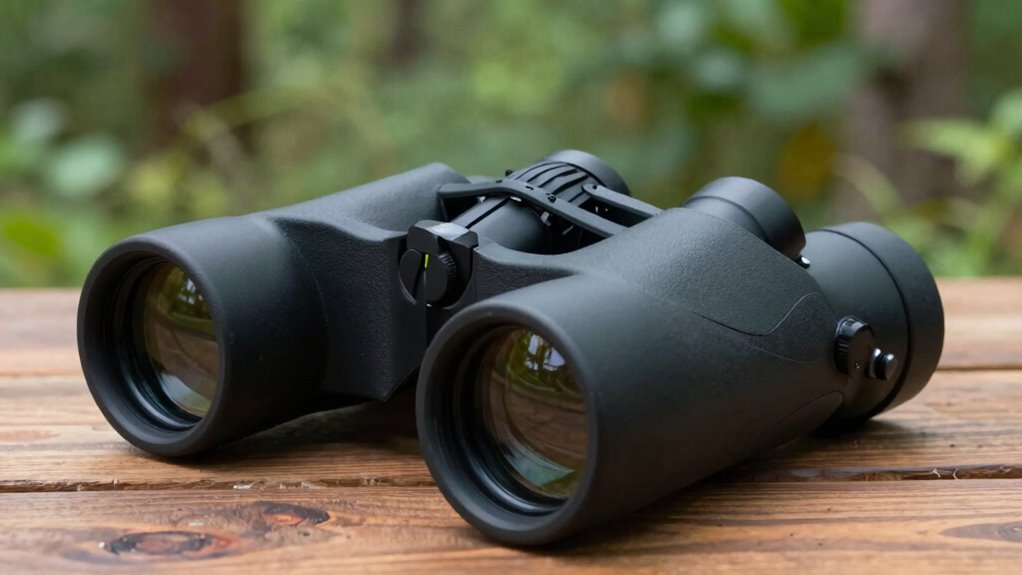

Image stabilized binoculars change everything by giving you a steady, clear view no matter how shaky your hands are. They automatically detect motion and adjust the optics to reduce blur, making long observation sessions more comfortable and less tiring. With lightweight, portable designs, these binoculars are easy to use in various scenarios like birdwatching or sports. Keep exploring, and you’ll discover how this innovative feature can truly enhance your viewing experience.
Key Takeaways
- Stabilized binoculars provide a clear, steady view even in shaky conditions without needing a tripod.
- They use sensors and gyroscopes to automatically counteract hand movements for enhanced image clarity.
- Modern designs are compact, lightweight, and ergonomic, making them easy to carry and handle.
- They reduce eye strain and enable longer, more comfortable observation sessions.
- This technology significantly improves the overall viewing experience, especially in nature, sports, or surveillance activities.
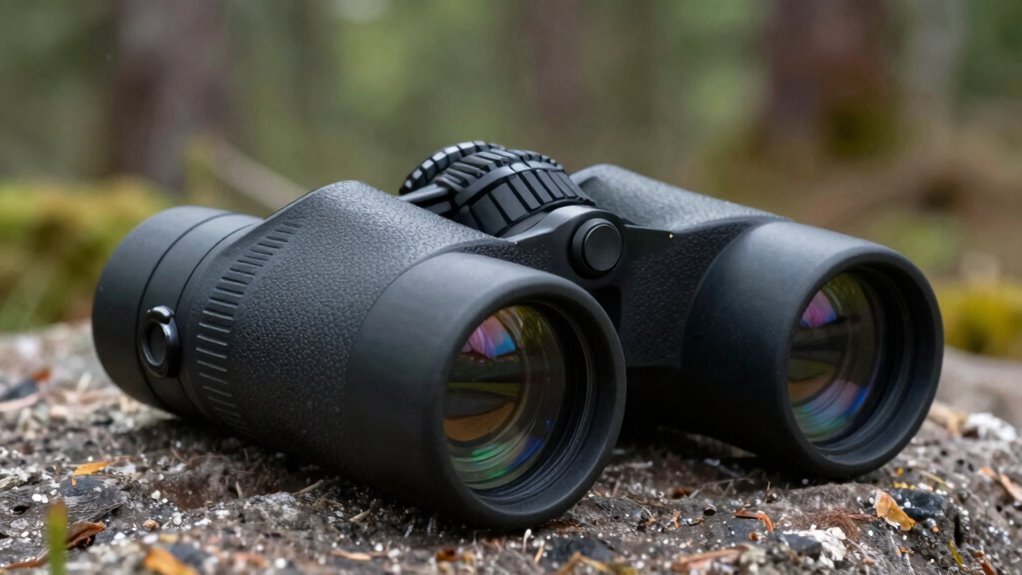
Image stabilized binoculars are a game-changer for anyone who wants a clear, steady view even in shaky conditions. If you’ve ever tried to watch distant wildlife or sports events, you know how frustrating it can be when your hands tremble, causing blurry or jittery images. That’s where advanced binocular technology, specifically image stabilization, makes all the difference. It actively counteracts hand movements, giving you a smooth, stable viewing experience, no matter how unsteady your hands are.
With image stabilization integrated into binoculars, you no longer need to brace yourself or find a steady surface to get a clear view. The technology works by using tiny sensors and gyroscopes to detect motion. When movement occurs, the binoculars automatically adjust the optical elements or internal prisms to stabilize the image. This process is fast and seamless, allowing you to focus on what you’re observing rather than fighting with shaky visuals. It’s especially useful during long observation sessions, where even slight hand fatigue can cause noticeable tremors.
Binocular technology has evolved considerably, and modern image stabilized models are compact, lightweight, and user-friendly. They often feature ergonomic designs that fit comfortably in your hands, making extended use more manageable. Many models also incorporate digital image stabilization, which enhances the clarity further by digitally compensating for any remaining movement or vibrations. This combination of optical and digital stabilization ensures that your view remains steady and sharp across various scenarios, whether you’re scanning a vast landscape, birdwatching, or attending a sporting event in a crowded stadium.
Modern image stabilized binoculars are compact, ergonomic, and combine optical and digital stabilization for a steady, clear view.
What’s particularly impressive about these binoculars is how accessible they’ve become. Originally, stabilization technology was bulky and expensive, but recent advances have made these features more affordable and portable. You don’t need to be a professional or a serious enthusiast to benefit from them; even casual users can enjoy crisp, stable images with minimal effort. The technology also minimizes eye strain, allowing you to observe for longer periods without discomfort. Additionally, understanding field‑of‑view is essential when choosing binoculars to ensure you capture the desired area comfortably.
In short, image stabilization isn’t just a fancy feature—it fundamentally alters how you experience viewing distant objects. By integrating sophisticated binocular technology, these binoculars eliminate the common frustrations of shaky images, delivering a steady, clear view every time. Whether you’re exploring nature, watching sports, or engaging in surveillance, these binoculars elevate your experience, making observation more comfortable, accurate, and enjoyable.
Frequently Asked Questions
Are Image Stabilized Binoculars Suitable for Night Vision?
Yes, image stabilized binoculars can be suitable for night vision if they offer good night vision compatibility and low light performance. Look for models with enhanced optics and coatings that improve visibility in darkness. While stabilization helps reduce shake, it doesn’t replace specialized night vision features. Combining image stabilization with quality low-light performance makes these binoculars effective for nighttime viewing, ensuring sharper images and better clarity in low light conditions.
How Do They Compare in Weight to Traditional Binoculars?
You’ll notice that image stabilized binoculars are generally heavier than traditional models due to their advanced stabilization mechanisms. The weight difference can range from a few ounces to over a pound, but many feature ergonomic designs to help you hold them comfortably. While they may be slightly bulkier, the enhanced stability often outweighs the added weight, making them ideal for extended use without fatigue.
Can They Be Used for Underwater Viewing?
No, image stabilized binoculars aren’t designed for underwater use. They’re perfect for marine exploration and underwater photography on the surface, helping you see clearly even in choppy conditions. However, their electronic components and seals aren’t waterproof, so submerging them could damage the device. For underwater viewing, look for waterproof or diving binoculars specifically built to withstand water pressure and moisture, ensuring durability and clear vision beneath the surface.
What Is the Typical Battery Life for Stabilization?
You’ll typically get around 8 to 12 hours of battery longevity from stabilized binoculars, depending on the model and usage. Power management features help extend this time by reducing unnecessary power drain when stabilization isn’t needed. To maximize battery life, turn off stabilization when not in use and keep spare batteries handy. Always check the manufacturer’s specifications for your specific model, as they can vary.
Are They Compatible With Smartphone Adapters?
Yes, many image stabilized binoculars are compatible with smartphone adapters, allowing you to easily attach your phone for photos and videos. Check the adapter compatibility with your specific binocular model, as some brands offer dedicated adapters that fit seamlessly. Keep in mind that smartphone compatibility varies, so verify that the adapter you choose supports your device’s size and camera placement, ensuring a secure fit and ideal image capture.
Conclusion
With image stabilized binoculars, you’ll experience a whole new level of clarity and ease, especially during long viewing sessions. Did you know that over 60% of binocular users report improved viewing comfort and reduced eye strain with this feature? It’s a game-changer that makes wildlife watching, sports events, or sightseeing more enjoyable and less frustrating. Once you try stabilized binoculars, you’ll wonder how you ever managed without them—it’s truly a feature that changes everything.