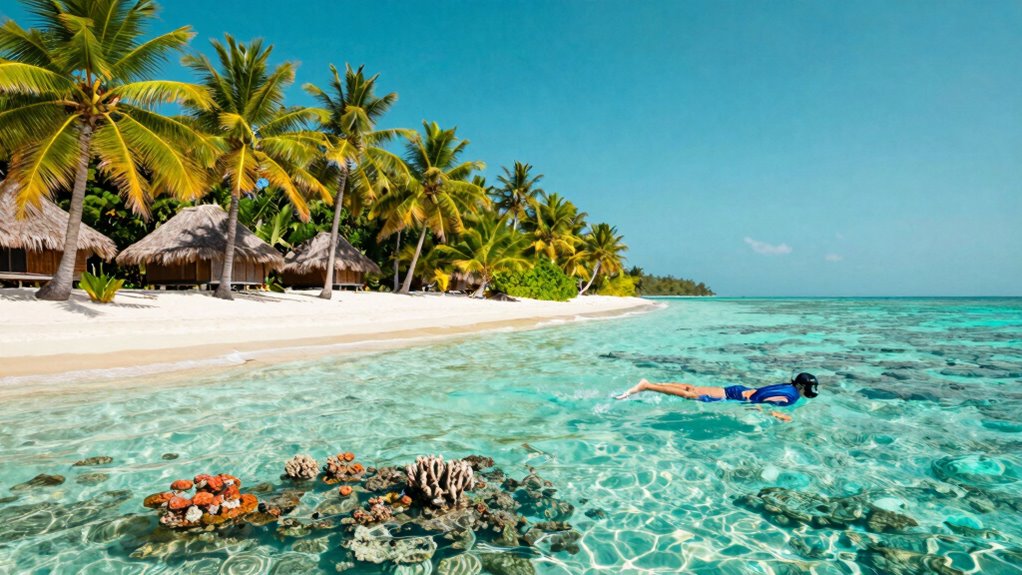

Many travelers believe Pacific Islands are dangerous or hard to access, but modern transportation and improved infrastructure prove otherwise. Common myths also include the idea that tourism harms pristine environments, yet many communities promote eco-friendly tourism. People often forget the importance of respecting local customs, which enriches your experience. If you stay open-minded and responsible, you’ll see these islands are vibrant, welcoming, and full of culture. There’s more to discover beyond these misconceptions.

Get travel and outdoor gear delivered free with Prime
- Fast, free delivery on millions of items
- Prime Video, Amazon Music and more included
- Member-only deals all year
Key Takeaways
- Many believe Pacific Islands are inaccessible, but modern flights and ferries make travel easier than assumed.
- Tourists often think the islands are dangerously remote, overlooking existing infrastructure and safety measures.
- Visitors may assume tourism harms pristine environments, despite many islands promoting eco-friendly practices.
- There’s a misconception that local cultures are unwelcoming or misunderstood, whereas respectful engagement enriches experiences.
- Travelers sometimes underestimate the vibrancy and diversity of Pacific Island cultures beyond stereotypes.
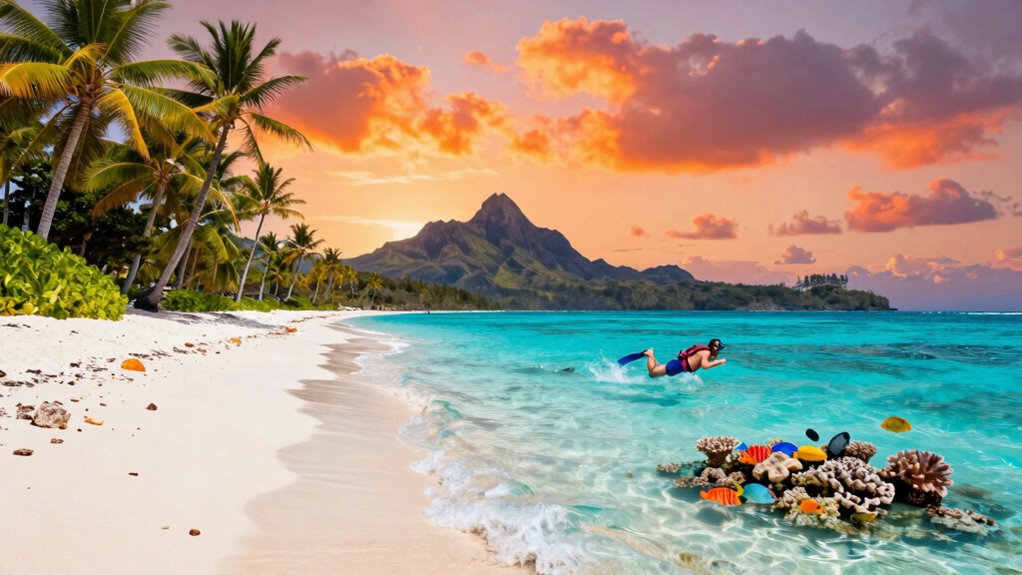
Many travelers hesitate to explore the Pacific Islands because of lingering myths that paint these destinations as dangerous or inaccessible. These misconceptions often stem from a lack of understanding about the local cultures and environments, leading to unnecessary fears about safety or respecting the land. However, once you look beyond these stereotypes, you’ll find that the islands are welcoming, vibrant, and rich with history. It’s vital to recognize that cultural misunderstandings can sometimes cause visitors to unintentionally offend locals or disrespect customs. For example, certain gestures, dress codes, or photography restrictions may be misinterpreted, but learning a little about the local traditions beforehand can help you navigate these differences respectfully. Engaging with the community and showing genuine interest in their culture fosters positive interactions and enriches your experience.
Another common misconception involves environmental impacts. Many assume that tourism automatically damages these pristine islands, but responsible travel practices can minimize your footprint. The truth is, many island communities actively promote eco-friendly tourism, emphasizing conservation efforts and sustainable resource use. As a visitor, you can play an essential role by sticking to designated trails, avoiding single-use plastics, and supporting local businesses that prioritize environmental preservation. Being mindful of your actions not only helps protect the fragile ecosystems but also ensures that these beautiful places remain unspoiled for future travelers. It’s tempting to view the islands as unlimited paradises, but understanding the delicate balance of their ecosystems encourages more respectful and sustainable interactions. Recognizing the environmental challenges faced by these islands highlights the importance of responsible tourism. Additionally, educating yourself about the local conservation initiatives can further enhance your contribution to preserving these unique environments. Furthermore, understanding the impact of climate change on these islands underscores the urgency of sustainable tourism practices and global awareness. Incorporating eco-conscious behaviors into your travel plans can make a meaningful difference in safeguarding these natural treasures.
Furthermore, many people overlook how accessible these islands are today. Modern transportation options, improved infrastructure, and increasing tourism services have made reaching the Pacific Islands easier than ever. You no longer need to be an intrepid explorer to enjoy these destinations; many islands are well connected through flights and ferries, and accommodations cater to diverse budgets. This accessibility dispels the myth that the islands are remote or isolated, allowing you to plan your trip with confidence. It’s also worth noting that the local hospitality industry has grown significantly, making visitors feel welcomed and comfortable during their stay. Still, it’s wise to respect local customs and environmental guidelines during your visit, as doing so guarantees a positive experience for everyone involved.
In the end, the myths surrounding Pacific Islands travel often overshadow the reality: these islands are accessible, culturally rich, and environmentally conscious destinations. By approaching your trip with an open mind, a respect for local traditions, and responsible travel habits, you’ll discover a world that’s far more inviting and fascinating than the myths suggest.
Frequently Asked Questions
Are Pacific Islands Safe for Solo Travelers?
Yes, Pacific Islands are generally safe for solo travelers, but you should practice cultural sensitivity and stay aware of your surroundings. Respect local customs and traditions to foster positive interactions. Also, be prepared for emergencies by knowing local emergency contacts and carrying essentials like a first aid kit. Staying cautious and respectful guarantees a smooth, enjoyable trip, allowing you to immerse yourself fully in the stunning beauty and rich culture of the islands.
Do All Islands Have Modern Amenities and Infrastructure?
Not all islands have modern amenities and infrastructure, as many preserve their unique cultural traditions and island ecology. While some popular destinations boast contemporary facilities, others prioritize sustainability and traditional lifestyles, leading to limited services. You might find basic accommodations and fewer modern conveniences on less-developed islands. To enjoy your trip fully, research each island’s level of development, respecting local customs and environmental preservation efforts.
Can I Find Authentic Local Cuisine Easily?
Sure, finding authentic local cuisine in the Pacific Islands is a breeze—if you know where to look. Don’t expect fancy restaurants; instead, seek out bustling food stalls, local markets, and family-run eateries. Here, culinary authenticity shines in dishes like freshly caught seafood, tropical fruits, and traditional cooking methods. Embrace the simplicity, and you’ll discover that true local food offers the richest taste of island life.
Are Pacific Islands Always Expensive to Visit?
Pacific Islands aren’t always expensive to visit. You can find budget accommodations, especially if you plan ahead and compare options. Participating in cultural festivals is often affordable and enriches your experience without breaking the bank. Traveling during off-peak seasons also helps save money. With some research and flexibility, you can enjoy the islands’ beauty and culture without overspending, making your trip both memorable and budget-friendly.
Is It Necessary to Speak Local Languages to Travel There?
You don’t need to speak the local language to enjoy your trip, but understanding some cultural language basics helps bridge communication barriers. Learning simple phrases shows respect and effort, making interactions smoother. Many locals appreciate visitors who try to connect through language, even if it’s just greetings or thank-yous. You’ll find that embracing the culture, including its language, enriches your experience and fosters genuine connections with the community.
Conclusion
Don’t let myths steer your Pacific Islands adventure. Many travelers believe it’s all about luxury resorts, but the real magic lies in authentic experiences and untouched landscapes. Did you know that over 70% of visitors miss out on local cultural events? By embracing local traditions and exploring beyond the resorts, you’ll create unforgettable memories. So, go beyond the myths and discover the true spirit of the Pacific Islands—you won’t regret it.
Halloween Picks
halloween
As an affiliate, we earn on qualifying purchases.