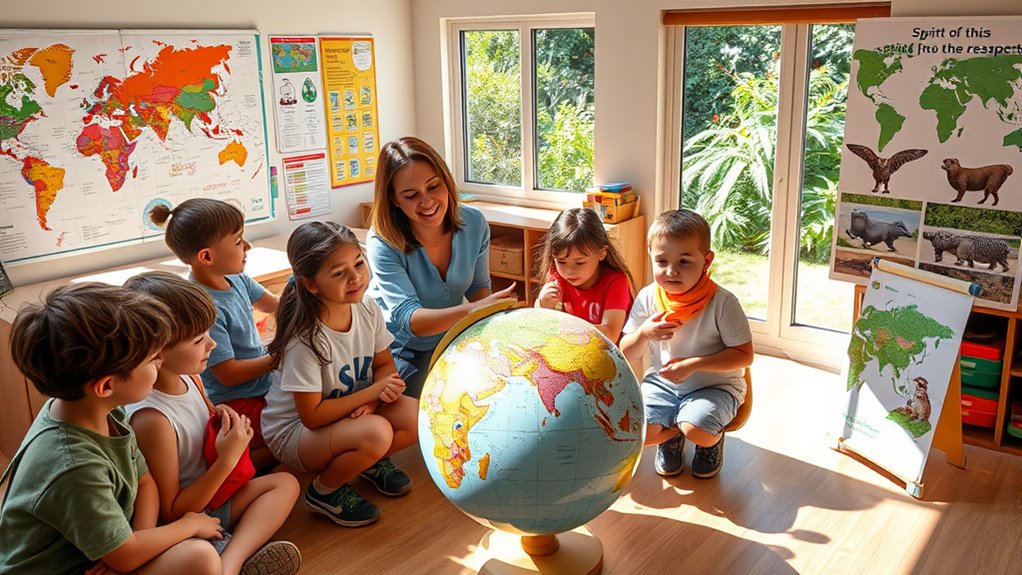

Teaching kids to be gentle travelers means encouraging them to respect local customs and appreciate cultural diversity. Explain the importance of observing traditions and dressing appropriately in different environments. Encourage eco-friendly habits, such as using reusable items and reducing waste, to minimize their impact on the planet. By fostering these values, you help them become thoughtful travelers who contribute positively to communities they visit. Discover more insights on nurturing responsible travel habits for your kids.
Key Takeaways
- Teach children to appreciate cultural diversity by explaining local customs, traditions, and languages when traveling to new destinations.
- Encourage respectful behavior by observing local practices and participating in cultural ceremonies to enhance their travel experience.
- Instill eco-friendly habits, such as using reusable items and minimizing waste, to promote environmental sustainability during travels.
- Discuss the importance of mindful travel choices, like walking or biking, to reduce pollution and support local communities.
- Foster lifelong values of responsible travel by highlighting how their actions can positively impact the places they visit.
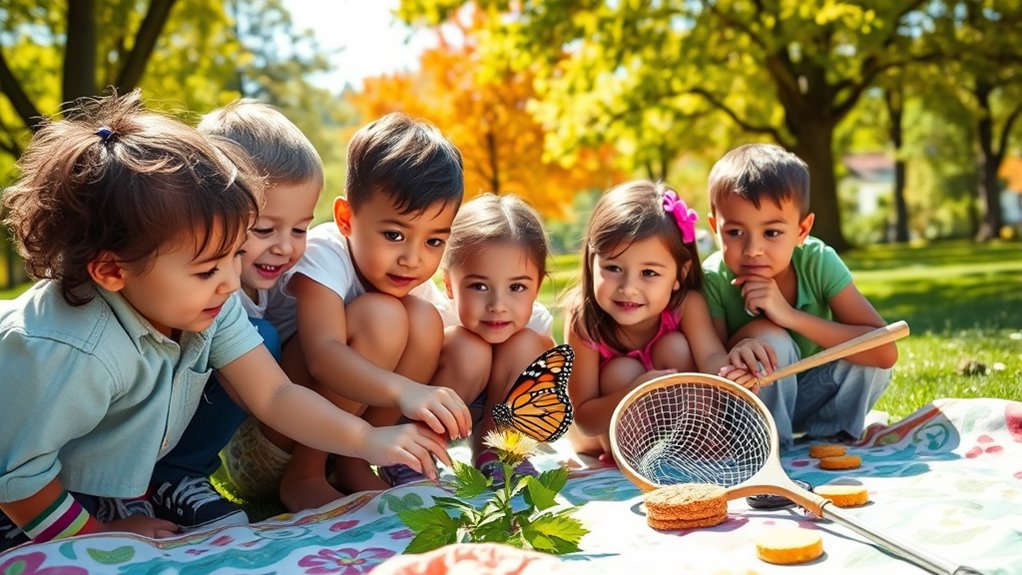
Traveling can be an exciting adventure for families, but it’s essential to teach kids how to be gentle travelers. When you undertake a journey, you’re not just visiting a new place; you’re stepping into a community with its own customs and values. Instilling a sense of cultural sensitivity in your kids helps them appreciate the diversity of the world around them. Explain how different cultures might have unique traditions, languages, and ways of life. Encourage them to ask questions and learn about these differences rather than making assumptions. This approach fosters respect and understanding, which are vital for a harmonious travel experience.
You can start by discussing the importance of treating local customs with respect. When visiting a new destination, remind your children to observe local practices, whether it’s dressing appropriately when visiting religious sites or participating in traditional ceremonies. By doing this, they not only show respect but also gain a richer experience. Encourage them to interact with locals, ask for their stories, and listen actively. This way, your kids will learn to appreciate the beauty of diversity, making their adventures more meaningful.
Another key aspect of gentle traveling is understanding the environmental impact of your actions. Teach your kids about the importance of preserving the places you visit. Explain how littering, overusing resources, or damaging natural habitats can harm the environment and disrupt local communities. Encourage them to adopt eco-friendly habits, like using reusable water bottles, minimizing waste, and choosing sustainable options during your travels. You might even consider involving them in local environmental initiatives, such as beach clean-ups or tree planting, to help them connect their actions to the well-being of the planet. Additionally, remind them that remote work can often allow families to travel more sustainably by reducing the need for frequent long-distance commutes.
Lastly, reinforce the idea that being a gentle traveler means being mindful of the footprint you leave behind. Share stories of how small actions can lead to significant changes. For example, by choosing to walk or bike instead of driving, they can help reduce pollution and experience the destination more intimately. As you explore the world together, remind them that their choices matter. By embodying cultural sensitivity and environmental consciousness, your children can become thoughtful travelers who contribute positively to the places they visit. Through these lessons, you’re not just teaching them about travel; you’re instilling lifelong values that will guide them in their future adventures.
Frequently Asked Questions
What Are the Benefits of Traveling With Kids?
Traveling with kids offers immense benefits, like cultural exposure and family bonding. You’ll witness their curiosity as they experience new places, foods, and traditions, broadening their understanding of the world. These shared adventures create lasting memories and strengthen your family ties. As you navigate different environments together, you’ll build teamwork and communication skills, helping you grow closer. Plus, you’ll instill a sense of adventure and appreciation for diversity in your children.
How Can I Choose a Family-Friendly Destination?
To choose a family-friendly destination, think of a vibrant tapestry woven with cultural sensitivity and local customs. Look for places that offer engaging activities for kids, like interactive museums or nature parks. Research destinations known for their welcoming atmosphere and family-oriented accommodations. Consider the age of your children, ensuring there’s something for everyone. Ultimately, check reviews from other families to see how well the destination caters to your needs and interests.
What Travel Gear Is Essential for Kids?
When you’re packing for your kids, essential travel gear includes a sturdy car seat for child safety, a compact stroller, and a lightweight backpack for their essentials. Don’t forget snacks, entertainment, and a first-aid kit for emergencies. Packing tips like rolling clothes can save space, while packing cubes keep everything organized. Always make certain you have sunscreen and hats for outdoor adventures. With the right gear, you’ll make traveling smoother for everyone!
Are There Travel Apps for Kids?
Absolutely, there are travel apps for kids that’ll make your trips more fun than a treasure hunt! Look for apps packed with interactive games that keep them entertained while you travel. Some even cover travel safety, teaching your little ones how to stay safe while exploring new places. Whether it’s educational or just plain fun, these apps can turn travel time into a delightful adventure for both you and your kids!
How Do I Handle Travel Emergencies With Children?
When handling travel emergencies with children, stay calm and focused. First, have a packing list that includes essential items like a first-aid kit and any medications. Teach your kids about emergency preparedness by discussing what to do if they get lost or if there’s a sudden change in plans. Keep important contact information handy and establish a meeting point. Being organized and having a plan can make all the difference in stressful situations.
Conclusion
By instilling gentle travel habits in your kids, you’re planting seeds for a brighter future. Just like a butterfly flaps its wings to create ripples across the world, your children’s small acts of kindness can inspire change. When they leave a beach cleaner than they found it or respect local cultures, they’re not just travelers; they’re ambassadors of goodwill. So, let’s nurture these gentle travelers, for their actions can turn the tide towards a more compassionate world.