
Great wildlife viewing gear isn’t always the biggest because smaller, lightweight equipment lets you move quietly and stay hidden. Heavy gear can tire you out and make noise, scaring away animals. Compact, versatile gear is easier to carry and quicker to access, helping you adapt to different situations. Spending less time fumbling around means more chances to observe wildlife naturally. Keep going to discover how choosing the right gear can improve your chances even further.

Get travel and outdoor gear delivered free — and shop member deals
- Fast, free delivery on millions of items
- Access to Prime Big Deal Days deals on October 6–7
- Prime Video, Amazon Music and more included
Key Takeaways
- Larger gear can hinder mobility and quiet movement, reducing chances of natural wildlife observation.
- Lightweight, compact gear is easier to carry and less tiring during extended viewing sessions.
- Smaller, versatile equipment allows for quick access and adaptability in unpredictable wildlife situations.
- Inconspicuous gear and camouflage improve concealment, increasing opportunities for observing animals naturally.
- Functionality and suitability are more important than size for effective, comfortable wildlife viewing.
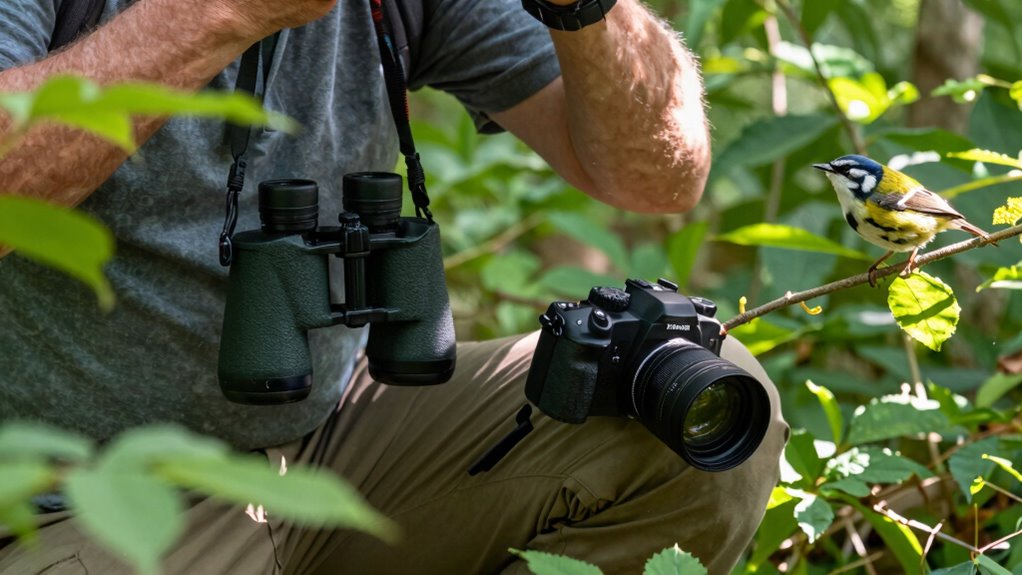
When it comes to wildlife viewing, bigger gear isn’t always better. While it might seem intuitive that larger, more powerful equipment guarantees better sightings, that’s often not the case. Instead, the right gear is about balance, mobility, and subtlety. For example, wearing camouflage clothing helps you blend into your surroundings, making it easier to observe animals without startling them. Bright colors or loud clothing can scare wildlife away before you even get close enough to see anything clearly. Camouflage clothing allows you to remain inconspicuous, giving you a better chance to witness animals in their natural habitat without disrupting their behavior.
Similarly, lightweight binoculars are a smarter choice than bulky, heavy models. You might think that bigger lenses and higher magnification will give you a better view from farther away, but they come with drawbacks. Heavy binoculars can be tiring to hold for extended periods, especially during long hikes or while waiting patiently in the field. Their weight can strain your arms and shoulders, reducing your stamina and enjoyment. Lightweight binoculars, on the other hand, are easier to carry and less fatiguing, so you’re more likely to keep them handy for as long as you need. They might have smaller lenses, but modern technology has made it possible to get excellent clarity and brightness without the extra bulk. This means you can stay focused on observing wildlife rather than wrestling with cumbersome gear.
The key is to prioritize functionality over size. Small, portable gear often enables you to move quietly and remain unnoticed, which is crucial when you’re trying to observe shy or elusive animals. Big, heavy equipment might seem impressive, but if it hampers your mobility or causes fatigue, it defeats the purpose. Instead, select gear that you can carry comfortably and that enhances your ability to see and stay hidden. Good binoculars, lightweight and easy to use, combined with clothing that helps you blend in, will make your wildlife viewing experiences more successful and enjoyable. Remember, the goal isn’t just to have the biggest gear but to have the right gear for the situation, so you can spend more time observing and less time fussing with equipment. Using appropriate gear increases your chances of a successful wildlife encounter. Additionally, choosing gear with compact design allows for easier transportation and quick access, which can be crucial during unpredictable wildlife moments. An often-overlooked aspect is the importance of gear versatility, enabling you to adapt to different environments and situations during your wildlife excursions. Proper gear maintenance also plays a vital role in ensuring your equipment remains reliable and effective, especially in outdoor conditions where dirt and moisture are common.
lightweight binoculars for wildlife viewing
As an affiliate, we earn on qualifying purchases.
As an affiliate, we earn on qualifying purchases.
Frequently Asked Questions
How Do Lightweight Gear Options Compare in Durability?
Lightweight gear options often have good durability, but you should consider durability concerns with material durability in mind. Modern materials like carbon fiber and high-quality plastics are designed to withstand rough conditions, so they hold up well over time. While they might be less bulky, their strength and resilience make them reliable for wildlife viewing adventures. Just make certain you choose gear made from durable, tested materials for long-lasting performance.
What Are the Best Compact Binoculars for Travel?
Did you know that nearly 60% of travelers prefer compact binoculars for wildlife viewing? For travel convenience, the best compact binoculars feature a lightweight, durable design that fits easily into your bag or pocket. Look for models with a good zoom range, clear optics, and a sturdy build. Brands like Nikon, Vortex, and Zeiss offer excellent options that deliver sharp images without adding bulk, perfect for your adventures on the go.
Can Small Gear Sets Replace Larger, Traditional Wildlife Kits?
Small gear sets can often replace larger wildlife kits, especially with tools like miniature cameras and portable tripods. These compact options are lightweight, easy to carry, and quick to set up, allowing you to capture quality images and videos without lugging heavy equipment. While they might lack some features of bigger gear, they’re perfect for spontaneous sightings and travel, making your wildlife experience more enjoyable and less cumbersome.
How Does Gear Weight Affect Wildlife Observation Quality?
Did you know that lighter gear can improve your wildlife observation experience by up to 30%? When gear is lightweight, it enhances ergonomics, reducing fatigue during long hours. Proper weight distribution is essential, preventing strain on your shoulders and back. If your gear feels balanced and easy to handle, you’ll stay focused and alert, making your wildlife viewing more enjoyable and efficient without the burden of heavy equipment.
Are There Any Hidden Costs With Smaller Wildlife Gear?
Yes, smaller wildlife gear can have hidden costs. While it offers better cost efficiency and easier gear compatibility, you might need to buy additional accessories or replacements to achieve ideal performance. Compact gear may also require more careful handling, increasing the risk of damage. Additionally, some smaller equipment may lack advanced features, leading to potential compromises in observation quality. Always weigh these hidden costs against the benefits before choosing smaller wildlife gear.
Conclusion
Remember, the best wildlife gear isn’t about size; it’s about how well you listen and observe. Like a small, steady lighthouse guiding ships safely through dark waters, your compact gear can illuminate the wild’s secrets without overwhelming the scene. Sometimes, less truly is more—allowing you to blend into the environment and see what others miss. Trust in your gear’s subtle strength, and the wilderness will reveal its hidden stories just for you.
Fall Picks
fall essentials
As an affiliate, we earn on qualifying purchases.