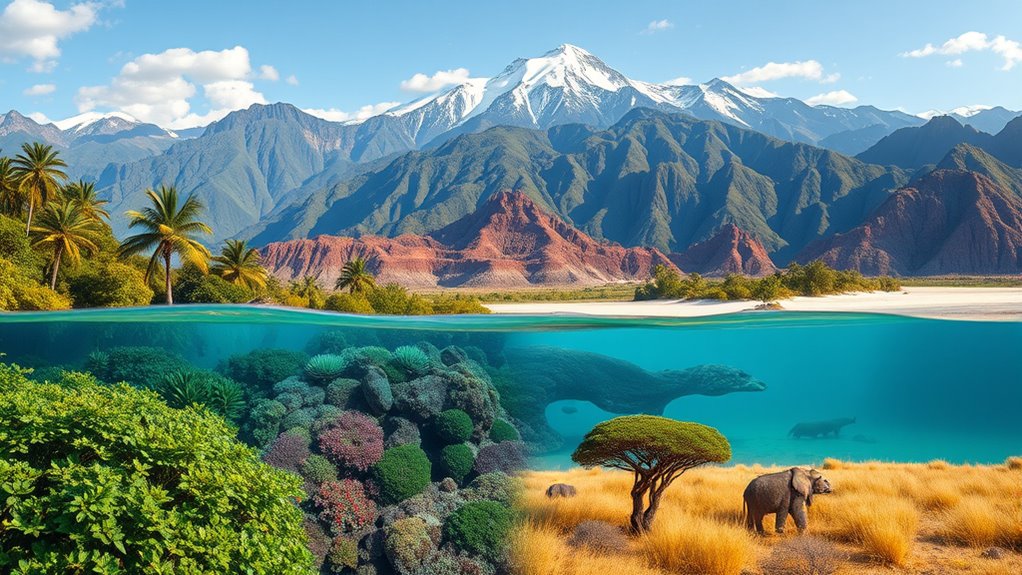

Traveling for biodiversity is a rewarding journey that lets you explore diverse biomes while supporting conservation efforts. By visiting rainforests, coral reefs, and savannahs, you connect with nature’s beauty and witness the delicate balance of ecosystems. Your travel choices can directly impact local economies and promote sustainable practices, ensuring these natural wonders are preserved for future generations. Plus, the stories you bring back can inspire others. Discover how to best plan your eco-conscious adventures!
Key Takeaways
- Explore diverse biomes like rainforests, coral reefs, and savannahs to experience unique ecosystems and their biodiversity firsthand.
- Prioritize destinations that promote sustainable tourism to support local economies and conservation efforts while minimizing environmental impact.
- Engage in conservation activities during trips to connect with like-minded travelers and contribute to biodiversity protection initiatives.
- Witness the effects of climate change and habitat destruction firsthand, motivating personal and collective environmental advocacy actions.
- Create a bucket list of eco-friendly travel experiences that foster appreciation for nature and commitment to preserving it for future generations.
Traveling for biodiversity isn’t just about exploring new landscapes; it’s about connecting with the planet’s rich ecosystems. When you set out on journeys focused on biodiversity, you’re not merely a traveler; you become an advocate for the environment. Each trip offers a unique opportunity to witness the delicate balance of nature, understand its intricacies, and appreciate the diversity of life that exists on Earth. By immersing yourself in various biomes, you’ll gain insights into the importance of preserving these habitats.
Traveling for biodiversity connects you with ecosystems, transforming your journey into a powerful advocacy for the environment.
One of the most significant aspects of conservation travel is its potential to create positive ecotourism impacts. You might not realize it, but your travels can contribute to local economies, providing financial support for conservation efforts. By choosing destinations that prioritize sustainability, you help make sure that communities can thrive without sacrificing their natural resources. For instance, when you visit a wildlife sanctuary, your entrance fee often goes directly towards habitat preservation and species protection. This kind of responsible tourism fosters a sense of shared responsibility for the planet’s health.
Moreover, engaging in conservation travel allows you to meet like-minded individuals who share your passion for the environment. You’ll be part of a community committed to making a difference, whether you’re hiking through a rainforest, snorkeling in coral reefs, or trekking across savannahs. These connections can inspire you to advocate for biodiversity long after your trip concludes. You’ll return home with stories and experiences that motivate others to appreciate and protect the natural world.
While exploring different biomes, you’ll witness firsthand the effects of climate change and habitat destruction. This can be a jarring experience, but it’s also a powerful motivator for action. You’ll realize that every small effort counts. Whether you’re supporting local conservation projects or spreading awareness about endangered species, your involvement can spark change. The journey towards personal transformation can lead to a deeper appreciation of the interconnectedness of all life.
As you plan your next adventure, think about how you can incorporate biodiversity into your travel plans. Seek out destinations that promote sustainable practices and contribute to conservation initiatives. By doing so, you’re making certain that future generations will have the chance to experience the beauty and wonder of our planet’s ecosystems. Traveling for biodiversity isn’t just about seeing new sights; it’s about fostering a deeper understanding of the natural world and committing to its preservation. Your journey can help shape a more sustainable future, one adventure at a time.
Frequently Asked Questions
What Are the Best Months to Visit Different Biomes?
The best months to visit different biomes depend on seasonal wildlife and ideal travel windows. For temperate forests, aim for late spring or early fall when the foliage is vibrant. In tropical rainforests, visit during the dry season, typically from December to March. For deserts, spring is ideal due to milder temperatures and blooming flowers. Meanwhile, polar regions are best explored in summer when wildlife is active and accessible. Plan accordingly for unforgettable experiences!
How Can I Prepare for Extreme Weather Conditions in Biomes?
To prepare for extreme weather conditions in biomes, focus on climate adaptation and gear essentials. First, research the specific biome you’re visiting to understand its weather patterns. Invest in quality gear, like waterproof jackets, thermal layers, and sturdy footwear. Don’t forget sun protection and hydration supplies. Practice using your gear before you go, and always carry safety equipment. Staying informed and equipped will help you thrive in any extreme environment you encounter.
Are There Any Travel Restrictions for Visiting Certain Biomes?
Before you set out on your biome adventure, be aware of travel restrictions! Many marvelous ecosystems require travel permits or have specific local regulations. Researching these rules ensures you won’t face any unwelcome surprises. Some areas might restrict access to protect their unique wildlife or habitats, so check in with local authorities. Being informed not only allows you to explore freely but also helps preserve these precious places for future generations.
What Vaccinations Are Recommended for Traveling to Diverse Ecosystems?
For traveling to diverse ecosystems, you should prioritize disease prevention through vaccinations. Recommended vaccinations often include those for hepatitis A, typhoid, and malaria, depending on the region you’re visiting. It is crucial to consult a healthcare provider well in advance to discuss vaccination schedules tailored to your itinerary. Staying updated on your vaccinations not only protects you but also helps safeguard local wildlife and communities from potential outbreaks.
How Can I Minimize My Environmental Impact While Traveling?
To minimize your environmental impact while traveling, choose sustainable travel options whenever possible. Opt for eco-friendly accommodations that prioritize green practices, like solar energy and water conservation. Use public transportation or walk to explore, reducing your carbon footprint. Pack light and bring reusable items, such as a water bottle and shopping bag. Support local businesses and eat local foods, helping to sustain the communities you visit while keeping your travels environmentally friendly.
Conclusion
As you set off on your journey to explore the world’s diverse biomes, remember that “the world is your oyster.” Each destination offers unique ecosystems teeming with life, waiting for you to discover their wonders. From lush rainforests to arid deserts, every step you take enriches your understanding of biodiversity. So pack your bags, embrace the adventure, and let the beauty of nature inspire you. Traveling for biodiversity isn’t just a trip; it’s a chance to connect with our planet.