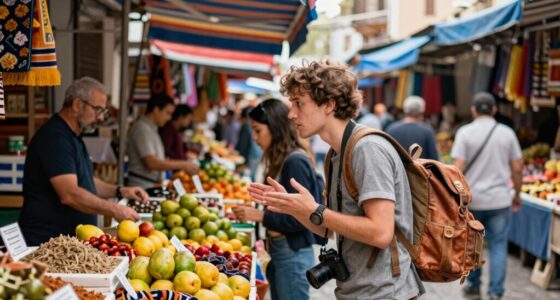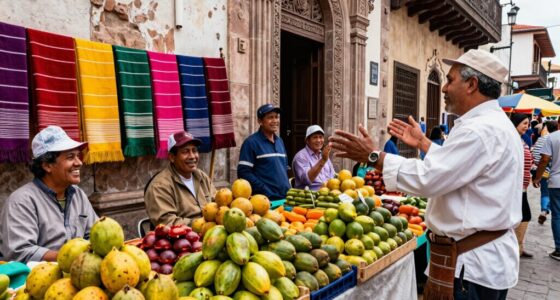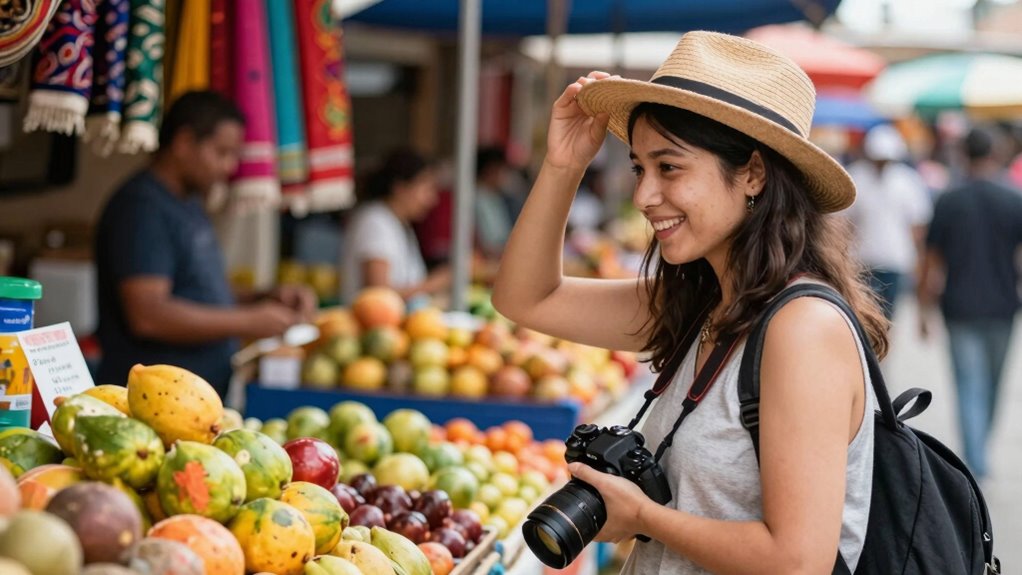

When you ask for consent before photographing someone during your travels, you show respect for their privacy and cultural norms. This simple act builds trust and fosters positive connections with locals. Respecting boundaries helps you avoid offending communities and prevents misunderstandings. Being mindful of personal comfort shows you value their traditions and sensitivities. If you want to explore more ways to navigate respectful and meaningful photography, keep going—you’ll discover helpful tips here.

Get travel and outdoor gear delivered free — and shop member deals
- Fast, free delivery on millions of items
- Access to Prime Big Deal Days deals on October 6–7
- Prime Video, Amazon Music and more included
Key Takeaways
- Asking for consent shows respect for individuals’ privacy and cultural norms.
- It prevents misunderstandings or discomfort during photography interactions.
- Respecting boundaries helps build trust and positive relationships with local communities.
- Gaining permission preserves cultural sensitivities and community values.
- Consent demonstrates ethical photography practices and enhances the travel experience.
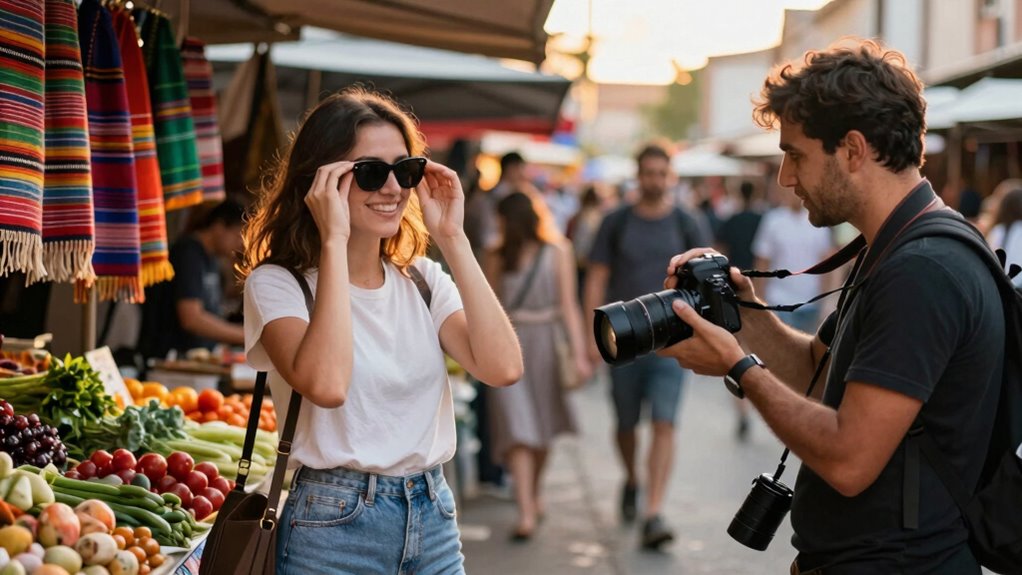
Have you ever wondered whether it’s okay to photograph strangers during your travels? It’s a common question, especially when you’re enthusiastic to capture the beauty and authenticity of the places you visit. While photography can be a powerful way to preserve memories, it’s essential to recognize that respecting others’ boundaries isn’t just polite—it’s a fundamental aspect of cultural sensitivity. Every community has its own norms about privacy, and what’s acceptable in one place might feel intrusive or disrespectful in another. Being aware of these cultural differences helps you avoid offending locals or making them uncomfortable.
Understanding privacy boundaries is vital when taking photos abroad. Some people may not want to be photographed, whether because of personal beliefs, religious reasons, or simply a desire for privacy. You might feel tempted to snap a quick shot of a busy street scene or a candid moment, but if someone notices and looks uncomfortable, it’s a sign you should respect their wishes. Asking for consent, even with a simple gesture or a smile, can go a long way in building trust and showing that you value their comfort. This approach not only keeps your interactions respectful but also enriches your travel experience by fostering genuine connections.
Respect others’ privacy by asking for consent; it fosters trust and enriches your travel experience.
In many cultures, taking photos without permission can be seen as invasive or disrespectful. It’s essential to recognize that your desire to capture a moment doesn’t override someone’s right to privacy. If you’re unsure whether it’s appropriate to photograph someone, look for cues or ask politely. Often, a quick, respectful request can turn an awkward moment into a positive exchange. Remember, consent isn’t just about avoiding conflict; it’s about acknowledging the humanity of those you encounter and honoring their autonomy. Additionally, understanding cultural norms regarding photography can prevent misunderstandings and demonstrate your respect for local traditions. Being aware of privacy expectations in different settings helps you navigate these situations with greater sensitivity. Recognizing cultural differences around photography can further help you adapt your approach to various environments. Being mindful of local customs can also ensure that your photography respects community values and traditions. Respecting local sensitivities in photography not only fosters positive interactions but also preserves the integrity of the cultural experience for everyone.
As an affiliate, we earn on qualifying purchases.
Frequently Asked Questions
How Can I Ask for Consent Politely in Different Cultures?
When asking for consent politely across cultures, you should use a cultural sensitivity approach, adjusting your language and tone accordingly. Make a polite inquiry by using simple, respectful phrases like “May I take your photo?” or their local equivalent. Observe body language and be patient if they seem hesitant. Showing genuine respect and understanding of cultural norms helps foster trust and guarantees your request is received positively.
What Are the Legal Consequences of Photographing Without Consent?
Ignoring consent can lead to serious legal ramifications, including fines, lawsuits, or criminal charges, because you risk privacy violations. Think of it as crossing an invisible line—you might not see the damage until authorities intervene. Without permission, you’re vulnerable to accusations of invasion of privacy, which can tarnish your reputation and lead to costly legal battles. Always ask for consent to protect yourself and respect others’ rights.
How Do I Handle Situations Where Someone Refuses to Be Photographed?
When someone refuses to be photographed, respect their decision and avoid pressing further. You should consider ethical considerations and whether a model release is necessary, especially if you’ll use the image commercially. Always prioritize consent to maintain trust and integrity. If possible, ask politely, explain your purpose, and be prepared to accept their refusal gracefully, ensuring you stay respectful and professional in all interactions.
Is Consent Required for Photographing Children in Public Places?
You should obtain consent before photographing children in public space photography, especially since children’s privacy is a sensitive issue. Some might argue it’s unnecessary in public, but respecting their privacy and parental rights is essential. Always ask parents or guardians for permission, as this protects the child’s dignity and legal interests. Doing so shows respect and guarantees your photography remains ethical, avoiding potential conflicts or misunderstandings.
What Are Best Practices for Documenting Travel Without Invading Privacy?
To document travel ethically without invading privacy, you should respect personal boundaries and seek permission when possible. Practice cultural sensitivity by understanding local customs and attitudes towards photography. Focus on capturing scenes rather than individuals, and avoid intrusive shots. Be transparent about your intentions, and if someone objects, respect their wishes. These ethical considerations help you create respectful, authentic images while honoring local communities and their privacy.
Conclusion
Think of consent as the key to opening genuine connections on your travels. When you respect others’ boundaries, you create a world where trust blooms like a well-tended garden. Your photos become more than just images—they transform into stories built on mutual respect. Embrace consent, and your journey will be a beautiful mosaic of shared moments and authentic relationships. After all, the most meaningful travel memories are those rooted in kindness and understanding.
Fall Picks
fall essentials
As an affiliate, we earn on qualifying purchases.