
In permaculture courses, you’ll learn vital skills for sustainable living. You’ll discover ecological principles and techniques for improving soil health. You’ll also explore water management practices and resource conservation methods. You’ll get hands-on experience in design strategies that enhance local ecosystems and biodiversity. By connecting with supportive communities, you’ll share ideas and troubleshoot challenges. Interested in enhancing your sustainable living journey? There’s so much more waiting for you to uncover.

Get travel and outdoor gear delivered free with Prime
- Fast, free delivery on millions of items
- Prime Video, Amazon Music and more included
- Member-only deals all year
Key Takeaways
- Understand core permaculture concepts and ecological principles for sustainable living and gardening practices.
- Learn effective soil health improvement techniques and water management practices, including rainwater harvesting.
- Gain skills in designing ecosystems that promote biodiversity and integrate beneficial animal relationships.
- Explore renewable resource utilization and strategies for reducing your ecological footprint.
- Connect with a community of sustainability enthusiasts for ongoing support, collaboration, and shared learning experiences.
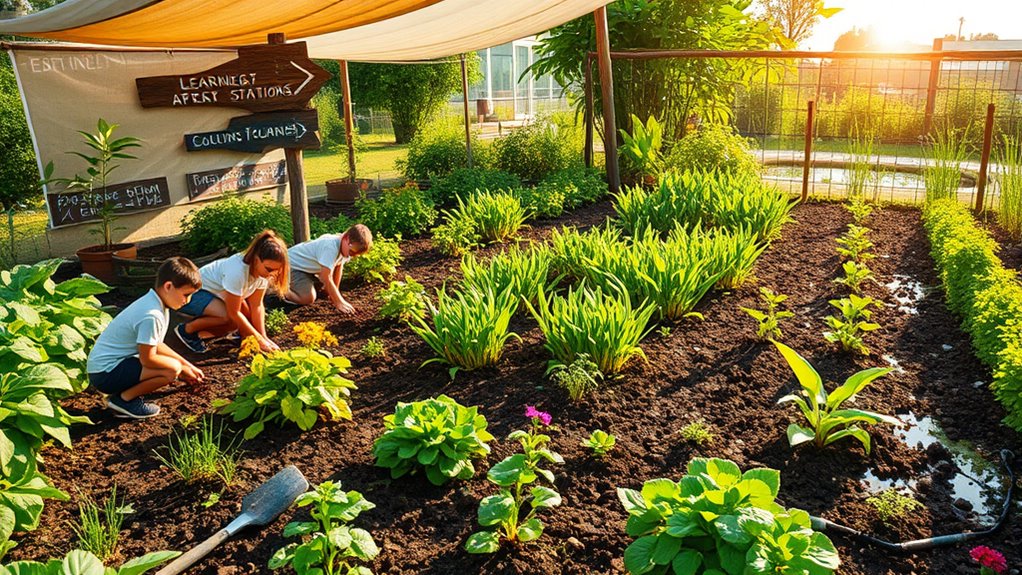
Have you ever wondered how you can create a sustainable and productive ecosystem in your own backyard? If so, taking a permaculture course might be the perfect step for you. These courses offer invaluable insights into sustainable design and teach you how to apply ecological principles that mimic natural ecosystems. You’ll learn how to create a harmonious balance between your garden, plants, and wildlife, promoting biodiversity and enhancing the overall health of your environment.
Discover how to cultivate a sustainable backyard ecosystem through permaculture courses, promoting harmony and biodiversity in your environment.
In a permaculture course, you’ll plunge into the foundational concepts that underpin sustainable living. You won’t just be learning theory; you’ll engage in hands-on activities that allow you to apply what you learn right away. From soil health to water management, you’ll discover how to design your space to maximize efficiency and productivity while minimizing waste. You’ll learn about companion planting, crop rotation, and agroforestry, all of which are essential for maintaining healthy ecosystems.
One of the key focuses of permaculture is understanding the relationships within your environment. You’ll learn how to observe and analyze your surroundings to identify patterns and interactions. This skill will empower you to create designs that not only sustain but also enhance the life around you. You’ll find out how to integrate animals into your system, using them to help with pest control or soil aeration, which can drastically reduce your need for chemical inputs.
Moreover, you’ll explore various methods of renewable energy and resource conservation. Learning about rainwater harvesting, composting, and solar energy can help you create a more self-sufficient lifestyle. Utilizing these techniques, you can reduce your ecological footprint and contribute to a healthier planet. The knowledge gained from these courses equips you to make informed decisions that can lead to a more sustainable way of living. Additionally, understanding cookie usage can further enhance your digital experience as you seek resources online related to permaculture.
Permaculture courses also foster a sense of community. You’ll connect with like-minded individuals who share your passion for sustainability. This network can provide ongoing support and inspiration as you implement what you’ve learned. You’ll share ideas, troubleshoot challenges, and celebrate successes together, making the journey toward a sustainable lifestyle even more rewarding.
Top picks for "permaculture cours learn"
As an affiliate, we earn on qualifying purchases.
Frequently Asked Questions
Are There Prerequisites for Enrolling in a Permaculture Course?
There aren’t strict prerequisites for enrolling in a permaculture course, but having some prior knowledge about gardening or ecology can enhance your experience. Most courses welcome beginners and aim to build your understanding from the ground up. However, you might find it helpful to familiarize yourself with basic concepts beforehand. Ultimately, your enthusiasm for learning and willingness to engage with the material will be your best assets in the course.
How Long Do Permaculture Courses Typically Last?
Permaculture courses typically last anywhere from a weekend to several months, depending on the course format. You might find intensive workshops that dive deep into practical skills over a few days, or more all-inclusive programs that spread out learning over weeks or months. If you’re worried about fitting it into your schedule, consider that many courses offer flexible formats, allowing you to absorb the material at your own pace while gaining valuable skills.
What Is the Cost Range for Permaculture Courses?
Permaculture courses typically cost between $100 to $2,000, depending on the institution and course length. You’ll find that tuition fees often reflect the depth of the program and any included materials. Additionally, consider course expenses like textbooks, tools, or travel if it’s an in-person class. It’s always a good idea to research various options and see what fits your budget while meeting your educational goals in permaculture.
Are Online Permaculture Courses Available?
“Where there’s a will, there’s a way.” Yes, online permaculture courses are definitely available! You can immerse yourself in sustainable farming and eco-friendly design from the comfort of your home. These courses often cover a range of topics, from soil health to water management, giving you the knowledge to create your own thriving ecosystem. Embrace this opportunity to learn at your own pace and transform your understanding of permaculture practices.
Will I Receive a Certification After Completing a Permaculture Course?
Yes, you’ll often receive a certification after completing a permaculture course, especially if it’s accredited. This certification can enhance your credentials and demonstrate your commitment to sustainable practices. It opens up opportunities for networking and job prospects in the field. Make sure to check if the course you’re considering is accredited, as that affects the recognition and value of your certification in the permaculture community.
Conclusion
As you journey through your permaculture courses, think of yourself as a gardener planting seeds of knowledge. Each lesson nurtures your understanding, and soon, you’ll cultivate a flourishing landscape of skills. Just like a well-tended garden, your newfound abilities will yield a bounty of sustainable practices, enriching both your life and the earth. So embrace this adventure, and watch as your passion for permaculture blossoms into a vibrant tapestry of growth and connection.
Halloween Picks
halloween
As an affiliate, we earn on qualifying purchases.