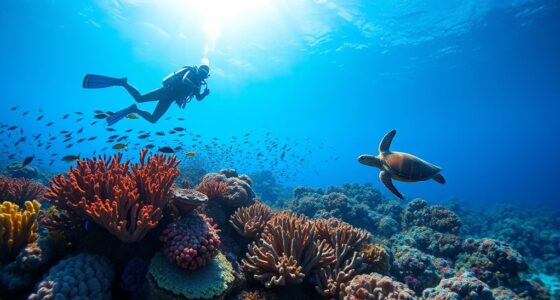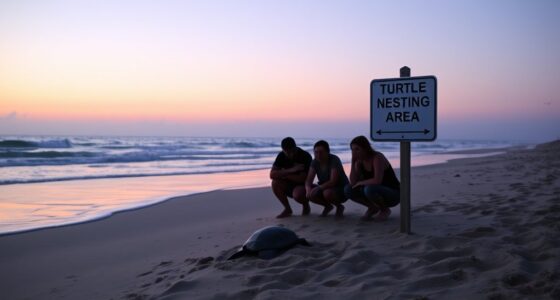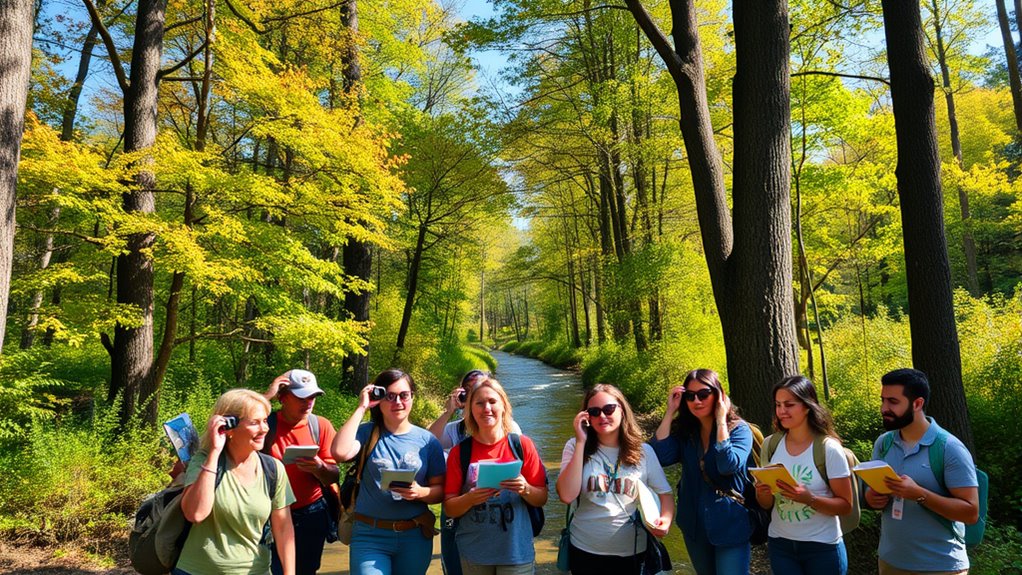

Citizen science trips are a valuable way for you to engage in meaningful environmental research without falling for greenwashing. Choose initiatives with transparent organizations that prioritize genuine scientific work over eco-tourism gimmicks. Look for projects that aim to address critical environmental issues and guarantee your contributions are impactful. By participating, you can transform your love for nature into real action and feel proud of your contributions to conservation efforts. There’s more to discover about making the right choice.

Get travel and outdoor gear delivered free with Prime
- Fast, free delivery on millions of items
- Prime Video, Amazon Music and more included
- Member-only deals all year
Key Takeaways
- Choose initiatives organized by reputable organizations that emphasize transparency and accountability in their projects.
- Research the scientific objectives of the trip to ensure meaningful contributions to environmental research rather than superficial eco-tourism.
- Verify that the data collection methods used are scientifically valid and support genuine conservation efforts.
- Engage with past participants to gather insights about the trip’s impact and integrity, avoiding greenwashing claims.
- Focus on projects that address urgent environmental issues and foster real community collaboration with scientists and fellow volunteers.

Have you ever wondered how your love for nature can contribute to real scientific research? By participating in citizen science trips, you’re not just indulging in the beauty of the outdoors; you’re actively engaging in projects that have significant environmental impact. These trips allow you to collaborate with scientists, gather data, and contribute to conservation efforts while enjoying your time in nature. You’ll see firsthand how your efforts matter and how they help in addressing pressing environmental issues.
Participate in citizen science trips and transform your love for nature into impactful contributions to scientific research and conservation efforts.
When you join a citizen science initiative, you’re stepping beyond the realm of casual observation. You’re becoming part of a community that values volunteer engagement as a vital element of scientific research. Your enthusiasm and commitment can lead to meaningful contributions that influence local ecosystems and biodiversity. Whether it’s monitoring bird populations, conducting water quality assessments, or recording plant species, every bit of data you collect helps build a more complete understanding of the environment.
You might think, “How can I possibly make a difference?” Well, your participation in these projects directly aids scientific research, potentially leading to impactful changes in environmental policies or conservation strategies. Plus, you’re not alone; you’ll be surrounded by like-minded individuals who share your passion. This sense of community not only enhances your experience but also reinforces the importance of collaboration in tackling environmental challenges.
Moreover, citizen science trips often focus on areas that are in dire need of attention. By volunteering your time and skills, you’re actively contributing to efforts that might otherwise go unaddressed. Your involvement helps raise awareness about critical issues, fostering a deeper connection between people and the natural world. In this way, you’re not just a participant; you’re an advocate for the environment.
It’s essential to choose trips that prioritize genuine scientific work over mere tourism. Look for organizations that emphasize transparency and accountability in their projects. This way, you can guarantee that your contributions are genuinely benefiting the environment and not merely serving as a marketing gimmick for eco-tourism. Additionally, the rise of AI-driven platforms in various fields, including environmental science, is enhancing the way data is collected and analyzed, making your contributions even more impactful.
Ultimately, participating in citizen science trips allows you to blend your love for nature with a commitment to scientific advancement. By engaging actively, you’re making a real difference, and that’s something to be proud of. So the next time you’re out in nature, remember that your passion can lead to significant contributions—one trip at a time.
Frequently Asked Questions
What Types of Projects Are Included in Citizen Science Trips?
Citizen science trips include a variety of projects, offering you a chance to engage in everything from wildlife monitoring to habitat restoration. You’re often required to have basic skills or knowledge related to the project, but many trips welcome beginners. The project diversity allows you to choose an experience that matches your interests, whether it’s collecting data on marine life or participating in ecological surveys. You’ll find something that sparks your passion for science and conservation!
Are There Age Restrictions for Participants on These Trips?
Are you wondering if there are age restrictions for citizen science trips? Generally, these trips encourage youth participation, but specific age limits can vary by project. Some programs require participants to be at least 18, while others welcome younger participants with adult supervision. Always check the project details for any restrictions. Engaging with nature and science can be a fantastic experience for all ages, so don’t let age hold you back!
How Do I Prepare for a Citizen Science Trip?
To prepare for a citizen science trip, start by researching volunteering opportunities that align with your interests and skills. Gather necessary gear, like sturdy footwear and weather-appropriate clothing, to guarantee comfort during outdoor activities. Familiarize yourself with the project’s goals and the environmental impact you’ll be part of. Don’t forget to pack essentials like snacks, water, and a notebook for observations. Engaging with the local community can also enhance your experience.
What Is the Average Cost of a Citizen Science Trip?
The average cost of a citizen science trip typically ranges from $200 to $2,000, depending on the project’s duration and location. You’ll want to explore funding sources, like grants or scholarships, to help offset expenses. Be sure to check volunteer requirements, as some projects may ask for a commitment of time or skills. This way, you can manage your budget while contributing meaningfully to valuable research and conservation efforts.
Can I Participate in a Trip Without Prior Scientific Knowledge?
Absolutely, you can participate in a citizen science trip without prior scientific knowledge! These trips often welcome volunteers of all skill levels, providing a valuable volunteer experience. You’ll have the chance to learn from experts, develop new skills, and contribute to important research. Don’t worry if you’re not a scientist; your enthusiasm and willingness to learn will make a difference. Just jump in, and you’ll be surprised at how much you can contribute!
Conclusion
So, you’re all set for a citizen science trip, armed with your eco-friendly tote and reusable water bottle, ready to save the planet, right? But hold on—make sure it’s not just another photo op masked as conservation. You wouldn’t want your good intentions wrapped in greenwashing, would you? Embrace the real deal, where your efforts actually contribute to science and not just social media feeds. After all, genuine change doesn’t come in a trendy hashtag, does it?
Fall Picks
fall essentials
As an affiliate, we earn on qualifying purchases.