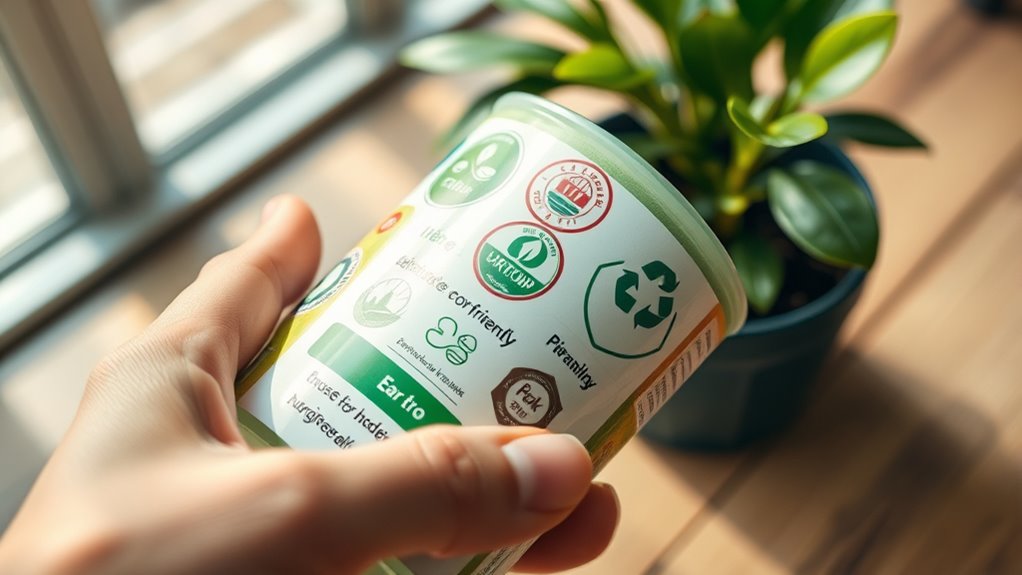

To read eco-labels and certifications, start by checking if the label signifies adherence to specific environmental standards, like “USDA Organic” or Fair Trade. Understand what each label means, ensuring it aligns with your values. Not all labels are created equal; some may lack rigor. Look up certification standards to verify their credibility. This knowledge helps you support sustainable practices and make eco-friendly choices. Stay tuned to discover even more tips for steering through these labels effectively.

Get travel and outdoor gear delivered free with Prime
- Fast, free delivery on millions of items
- Prime Video, Amazon Music and more included
- Member-only deals all year
Key Takeaways
- Familiarize yourself with common eco-labels like “USDA Organic” and “Fair Trade” to understand their significance and impact on health and the environment.
- Research the certification standards online to verify the credibility of eco-labels and ensure they align with your values.
- Look for labels indicating renewable energy usage, such as “Green Energy,” to support businesses that reduce carbon footprints.
- Evaluate the rigor of eco-labels, as not all are equally stringent; ensure the label represents genuine environmental commitment.
- Use eco-labels as a guide to make informed purchasing decisions that promote sustainability and support ethical practices.
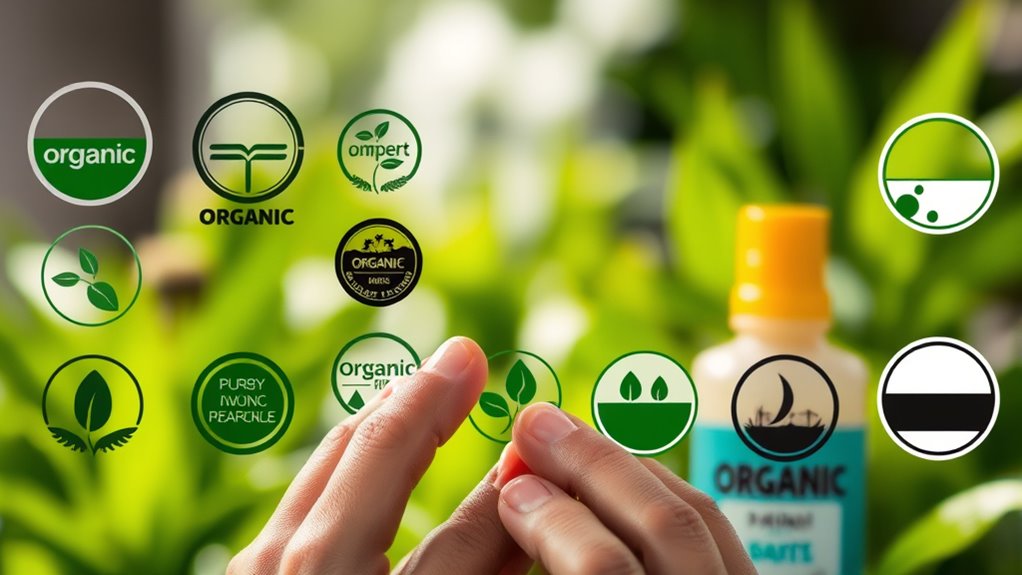
Have you ever wondered how to make sense of all those eco-labels and certifications on products? The plethora of labels can feel overwhelming, but don’t worry; you can navigate them with a little guidance. Understanding what these labels mean is vital for making informed choices that align with your values, especially when it comes to sustainable farming and renewable energy.
When you see a product boasting an eco-label, take a moment to look beyond the surface. Many of these labels signify that the product adheres to certain environmental standards. For example, when you see “USDA Organic,” it means the food was produced without synthetic pesticides and fertilizers, often involving sustainable farming practices that promote biodiversity and soil health. This certification assures you that the product is not only better for your health but also for the planet.
Another important label to watch for is the “Fair Trade” certification. This label indicates that the product was made under fair labor conditions and that farmers received a fair price for their goods. By choosing Fair Trade products, you’re supporting sustainable farming practices that empower communities and protect the environment. It’s a win-win situation; you get quality products, and you contribute to a more equitable global trade system.
Now, let’s talk about renewable energy. If you’re looking for products that utilize sustainable energy sources, keep an eye out for labels like “Green Energy” or “100% Renewable Energy.” These labels mean that the company powers its operations using energy from sources like solar, wind, or hydroelectric power. Choosing products from companies that prioritize renewable energy helps reduce your carbon footprint and supports the shift to a more sustainable economy.
Not all eco-labels are created equal, though. Some are more rigorous than others. It’s important to research the specific certification to make certain it aligns with your values. A quick online search can reveal the standards behind the label, helping you decide if it’s worth your investment. Additionally, look for products made from eco-friendly materials that also promote sustainable practices, such as those used in unique and wicked planters.
Ultimately, reading eco-labels isn’t just about making a purchase; it’s about making a statement. By choosing products that reflect your commitment to sustainable farming and renewable energy, you’re voting with your wallet for a healthier planet. So next time you’re shopping, take a moment to decode those labels and make choices that truly matter. You’ll feel good about your decisions, knowing you’re contributing to a more sustainable future.
Frequently Asked Questions
What Are the Most Common Eco-Labels in the Market Today?
The most common eco-labels you’ll encounter today include organic certification and fair trade labels. Organic certification guarantees that products meet strict agricultural standards without synthetic pesticides or fertilizers. Fair trade labels assure that producers receive fair compensation and work in safe conditions. By recognizing these labels, you can make informed choices that support sustainable practices and ethical sourcing, helping you contribute to a healthier planet and fairer economy.
How Do I Verify the Authenticity of an Eco-Label?
To verify the authenticity of an eco-label, check for third-party verification. Look for certifications from reputable organizations that conduct independent assessments. You can often find this information on the product’s packaging or the brand’s website. If you’re unsure, visit the certifying body’s site to confirm the label’s legitimacy. Remember, a genuine eco-label should always have transparent criteria and be backed by thorough testing, ensuring the product meets environmental standards.
Are Eco-Labels Regulated by Any Government Agency?
Nope, eco-labels aren’t universally regulated by government agencies. It’s like letting everyone create their own “best pie” contest—some pies are delicious, while others are just a mix of weird ingredients. Without consistent government oversight, the certification standards can vary wildly. You’ll find labels that sound great but may not mean much. So, you’ve gotta be a savvy shopper and do your homework to avoid the pie that’s just a soggy crust!
Can Eco-Labels Be Misleading or Used for Greenwashing?
Yes, eco-labels can definitely be misleading and used for greenwashing. Companies sometimes use vague or exaggerated claims to make their products seem more environmentally friendly than they really are. You should be cautious and look for specific certifications that are backed by reputable organizations. Don’t just take labels at face value; research the claims behind them to avoid falling for greenwashing tactics that can mislead your purchasing decisions.
How Can I Educate Myself More About Sustainable Products?
Start your sustainable shopping journey like a detective searching for clues. Delve into books, websites, and documentaries about eco-friendly practices. Join local workshops or online communities where you can share insights and experiences. Consider following brands that prioritize transparency and sustainability. Just like piecing together a puzzle, each bit of knowledge will help you make informed choices, ensuring that your purchases truly reflect your commitment to the planet. Keep learning and stay curious!
Conclusion
In a world where every product is a leaf on a vast tree, understanding eco-labels helps you choose the ones that nourish the planet. Each label is like a tiny compass, guiding you through the forest of consumer choices. By reading these symbols, you’re not just buying; you’re planting seeds of sustainability. So, next time you shop, let the eco-labels be your sunlight, helping you grow a greener future for all.
Fall Picks
fall essentials
As an affiliate, we earn on qualifying purchases.