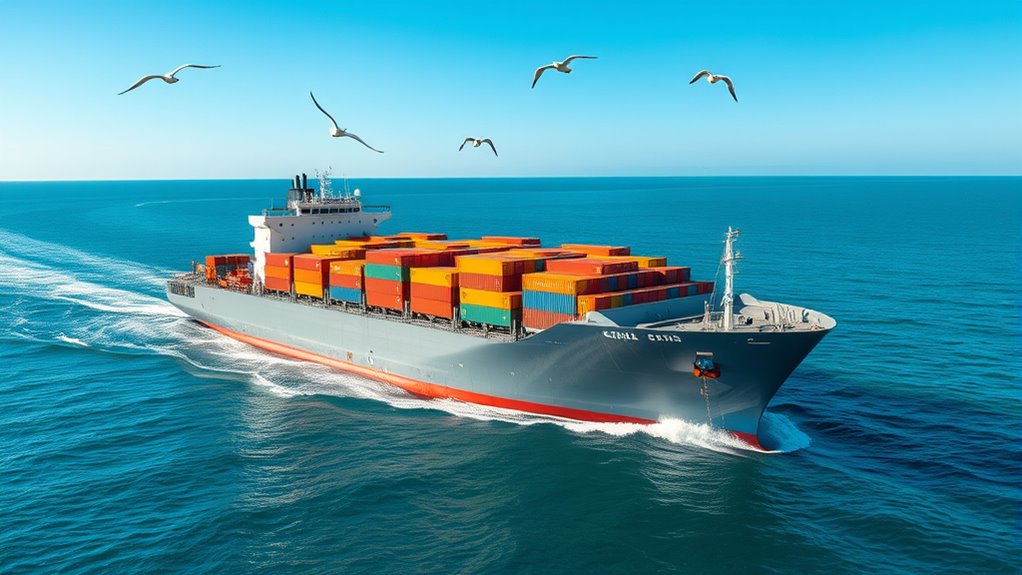

Sailing cargo ships now offer a sustainable and adventurous way for you to travel, harnessing traditional wind power with modern technology. These ships blend historic craftsmanship with eco-friendly designs, providing routes that focus on environmental benefits and authentic maritime experiences. While they may have slower speeds and limited capacity, they deliver unique journeys full of charm and sustainability. Continue exploring to discover how these ships are transforming passenger travel and what you can expect on board.
Key Takeaways
- Modern sailing cargo ships are designed for passenger voyages emphasizing sustainability, traditional craftsmanship, and enhanced onboard experiences.
- Routes leverage historical trade knowledge and wind patterns to minimize environmental impact and support eco-friendly travel.
- These ships offer luxurious accommodations, onboard entertainment, and gourmet cuisine, appealing to eco-conscious travelers.
- Wind-powered passenger ships reduce emissions, lower fuel costs, and promote green maritime tourism.
- Challenges include unpredictable weather and limited speed, requiring advanced navigation and crew expertise for safe voyages.
The Evolution of Sailing Cargo Ships

The evolution of sailing cargo ships reflects a fascinating shift from traditional wind-powered vessels to modern, specialized ships designed for efficiency. Early sailing ships followed well-established historical trade routes, relying heavily on traditional sailing techniques like tacking and sail trimming to navigate centuries ago. These vessels were built to maximize wind power and adapt to seasonal patterns, ensuring reliable transport of goods across oceans and continents. Over time, advancements in ship design, rigging, and navigation methods transformed cargo ships from simple sail-powered boats into more sophisticated vessels. While the core principles of harnessing wind remain, modern ships focus on optimizing efficiency and safety. This progression highlights how innovations rooted in traditional sailing techniques have evolved to meet the demands of global trade. Cookies used for tracking and improving user experience have played a role in the development of navigation and operational technologies in maritime vessels.
Environmental Benefits of Wind-Powered Travel

Wind-powered travel considerably cuts down your carbon footprint by reducing emissions. It also lowers your reliance on fossil fuels, making your journey more sustainable. Embracing this innovation helps protect the environment while exploring new ways to travel responsibly. Incorporating green energy solutions into transportation methods further enhances sustainability efforts.
Reduced Carbon Emissions
By harnessing the natural force of wind, sailing cargo ships considerably cut down on their carbon footprint compared to traditional fuel-powered vessels. This shift notably reduces greenhouse gas emissions, helping to combat climate change. Reduced emissions also benefit marine biodiversity by decreasing pollution that harms aquatic ecosystems. Less reliance on fossil fuels means fewer emissions of sulfur oxides and nitrogen oxides, which contribute to acid rain and ocean acidification. Additionally, sailing ships require less port infrastructure for fueling and maintenance, easing environmental strain on coastal areas. By lowering carbon emissions, sailing cargo ships promote cleaner air and healthier oceans. This approach aligns with global efforts to reduce the shipping industry’s environmental impact, making passenger travel more sustainable while preserving marine ecosystems for future generations.
Decreased Fossil Fuel Use
Switching to wind-powered travel substantially reduces reliance on fossil fuels, leading to notable environmental benefits. By harnessing renewable energy from wind, you decrease the amount of fossil fuel needed to power ships, which directly cuts greenhouse gas emissions. This shift helps preserve finite fossil fuel resources and minimizes air pollution caused by burning traditional fuels. As you choose wind-powered passenger ships, you contribute to lowering the carbon footprint of maritime travel. Reducing fossil fuel consumption also lessens the environmental impact of fuel extraction, transportation, and refining processes. Incorporating renewable energy sources like wind into maritime transportation further enhances sustainability and reduces environmental harm. Overall, embracing wind energy for passenger travel supports a cleaner, more sustainable future by decreasing dependence on fossil fuels and promoting renewable energy sources.
Sustainable Travel Innovation
Embracing wind-powered travel represents a significant step forward in sustainable innovation, offering substantial environmental advantages. By reducing reliance on fossil fuels, you lower greenhouse gas emissions and protect marine ecosystems. Wind-powered ships preserve crucial marine archaeology sites by minimizing pollution and physical disturbances caused by traditional vessels. Additionally, they foster a deeper connection to nautical folklore, enriching your travel experience through stories of sailors and wind gods. This shift encourages a sustainable maritime culture rooted in historical practices, highlighting the harmony between nature and navigation. Wind-assisted ships also help decrease noise pollution, benefiting marine life. Incorporating renewable energy sources into maritime travel not only enhances environmental benefits but also aligns with global efforts to combat climate change. Ultimately, embracing this innovation supports cleaner oceans and preserves the environmental and cultural heritage that make sea travel meaningful and sustainable for future generations.
Modern Design and Technology Innovations

Modern design and technology innovations are transforming cargo ships into more efficient and comfortable vessels for passenger travel. Advanced navigation systems now replace traditional navigation methods, offering precise route planning and real-time adjustments that enhance safety and efficiency. Modern ships feature streamlined hulls and energy-efficient engines, reducing fuel consumption and emissions. Innovations in cargo handling, such as automated cranes and smart storage solutions, optimize space and speed up loading and unloading processes. These improvements ensure smoother operations and shorter port stays, benefiting both operators and passengers. Additionally, state-of-the-art communication systems provide better connectivity at sea, allowing for real-time updates and enhanced safety protocols. A growing focus on passenger amenities is also making sailing cargo ships more appealing for travelers. Overall, these technological advances make sailing cargo ships more reliable and enjoyable for passenger travelers.
The Passenger Experience on a Sailing Cargo Ship
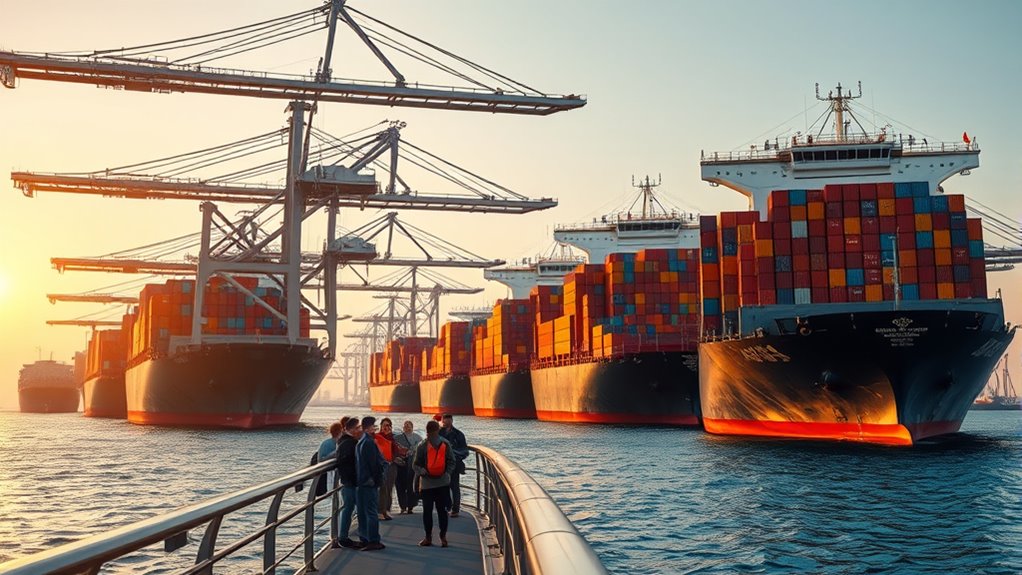
Thanks to the latest technological innovations, sailing cargo ships now offer a passenger experience that’s both comfortable and engaging. You’ll enjoy luxury amenities like plush lounges, modern cabins, and gourmet dining options. Onboard entertainment keeps you captivated with live music, movies, and interactive workshops. To enhance your journey, the ship offers:
- Luxurious accommodations with stunning ocean views
- Premium onboard entertainment for relaxation and fun
- Gourmet cuisine featuring local and international flavors
- Advanced cybersecurity measures to protect your personal data during your voyage
These features create a unique blend of adventure and comfort, making your voyage memorable. The focus on luxury amenities ensures you feel pampered, while onboard entertainment keeps you engaged during restful moments. It’s a travel experience that combines the thrill of sailing with the comforts of a modern cruise.
Routes and Destinations for Sustainable Voyages
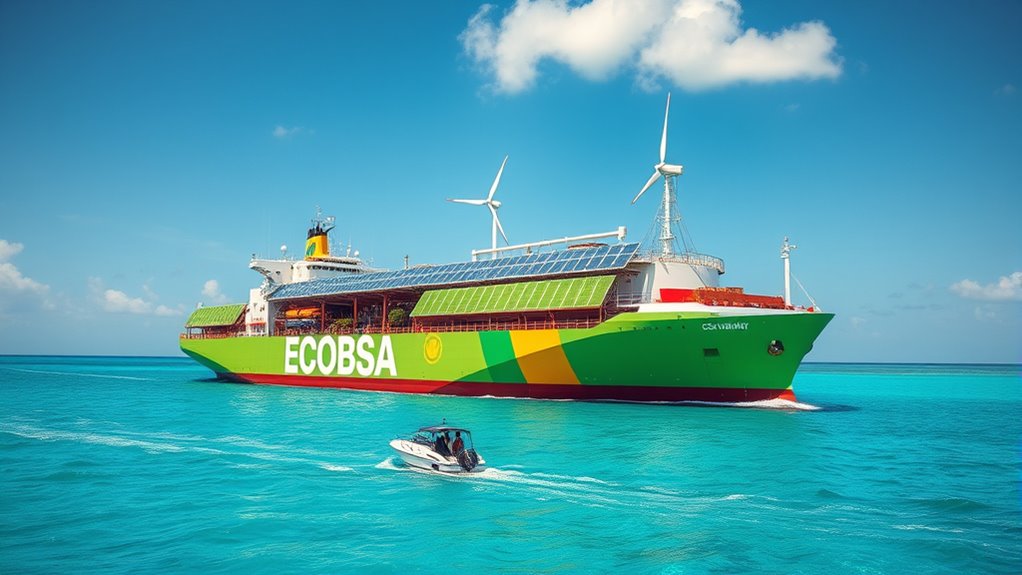
Have you ever wondered how sailing cargo ships choose their routes to promote sustainability? They rely on knowledge from maritime history and cargo logistics to optimize destinations that minimize environmental impact. These ships often travel along established trade routes, connecting eco-friendly ports with rich cultural backgrounds. Planning destinations involves considering wind patterns, currents, and seasonal weather, ensuring efficient navigation. This approach also supports local economies and promotes cultural exchange. To visualize this, consider the following ideas:
| Route Focus | Destination Type | Sustainability Benefit |
|---|---|---|
| Wind routes | Historic ports | Reduced emissions |
| Seasonal paths | Eco-resorts | Local economic growth |
| Currents-based | Remote islands | Less fuel consumption |
Additionally, understanding marine navigation principles helps in selecting the most sustainable paths.
Comparing Sailing Cargo Ships to Traditional Cruises

While both sailing cargo ships and traditional cruises offer unique maritime experiences, they differ considerably in purpose and environmental impact. Sailing cargo ships focus on sustainable transportation, often utilizing historical shipbuilding techniques, which appeal to eco-conscious travelers. In contrast, traditional cruises prioritize luxury and entertainment, with extensive onboard amenities. When comparing the two, consider these points:
- Historical Shipbuilding: Sailing cargo ships often incorporate traditional methods, highlighting craftsmanship, while cruise ships rely on modern construction.
- Environmental Impact: Sailing cargo ships produce fewer emissions, making them greener options.
- Maritime Insurance: Due to their cargo and operational differences, sailing cargo ships generally face lower insurance costs compared to the complex policies required for traditional cruises.
- Design and Construction: The design and construction of sailing cargo ships often emphasize durability and traditional techniques, which can influence their longevity and maintenance costs.
Your choice depends on your desire for sustainability, history, and voyage experience.
Challenges and Limitations of Wind-Powered Passenger Ships

Wind-powered passenger ships face several significant challenges that limit their widespread adoption. One major concern is maritime safety, as unpredictable weather and shifting wind conditions can jeopardize passengers and crew. Relying solely on wind requires careful planning and real-time adjustments to avoid delays or accidents. Additionally, crew training becomes essential, as operating traditional sailing vessels demands specialized skills beyond standard maritime knowledge. Ensuring crew members are proficient in sail handling, navigation, and emergency procedures adds complexity and costs. These factors make wind-powered ships less practical for mainstream passenger travel. Furthermore, their limited speed and capacity compared to modern engines restrict their appeal for those seeking quick, reliable options. Sustainable practices and safety protocols are crucial considerations that could influence future advancements in this field. Overcoming these challenges requires advances in technology, safety protocols, and crew expertise, which currently hinder broader implementation.
How to Book a Voyage on a Sailing Cargo Ship
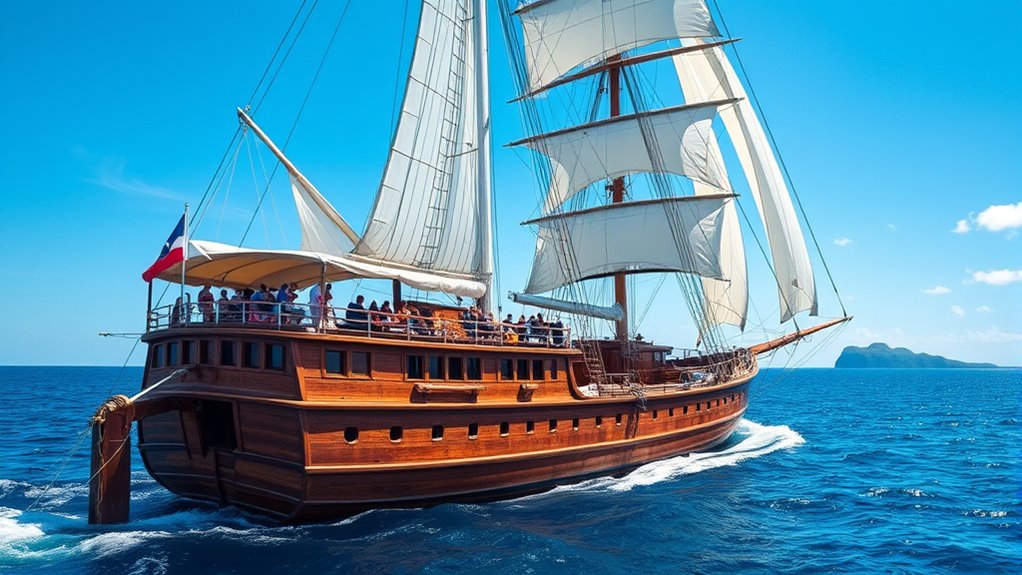
Booking a voyage on a sailing cargo ship requires some research and planning, but it can be a rewarding way to travel sustainably and uniquely. To get started, focus on understanding the booking process and voyage planning steps. First, identify shipping companies or specialized agencies that offer passenger sailings; some operate online, while others require direct contact. Second, check their schedules, routes, and availability to find a voyage that matches your preferences. Third, prepare your travel documents and complete the booking form, often online or via email. Engage with customer service if needed to clarify details or special requests. Additionally, cultivating a creative practice can enhance your experience by making your journey more engaging and memorable. By following these steps, you guarantee a smooth booking process and enjoy a memorable, eco-friendly adventure on the open seas.
The Future of Green Maritime Travel
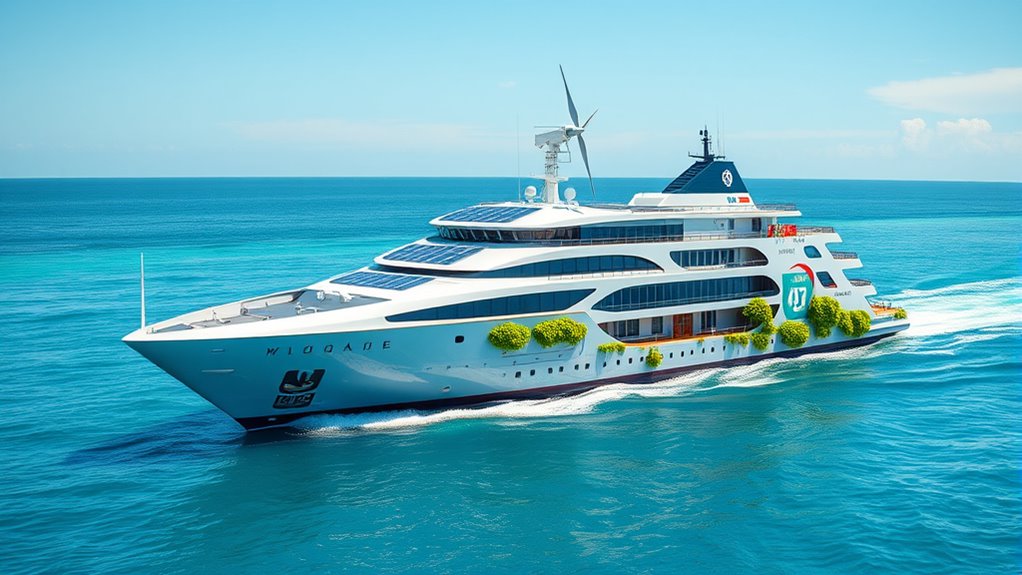
The future of green maritime travel is shaping up with exciting innovations like eco-friendly fuel alternatives and strategies to cut emissions. You can expect more sustainable cruise experiences that prioritize environmental responsibility. These changes will make your journeys not only enjoyable but also kinder to the planet.
Eco-Friendly Fuel Alternatives
Eco-friendly fuel alternatives are transforming how cargo ships navigate our oceans, offering a cleaner and more sustainable future for maritime travel. These fuels, such as biofuels, hydrogen, and ammonia, reduce reliance on traditional fossil fuels and lower emissions, helping preserve marine biodiversity. To implement these options, you need to contemplate:
- Upgrading port infrastructure to support new fuel types
- Ensuring fuel availability without disrupting shipping schedules
- Training crew members on handling and safety protocols
Reduced Emissions Strategies
Reducing emissions is essential for shaping the future of green maritime travel. By cutting pollutants, you help protect marine biodiversity, ensuring ecosystems remain healthy and resilient. Embracing cleaner fuel sources and energy-efficient technologies lowers the carbon footprint of passenger ships. Upgrading port infrastructure to support zero-emission vessels is critical, as it provides the necessary charging or fueling stations. Implementing speed regulations and optimizing routes can also reduce emissions considerably. These strategies not only minimize environmental impact but also promote sustainable growth in maritime travel. As you adopt these measures, you contribute to a cleaner, healthier ocean environment, ensuring that future generations can enjoy vibrant marine life while traveling responsibly.
Sustainable Cruise Experiences
Sustainable cruise experiences are shaping the future of green maritime travel by prioritizing environmentally responsible practices without sacrificing comfort or luxury. As marine tourism expands, innovative solutions are emerging to minimize ecological impact. You can expect:
- Use of cleaner energy sources like hybrid or electric propulsion systems to reduce emissions.
- Improved port logistics that streamline docking processes and cut unnecessary fuel consumption.
- Eco-friendly amenities and waste management practices that protect marine ecosystems.
These advancements ensure that your journey supports sustainability goals while maintaining high standards of comfort. By embracing sustainable cruise experiences, you contribute to preserving marine environments and promoting responsible tourism. As the industry evolves, these practices will become standard, making green maritime travel accessible and enjoyable for everyone.
Frequently Asked Questions
What Safety Protocols Are in Place for Passenger Sailing Cargo Ships?
For passenger sailing cargo ships, safety protocols focus on cargo handling, ensuring secure stowage to prevent shifts and accidents. You’ll find strict crew training programs that cover emergency procedures, safety equipment use, and passenger safety guidelines. Regular drills and safety inspections are mandatory, helping you feel secure during your voyage. These measures work together to protect everyone onboard and maintain a safe, smooth sailing experience.
Are There Age Restrictions for Passengers on These Vessels?
You might think age restrictions limit passenger eligibility, but they’re in place to guarantee safety. Usually, only adults or those above a certain age can travel, with some vessels allowing minors if accompanied by adults. These age restrictions help crew manage safety protocols effectively, preventing risks associated with younger passengers. So, when considering sailing cargo ships for passenger travel, check specific vessel policies on age restrictions to confirm eligibility.
How Do Sailing Cargo Ships Handle Rough Weather Conditions?
You might wonder how sailing cargo ships handle rough weather conditions. These ships prioritize weather resilience, using advanced navigation technology to detect and avoid storms. When bad weather strikes, they adjust course, reduce speed, or seek sheltered waters to make certain of safety. Skilled crew members constantly monitor conditions, making quick decisions to protect both cargo and passengers. This combination of technology and expertise helps sailing cargo ships navigate safely through challenging weather.
What Amenities and Accommodations Are Available Onboard?
Onboard, you’ll find a variety of amenities to enhance your journey. Luxury cabins offer comfort and style, making your trip relaxing and enjoyable. You can indulge in onboard dining options that serve delicious meals throughout your voyage. The ship’s accommodations are thoughtfully designed to provide a cozy and elegant experience, ensuring you feel pampered at every turn. This combination of comfort and convenience makes your travel memorable and enjoyable.
Can Passengers Participate in Sailing or Navigation Activities?
You can actively participate in navigation activities during your voyage. Many sailing cargo ships encourage passenger involvement, allowing you to assist with steering, watch for navigational hazards, or learn about maritime charts. This hands-on experience provides a unique opportunity to engage with the ship’s operation, making your journey more immersive and memorable. Your participation not only enhances your understanding of sailing but also creates a deeper connection with the vessel and its crew.
Conclusion
Imagine setting sail on a vessel where the wind whispers stories of the sea, guiding you toward a greener horizon. Sailing cargo ships for passengers blend adventure with eco-consciousness, turning every voyage into a dance with nature. As you embrace this voyage, you become part of a living, breathing story—where tradition meets innovation, and the open ocean becomes your classroom. The future of travel is calling—are you ready to catch the wind?