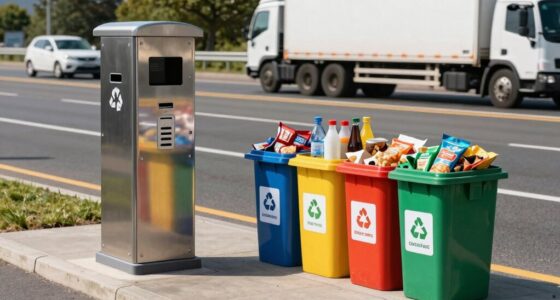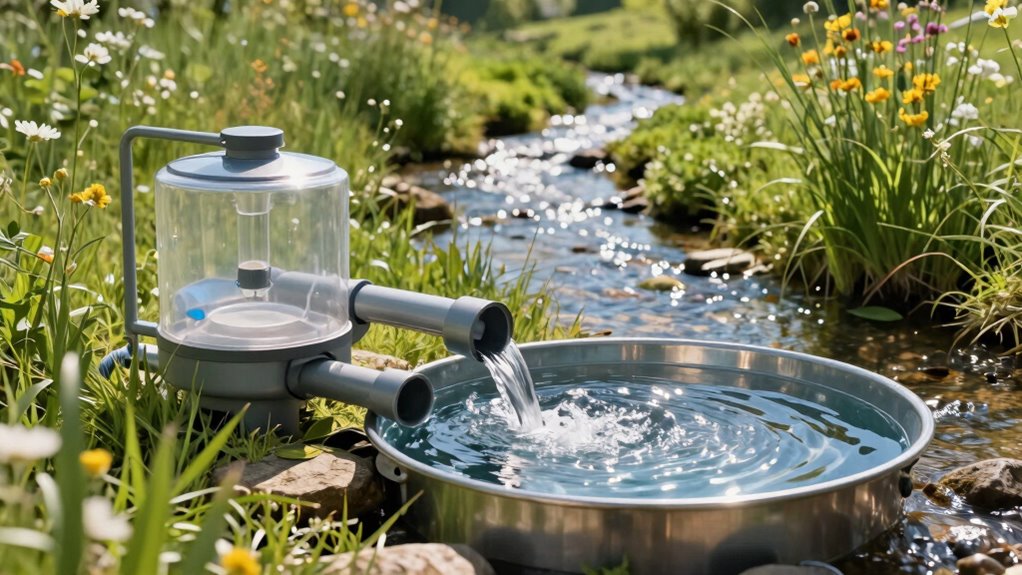

To plan water effectively, start by incorporating rainwater harvesting to reduce reliance on municipal supplies and ease pressure on local sources. Fix leaks, install water-efficient fixtures, and use drought-resistant plants to save water daily. Develop a thorough plan that considers your local climate and seasonal rainfall. Combining these practices helps you build resilience against droughts and ensures a sustainable water supply. Keep exploring ways to optimize your water management for a secure, eco-friendly future.
Play games included with Prime
Start a Prime free trial and play with Amazon Luna on your devices.
As an affiliate, we earn on qualifying purchases.
Key Takeaways
- Integrate rainwater harvesting with other conservation practices for a comprehensive water management plan.
- Consider local climate and seasonal rainfall patterns to optimize water collection and usage.
- Implement simple measures like rain barrels and fix leaks to start building sustainable water systems.
- Educate households on water-efficient habits to maximize conservation efforts.
- Develop long-term strategies that balance natural cycles with proactive planning for drought resilience.
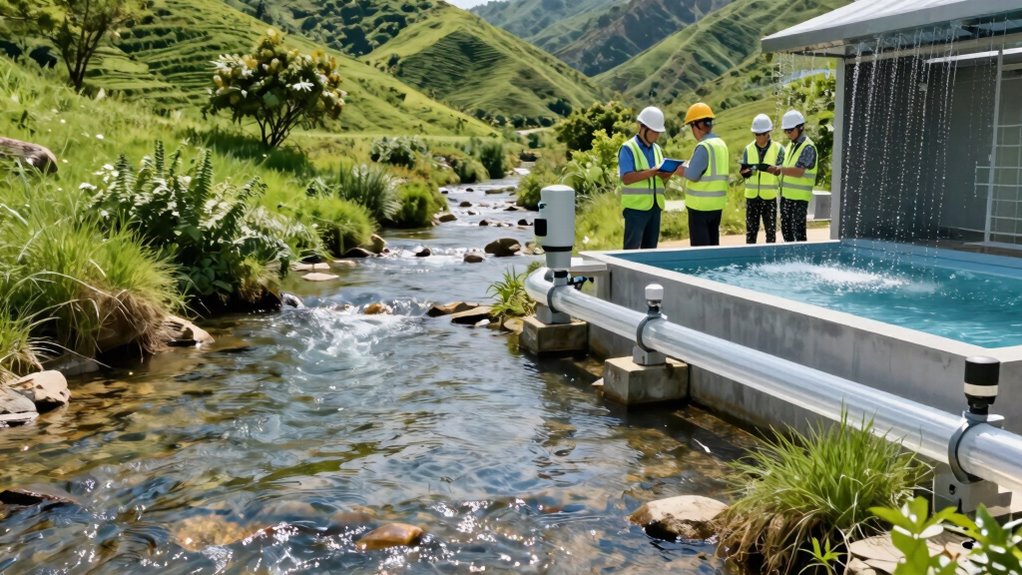
Have you ever wondered if there’s a smarter way to manage water resources? It’s a question that leads many to explore innovative solutions like rainwater harvesting and effective water conservation strategies. Instead of relying solely on municipal supplies or underground aquifers, you can tap into natural rainfall to meet your water needs. Rainwater harvesting is a straightforward yet powerful method—collecting rainwater from rooftops and storing it for later use. This practice not only reduces your dependence on the grid but also alleviates pressure on local water sources. When you incorporate rainwater harvesting into your routine, you’re actively participating in a sustainable cycle that benefits both your household and the environment.
Harness rainwater and conserve wisely to create a sustainable, resilient water future for your household and community.
Alongside rainwater harvesting, adopting water conservation strategies amplifies your impact. Simple actions like fixing leaks, installing water-efficient fixtures, and turning off taps when not in use can considerably cut down your daily water consumption. These measures are easy to implement and often cost-effective, but their cumulative effect is substantial. For example, replacing old toilets with low-flow models or using drought-resistant plants in your garden can save thousands of gallons annually. When you prioritize conservation, you’re making every drop count, helping to preserve essential water resources for future generations.
Planning water use wisely is about more than just saving on bills; it’s about creating a resilient system that can withstand droughts and climate variability. By integrating rainwater harvesting with other conservation strategies, you develop a thorough approach that reduces waste and enhances self-sufficiency. This proactive mindset encourages you to think about water as a precious resource, one that requires mindful management rather than endless consumption. Incorporating water management practices into your routine can further optimize your water use and ensure sustainability. Understanding the importance of integrated water solutions can help you develop a comprehensive plan that accounts for local climate conditions and your household’s specific needs. Additionally, considering climate variability can help you better prepare for unpredictable rainfall patterns and drought periods. When you plan ahead, considering seasonal rainfall patterns and your household’s specific needs, you’re better prepared to adapt to changing conditions and avoid shortages.
Moreover, effective water management isn’t difficult once you see it as a series of simple, interconnected steps. You can start small—install a rain barrel, fix leaks, and educate your family about water efficiency—and gradually build a more sustainable system. Over time, these habits become second nature, forming a foundation for long-term water security. The goal is to create a balanced approach where your water use aligns with natural cycles and conservation principles. By doing so, you’re not only safeguarding your own supply but also contributing to a larger effort to protect water resources globally. In the end, smart planning and conscious choices make all the difference in ensuring a sustainable, reliable water future. Recognizing the importance of rainwater harvesting can help you harness natural rainfall effectively and sustainably.
As an affiliate, we earn on qualifying purchases.
Frequently Asked Questions
How Can Individuals Contribute to Better Water Planning?
You can contribute to better water planning by practicing water harvesting and rainwater recycling. Collect rainwater from rooftops to reduce dependence on municipal supplies and store it for later use. Implementing simple systems at home helps conserve water and eases strain on local resources. Your efforts not only save money but also promote sustainable water management, making a significant difference in community resilience and environmental health.
What Are the Economic Benefits of Improved Water Management?
Improved water management boosts your economy by promoting efficient water use through better water pricing, which encourages conservation. Investing in infrastructure reduces costs associated with leaks and outages, saving money long-term. These strategies attract investments and create jobs in infrastructure projects. As a result, your community benefits from a more reliable water supply, lower costs, and a resilient economy that can better withstand climate and demand changes.
How Does Climate Change Impact Water Planning Strategies?
Climate change profoundly impacts water planning strategies by increasing the frequency of droughts and extreme weather events. You need to prioritize climate resilience and drought adaptation to safeguard water supplies. By proactively adjusting your strategies, you can better manage unpredictable conditions, ensuring reliable access and sustainable use. Embracing these adaptive measures not only protects resources but also strengthens community resilience in the face of climate-related challenges.
What Technologies Are Revolutionizing Water Planning Today?
You can harness water sensors and data analytics to revolutionize water planning today. Water sensors provide real-time data on flow, quality, and usage, helping you monitor resources efficiently. Data analytics then interpret this information, enabling smarter decision-making, predicting shortages, and optimizing distribution. By integrating these technologies, you gain better control, reduce waste, and adapt quickly to changing conditions, making your water management more sustainable and resilient.
How Can Communities Prioritize Water Conservation Efforts Effectively?
You can prioritize water conservation efforts by evaluating water scarcity, analyzing resource allocation, and engaging your community. Focus on educating residents about efficient water use, promoting water-saving technologies, and implementing policies that incentivize conservation. Collaborate with local organizations, monitor water consumption patterns, and adapt strategies accordingly. By actively involving everyone and making informed decisions, you guarantee your community’s water future remains sustainable and resilient against increasing water scarcity.
Conclusion
By planning water smarter, you can make a real difference. Did you know that over 80% of the world’s wastewater is released into the environment without proper treatment? Imagine how much cleaner and more sustainable our water sources could be if everyone adopted better planning practices. Small changes in your daily habits and supporting smart water policies can create a ripple effect. Together, you can help secure a more reliable, healthy water future for all.
Fall yard work Picks
leaf blowers
As an affiliate, we earn on qualifying purchases.