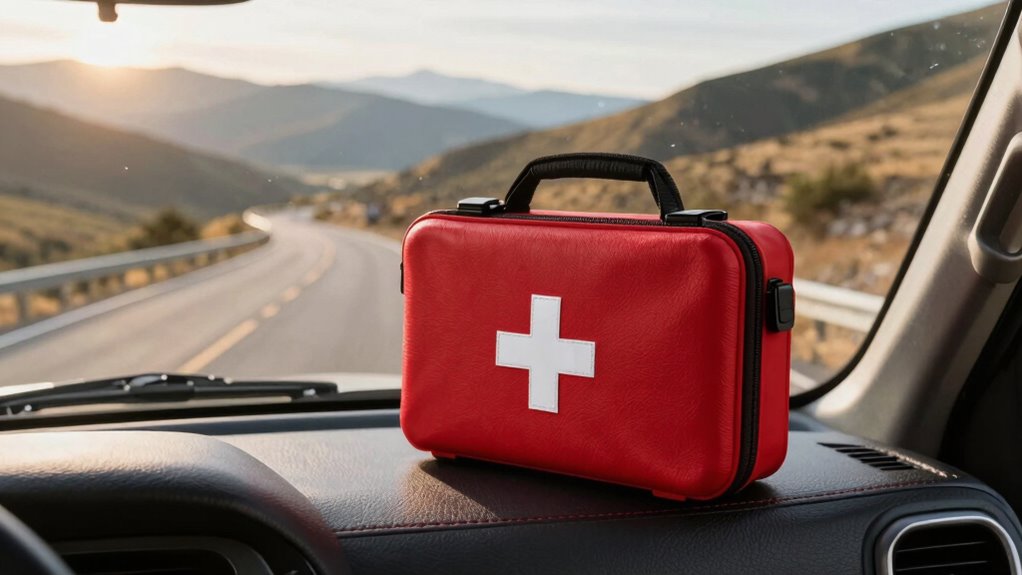

When preparing a first aid kit for road travel, you need to consider how far you’ll be from medical help. In remote areas, pack more extensive supplies to handle serious injuries until help arrives. For urban travels, a basic kit with bandages and pain relief works well because help is nearby. Tailoring your kit to your environment boosts your emergency response. Keep exploring to discover how to customize your kit perfectly for any journey.

Get travel and outdoor gear delivered free — and shop member deals
- Fast, free delivery on millions of items
- Access to Prime Big Deal Days deals on October 6–7
- Prime Video, Amazon Music and more included
Key Takeaways
- Tailor kit contents based on travel route, considering whether help is nearby or far away.
- Include more comprehensive supplies for remote areas with limited access to medical assistance.
- Prioritize controlling bleeding, burns, and injuries until help arrives in isolated regions.
- In urban areas, focus on treating minor injuries quickly due to potential delayed professional help.
- Understand environmental hazards to ensure the kit contains appropriate items for the specific travel environment.
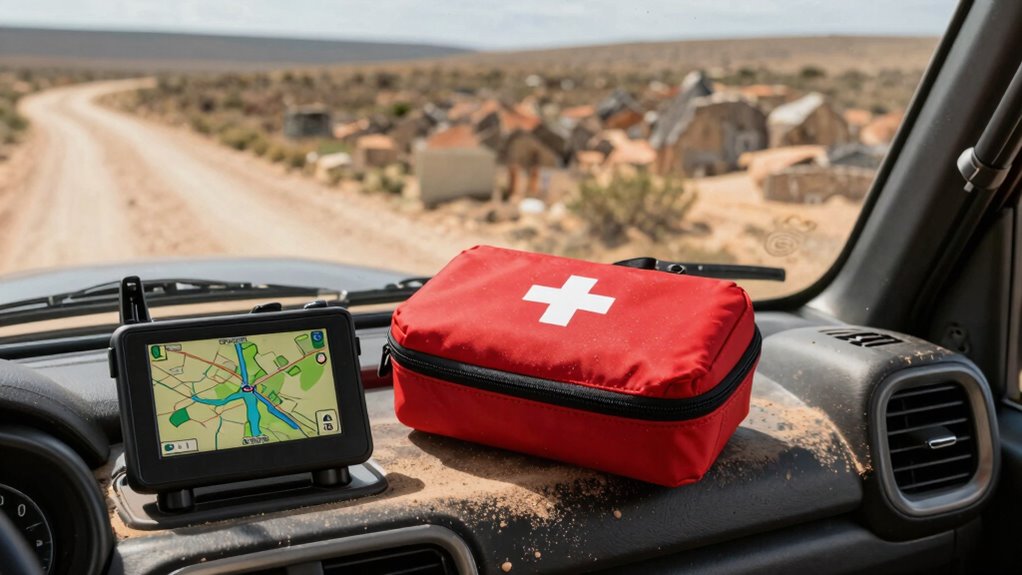
Have you ever considered what you’d do if a minor injury or sudden illness occurred while on the road? It’s a question that highlights the importance of being prepared, especially when traveling long distances. Your first line of defense is a well-stocked first aid kit that reflects the actual distance from help. Emergency preparedness isn’t just about having supplies; it’s about understanding what to include in your kit based on how far you are from professional medical assistance. If you’re traveling through remote areas or rural roads, your kit contents need to be thorough enough to handle serious injuries until help arrives. Conversely, if you’re closer to urban centers, your kit can be more basic but should still cover common emergencies.
Prepare your first aid kit based on your distance from medical help for effective emergency response.
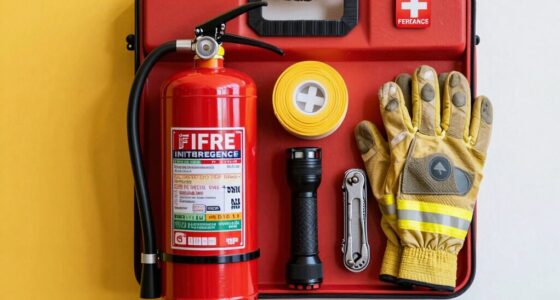
The key is knowing how to tailor your first aid kit for the specific conditions of your trip. For longer drives through isolated regions, include items like sterile dressings, bandages, antiseptic wipes, tweezers, scissors, and a thermometer. Consider adding a space blanket, gloves, and a CPR face shield. You might also want to pack a small manual first aid guide, especially if you’re not a healthcare professional. These supplies will help you manage bleeding, burns, sprains, or minor infections, keeping the situation stable until professional help becomes accessible. Additionally, understanding the importance of emergency preparedness can help you better respond to unexpected situations. Being aware of your environment and potential risks can help you make more informed decisions during emergencies. Recognizing potential hazards specific to your route can further improve your readiness. Moreover, knowing how to properly use first aid supplies ensures you can act effectively in urgent situations.
In contrast, if your journey is along busy highways or in populated areas, your kit can focus more on minor injuries such as cuts, scrapes, or insect bites. Still, don’t overlook essentials like pain relievers, allergy medication, and antiseptic sprays. Remember, even in well-populated areas, medical help might not be immediately available, especially during off-hours or in traffic jams. That’s why your kit’s contents should reflect the specific distance from help, enabling you to act swiftly. Proper planning and understanding your environment are crucial components of emergency preparedness, ensuring you’re ready for whatever situation arises.
As an affiliate, we earn on qualifying purchases.
Frequently Asked Questions
How Often Should I Update My Road Trip First Aid Kit?
You should update your road trip first aid kit at least once every six months, or after any use. Regularly check your emergency supplies to guarantee nothing is expired or missing. Proper kit maintenance means replacing used or expired items promptly, and adjusting your supplies based on the length and route of your trip. Staying vigilant helps ensure you’re prepared for emergencies when you’re miles from help.
Are There Specific First Aid Items for Different Climates?
Yes, certain climates require specific first aid items. In hot, humid regions, include supplies like cooling packs and extra sunscreen. Cold climates benefit from thermal blankets and frostbite treatment items. Desert areas might need additional hydration supplies. Creating regionally tailored kits with climate-specific supplies guarantees you’re prepared for weather-related injuries or conditions, making your first aid kit more effective and customized for your journey’s environment.
Can I Customize My First Aid Kit for Family Members’ Needs?
Of course, you can customize your first aid kit for your family members’ needs—because nothing says “prepared” like personalized supplies that cater to their quirks. Add family-specific items like children’s pain relievers, allergy medications, or even grandma’s special ointment. This way, your kit becomes less of a generic box and more of a tailored safety treasure chest, ensuring everyone’s unique needs are met swiftly and effectively.
What Legal Requirements Exist for First Aid Kits in Vehicles?
You need to guarantee your vehicle’s first aid kit meets legal compliance and kit regulations specific to your region. Many areas require a basic set of supplies, such as bandages, antiseptics, and gloves. Check local laws to confirm the minimum contents and proper storage. Regularly update and inspect your kit to stay compliant, especially if regulations change. Staying informed helps you provide proper aid and avoid legal issues during emergencies.
How Do I Carry a First Aid Kit on Long Motorcycle Trips?
On long motorcycle trips, you should carry a compact emergency supplies kit that’s well-organized for quick access. Use a durable, waterproof container to keep your first aid supplies safe. Pack essential items like bandages, antiseptic wipes, and pain relievers, and organize them in clearly labeled compartments. Attach the kit securely to your bike, ensuring it’s easily reachable in an emergency, so you’re prepared no matter how far from help you travel.
Conclusion
Remember, it’s better to have a first aid kit and not need it than to need one and not have it. When you’re on the road, your safety depends on being prepared, especially as help might be far away. Tailor your kit to your journey’s length and potential risks, because “a stitch in time saves nine.” Stay vigilant, pack smart, and keep your loved ones safe—your preparedness can make all the difference.
Halloween Picks
halloween
As an affiliate, we earn on qualifying purchases.