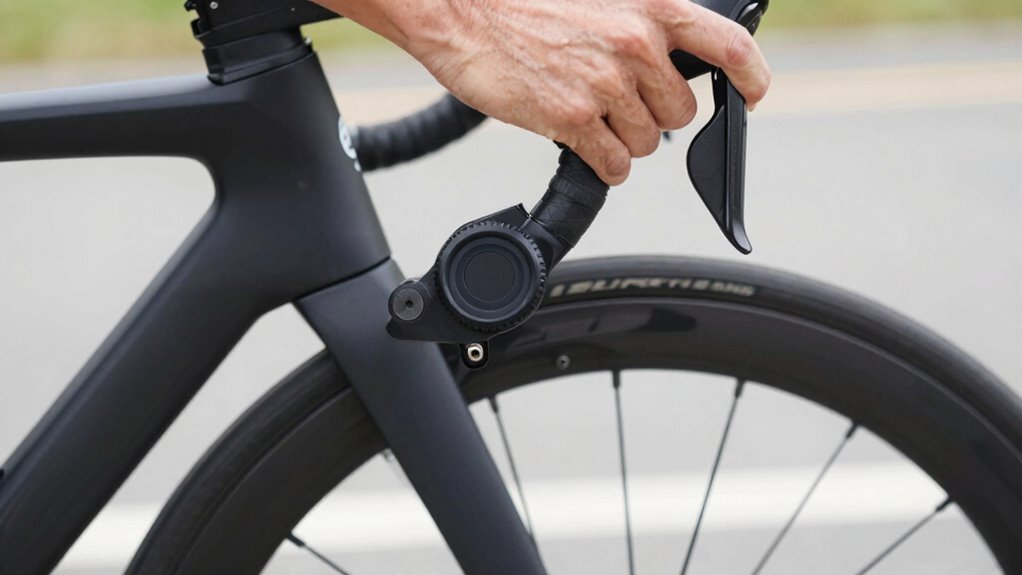

With a torque sensor, you’ll feel a more responsive ride since it measures your pedaling force directly, giving you precise feedback on effort and power. This creates a smoother, more connected experience as your bike adjusts to your exertion. In contrast, a cadence sensor only tracks your pedal speed, so the ride feels less tailored to your effort but more focused on rhythm. To understand how these sensors shape your cycling experience further, keep exploring the details below.

Get travel and outdoor gear delivered free — and shop member deals
- Fast, free delivery on millions of items
- Access to Prime Big Deal Days deals on October 6–7
- Prime Video, Amazon Music and more included
Key Takeaways
- Torque sensors provide detailed power feedback, resulting in a more responsive and connected riding feel.
- Cadence sensors focus on maintaining pedal rhythm, offering a smoother, more consistent ride experience.
- Using a torque sensor enhances natural pedaling dynamics by adjusting effort based on real-time force data.
- Cadence sensors help riders sustain a steady cadence, reducing fatigue and promoting comfort during rides.
- Combining both sensors creates a balanced ride feel, blending power precision with rhythm stability.
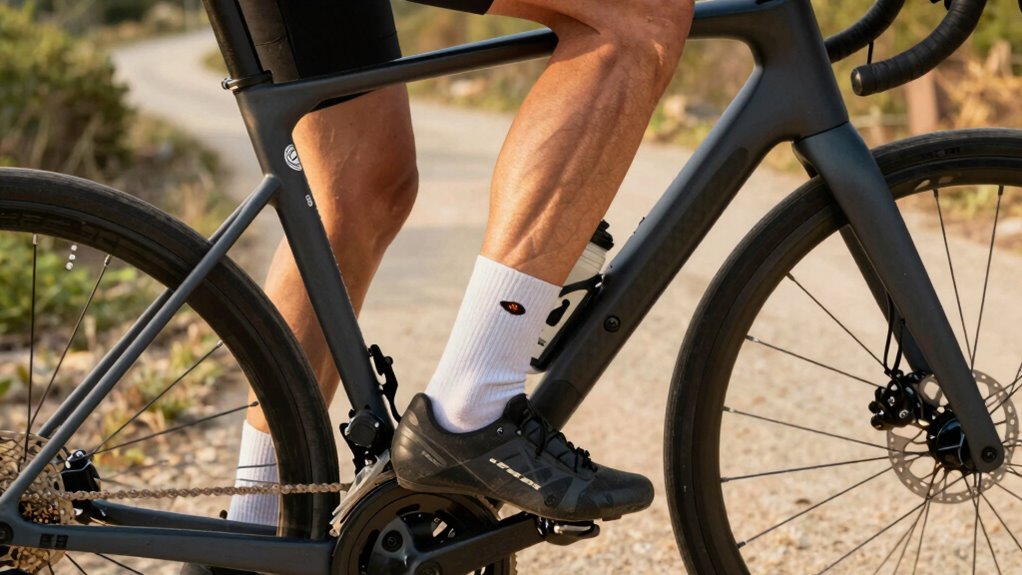
When choosing between a torque sensor and a cadence sensor, understanding their differences can considerably impact your riding experience. Both sensors serve to enhance your cycling by providing data, but they do so in distinct ways that influence how you train and ride. A torque sensor measures the force you apply to the pedals, giving real-time data on power output. This allows you to see exactly how much effort you’re exerting at any moment. With this information, you can fine-tune your pedaling technique and ride more efficiently, optimizing power measurement for better overall performance. On the other hand, a cadence sensor tracks how fast you’re spinning your pedals, typically measured in revolutions per minute (RPM). While it doesn’t directly measure force or power, cadence data helps you maintain a consistent pedaling rhythm, which can improve your riding efficiency and endurance over time.
If you’re looking to maximize power measurement for precise training, a torque sensor is usually the better choice. It provides detailed insights into your exertion levels, helping you understand when you’re pushing too hard or not enough. This direct measurement of power output means you can analyze your effort more accurately and adjust your training plan accordingly. It’s especially beneficial if you’re aiming for performance gains or trying to improve your cycling efficiency. The feedback from a torque sensor encourages a more natural, smooth pedaling style by showing how your force translates into power, making your ride feel more responsive and connected.
A cadence sensor, however, is more about maintaining a steady rhythm. It’s simpler and often less expensive than a torque sensor. By monitoring your pedal speed, it helps you stay consistent, which is key during long rides or interval training. While it doesn’t provide the same depth of data on power measurement, cadence data can still boost riding efficiency by helping you avoid over- or under-spinning, reducing fatigue and conserving energy. Many cyclists find that combining a cadence sensor with a speed sensor offers enough feedback to improve overall ride quality without the complexity of measuring force.
Ultimately, your choice depends on your goals. If you’re focused on maximizing performance, improving power output, and detailed training insights, a torque sensor will serve you better. If your main aim is to keep a steady rhythm and improve endurance, a cadence sensor can be a practical, straightforward tool. Whichever you choose, understanding how each sensor influences power measurement and riding efficiency helps you make smarter decisions on the bike, leading to a more enjoyable and effective ride.
Frequently Asked Questions
How Do Torque Sensors Affect Battery Life on E-Bikes?
Torque sensors can slightly impact your e-bike’s battery life because they require more power to operate continuously. However, their sensor durability ensures reliable performance over time. If your bike has good sensor compatibility, you’ll enjoy efficient power delivery without draining the battery excessively. Keep in mind that the extra power needed depends on the sensor’s quality and how often you ride, but overall, torque sensors are designed to balance performance with battery efficiency.
Can Cadence Sensors Be Used With Any Bike Type?
Cadence sensors are like universal adapters; you can often use them with many bike types. You just need to check bike compatibility and guarantee proper sensor installation. Most modern bikes, whether road, mountain, or hybrid, support cadence sensors, making them versatile tools for enhancing your ride. Just verify that your bike’s components are compatible, and you’ll smoothly integrate the sensor to boost your cycling experience.
Do Torque Sensors Require Calibration Over Time?
Yes, torque sensors do necessitate calibration over time to maintain sensor accuracy. You should check calibration frequency based on your riding conditions and sensor usage, as environmental factors and wear can affect performance. Regular calibration ensures your data remains precise, helping you optimize your workouts. Typically, manufacturers recommend recalibrating every few months or after significant impacts, so stay proactive to keep your torque sensor functioning accurately.
Are Cadence Sensors More Affordable Than Torque Sensors?
Cadence sensors are generally more affordable than torque sensors, often costing around 30-50% less. With their simple installation and straightforward sensor accuracy, they’re perfect for beginners. Imagine fitting a sensor in less than five minutes—no fuss, no complex setup. While torque sensors offer detailed data, their installation complexity and higher price make cadence sensors the budget-friendly choice for riders seeking reliable, easy-to-use metrics.
How Do Sensors Impact Bike Maintenance Frequency?
Sensors can impact your bike maintenance by influencing how often you check and calibrate your equipment. Accurate sensors, whether torque or cadence, help you monitor performance and prevent issues, but they may also bring installation challenges that require careful setup. If your sensor isn’t precise or properly installed, it could lead to incorrect data, prompting unnecessary maintenance. Regular calibration ensures your sensors function correctly, reducing long-term maintenance needs.
Conclusion
Ultimately, whether you feel the gentle push of a torque sensor or the rhythmic pulse of a cadence sensor, both shape your ride’s soul. Imagine gliding through a forest where the sunlight filters differently—each sensor type offers a unique dance with your bike. It’s like discovering a new trail, where one path whispers with power, the other with rhythm. Whichever you choose, embrace the ride’s subtle magic and let it guide your journey.
Fall Picks
fall essentials
As an affiliate, we earn on qualifying purchases.