To rehome gear responsibly, first check its condition to make certain it’s clean and functional, avoiding damaged items that could burden others. Find reputable organizations or community groups that accept the type of gear you’re offering and follow their donation guidelines carefully. Consider passing items directly to friends or local members to reduce transport emissions. If gear isn’t usable, prioritize proper disposal or recycling to prevent environmental harm. For more tips on sustainable and considerate gear donation, keep exploring this helpful guide.
Key Takeaways
- Thoroughly assess gear condition to ensure it’s functional and safe before donation or rehoming.
- Identify reputable organizations or community members who accept specific gear types and follow their guidelines.
- Consider passing gear directly to friends or local groups to reduce transportation emissions and environmental impact.
- Clearly label and provide relevant information about the gear to facilitate proper use and handling.
- Practice responsible disposal if gear is unusable, avoiding burdening others and prioritizing environmentally safe methods.
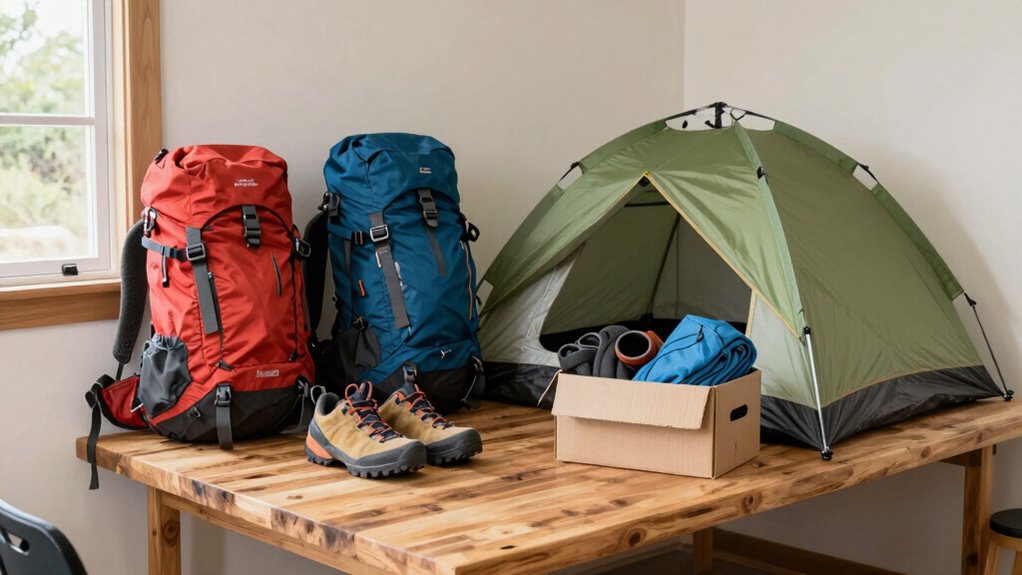
If you no longer need certain gear, donating or rehoming it can be a responsible and rewarding choice. Not only does it free up space in your home, but it also helps reduce waste and supports sustainable practices that benefit the environment. When it comes to giving away items, understanding donation etiquette is essential to ensure your gear finds a good home and doesn’t cause burden or confusion for the recipient. Being considerate and organized in your approach makes the process smoother and more impactful.
First, assess the condition of your gear carefully. Make sure it’s clean, functional, and free of damage or excessive wear. Donating items that are broken or unusable can create problems for the recipients and undermine your intention to help. When selecting where to donate, look for reputable organizations, shelters, or community groups that accept specific types of gear. Many charities have guidelines about what they can and cannot accept, so checking their donation policies beforehand shows respect for their resources and helps ensure your items are useful. This is where understanding proper donation etiquette comes into play—always follow the organization’s instructions regarding drop-off times, packaging, and item condition. Label your gear clearly if necessary, and provide any relevant information about its use or history.
Check donation guidelines, ensure gear is clean and functional, and follow organization instructions for a smooth handoff.
To practice sustainable approaches, consider alternatives to traditional donations, like passing gear directly to friends or local community members who might need it. This not only keeps items within your local network but also minimizes transportation emissions and supports community connection. If you’re donating larger or more valuable equipment, take the time to research organizations that refurbish or recycle gear responsibly. Some charities specialize in upcycling or repurposing items, which aligns with environmentally conscious practices. Additionally, choosing home theater projectors or similar technology that is still functional can maximize their lifespan and usefulness for others. Avoid dumping or discarding gear in a way that creates clutter or environmental hazards; instead, prioritize responsible disposal options if your items are no longer usable.
Throughout the process, communicate clearly with the recipient or organization. Confirm that your gear is suitable and ask if they need anything specific. Being transparent about the condition and history of your items demonstrates respect and helps avoid misunderstandings. By adhering to donation etiquette and practicing sustainable principles, you ensure your gear donation is truly beneficial. Your thoughtful actions can make a real difference—helping someone in need while supporting environmental and community sustainability. When done correctly, rehoming gear becomes more than just decluttering; it becomes a meaningful contribution that resonates far beyond your own space.

PICNIC TIME Picnic Table Portable Folding Table with Umbrella Hole and Bench Seats for Four for Tailgating, Picnics, and Beach, Collapsible to Suit-Case Style for Easy Transport, Lightweight, (Black)
- Outdoor Dining for Four: Versatile picnic table with bench seats
- Portable & Compact: Folds into suitcase-style for easy transport
- Durable Construction: Aluminum frame with easy-to-clean tabletop
As an affiliate, we earn on qualifying purchases.
Frequently Asked Questions
How Do I Determine if Gear Is Still Functional Before Donating?
You should start with testing procedures to determine if your gear is still functional. Perform a functionality assessment by turning on electronics, checking batteries, and inspecting for damage or wear. Test all features and make sure they work properly. If possible, use the equipment as intended to confirm it operates smoothly. If it passes these tests, it’s suitable for donation. Otherwise, consider repairing or recycling to avoid passing on faulty gear.
Are There Any Legal Restrictions on Donating Certain Types of Equipment?
Ever wonder if there are legal restrictions on donating certain equipment? You should check local laws and equipment regulations first, as some items like electronics, medical gear, or hazardous materials may be restricted or require special documentation. Federal, state, or organizational rules could limit donations, especially for sensitive or regulated items. Always research and verify with relevant agencies to guarantee you’re compliant and avoid legal issues when donating your gear.
What Steps Should I Take to Ensure My Personal Data Is Removed From Gear?
To guarantee your personal data is removed from gear, you should perform data sanitization by deleting all files, formatting storage devices, and resetting settings to factory defaults. Use specialized tools if necessary to wipe data securely. This process protects your privacy by preventing unauthorized access. Always double-check that no personal information remains before donating or rehoming your gear, safeguarding your privacy and avoiding potential misuse.
Can I Donate Damaged or Incomplete Items for Reuse?
Yes, you can donate damaged or incomplete items for reuse, but consider repair or refurbish options first to extend their life. If repair isn’t feasible, look into recycling options that accept your gear. Check with local recycling centers or specialized programs that safely process damaged electronics or equipment. This way, you guarantee your items are reused responsibly, helping reduce waste and environmental impact.
How Can I Verify the Credibility of a Donation or Rehoming Organization?
Did you know that over 80% of donors check charity accreditation before giving? To verify an organization’s credibility, look for charity accreditation from trusted bodies like GuideStar or BBB Wise Giving Alliance. Also, review their organization transparency—search for clear financial reports, mission statements, and impact stories. These steps make sure your donations support reputable groups, making a real difference without inadvertently supporting organizations that lack accountability.
Conclusion
When you choose to donate or rehome your gear thoughtfully, you’re planting seeds of hope in someone’s life. Imagine passing on a bike and watching a child’s eyes light up with joy—it’s like giving them wings to explore. Over 70% of donated gear finds a new home, proving your small act can create big ripples. So, take that step today; your kindness can transform clutter into opportunities for others to thrive.