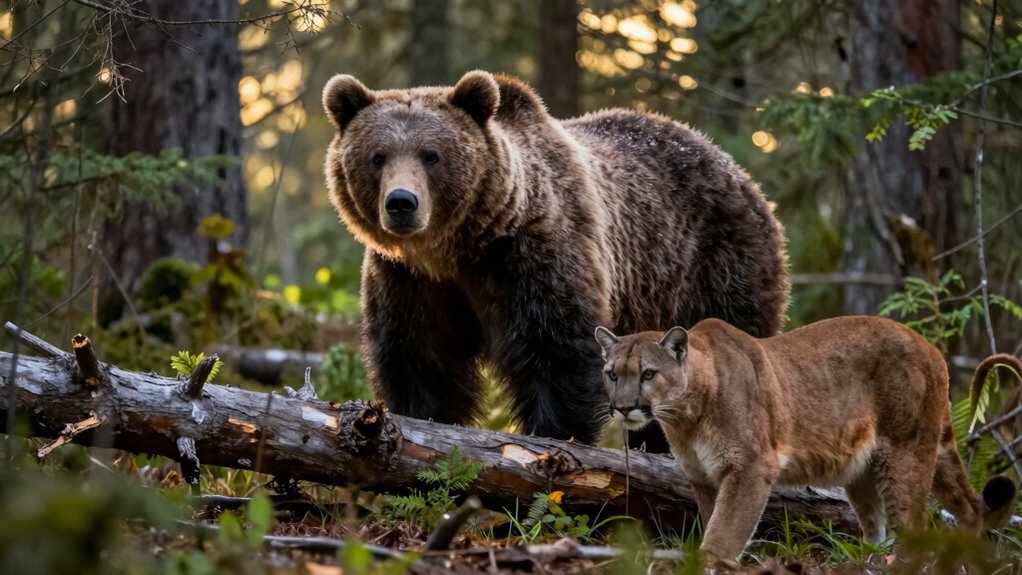

When you encounter bears or big cats in the wild, it’s vital to recognize their signs and stay cautious. Bears have large, five-toed tracks, while big cats leave four-toed prints without claws showing. Always make noise, carry deterrents, and stay on trails to avoid surprising these animals. Avoid approaching or feeding wildlife, and watch for warning signs like tracks or sounds. Keep safe to enjoy your adventure—if you continue exploring, you’ll learn more to stay prepared.
Key Takeaways
- Recognize signs of wildlife presence, such as tracks and sounds, to avoid surprise encounters with bears and big cats.
- Make noise while hiking to alert animals of your presence and reduce the chance of defensive attacks.
- Keep a safe distance from wildlife, never approach or feed animals, and observe from afar.
- Carry deterrents like bear spray and stay on established trails to minimize habitat disturbance and risks.
- Understand animal behaviors and warning signs to react appropriately and prevent dangerous situations.

Camping Hammock Mosquito Net,Double & Single Portable Hammocks Hammocks with 2 Tree Straps,Hammock Tent for Travel Camping,Camping Accessories for Indoor Outdoor Hiking Backpacking Backyard Beach
Superior Mosquito & Bug Protection:This camping hammock with mosquito net is made with ultra-fine mesh fabric (e.g., 380...
As an affiliate, we earn on qualifying purchases.
Why Wildlife Encounters Can Be Dangerous and How to Stay Safe

Wildlife encounters can be risky because animals often react defensively when they feel threatened or surprised. When habitats are disturbed or destroyed, animals lose their natural home, making encounters more unpredictable. Supporting habitat preservation is vital for wildlife conservation, as it guarantees animals can live without feeling cornered or stressed. When animals are forced into smaller spaces, their natural behaviors can change, increasing the chances of aggressive reactions. Staying safe means respecting their environment and avoiding unnecessary disturbance. If you keep a safe distance and avoid encroaching on their habitat, you reduce the risk of provoking defensive behavior. Recognizing animal behavior patterns can help you anticipate and react appropriately during wildlife interactions. Recognizing habitat disruption signs can also alert you to potential dangers before an animal becomes aggressive. Additionally, understanding natural habitat needs can provide insights into why animals behave certain ways and how to better coexist with them. Being aware of species-specific behaviors can further enhance your safety and appreciation for wildlife. Protecting natural habitats benefits both wildlife conservation efforts and your safety, creating a balanced environment where humans and animals can coexist peacefully. Additionally, awareness of human encroachment effects can help prevent conflicts and promote coexistence.

INNO STAGE Double Hammock with Tree Straps - Extra Large 2 Persons Hammock Portable Hanging Camping Bed for Patio, Backyard, Porch, Outdoor and Indoor Use - Soft Canvas Hammock with Carrying Bag
Double hammock - Our indoor hammocks are made from breathable cotton, polyester, and viscose fibers. This combination ensures...
As an affiliate, we earn on qualifying purchases.
How to Recognize Bears and Big Cats and Understand Their Behaviors

Recognizing bears and big cats is key to staying safe during outdoor adventures. You can often identify them by distinguishing tracks—bear tracks are large with five toes and a straight line across the toes, while big cat tracks have four toes with no claw marks visible. Pay attention to habitat preferences; bears tend to inhabit forests, mountains, and areas near water, while big cats like mountain lions prefer rocky terrains and open woodlands. Behavior clues also help: bears may stand on hind legs to survey the area or forage on the ground, whereas big cats often move silently and crouch when stalking prey. Understanding these signs helps you remain alert and cautious, reducing surprises and keeping you safe in the wild.

Camping Hammock Lightweight, Portable Hammocks Parachute Hammock with Two Tree Straps, Single or Double Travel Swing Nylon Camp Hammocks, Outdoor Essentials for Beach Backpacking Hiking, Blue
🍺Heavy Duty and Reliable: Our camping hammocks is built to support up to 600 lbs, making it ideal...
As an affiliate, we earn on qualifying purchases.
What Are the Warning Signs of Wildlife and How Can You Stay Vigilant?

To stay safe in the wild, recognizing warning signs that animals are nearby is vital. Keep an eye out for animal tracking, such as fresh footprints or scat, which indicate recent animal activity. Habitat signs, like broken branches, overturned rocks, or chewed vegetation, also signal wildlife presence. Listening for sounds like rustling bushes, snapping twigs, or distant growls can alert you to nearby animals. Staying vigilant by regularly scanning your surroundings and noting any unusual activity can make a significant difference. Remember, animals often leave subtle clues before they become visible. Being aware of these signs helps you anticipate wildlife encounters and react appropriately, reducing the risk of surprise. Staying attentive to animal tracking and habitat signs is your best strategy for safety in the wild. Recognizing wildlife warning signs can also be helpful if you need to stay alert and energized during outdoor activities. Additionally, understanding cryptocurrency market trends can help you stay informed about potential risks or opportunities during your outdoor excursions. Developing situational awareness is a crucial skill to enhance your ability to respond effectively to wildlife encounters.

Kootek Camping Hammock 400 lbs Capacity, Portable Hammocks with Tree Straps & Attached Carry Bag, Camping Essentials Gear, Perfect for Outside Indoor Hiking Beach Backpack Travel
Perfect Camping Gear: Looking to elevate your outdoor experience and escape the hustle and bustle of everyday life?...
As an affiliate, we earn on qualifying purchases.
Top Safety Tips When Hiking Near Large Predators
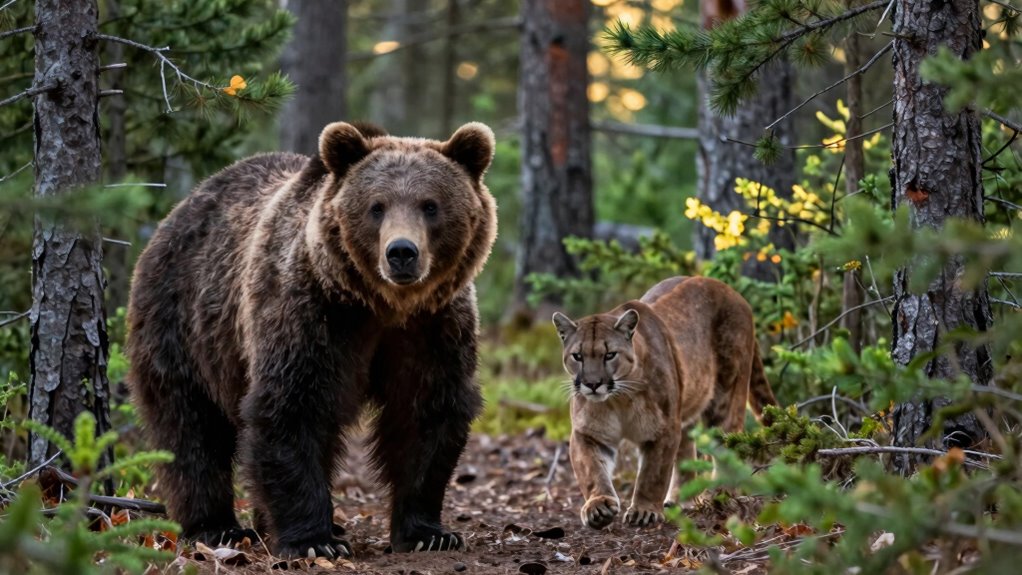
Hiking near large predators requires heightened awareness and proactive safety measures. Always make noise to alert animals of your presence, reducing surprise encounters. Carry bear spray or deterrents, especially if you’re wildlife photography or camping safety-conscious. Stay on established trails, avoiding dense brush where predators hide. If you see tracks or signs, back away slowly without turning your back. Keep children close and pets on a leash. In wildlife-rich areas, avoid hiking alone at dawn or dusk when predators are most active. Use a loud whistle or voice to maintain visibility. Remember, predators are usually more afraid of you than you are of them. Stay alert, prepared, and respect their space for a safe outdoor experience.
| Tip | Why It Matters | Action Item |
|---|---|---|
| Make noise | Alerts predators of your presence | Talk or sing while hiking |
| Carry deterrents | Prevent surprise attacks | Bring bear spray or whistles |
| Stay on trails | Avoid dense cover where predators hide | Stick to marked paths |
Common Mistakes That Put You at Risk and How to Avoid Them
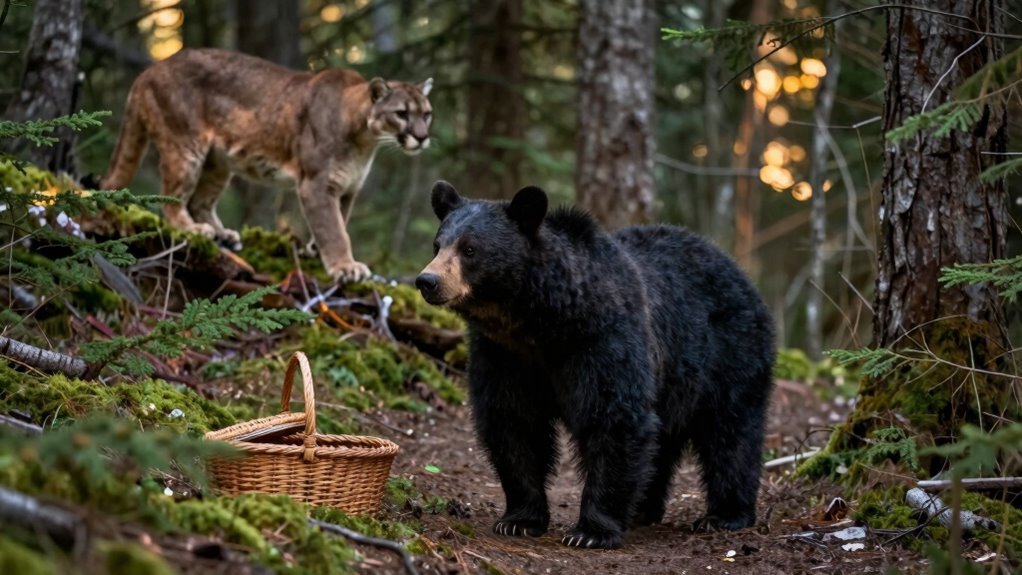
One common mistake that increases your risk in wildlife areas is neglecting to stay alert and aware of your surroundings. Feeding wildlife is a serious error because it encourages animals to associate humans with food, increasing the chance of dangerous encounters. Approaching animals, whether for photos or curiosity, can provoke aggressive behavior and lead to attacks. Many hikers underestimate how quickly animals can react and how fragile their boundaries are. To avoid these mistakes, keep a safe distance, never feed or try to touch wildlife, and stay vigilant. Remember, animals are wild and unpredictable. Your best safety strategy is respecting their space and observing from afar, which helps prevent risky situations and keeps both you and the animals safe. Understanding cryptid sightings and folklore can also influence how people perceive and respond to wildlife encounters, sometimes leading to misconceptions or unsafe behaviors. Additionally, understanding animal behavior cues can help you recognize signs that an animal may feel threatened and is preparing to defend itself. Being familiar with wildlife behavior patterns can further improve your ability to interpret animal actions and respond appropriately. Developing awareness of energetic alignment may also enhance your connection with animals, promoting safer and more respectful interactions.
Frequently Asked Questions
What Should I Do if I Encounter Wildlife at Night?
If you encounter wildlife at night, stay calm and avoid sudden movements. Use a flashlight to identify the animal without shining it directly in its eyes, which can provoke an attack. Remember that nocturnal animals are naturally active during darkness, so give them space and back away slowly. Your calm behavior helps prevent startling them and reduces the risk of dangerous wildlife night encounters. Always prioritize your safety and observe from a safe distance.
How Can I Safely Store Food to Avoid Attracting Animals?
You should store food securely in bear-proof containers to prevent attracting wildlife. Always keep food away from your campsite and hang it high in a tree if bear-proof containers aren’t available. Avoid leaving food scraps or scented items out, as these attract animals. Proper food storage minimizes risks and keeps both you and wildlife safe. Remember, using bear-proof containers is the most effective way to protect your food and prevent wildlife encounters.
Are There Any Specific Clothing Considerations for Wildlife Safety?
When it comes to wildlife safety, focus on your clothing choices. You should wear camouflage clothing to blend into the environment and avoid attracting attention from animals. Bright colors, however, are a bad idea because they make you stand out and can trigger curiosity or aggression. Always choose clothing that helps you stay discreet and minimizes your chances of startling or drawing animals toward you.
How Do Weather Conditions Influence Wildlife Behavior?
Weather patterns act like a conductor, guiding wildlife behavior like a symphony. When storms roll in or temperatures plummet, animals shift their routines, seeking shelter or food. Clear skies and mild weather encourage animal migration, while rain and cold can make creatures retreat or become more cautious. You can observe this rhythm, knowing that changing weather influences their movements and habits, making awareness your best tool for safe wildlife encounters.
What Are the Best Emergency Procedures if Attacked?
If you’re attacked, stay calm and use wildlife deterrents like bear spray if available. Protect your head and neck, and avoid running. Make yourself look bigger by raising your arms or jacket. Use emergency communication devices like a whistle or mobile phone to call for help. Once safe, report the incident to authorities to help prevent future attacks. Remember, quick, calm actions are your best defense.
Conclusion
Remember, wildlife encounters often happen when you least expect them, like spotting a bear’s paw prints where you thought you were alone. Stay alert, respect their space, and follow safety tips. Sometimes, a quiet moment in nature reveals more than you realize—a rustle, a glance, a reminder that these creatures share our world. By staying vigilant and cautious, you can enjoy the wild safely, turning luck into a shared respect for nature’s boundaries.