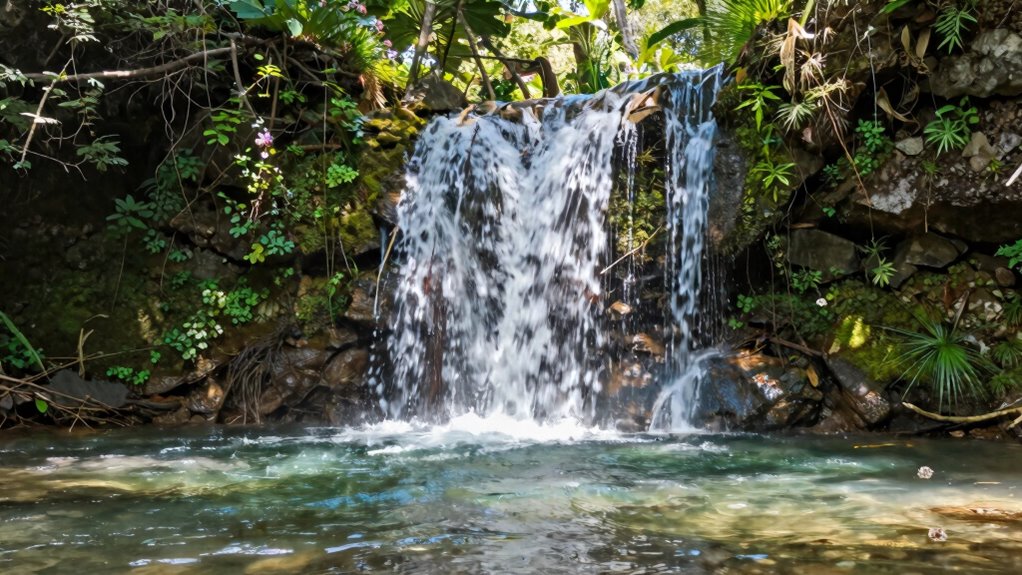

To visit waterfalls responsibly and prevent erosion, stick to designated trails and use eco-friendly practices like packing out waste and avoiding climbing on formations. Supporting conservation efforts and choosing eco-certified destinations help protect fragile habitats. Educate yourself about the cultural and ecological importance of waterfalls to appreciate their value. By respecting local rules and community guidelines, you can help preserve these natural wonders for future visits—more tips on making your visit low-impact await you.

Get travel and outdoor gear delivered free with Prime
- Fast, free delivery on millions of items
- Prime Video, Amazon Music and more included
- Member-only deals all year
Key Takeaways
- Stay on designated trails to minimize soil disturbance and prevent erosion around waterfall sites.
- Practice Leave No Trace principles by packing out waste and avoiding climbing on formations.
- Support eco-friendly waterfalls with sustainable facilities and conservation certifications.
- Educate yourself about the ecological and cultural significance of waterfalls to promote respectful visits.
- Participate in conservation efforts and follow guidelines to protect fragile environments for future generations.
How Waterfalls Can Erode and Disrupt Habitats

Although waterfalls can create stunning scenery, they can also cause significant erosion that disrupts local habitats. Natural processes like the constant flow of water naturally wears away rock and soil over time, shaping the landscape. However, human activities, such as construction or deforestation near waterfalls, can accelerate erosion. When trees are removed, the soil loses its stability, making it more vulnerable to being washed away. Increased runoff from urban development can intensify erosion at waterfall sites, leading to habitat loss for plants and animals. This disruption can alter waterways and degrade ecosystems, making it harder for native species to thrive. Recognizing the impact of both natural and human factors is essential in understanding how waterfalls influence their environments. Additionally, implementing sustainable land use practices can help mitigate erosion and preserve delicate habitats around waterfalls. Understanding how erosion processes work is crucial for developing effective conservation strategies to protect these vital ecosystems. Moreover, studying hydrological cycles helps reveal how water movement affects erosion rates and landscape changes.
How to Find Eco-Friendly Waterfalls and Trails

To find eco-friendly waterfalls and trails, start by researching destinations that prioritize conservation and sustainable practices. Look for parks or reserves that use eco trail mapping to minimize environmental impact and guide visitors along low-impact routes. These tools help preserve natural features and reduce erosion caused by foot traffic. Additionally, check if the site employs water conservation techniques, such as rainwater collection or eco-friendly restroom facilities, which indicate a commitment to sustainability. Use online resources, reviews, and official websites to verify their eco-friendly initiatives. Incorporating low-impact visit strategies helps protect delicate ecosystems and ensures your trip supports habitat preservation. Being aware of environmental impact assessments can also guide you toward destinations that actively work to lessen their footprint. By choosing destinations that implement sustainable tourism practices, you can enjoy the beauty of waterfalls responsibly and sustainably. Moreover, selecting locations that utilize eco-friendly infrastructure demonstrates a proactive approach to minimizing ecological disruption during your visit. For added assurance, look for sites that have received eco-certifications, which validate their dedication to environmentally conscious operations.
Tips for Visiting Waterfalls Responsibly and Minimizing Impact
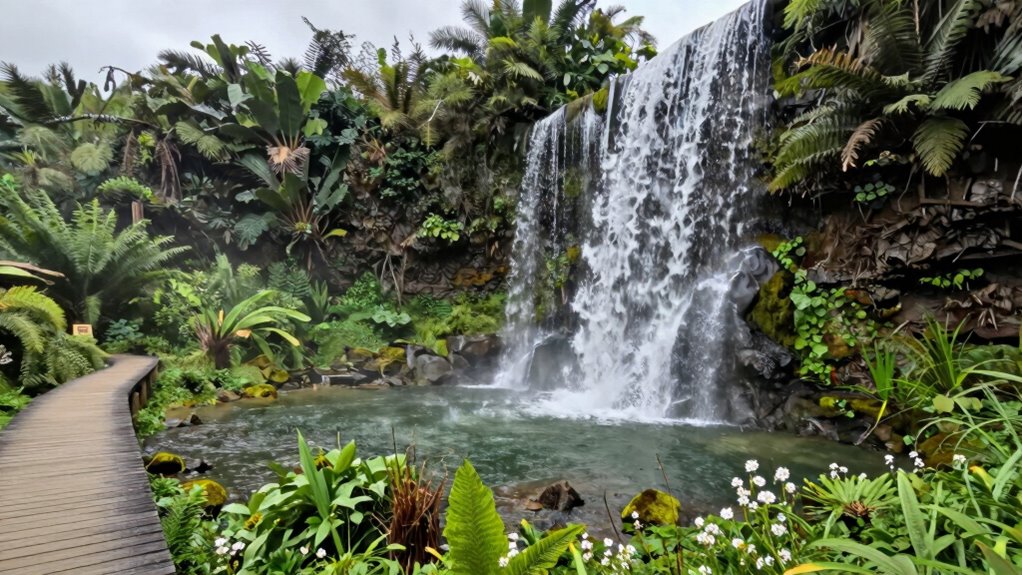
When visiting waterfalls, stay on designated trails to protect fragile environments. Always pack out what you bring in and leave no trace of your visit. By following these simple tips, you help keep waterfalls beautiful and erosion-free for everyone. Additionally, practicing minimal impact approaches ensures that natural beauty remains preserved for future visitors. Being mindful of the natural environment can also help reduce disturbances to local flora and fauna. Using eco-friendly leave no trace techniques further supports the preservation of these delicate ecosystems. Engaging in proper trail etiquette minimizes human impact on the surrounding landscape. Incorporating environmentally conscious practices can significantly contribute to the sustainability of these natural wonders.
Stay on Designated Trails
Staying on designated trails is one of the simplest yet most effective ways to protect waterfalls and their surrounding environments. When you stick to established paths, you help reduce trail erosion caused by foot traffic, which minimizes the need for trail maintenance and keeps the landscape intact. This also supports wildlife preservation by limiting disturbances to animals and their habitats. Venturing off-trail can damage fragile plant life and disturb nesting areas, leading to long-term ecological harm. By following signs and staying on marked routes, you ensure your visit remains low-impact and sustainable. Respecting trail boundaries not only protects the environment but also preserves the natural beauty for future visitors to enjoy. Your mindful choices make a real difference in conserving these stunning natural sites. Incorporating sustainable practices, such as care and preservation, further helps maintain the integrity of these delicate ecosystems. Engaging in responsible outdoor activities promotes ecological conservation principles that align with ecological conservation efforts. Additionally, utilizing smart outdoor technology can help visitors navigate trails more effectively and responsibly, further reducing environmental impact. Being aware of biohacking for enhanced performance can also encourage staying energized and mindful during your visit, minimizing unnecessary wandering and disturbance.
Leave No Trace
Practicing Leave No Trace principles guarantees your visit to waterfalls leaves minimal environmental impact. Respect the natural waterfall geology by staying on designated paths and avoiding trampling delicate plants or soil. Carry out all trash and pack out any waste to prevent pollution and erosion, which can destabilize the landscape. Avoid climbing on rocks or formations that could cause erosion prevention issues or damage fragile features. Keep noise levels low to preserve the tranquility and prevent disturbing wildlife. Use eco-friendly gear and stay on established trails to help maintain the area’s beauty. Being aware of natural erosion processes can help you understand how human activity accelerates landscape changes. Recognizing the importance of landscape stability encourages more mindful interactions. Understanding the psychological impact of preserving natural environments encourages more mindful interactions. Additionally, being mindful of visitor impact can lead to more sustainable tourism practices. By acting responsibly, you ensure future visitors can enjoy the waterfall’s natural wonder while protecting it from erosion and human impact. Your mindful actions make a real difference. Incorporating environmental conservation principles into your visit can further enhance your positive impact.
Staying on Trails and Protecting Fragile Environments
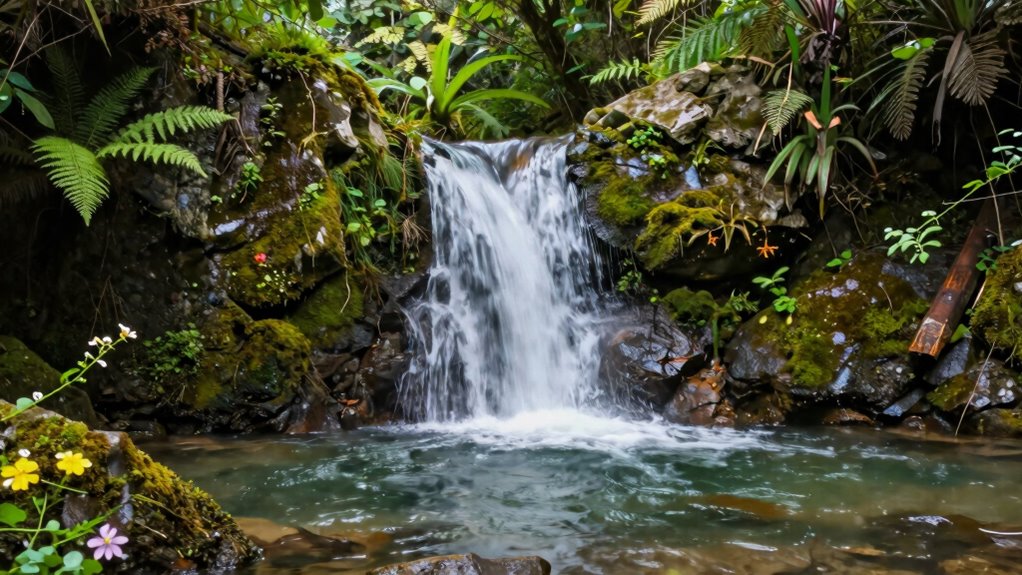
To preserve the delicate beauty of waterfalls and their surrounding environments, it’s essential that you stick to established trails. Trail signage helps guide you and highlights sensitive areas that require extra care. Pay attention to these signs and respect designated paths to prevent erosion and habitat damage. Visitor education programs often provide crucial information on how to minimize your impact. Use the following table to understand how different actions protect fragile environments:
| Action | Benefit |
|---|---|
| Staying on marked trails | Prevents trampling and soil erosion |
| Respecting signage | Keeps visitors informed and safe |
| Avoiding shortcuts | Preserves natural plant life and reduces disturbance |
Educating Yourself and Others About Waterfall Conservation
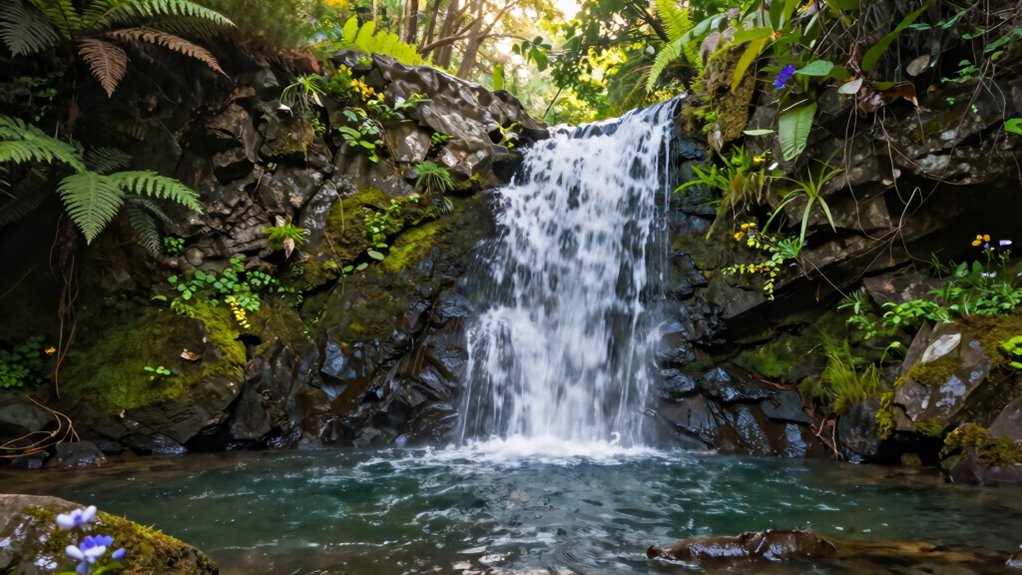
Learning about waterfall conservation empowers you to make informed decisions that protect these natural wonders. Many waterfall myths, like the idea that they are endless or invincible, can lead to neglect or careless behavior. Understanding their true ecological and cultural significance helps you appreciate their delicate balance. Waterfalls often hold cultural importance for local communities, symbolizing spirituality, history, or natural heritage. Sharing accurate information with others raises awareness and fosters respect for these environments. By educating yourself and others, you combat misconceptions and promote responsible tourism. Your knowledge can inspire others to follow low-impact practices and support conservation efforts. Together, informed visitors help ensure waterfalls remain pristine and erosion-free for generations to come.
How Local Rules and Conservation Programs Help Prevent Erosion

Local rules and conservation programs play a crucial role in preventing erosion around waterfalls by regulating human activity and protecting sensitive areas. When you follow community guidelines, you help minimize trail damage and preserve natural features. Effective policy enforcement ensures visitors stay on designated paths, reducing soil disturbance and preventing erosion. Community involvement is essential; local groups often participate in monitoring and maintaining the area, fostering a collective responsibility for conservation. These programs often include signage, restricted access zones, or seasonal closures, all aimed at safeguarding the environment. By respecting rules and supporting conservation efforts, you contribute to long-term erosion prevention, ensuring waterfalls remain pristine for future visitors. Your proactive participation directly impacts the health of these delicate ecosystems, making conservation a shared responsibility.
Frequently Asked Questions
Are There Specific Seasons When Waterfalls Cause Less Environmental Damage?
You’ll want to visit waterfalls during the late spring or early summer when the seasonal flow is moderate. During these times, visitor impact is lower because fewer people go, and the water volume isn’t as intense, reducing erosion. Avoid peak seasons like summer or holidays, when heavy foot traffic and high water levels can cause more environmental damage. Planning your visit during these shoulder seasons helps protect the natural landscape.
How Can I Tell if a Waterfall Area Is Environmentally Protected?
You can tell if a waterfall area is environmentally protected by checking for signs of biodiversity preservation and habitat disturbance. Look for designated park signs, official maps, or information from local authorities indicating protected zones. These areas typically have regulations to minimize habitat disturbance, promote conservation, and conserve local biodiversity. When in doubt, ask park rangers or visit official websites to guarantee you’re respecting the environment and supporting conservation efforts.
What Are the Signs of Ongoing Erosion at a Waterfall Site?
You’ll notice signs of ongoing erosion at a waterfall site through visible rock displacement and soil instability. Studies show that over 60% of natural erosion occurs near water, making these signs common indicators. Look for cracked or shifting rocks, exposed roots, or sudden changes in the landscape. These signs suggest the area’s erosion process is active, so it’s best to avoid disturbing the site to help preserve its natural state.
Can Artificial Waterfalls Be Designed to Prevent Erosion?
Yes, artificial waterfalls can be designed to prevent erosion by incorporating erosion prevention techniques. You should focus on using durable materials like concrete or reinforced stone to withstand water flow, and integrate features such as flow control systems to manage water velocity. Proper landscaping and drainage guarantee stability, reducing erosion risks. Working with landscape architects and engineers helps you create a sustainable, low-impact design that maintains its beauty while protecting the environment.
How Do Local Communities Participate in Waterfall Conservation Efforts?
You can participate in waterfall conservation efforts by engaging in community involvement and supporting local conservation programs. Volunteer for cleanup events, spread awareness about erosion prevention, and collaborate with local organizations to protect these natural sites. Your active participation helps maintain the waterfall’s natural beauty and guarantees sustainable tourism. By staying informed and encouraging responsible behavior, you contribute markedly to preserving waterfalls for future generations.
Conclusion
By choosing eco-friendly waterfalls and following responsible trail practices, you help prevent erosion and protect fragile habitats. Did you know that some theories suggest human presence can actually reshape ecosystems? While this isn’t always true, your mindful visits make a real difference. Stay on designated paths, respect local rules, and educate others. Together, we can enjoy waterfalls without causing lasting harm, ensuring these natural wonders remain vibrant and pristine for generations to come.
Halloween Picks
halloween
As an affiliate, we earn on qualifying purchases.