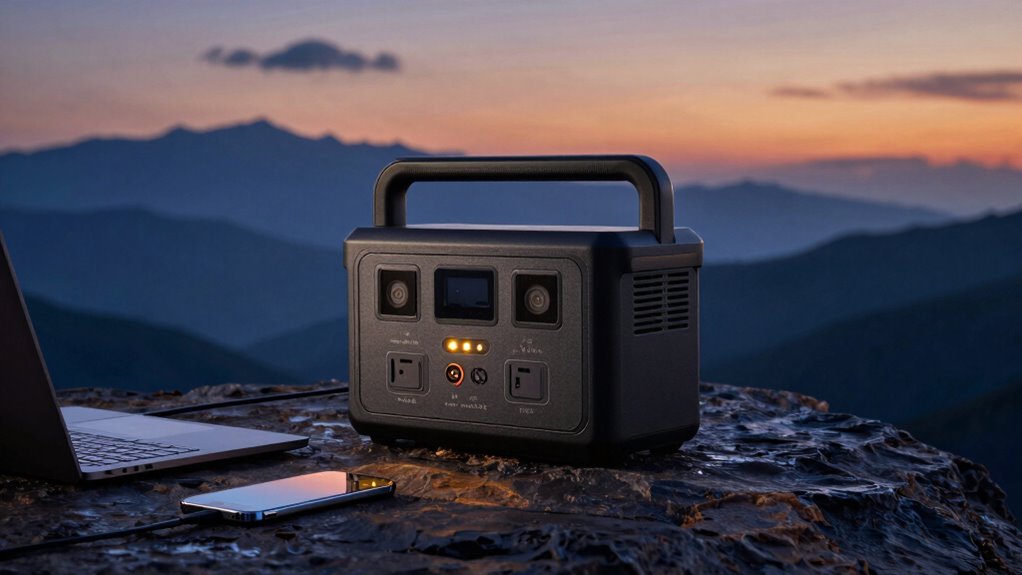

Finding the right portable power station for remote work can be a game-changer, especially when working in off-grid locations or during power outages. The best options balance battery capacity, portability, and versatility, but each has tradeoffs. The Jackery Explorer 300 stands out for its reliable performance and compact size, making it ideal for most remote workers. The BLUETTI AC180 offers massive capacity for those needing longer-lasting power at a higher price point, while the DaranEner Portable Power Station provides a solid balance of features for outdoor use. Continue reading to see the full breakdown and find the perfect fit for your remote work setup.

Get travel and outdoor gear delivered free with Prime
- Fast, free delivery on millions of items
- Prime Video, Amazon Music and more included
- Member-only deals all year
Complete the kit


Key Takeaways
- The most versatile options combine high capacity with portability, but often come at a higher price.
- LiFePO4 batteries are preferred for their longevity and safety, especially for frequent use.
- Power stations with multiple AC outlets and fast-charging USB-C help accommodate various devices simultaneously.
- Lighter, smaller units are ideal for mobility, but may lack enough capacity for extended remote work sessions.
- Price often correlates with capacity and feature set, so balancing budget with needs is essential.


| portable power station for remote work | Weight | Capacity | Dimensions |
|---|---|---|---|
| DaranEner Portable Power Stati | 5.73 lbs | 192Wh | — |
| EBL 330W Portable Power Statio | 7.94 lbs | — | 9.61 x 6.73 x 6.97 inches |
| Daran Portable Power Station 8 | 2.54 pounds | — | 6.5×3.3×4 inches |
| Jackery Explorer 300 Portable | 7.5 lbs | 292Wh | — |
| EnginStar Portable Power Stati | 6.5 pounds | 296Wh | 9 x 5.5 x 7.5 inches |
| HOWEASY Portable Power Station | 2.3 pounds | — | 6.6 x 4 x 3 inches |
| ALLWEI Portable Power Station | 6.4 lbs | 256Wh | 9.25×5×6.81 inches |
| BLUETTI AC180 Portable Power S | — | — | — |
| BLAVOR Power Bank Station | — | 236.8Wh / 64,000mAh | — |
| MARBERO Portable Power Station | 3.2 lbs | 88Wh | 6.5 x 4.6 x 3.1 inches |
| Portable Power Station 300W | 8.8 lbs | 192Wh | — |
| Anker SOLIX C300 Portable Powe | — | 288Wh | — |
More Details on Our Top Picks
DaranEner Portable Power Station, 192Wh LiFePO4 Battery Backup Solar Generator with 2 300W AC Outlets, USB-C PD 60W Fast Charge, for Camping, Outdoor, Home, Emergency
This model stands out for its robust LiFePO4 battery that surpasses many competitors like the EnginStar 300W in longevity, boasting over 3500 cycles. Its compact size and lightweight design make it ideal for those who need portable power without bulk, especially for quick outdoor or emergency use. However, its limited solar input of 60W and inability to run high-wattage appliances like hair dryers mean it’s best suited for charging phones, tablets, and laptops, not heavy-duty devices. It’s a good choice for users prioritizing portability and battery lifespan over maximum power capacity.
Pros:- Long-lasting LiFePO4 battery with over 3500 cycles
- Supports multiple recharging methods including solar, AC, and car
- Supports charging up to six devices simultaneously with various ports
- Compact and lightweight for easy portability
Cons:- Limited to powering small devices; not suitable for high-wattage appliances
- Solar panel and car charging cables not included
- Maximum solar input limited to 60W
Best for: Remote workers who need a reliable, lightweight power source for charging multiple small devices during outdoor work or emergencies.
Not ideal for: Users needing to run high-power devices or appliances like refrigerators or power tools, due to limited wattage and solar input.
- Capacity:192Wh
- AC Outlets:2 (300W each, peak 600W)
- USB-C PD:60W
- USB-A Ports:2 (18W QC3.0)
- Battery Type:LiFePO4
- Cycle Life:3500+ cycles
- Weight:5.73 lbs
- Charging Methods:AC, car, solar (up to 60W)
Our verdict“This pick is best for those who need a portable, durable power source for small devices in outdoor or emergency settings.”
EBL 330W Portable Power Station 288.6Wh Solar Generator for Outdoor & Home
Compared with the Jackery Explorer 300, the EBL 330W offers a slightly larger capacity of 288.6Wh and a higher rated power of 330W, making it more capable of handling multiple devices simultaneously. Its built-in emergency SOS and LED lighting enhance safety during outdoor adventures or blackouts. However, its longer charging times (up to 7 hours) and limited peak surge power of 600W mean it’s less suitable for running high-wattage or sensitive equipment. This model makes sense for users who want a balanced mix of capacity, portability, and safety features for outdoor or emergency use.
Pros:- Moderate capacity of 288.6Wh suitable for multiple devices
- Multiple recharging options including solar, wall, and car
- Built-in emergency SOS and LED lighting for safety
Cons:- Charging times can be lengthy depending on method
- Limited to 330W continuous output, restricting high-wattage use
- Longer recharge durations compared to smaller units
Best for: Campers, RV travelers, or small households needing reliable backup power with safety features.
Not ideal for: Those requiring high-wattage appliances or quick recharging, as it cannot support heavy loads or rapid solar input.
- Battery Capacity:288.6Wh
- Rated Power:330W
- Peak Surge Power:600W
- Weight:7.94 lbs
- Dimensions:9.61 x 6.73 x 6.97 inches
- Charging Time (Wall):6-7 hours
- Charging Time (Car):7-9 hours
- Charging Time (Solar):5-9 hours
Our verdict“Ideal for outdoor enthusiasts and emergency preparedness where safety features and moderate capacity matter most.”
Daran Portable Power Station 89.6Wh LiFePO4 Battery 100W Solar Power Bank, Portable Charger with AC Outlets & PD Fast Charging
This ultra-lightweight option excels in portability, weighing just 2.54 pounds, making it perfect for quick outdoor tasks or emergency kits. Its 89.6Wh capacity and 100W (200W surge) output are enough for charging smartphones, tablets, and small laptops, outperforming larger units like the Jackery Explorer 300 in size. However, its limited capacity restricts long-term or high-power device use, and solar input is not included, which could slow recharging in off-grid situations. It’s a smart choice for users who prioritize minimal weight and fast charging for small devices over extended power demands.
Pros:- Extremely compact and lightweight for easy carrying
- Fast charging from 0-80% in just 1.5 hours
- Multiple output ports including AC, USB-C, and USB-A
- Quiet operation with built-in flashlight
Cons:- Limited to devices within 100W; not for larger appliances
- No solar panel included, reducing off-grid independence
- Battery capacity may be insufficient for prolonged use
Best for: Hikers, emergency preppers, or outdoor workers needing a lightweight, quick-charge backup for small devices.
Not ideal for: Anyone needing to power larger devices or run for extended periods without access to frequent recharging.
- Battery Capacity:89.6Wh
- Battery Type:LiFePO4
- Weight:2.54 pounds
- Dimensions:6.5×3.3×4 inches
- Output Power:100W (peak 200W)
- Number of Ports:7
- Charging Time:1.2 hours
Our verdict“Perfect for quick-charging small devices on the go or during emergencies where portability is key.”
Jackery Explorer 300 Portable Power Station, 292Wh
The Jackery Explorer 300 is a popular choice for those who want a balance of capacity and portability, offering 292Wh in a package weighing only 7.5 pounds. Its long-lasting LiFePO4 batteries support over 4,000 charge cycles, outlasting many competitors like the EBL 330W. With multiple outlets, including a 100W USB-C PD port, it caters well to remote workers needing reliable device charging. The main tradeoff lies in its 300W maximum output, which restricts high-power tools or appliances. It’s a solid, durable option for everyday device charging during outdoor work or emergencies.
Pros:- Lightweight and portable at 7.5 lbs
- Over 4,000 charge cycles for long-term use
- Supports fast solar charging
- Multiple device charging options
Cons:- Limited to 300W continuous output
- Solar panel not included
- Requires a physical address for delivery
Best for: Remote workers who need a lightweight, durable station for daily device charging during outdoor or off-grid work.
Not ideal for: Power users requiring to run high-wattage devices or appliances for extended periods, due to limited wattage capacity.
- Capacity:292Wh
- Weight:7.5 lbs
- AC Outlets:2
- USB-C Port:100W PD
- USB-A Ports:2
- Car Port:120W
- Charge Cycles:Over 4,000
Our verdict“This is a reliable, portable power source best suited for daily outdoor device charging rather than heavy-duty appliance use.”
EnginStar Portable Power Station 300W 296Wh Solar Generator
The EnginStar 300W offers a slightly higher capacity of 296Wh and a continuous 300W power output, making it suitable for users who need to run small appliances or multiple devices simultaneously. Its multiple charging options, including solar, AC, and car, provide versatility in off-grid scenarios. Unlike the Allwei 256Wh, it supports a full 300W output, but its relatively modest capacity limits long-term use. This model is well-suited for those who need reliable emergency power or outdoor device charging with a focus on higher power demands.
Pros:- Compact and lightweight at 6.5 pounds
- Supports multiple charging methods including solar
- Pure sine wave AC outlets for sensitive electronics
- Over 1000 charge cycles for durability
Cons:- Limited to 300W power output
- Solar panel not included, requiring additional purchase
- Recharge time varies with source
Best for: Outdoor enthusiasts or emergency preppers requiring a higher wattage output with multiple recharging options.
Not ideal for: Extended power needs for large appliances or prolonged off-grid use, due to limited capacity and recharge times.
- Capacity:296Wh
- Power Output:300W
- Dimensions:9 x 5.5 x 7.5 inches
- Weight:6.5 pounds
- Charge Cycles:Over 1000
- AC Outlets:2
Our verdict“This station makes the most sense for users needing higher wattage in a portable package for outdoor or emergency power needs.”
HOWEASY Portable Power Station, 120W (240W Peak) Solar Generator
This lightweight power station stands out for those needing quick, portable charging without heavy weight or large capacity. Its 88Wh battery and multiple output ports make it ideal for charging essential devices during brief outdoor trips or emergencies. Compared to the MARBERO 88Wh, it offers similar capacity but with more versatile recharging options, including solar, AC, and car. However, its limited battery size means it won’t handle longer power needs or high-wattage devices, making it less suitable for extended remote work setups. The built-in LED light adds utility but doesn’t compensate for its modest capacity. Tradeoffs: lightweight and portable design versus limited runtime and power.
Pros:- Extremely portable with a lightweight 2.3-pound design
- Multiple output ports for versatile device charging
- Supports solar, AC, and car charging for flexibility
Cons:- Battery capacity may be insufficient for extended use or multiple devices
- Solar panel not included, requiring extra purchase
Best for: Light-duty remote workers or travelers who need quick device recharging and portability.
Not ideal for: Remote workers with multiple devices or longer work sessions requiring sustained power.
- Output Power:120W (240W Peak)
- Battery Capacity:88Wh
- Dimensions:6.6 x 4 x 3 inches
- Weight:2.3 pounds
- Recharging Modes:AC outlet, solar panel (not included), car socket
- Cycle Life:>1500 times
Our verdict“Ideal for casual remote work or quick device top-ups but not for sustained off-grid power needs.”
ALLWEI Portable Power Station 300W, 256Wh Solar Generator LiFePO4 Battery
This model offers a significant step up in capacity and lifespan with its 256Wh LiFePO4 battery, making it suitable for more serious outdoor work or backup during outages. Its ability to power up to six devices simultaneously and support multiple recharging methods—including fast solar charging—compared favorably against smaller options like the HOWEASY. The long cycle life of 3000 charges means it can serve for years, but its 300W continuous power limits usage to low- and medium-wattage devices, excluding high-power laptops or tools. The weight of 6.4 lbs strikes a balance between portability and capacity, but it’s less convenient than ultra-light models for backpacking. Tradeoffs: increased capacity and lifespan at the expense of added weight and cost.
Pros:- Long-lasting LiFePO4 battery with 3000 charge cycles
- Supports multiple recharging methods including solar
- Can power up to six devices simultaneously
Cons:- Limited to 300W continuous power, unsuitable for high-power devices
- Additional solar panel needed for solar recharging
Best for: Remote workers needing reliable, versatile power for multiple devices over longer periods, especially in outdoor or off-grid scenarios.
Not ideal for: Users requiring high-wattage power or extended operation of power-hungry equipment, as it maxes out at 300W continuous output.
- Capacity:256Wh
- Continuous Power:300W
- Peak Power:600W
- Battery Type:LiFePO4
- Charging Time (AC):3.5-4 hours
- Dimensions:9.25×5×6.81 inches
- Weight:6.4 lbs
Our verdict“A strong choice for off-grid remote work that prioritizes battery longevity and device versatility over high wattage capacity.”
BLUETTI AC180 Portable Power Station 1152Wh 1800W LiFePO4 Solar Generator
The BLUETTI AC180 stands out for its impressive 1152Wh capacity, making it suitable for longer remote work sessions or as a home backup during outages. Its ability to fully recharge in just 1 hour via AC power significantly reduces downtime, outperforming smaller units like the ALLWEI in speed and capacity. The 1800W continuous output supports most laptops and essential gear, and the boosted 2700W mode via app adds extra flexibility. However, its higher price point and capacity limits for extended use make it less ideal for users who need to run several high-power devices continuously. The requirement of a dedicated app for boosting might complicate setup for some. Tradeoffs: high capacity and fast charging versus higher cost and complexity.
Pros:- Fast recharge in just 1 hour, minimizing downtime
- High power output supporting multiple devices
- Supports solar charging for eco-friendly operation
Cons:- Higher price compared to smaller units
- Limited capacity for very long-term off-grid use without additional units
Best for: Remote workers who need high-capacity, fast-charging power stations capable of handling multiple devices over extended periods.
Not ideal for: Budget-conscious users or those with minimal device needs, given its premium price and setup requirements.
- Battery Capacity:1152Wh
- Max Output:1800W
- Boosted Output:2700W
- Charging Time:1 hour (AC)
- Solar Input:500W
- Warranty:5 years
Our verdict“Best suited for remote workers needing reliable, rapid recharge and high power capacity, willing to invest in advanced features.”
BLAVOR Power Bank Station, 236.8Wh/64,000mAh Portable Power Station
This compact, waterproof station combines high capacity with added outdoor utility, including a 360° lantern and wireless charging, making it ideal for outdoor remote work and emergency situations. Compared to smaller units like the MARBERO, its IP67 waterproof rating offers extra durability for rugged environments. Its 236.8Wh capacity supports multiple devices, but it still falls short of powering high-wattage laptops for long durations. The built-in lantern and wireless charging add convenience, but the weight and size—details not fully specified—may limit portability for some users. The need for a separate solar panel for solar charging adds complexity. Tradeoffs: rugged versatility versus size and capacity limitations.
Pros:- Rugged, waterproof, and shockproof design suitable for outdoor use
- Built-in 360° lantern with multiple brightness modes
- Wireless charging capability and multiple output options
Cons:- Price not specified, potentially expensive for some
- Requires separate solar panel for solar recharging
Best for: Outdoor remote workers and adventurers who need a rugged, multi-function power source with waterproofing.
Not ideal for: Users seeking a lightweight, minimal device for frequent travel or high power demands.
- Capacity:236.8Wh / 64,000mAh
- Wattage:165W
- Waterproof Rating:IP67
- Charging Time:3 hours with solar panel
- Runtime:Up to 59 hours on low brightness
- Material:Plastic, Silicone
Our verdict“Perfect for outdoor remote work or camping where durability and multi-functionality are priorities over capacity.”
MARBERO Portable Power Station 88Wh, 120W Surge, Solar Generator 24,000mAh
The MARBERO 88Wh is a compact and lightweight option ideal for emergency or short-term outdoor use, with a 24,000mAh capacity and a 120W surge power. Its 8 output ports provide versatility for multiple small devices, and the bright LED flashlight with SOS mode adds emergency utility. Compared to the HOWEASY, it offers similar capacity but with a more streamlined design, though its capacity limits longer remote work sessions. The charger is efficient, but solar charging requires specific panels, and the small size restricts powering larger or multiple high-wattage devices for extended periods. Tradeoffs: small size and portability versus limited runtime and capacity.
Pros:- Compact, ergonomic design with a handle for easy carrying
- Multiple output ports including USB-C and USB-A
- Bright LED flashlight with SOS mode for emergencies
Cons:- Limited capacity for powering large or multiple devices over long periods
- Requires specific solar panels for solar recharging
Best for: Short-term remote work, camping, or emergency preparedness where portability and quick charging are essential.
Not ideal for: Long-term remote work or multi-device setups that demand sustained power over hours or days.
- Capacity:88Wh
- Surge Power:120W
- Battery Capacity:24,000mAh
- Weight:3.2 lbs
- Dimensions:6.5 x 4.6 x 3.1 inches
- LED Runtime:up to 68 hours
Our verdict“A practical, portable power source for quick, short-term backup or outdoor work but not suitable for extended remote office use.”
Portable Power Station 300W, 600W Surge Solar Generator 192Wh
This power station shines for those who need a lightweight, reliable backup with quick recharge times. Compared to the DaranEner Portable Power Station, it offers a similar capacity but with a faster 80% recharge in just one hour, making it more suitable for short-term outages or outdoor activities. Its built-in UPS ensures seamless power transfer during outages, a feature absent in many competitors. While it can’t handle high-wattage appliances like hair dryers, its portability and long cycle life (over 4000 cycles) make it ideal for camping, emergencies, or light outdoor work. The main tradeoff is its limited capacity, which may not support larger devices for extended periods.
Pros:- Fast recharging with multiple options, including AC and USB-C
- LiFePO4 battery with over 4000 cycles for longevity
- Built-in UPS for seamless power during outages
- Compact and lightweight at under 9 pounds
Cons:- Solar panel sold separately, adding to overall cost
- Limited capacity prevents powering high-wattage appliances
Best for: Outdoor enthusiasts, campers, or emergency prepper who need a lightweight, long-lasting power source for small devices.
Not ideal for: Remote workers needing to power laptops for extended hours or high-wattage tools, as the 192Wh capacity is limiting.
- Power Output:300W (600W surge)
- Capacity:192Wh
- Charging Time:0% to 80% in 1 hour
- Battery Type:LiFePO4
- Cycle Life:4000+ cycles
- Weight:8.8 lbs
Our verdict“This pick is best for remote workers who prioritize portability and short-term backup power for small devices.”
Anker SOLIX C300 Portable Power Station, 288Wh Solar Generator for Camping
The Anker SOLIX C300 stands out for its well-rounded features, combining 288Wh capacity with a variety of charging ports, including three AC outlets, multiple USB-C ports, and a car socket. It recharges quickly—80% in just 50 minutes—making it more convenient for frequent outdoor use compared to the DaranEner’s slightly smaller capacity. Its durable LiFePO4 batteries promise a lifespan of around 3,000 cycles, suitable for years of outdoor adventures. However, the 288Wh capacity may limit longer power needs, and the shoulder strap is sold separately, which could be inconvenient for portability. This model appeals to those who need a versatile, portable power source that balances capacity and rapid recharging.
Pros:- Multiple charging options including AC, USB-C, and car socket
- Fast recharging—80% in 50 minutes—ideal for quick setups
- Lightweight and portable design for travel
- Long-lasting LiFePO4 batteries with 3,000 cycles
Cons:- Shoulder strap sold separately, impacting overall convenience
- Limited capacity may not support larger devices for long durations
Best for: Active outdoor users who need quick, reliable power for multiple small devices during camping or remote work sessions.
Not ideal for: Remote workers with high power demands or those needing to run larger appliances for extended periods, due to its limited capacity.
- Capacity:288Wh
- Power Output:300W (600W Surge)
- Charging Ports:3 AC outlets, 1 car socket, 2 USB-C, 1 USB-A
- Recharging Time:80% in 50 minutes
- Battery Type:LiFePO4
- Battery Cycles:3,000
Our verdict“This portable power station is best suited for outdoor adventurers who need versatile, fast-charging power for multiple small devices.”

How We Picked
The products were evaluated based on key factors including battery capacity, charging options, portability, build quality, and overall value. We prioritized units with high-quality batteries like LiFePO4 for longevity and safety, especially for remote work that requires reliable power over extended periods. Usability features such as multiple outlets and fast-charging USB ports were also considered, alongside weight and size for portability. Our rankings reflect a balance between performance and affordability, ensuring each pick suits a range of remote work scenarios from casual to professional use.Factors to Consider When Choosing Portable Power Station For Remote Work
Choosing the right portable power station for remote work involves more than just battery size. You should consider how many devices you’ll need to power, the types of outlets required, and how portable the unit must be for your typical environment. Additionally, the charging speed, battery longevity, and build quality can significantly impact your experience. Understanding these factors helps you avoid common pitfalls like underestimating power needs or buying units that are too bulky for your intended use.Capacity and Runtime
Battery capacity, measured in watt-hours (Wh), determines how long your station can power your devices. For remote work, aim for at least 200Wh if you’re only charging a laptop and phone, but larger capacities above 500Wh are better if you need to run multiple devices or longer sessions. Keep in mind that higher capacity units are often heavier and more expensive, so assess your typical usage and portability needs carefully.
Number and Type of Outlets
Most remote workers require at least one AC outlet, but multiple outlets—both AC and USB—can be a significant advantage. USB-C PD ports enable fast charging for newer devices, reducing downtime. Be cautious of units with limited outlets, which can restrict your ability to power multiple devices simultaneously. Ensure the station’s outlets match your device power requirements to avoid overloading or incompatibility.
Portability and Size
Portability is critical for remote work, especially if you frequently move between locations. Smaller, lighter units are easier to carry but may sacrifice capacity. Conversely, larger units with higher capacity tend to be bulkier and heavier, which can limit mobility. Consider your typical environment—if you’re backpacking, a compact model makes sense; for vehicle-based setups, size may be less of an issue.
Charging Speed and Recharging Options
Fast-charging USB-C ports save time when topping up your devices, and solar compatibility can extend your power options in remote locations. Recharging the station itself quickly via wall outlet or solar panels ensures you’re not left without power for long periods. Think about the availability of sunlight or power sources at your typical work sites to choose a unit with suitable recharging features.
Build Quality and Safety
A durable, well-built unit provides peace of mind during outdoor or mobile use. Features like over-voltage protection, short-circuit prevention, and a sturdy casing can prolong the lifespan of your station. Investing in a model with safety certifications may also prevent hazards, especially if you plan to use it frequently or in rugged environments.
Frequently Asked Questions
Can I run my entire remote workstation on a portable power station?
Running an entire remote workstation depends heavily on your equipment and power needs. A typical setup with a laptop, monitor, and Wi-Fi router might be feasible on a high-capacity station with 500Wh or more. However, power-hungry devices like desktop computers or large monitors will likely require larger, more expensive units. Always calculate your total wattage and compare it with the station’s continuous output capabilities to ensure compatibility.
Is it worth paying more for a lithium iron phosphate (LiFePO4) battery?
Yes, LiFePO4 batteries tend to last longer—often over 2000 charge cycles—compared to standard lithium-ion types. They are also safer, with lower risk of overheating or fire, making them ideal for frequent use in remote work scenarios. The initial cost is higher, but the long-term durability and safety often justify the investment if you plan to rely on the station regularly.
How important is solar recharging for remote work setups?
Solar recharging can be a game-changer for remote work, especially in off-grid locations without reliable power sources. It allows for continuous operation without needing to access electrical outlets, but the efficiency depends on sunlight availability and panel size. For regular remote work, a station with solar compatibility provides greater independence, though it’s worth considering the initial investment and setup complexity.
What is the ideal weight for a portable power station for travel?
The ideal weight varies based on how often you travel and your mobility needs. Units under 10 pounds (4.5 kg) are best for backpackers or frequent movers, while slightly heavier models up to 20 pounds (9 kg) can still be portable for vehicle-based setups. Heavier units often provide higher capacity but may be less practical if you need to carry them over long distances regularly.
Can I connect multiple power stations for increased capacity?
While some units support daisy-chaining or linking, most portable power stations are designed to operate independently. Combining multiple units can increase overall capacity, but it adds complexity and cost. For most remote workers, choosing one station with enough capacity to meet their needs is simpler and more reliable than managing multiple devices. Always check the manufacturer’s specifications before attempting to connect multiple units.
Conclusion
For most remote workers, the Jackery Explorer 300 offers a balanced mix of portability, capacity, and affordability, making it the best overall choice. Those seeking maximum runtime and power should consider the BLUETTI AC180, despite its higher price. Beginners or casual users might prefer compact, easy-to-use options like the MARBERO Portable Power Station, while professionals needing heavy-duty power may find the BLAVOR Power Bank Station or AC180 better suited. Ultimately, your choice hinges on your specific device needs, mobility requirements, and budget constraints.Halloween Picks
halloween
As an affiliate, we earn on qualifying purchases.