When venturing into remote wilderness, a personal locator beacon (PLB) can be a lifesaver, providing a reliable way to summon help during emergencies. The best overall pick for 2026 is the ACR ResQLink 400 GPS, thanks to its combination of GPS accuracy and ease of activation. For those prioritizing compactness, the Ocean Signal rescueME PLB1 stands out as a highly portable option. Meanwhile, the Garmin inReach Mini 3 offers not only SOS capabilities but also two-way messaging, making it ideal for peace of mind on longer trips. The main tradeoffs in this category include balancing features like GPS, size, battery life, and subscription costs. Continue reading for a detailed breakdown of these options and what matters most when choosing your PLB.

Get travel and outdoor gear delivered free with Prime
- Fast, free delivery on millions of items
- Prime Video, Amazon Music and more included
- Member-only deals all year
Complete the kit


Key Takeaways
- GPS-enabled PLBs like the ACR ResQLink 400 significantly improve rescue accuracy over non-GPS models.
- Size and weight vary widely, with compact models like the Ocean Signal rescueME PLB1 being ideal for lightweight backpackers.
- Subscription services, such as inReach, add messaging features but increase ongoing costs, unlike standalone PLBs.
- Waterproof and buoyant design features are critical for water-based adventures or unpredictable weather.
- Ease of activation and user interface can greatly influence response time during emergencies.
| McMurdo FastFind 220 Personal Locator Beacon – US Programming |  | Best Overall Emergency PLB for Remote Wilderness | Brand: McMurdo | Unit Count: 1 | Best Sellers Rank: #169,557 in Health & Household | VIEW ON AMAZON | See Our Full Breakdown |
| ACR ResQLink 400 GPS Personal Locator Beacon Survival Kit |  | Best Compact PLB with Multi-Tool Emergency Kit | GPS Tracking: Yes | Waterproof Rescue Light: Yes | Loud Whistle: Yes | VIEW ON AMAZON | See Our Full Breakdown |
| ACR ResQLink 400 Personal Locator Beacon without Display |  | Best Minimalist PLB for Professional Use | Model: ResQLink 400 | Display: No | MSRP: $349.00 | VIEW ON AMAZON | See Our Full Breakdown |
| ResQLink View GPS PLB & ResQFlare USCG Approved Electronic Distress Flare Premium Safety Kit | 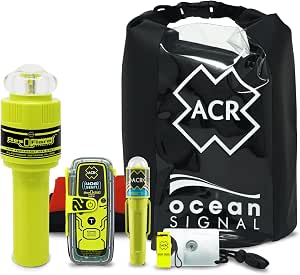 | Most Comprehensive Safety Kit for Multi-Surface Outdoor Use | Includes: PLB, Distress Flare, Rescue Light, Signal Mirror, Whistle, Dry Bag, Distress Flag | Approval: USCG | Intended Use: Hiking, Hunting, Boating, Fishing | VIEW ON AMAZON | See Our Full Breakdown |
| ACR ResQLink View PLB425 – Buoyant GPS Personal Locator Beacon |  | Best Buoyant GPS PLB for Water-Related Adventures | Compatible with Vehicle Type: Boat, RV | Screen Size: 1 inches | Additional Features: Waterproof | VIEW ON AMAZON | See Our Full Breakdown |
| Ocean Signal rescueME PLB1 – Compact Satellite SOS Personal Locator Beacon |  | Best Overall for Compact, Reliable Personal Safety | Weight: 4 oz | Waterproof Depth: 49 feet | Battery Life: 7 years | VIEW ON AMAZON | See Our Full Breakdown |
| ACR ResQLink 410 RLS PLB – Satellite SOS GPS Personal Locator Beacon |  | Best for Global Coverage and Buoyancy | Battery Life: 5 years | Operational Time: 24+ hours | Compatibility: GPS, Galileo, MEOSAR | VIEW ON AMAZON | See Our Full Breakdown |
| ACR ResQLink View GPS Personal Locator Beacon Survival Kit |  | Best for Complete Emergency Signaling and Rescue Kit | GPS Tracking: Yes | Waterproof: Yes | Includes: Beacon, rescue light, whistle, drybag, signal mirror | VIEW ON AMAZON | See Our Full Breakdown |
| ACR ResQLink View RLS PLB, Satellite SOS GPS Personal Locator Beacon |  | Best for Digital Display and Multi-Device Compatibility | Weight: 5.28 ounces | Display: 800 x 480 LCD/LED | Battery Life: 24 hours | VIEW ON AMAZON | See Our Full Breakdown |
| Garmin inReach® Mini 3 Satellite Communicator |  | Best for Two-Way Communication and Extended Tracking | Network: Iridium | Water Resistance: IP67 | Battery Life: Up to 350 hours | VIEW ON AMAZON | See Our Full Breakdown |
More Details on Our Top Picks
McMurdo FastFind 220 Personal Locator Beacon – US Programming
The McMurdo FastFind 220 stands out as the most reliable choice for wilderness hikers who prioritize ease of activation and worldwide functionality. Its pre-programmed US registration simplifies setup, and its straightforward activation process ensures quick use in emergencies. Compared with other options like the ResQLink 400 without display, this model offers a more practical balance of simplicity and global coverage. However, it requires registration, which might be inconvenient for some users, and it’s intended solely for grave danger situations, limiting its everyday usability. Reliability in extreme conditions and international reprogramming make it ideal for serious adventurers heading off-grid. It’s less suited for casual hikers who want a device for occasional use or those concerned about false alerts and penalties.
Pros:- Pre-programmed for US registration, enabling quick deployment
- Reliable in extreme and remote conditions
- Includes free reprogramming for international registration
Cons:- Requires registration, which may be inconvenient
- Only intended for grave and imminent danger, limiting everyday use
- False alerts can cause disruptions and penalties
Best for: Serious wilderness hikers and outdoor professionals needing a dependable, globally functional PLB
Not ideal for: Casual hikers or beginners who want a simple device for infrequent use, as the registration step and emergency-only design may be cumbersome
- Brand:McMurdo
- Unit Count:1
- Best Sellers Rank:#169,557 in Health & Household
- ASIN:B0848MZPDK
Our verdict“This device makes the most sense for experienced hikers who need a dependable, worldwide emergency beacon for serious conditions.”
ACR ResQLink 400 GPS Personal Locator Beacon Survival Kit
The ACR ResQLink 400 GPS Personal Locator Beacon Survival Kit combines GPS tracking with essential signaling tools, making it ideal for multi-surface outdoor adventures. Its inclusion of a waterproof rescue light, whistle, signal mirror, and drybag enhances safety, especially when compared to simpler standalone beacons like the ResQLink without GPS. The GPS feature ensures precise rescue location, which is a key advantage in remote settings. Nonetheless, this kit’s reliance on familiarity with the device can pose a challenge for less experienced users, and battery life may be limited during extended emergencies. For those who want comprehensive safety gear in one package, this kit offers excellent value, but casual hikers may find the extra features unnecessary and the device’s operation somewhat complex.
Pros:- Compact and lightweight for easy carrying
- Includes multiple signaling and safety tools in one kit
- GPS tracking for accurate rescue location
Cons:- Requires familiarity with device operation
- Battery life may be limited during prolonged emergencies
Best for: Outdoor enthusiasts seeking a versatile, GPS-enabled PLB combined with essential survival tools
Not ideal for: Infrequent hikers or casual users who prefer a simple beacon without extra signaling gear, as the full kit might be overkill
- GPS Tracking:Yes
- Waterproof Rescue Light:Yes
- Loud Whistle:Yes
- Drybag:Yes
- Signal Mirror:Yes
Our verdict“This kit suits experienced outdoor adventurers who want a comprehensive safety package for varied outdoor conditions.”
ACR ResQLink 400 Personal Locator Beacon without Display
The ACR ResQLink 400 without display offers a streamlined approach for users who prioritize reliability over interface complexity. Its lack of a display reduces potential points of failure, making it more durable and simpler to operate under stress—beneficial compared to models like the ResQLink View with visual signals. Although higher in price, it’s designed for users who want a dependable emergency device without extra features that could complicate use. The main tradeoff is the absence of a display, which limits on-the-fly status updates or detailed information, potentially challenging for less experienced users. This device is better suited for professionals or seasoned hikers comfortable with basic operation and focused solely on emergency signaling.
Pros:- Compact and lightweight design
- Reliable emergency signaling without distractions
- No display reduces complexity and potential failure points
Cons:- No display limits user interface options
- Higher price point for a basic device
Best for: Outdoor professionals or experienced hikers needing a reliable, no-frills emergency beacon
Not ideal for: Casual hikers or beginners who prefer devices with visual status indicators or additional features
- Model:ResQLink 400
- Display:No
- MSRP:$349.00
Our verdict“This pick appeals to users who value durability and simplicity over extra features or visual feedback.”
ResQLink View GPS PLB & ResQFlare USCG Approved Electronic Distress Flare Premium Safety Kit
The ResQLink View GPS PLB & ResQFlare Safety Kit delivers a full spectrum of emergency signaling tools, making it an excellent choice for those engaging in varied outdoor activities like hiking, boating, or hunting. Its USCG approval and inclusion of electronic distress flares and multiple signaling devices provide peace of mind in complex rescue scenarios. Compared with standalone beacons, this kit’s comprehensive nature offers an advantage in versatility, though it comes with a higher price and requires familiarity with multiple devices. The limited details on battery life and durability might concern those who need a rugged, go-to emergency kit for extended trips. Overall, it’s best suited for serious outdoor users who want a multi-tool safety solution.
Pros:- Complete safety kit with multiple signaling tools
- USCG approved for reliable emergency signaling
- Designed for multi-surface outdoor activities
Cons:- Expensive for casual users
- Requires familiarity with multiple devices
- Limited info on battery life and durability
Best for: Hikers, hunters, and boaters seeking a complete emergency signaling and safety package for varied outdoor environments
Not ideal for: Casual hikers or those on very tight budgets, as the kit’s cost and complexity may be excessive
- Includes:PLB, Distress Flare, Rescue Light, Signal Mirror, Whistle, Dry Bag, Distress Flag
- Approval:USCG
- Intended Use:Hiking, Hunting, Boating, Fishing
Our verdict“This comprehensive kit fits outdoor adventurers who need a versatile, all-in-one emergency signaling solution for demanding environments.”
ACR ResQLink View PLB425 – Buoyant GPS Personal Locator Beacon
The ACR ResQLink View PLB425 excels for water-based activities thanks to its buoyant design and integrated GPS. Its visual signals and multiple attachment options make it ideal for boaters and water hikers, offering a level of safety that normal land-based beacons cannot match. Compared to non-buoyant models like the ResQLink 400, this device’s water-friendly features make it more suitable for aquatic emergencies. The small display, limited to 1 inch, provides essential information but may restrict detailed navigation, while understanding GPS and satellite functions is necessary for optimal use. Its compact size and waterproof features make it a strong choice for water-centric adventures, but users unfamiliar with GPS technology might face a learning curve.
Pros:- Buoyant and waterproof for water safety
- Global coverage with multiple satellite systems
- Includes visual signaling features
Cons:- Limited display size may restrict detailed info
- Requires understanding of GPS and satellite features
- No subscription needed but optional testing service
Best for: Water enthusiasts and boaters who need a buoyant, GPS-enabled emergency beacon
Not ideal for: Land hikers who do not require buoyancy or waterproof features, as these add unnecessary cost and complexity for dry land use
- Compatible with Vehicle Type:Boat, RV
- Screen Size:1 inches
- Additional Features:Waterproof
- Connectivity Technology:GPS
- Battery Average Life:28 hours
- Mounting Type:Wrist Mount
- Display Type:OLED
Our verdict“This device is perfect for water-based adventurers seeking a buoyant, GPS-enabled emergency beacon for aquatic rescue scenarios.”
Ocean Signal rescueME PLB1 – Compact Satellite SOS Personal Locator Beacon
The rescueME PLB1 stands out for its ultra-lightweight design, making it perfect for minimalist hikers or those who prioritize portability. Its one-handed operation and durable waterproof build ensure ease of use and resilience in harsh conditions. Compared with the Garmin inReach Mini 3, it doesn’t support two-way messaging, but its simplicity and lack of subscription fees make it highly appealing for quick emergency signaling. The 7-year battery life adds to its reliability, though users must handle proper mounting for visibility and awareness of battery replacement after that period. This device excels for solo adventurers who need a dependable SOS without extra features that could complicate operation or add cost. It’s less suitable for those seeking two-way communication or detailed location tracking during non-emergency activities.
Pros:- Extremely lightweight and compact, easy to carry in any pack
- Durable waterproof design for harsh outdoor conditions
- Long-lasting battery with 7-year lifespan
- No subscription fees required for use
Cons:- Limited to emergency signaling only, no messaging features
- Requires proper mounting for optimal visibility and effectiveness
Best for: Solo hikers or outdoor enthusiasts seeking a compact, subscription-free safety device.
Not ideal for: Groups or those who want continuous two-way communication or detailed trail tracking.
- Weight:4 oz
- Waterproof Depth:49 feet
- Battery Life:7 years
- Operational Time:24+ hours
- GPS Channels:66
Our verdict“This pick is ideal for lightweight hikers who want reliable, simple SOS functionality without ongoing costs.”
ACR ResQLink 410 RLS PLB – Satellite SOS GPS Personal Locator Beacon
The ResQLink 410 RLS adds versatility with its built-in buoyancy and multi-GNSS compatibility, including Galileo and MEOSAR, making it more reliable globally than some simpler models. Its 5-year battery life and lightweight, compact form make it perfect for multi-sport adventurers, especially in water-based environments. Unlike the Ocean Signal PLB1, which is more minimalist, the ResQLink offers additional visibility with its buoyant and strobe features, but it’s limited strictly to emergency use, with no two-way messaging. Proper handling and awareness of activation procedures are essential to avoid false alarms. This device suits adventurers who need a resilient, all-weather beacon that can handle water emergencies and offers broad regional coverage, but it may be overkill for strictly land-based hiking.
Pros:- Global GNSS support including Galileo and MEOSAR
- Waterproof, buoyant, and equipped with strobe lights
- Long 5-year battery life with reliable operation
- Lightweight and easy to carry
Cons:- Limited to emergency signaling, no messaging capabilities
- Requires careful handling to ensure activation in stress situations
Best for: Water-involved outdoor athletes or multi-sport adventurers needing buoyant, reliable distress signaling.
Not ideal for: Hikers in dry, terrestrial-only environments who don’t require buoyancy or multi-GNSS support.
- Battery Life:5 years
- Operational Time:24+ hours
- Compatibility:GPS, Galileo, MEOSAR
- Features:Buoyancy, strobe, infrared strobe
Our verdict“This beacon fits water-bound or multi-sport adventurers who need a buoyant, globally capable emergency device.”
ACR ResQLink View GPS Personal Locator Beacon Survival Kit
The ResQLink View GPS Kit combines a GPS-enabled beacon with essential signaling tools, making it ideal for those who want a comprehensive emergency package. Its visual display provides quick location sharing, which is a step up from basic beacons like the Ocean Signal PLB1, especially in complex rescue scenarios. The inclusion of a waterproof rescue light, whistle, and signal mirror enhances signaling versatility, but this added functionality results in a heavier, bulkier kit—less suited for ultralight hikers. Since no specific battery life is specified, users should be aware of potential maintenance needs. It’s a good choice for wilderness explorers who prioritize visibility and signaling options, but not ideal for minimalist trekkers who prefer simple devices.
Pros:- Includes a GPS beacon with a visual display for precise location sharing
- Waterproof and durable, suitable for extreme conditions
- Comprehensive set of signaling tools—whistle, mirror, rescue light
- Designed for quick, effective signaling in emergencies
Cons:- Bulky compared to minimalist beacons
- Lack of specified battery lifespan, potential ongoing maintenance
Best for: Hikers and outdoor travelers seeking a complete emergency signaling and rescue kit.
Not ideal for: Lightweight backpackers or those who want a minimal, single-purpose SOS device.
- GPS Tracking:Yes
- Waterproof:Yes
- Includes:Beacon, rescue light, whistle, drybag, signal mirror
Our verdict“This kit is best for those who want a full suite of emergency tools in addition to a GPS beacon, despite added bulk.”
ACR ResQLink View RLS PLB, Satellite SOS GPS Personal Locator Beacon
The ResQLink View RLS offers a clear advantage over simpler beacons like the Ocean Signal PLB1 with its high-resolution LCD display, which provides real-time status updates and location information. Its infrared strobe enhances visibility in low-light conditions, and its 28+ hour operation exceeds many competitors. While it requires some familiarity with satellite communication devices, its compatibility with smartphones and tablets via the Garmin Explore app adds valuable versatility. However, the device’s slightly heavier weight and the need for a satellite subscription for full features could be limiting for ultralight hikers or those seeking a purely subscription-free device. It’s ideal for outdoor enthusiasts who appreciate digital feedback and multi-device integration, but may be too complex for casual users.
Pros:- High-resolution LCD display for real-time info
- Infrared strobe for low-light visibility
- Global satellite coverage with GPS, Galileo, MEOSAR
- Long 28+ hour operational capacity
Cons:- Heavier than basic models, less suited for ultralight gear
- Requires familiarity with satellite and app-based operation
Best for: Experienced outdoor users who want a digital display and smartphone integration in their rescue device.
Not ideal for: Casual hikers or those seeking a simple, no-frills SOS beacon without digital features.
- Weight:5.28 ounces
- Display:800 x 480 LCD/LED
- Battery Life:24 hours
- Compatibility:Smartphone, tablet
- Features:Return Link Service, infrared strobe, buoyancy
Our verdict“This beacon suits tech-savvy outdoor users who value detailed feedback and multi-device connectivity, despite added complexity.”
Garmin inReach® Mini 3 Satellite Communicator
The Garmin inReach Mini 3 excels for those who need more than just emergency signaling, offering two-way messaging, live tracking, and weather updates via the Iridium network. Its rugged IP67-rated build and impressive 350-hour battery life make it suitable for extended trips where ongoing communication is critical. Unlike the simpler Ocean Signal PLB1, it allows detailed message exchange, which can be essential for coordination and peace of mind. However, this added functionality comes with the requirement of a subscription for full service, which could be a downside for casual users. It’s best suited for serious explorers or groups that want continuous contact and location sharing, but less so for those seeking a purely subscription-free device focused solely on emergency SOS.
Pros:- Global satellite coverage for messaging and tracking
- Rugged, IP67 water resistance
- Long battery life supports prolonged use
- LiveTrack for real-time location sharing
Cons:- Active subscription required for full features
- Requires smartphone pairing for optimal operation
Best for: Expedition hikers and outdoor groups needing reliable two-way communication and long-term tracking.
Not ideal for: Solo hikers or minimalist adventurers who prioritize simplicity and no ongoing costs.
- Network:Iridium
- Water Resistance:IP67
- Battery Life:Up to 350 hours
- Display:High-res color touchscreen
- Connectivity:Bluetooth, GPS
Our verdict“This device is ideal for users who need ongoing communication and detailed tracking during extended wilderness trips, despite subscription costs.”

How We Picked
The products in this roundup were evaluated based on their reliability, GPS accuracy, battery life, ease of use, durability, and overall value. We prioritized options that meet or exceed international safety standards, such as USCG approval, and considered user-friendly features that ensure quick activation under stress. The ranking reflects a balance between advanced features and practical usability, aiming to serve different types of wilderness hikers—from ultralight backpackers to those seeking comprehensive safety kits. Cost was also a factor, but not at the expense of essential safety capabilities, ensuring each pick offers a meaningful tradeoff between price and performance.Factors to Consider When Choosing Personal Locator Beacon For Wilderness Hiking
Choosing the right personal locator beacon involves understanding key factors that affect safety, usability, and long-term value. Beyond basic features, you should consider how the device’s GPS accuracy, size, battery life, and subscription requirements match your specific hiking needs. The following sections highlight these critical considerations and common pitfalls to avoid, helping you make an informed decision.GPS Accuracy and Location Technologies
High GPS accuracy ensures rescue teams can pinpoint your location quickly, reducing response times in emergencies. Devices with integrated GPS, like the ACR ResQLink 400, typically outperform non-GPS models in accuracy. However, GPS modules consume more power, so consider how this tradeoff affects your device’s battery life. If you often hike in areas with poor satellite signals or dense cover, look for models with multi-constellation support (GPS, GLONASS, Galileo) for better reliability.
Size, Weight, and Portability
Lightweight and compact PLBs like the Ocean Signal rescueME PLB1 are ideal for minimalist hikers or those who prioritize packing light. Larger units may offer extended battery life or additional features but can be cumbersome during long treks. Think about where you’ll carry the device—on your gear, in a pocket, or on your person—and choose a form factor that won’t hinder movement or add unnecessary weight.
Battery Life and Power Management
Reliable battery life is non-negotiable when safety is at stake. Most PLBs have a lifespan of 5-10 years before requiring battery replacement or servicing. Devices with longer-lasting batteries reduce the risk of failure during extended trips. Consider models that use replaceable batteries versus built-in rechargeable ones, factoring in ease of maintenance and availability of replacement parts.
Subscription and Communication Capabilities
Some devices, like the Garmin inReach Mini 3, include two-way messaging via satellite, but this often involves a subscription fee. Standalone PLBs typically do not require ongoing costs but lack messaging features. Decide if real-time communication enhances your safety or if a simple distress signal suffices. Keep in mind that subscription costs can accumulate over time, influencing your overall budget.
Waterproof and Durability Features
Your device must withstand the elements—water, dust, shocks, and extreme temperatures. Look for models rated at least IPX7 or higher, and buoyant if water crossings or boating are part of your trips. A rugged design ensures your PLB remains functional in harsh conditions, but keep in mind that highly durable units might be slightly heavier or more expensive.
Frequently Asked Questions
How does a GPS-enabled PLB improve rescue chances?
GPS-enabled PLBs transmit precise coordinates during an emergency, allowing rescue teams to locate you quickly and accurately. Non-GPS models rely on approximate location data, which can delay rescue efforts. This accuracy is especially important in remote, rugged terrain where landmarks are scarce or GPS signals are strong. However, GPS modules consume more power, so you should weigh the benefit of faster rescue against battery life considerations.
Is a subscription necessary for a personal locator beacon?
Most standalone PLBs do not require subscriptions, as they activate via satellite to send distress signals without ongoing costs. However, devices like the Garmin inReach Mini 3 include two-way messaging and require a subscription plan for satellite communication. If you need real-time contact, a subscription may be justified, but for basic emergency signaling, a non-subscription PLB suffices and offers lower long-term costs.
Can a PLB be used in water or wet conditions?
Yes, most PLBs designed for outdoor use are waterproof and buoyant, making them suitable for water-based activities or rainy conditions. Look for devices rated at IPX7 or higher, which can withstand immersion in water for at least 30 minutes. Buoyancy is an added advantage if there’s a risk of dropping the device into water, ensuring it remains accessible and functional when needed most.
How important is size and weight when choosing a PLB?
Size and weight are crucial factors, especially for lightweight backpackers or those covering long distances. A smaller, lighter device is easier to carry and less likely to interfere with your gear or movement. However, very compact models may sacrifice battery capacity or features. Balance portability with essential safety capabilities to find a device that fits your hiking style without compromising reliability.
What features should I prioritize for beginner hikers?
Beginners should look for a simple, easy-to-activate PLB with clear instructions and minimal setup. Devices with automatic activation or large, easy-to-press buttons reduce response time during stress. Durability and waterproofing are also essential, along with a straightforward interface. If communication beyond emergency signaling is desired, consider models with two-way messaging, but ensure they are not overly complex or costly for new users.
Conclusion
For those seeking a reliable, all-around safety device, the ACR ResQLink 400 GPS remains the best overall choice due to its balance of precision, durability, and ease of use. Budget-conscious hikers or those new to wilderness safety might prefer the Ocean Signal rescueME PLB1 for its compactness and straightforward operation. For hikers who need two-way communication and plan longer excursions, the Garmin inReach Mini 3 offers expanded features at a higher ongoing cost. Ultimately, your choice should align with your hiking style, environment, and safety priorities—whether minimalist, tech-savvy, or rugged.
Halloween Picks
halloween
As an affiliate, we earn on qualifying purchases.