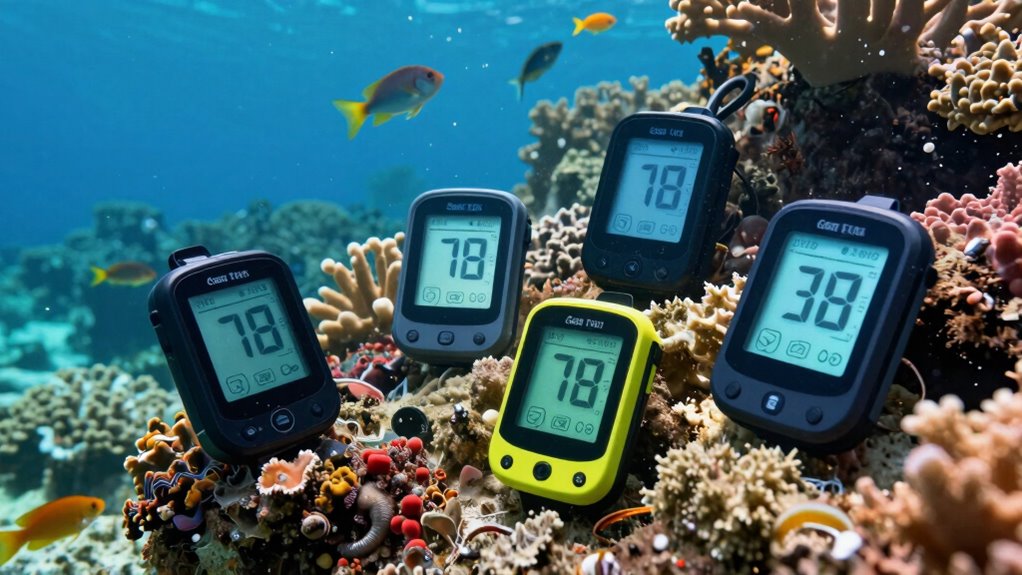

Starting with a dive computer can feel overwhelming, especially for beginners. The best models balance ease of use, reliability, and essential features without unnecessary complexity. The Garmin Descent G2 stands out as the top overall pick because of its user-friendly interface and versatile features. The Cressi Giotto offers great value with solid multi-gas support, while the Suunto D5 combines stylish design with straightforward operation. However, tradeoffs include whether you prefer a wristwatch style or a dedicated console, and how much you’re willing to invest. Keep reading for a detailed breakdown of the best options and what to consider before buying.

Get travel and outdoor gear delivered free with Prime
- Fast, free delivery on millions of items
- Prime Video, Amazon Music and more included
- Member-only deals all year
Complete the kit


Key Takeaways
- The top-ranked dive computers balance simplicity with essential dive features, making them ideal for beginners.
- Wrist-based models like the Garmin D5 are more intuitive for new divers, while console-style options can offer more data but are bulkier.
- Built-in air integration and Bluetooth connectivity are common in higher-end picks but may be unnecessary for casual divers.
- Durability and screen readability are critical, especially for divers who plan to explore in various conditions.
- Price varies significantly; the best value models cut costs without sacrificing core safety and usability features.
| Shearwater Research Peregrine Adventures Edition Dive Computer |  | Best for Simplicity and Long Battery Life | Package dimensions: 6.69 inch L x 4.45 inch W x 4.33 inch H | Buttons: Two-button interface | Material: 316 stainless steel | VIEW ON AMAZON | See Our Full Breakdown |
| Cressi Giotto Dive Computer with 70-Hour Logbook, Altitude and Multi-Gas Support |  | Best for Versatility and Advanced Features | Nitrox Capability: Up to three gas mixes | Oxygen Mix Range: 21% to 99% | Max Depth: 393 feet | VIEW ON AMAZON | See Our Full Breakdown |
| Garmin Descent G2 Dive Computer Watch – 46mm, Black |  | Best for Multi-Function Wearable | Size: 45.5 x 45.5 x 15.2 mm | Display: 1.2-inch AMOLED | Battery Life: up to 27 hours in dive mode, up to 10 days in smartwatch mode | VIEW ON AMAZON | See Our Full Breakdown |
| Shearwater Research Peregrine TX Air Integrated Color Dive Computer |  | Best for Digital Integration and Advanced Readability | Display: 2.2-inch LCD | Wireless Air Integration: Yes | Compass: Digital, tilt compensated | VIEW ON AMAZON | See Our Full Breakdown |
| Descent G1 Rugged Dive Computer, Slate Gray |  | Best for Rugged Durability and Multi-Sport Use | Battery Life: up to 25 hours in dive mode, 21 days in smartwatch mode, 26 hours in GPS mode | Display: Monochrome | Lens: Sapphire | VIEW ON AMAZON | See Our Full Breakdown |
| Mares Puck 4 Wrist Dive Computer |  | Best for Customizable Entry-Level Diving | Algorithm: Bühlmann ZH-L16C with adjustable gradient factors | Multigas Support: Up to 3 gases (air, nitrox, bottom timer) | Display Technology: Chip-on-glass | VIEW ON AMAZON | See Our Full Breakdown |
| Mares Puck Pro EZ Wrist Underwater Dive Computer |  | Best for Reliable Recreational Diving | Display: High-contrast screen | Gas Compatibility: Nitrox 21%-50% | Algorithm: Buhlmann ZH-L16C with dual gradient factors | VIEW ON AMAZON | See Our Full Breakdown |
| Garmin Descent G1 Rugged Dive Computer, Slate Gray (Renewed) |  | Best for Rugged, All-in-One Outdoor & Diving Use | Display: Monochrome | Battery Life: 25 hours in dive mode, 21 days in smartwatch mode | Supported Dive Modes: Recreational, advanced, technical, free diving, spearfishing | VIEW ON AMAZON | See Our Full Breakdown |
| SCUBAPRO Luna 2.0 Air Integrated (AI) Wrist Scuba Dive Computer with Bluetooth |  | Best for Wireless Air Monitoring and Multi-Algorithm Flexibility | Display: High contrast black and white LCD | Control: Two-button | Wireless Air Integration: Yes | VIEW ON AMAZON | See Our Full Breakdown |
| Suunto Nautic S Dive Watch Computer with AMOLED Touchscreen, 80m Waterproof |  | Best for All-in-One Dive & Navigation Watch | Display: AMOLED Touchscreen | Waterproof: 80 meters | Battery Life: Up to 60 hours | VIEW ON AMAZON | See Our Full Breakdown |
| Suunto D5 Dive Computer, Color Display, 100m Waterproof, All Black |  | Best for Feature-Rich Divers Who Value Safety and Connectivity | Water Resistance: 100m | Display: Color | Wireless Tank Pressure: Yes | VIEW ON AMAZON | See Our Full Breakdown |
| Garmin Descent™ X30 Rugged Dive Computer with Surface GPS |  | Best for Serious Divers Who Need Navigation and Multi-Gas Support | Display: 2.4-inch color | Dive Rating: 10 ATM | Gas Profiles: Single- and multi-gas including trimix | VIEW ON AMAZON | See Our Full Breakdown |
| dive computer for beginner | Display |
|---|---|
| Shearwater Research Peregrine | — |
| Cressi Giotto Dive Computer wi | — |
| Garmin Descent G2 Dive Compute | 1.2-inch AMOLED |
| Shearwater Research Peregrine | 2.2-inch LCD |
| Descent G1 Rugged Dive Compute | Monochrome |
| Mares Puck 4 Wrist Dive Comput | — |
| Mares Puck Pro EZ Wrist Underw | High-contrast screen |
| Garmin Descent G1 Rugged Dive | Monochrome |
| SCUBAPRO Luna 2.0 Air Integrat | High contrast black and white LCD |
| Suunto Nautic S Dive Watch Com | AMOLED Touchscreen |
| Suunto D5 Dive Computer | Color |
| Garmin Descent™ X30 Rugged Div | 2.4-inch color |
More Details on Our Top Picks
Shearwater Research Peregrine Adventures Edition Dive Computer
This model stands out for its straightforward two-button interface and impressive battery life of up to 30 hours, making it ideal for divers who prioritize ease of use over complex features. Compared with the Shearwater Peregrine TX, this edition offers a simpler setup with fewer advanced options, which is beneficial for beginners but may feel limiting as skills progress. Its inclusion of a wireless USB charging station is a rare convenience, though its display details remain somewhat vague, and water resistance specifics are not emphasized. This pick is best suited for new divers who want a reliable, uncomplicated device that lasts long between charges.
Pros:- Easy-to-navigate two-button interface
- Long battery life of up to 30 hours
- Includes wireless charging station
Cons:- Limited information on display features
- No details on water resistance or durability
Best for: Beginners seeking a durable, easy-to-operate dive computer with extended battery life
Not ideal for: Experienced divers or tech-savvy users who need detailed dive data and advanced features
- Package dimensions:6.69 inch L x 4.45 inch W x 4.33 inch H
- Buttons:Two-button interface
- Material:316 stainless steel
- Battery life:Up to 30 hours
- Charging:USB wireless charging station included
Our verdict“This dive computer is perfect for newcomers who want a simple, dependable device with minimal fuss.”
Cressi Giotto Dive Computer with 70-Hour Logbook, Altitude and Multi-Gas Support
Compared to simpler models like the Shearwater Peregrine Adventures Edition, the Cressi Giotto offers more sophisticated capabilities, including support for multiple Nitrox gas mixes and altitude adjustments, making it better suited for divers planning more complex dives. Its 70-hour dive log supports meticulous record-keeping, which is useful for progressing divers. However, its advanced features may overwhelm beginners, as setup and operation require some prior knowledge. Price details are not provided, which could be a consideration for budget-conscious newcomers. This device makes the most sense for divers who are ready to expand their skills and dive into technical capabilities.
Pros:- Supports multiple Nitrox mixes for diverse diving scenarios
- Customizable oxygen settings for safety and precision
- Deep dive and altitude support for versatility
- Stores extensive dive data with easy download
Cons:- Complex features may require training for optimal use
- No Bluetooth or wireless connectivity
Best for: Beginners with some diving experience who want to grow into more technical diving tasks
Not ideal for: Absolute beginners who prefer simple, plug-and-play devices without steep learning curves
- Nitrox Capability:Up to three gas mixes
- Oxygen Mix Range:21% to 99%
- Max Depth:393 feet
- Dive Log Capacity:70 hours
- Altitude Support:Yes
Our verdict“This computer is ideal for beginners ready to explore more advanced diving features with safety and flexibility.”
Garmin Descent G2 Dive Computer Watch – 46mm, Black
This watch-style computer combines diving with everyday features, supporting all dive types and offering health tracking, notifications, and contactless payments, making it suitable for active beginners who want a device that doubles as a smartwatch. Its AMOLED display provides vibrant visuals, though the battery life of up to 27 hours in dive mode might be limiting for extended trips. Unlike dedicated dive-only models such as the Shearwater Peregrine TX, the G2 prioritizes versatility but requires a compatible smartphone for full functionality. Its size and multi-purpose nature make it less ideal for those seeking a purely dedicated dive computer. This pick is best for beginners who want a stylish, multi-use device that supports their active lifestyle beyond diving.
Pros:- Supports all types of diving including recreational, technical, and freediving
- Advanced health and activity tracking features
- Smartwatch capabilities with notifications and contactless payments
Cons:- Pulse Ox feature not available everywhere
- Battery life varies depending on usage
- Requires a smartphone for full notification features
Best for: Beginner divers who prefer a multi-purpose watch with diving capabilities and health features
Not ideal for: Purist divers who prefer a dedicated, straightforward dive computer without smartwatch functions
- Size:45.5 x 45.5 x 15.2 mm
- Display:1.2-inch AMOLED
- Battery Life:up to 27 hours in dive mode, up to 10 days in smartwatch mode
- Water Resistance:10 ATM
- Materials:Recycled ocean-bound plastics
Our verdict“This versatile smartwatch-style dive computer is perfect for active beginners who want more than just a dive device.”
Shearwater Research Peregrine TX Air Integrated Color Dive Computer
Compared with the basic Peregrine Adventure Edition, the TX version offers a 2.2-inch color LCD, wireless air integration, and Bluetooth connectivity, making it more suitable for divers who want detailed, real-time gas data. Its bright display simplifies monitoring during dives, but the higher cost and digital complexity might deter those new to digital dive computers. The rechargeable battery lasting up to 30 hours adds convenience, but it requires some familiarity with digital interfaces. This device is best for beginners who are comfortable with technology and want a full-color, connected experience.
Pros:- Bright, easy-to-read color display
- Wireless air integration for real-time gas pressure info
- Long-lasting rechargeable battery
- Bluetooth connectivity for dive data tracking
Cons:- May be expensive for casual or budget-conscious divers
- Requires some familiarity with digital interface operations
Best for: Beginners interested in digital features and wireless data tracking
Not ideal for: Very new divers seeking a simple, non-digital device without Bluetooth or color screens
- Display:2.2-inch LCD
- Wireless Air Integration:Yes
- Compass:Digital, tilt compensated
- Battery:Rechargeable, 30 hours
- Connectivity:Bluetooth
Our verdict“This color, wireless-equipped dive computer suits tech-savvy beginners who want detailed, real-time data and connectivity.”
Descent G1 Rugged Dive Computer, Slate Gray
Compared to the more specialized Shearwater Peregrine models, the G1 offers a robust, all-in-one experience with a monochrome sapphire display and extensive health tracking, including GPS and Pulse Ox sensors. Its rugged design makes it suitable for diverse environments, from technical dives to outdoor sports. The monochrome display may lack vibrancy but enhances battery life and readability in bright conditions. Its multiple mode support and smartwatch features make it a versatile tool for active beginners but might be overkill for those seeking a simple dive-only device. This watch excels for beginners who want durability, multi-sport tracking, and the ability to use the device beyond diving.
Pros:- Rugged, durable design suited for various conditions
- Supports multiple dive types and sports modes
- Includes advanced health sensors like GPS and Pulse Ox
- Smartwatch features such as notifications and contactless payments
Cons:- Monochrome display may lack visual vibrancy
- Battery life varies significantly between modes
Best for: Active beginners who need a tough, multi-function dive and sports watch
Not ideal for: Those preferring a lightweight, minimalist dive-only computer without extensive health features
- Battery Life:up to 25 hours in dive mode, 21 days in smartwatch mode, 26 hours in GPS mode
- Display:Monochrome
- Lens:Sapphire
- Bands:Silicone
- Supported Dive Types:Recreational, advanced, technical, free diving, spear fishing
Our verdict“This sturdy, multi-sport watch is ideal for beginners who need a durable device that supports diving and outdoor activities.”
Mares Puck 4 Wrist Dive Computer
The Mares Puck 4 stands out for its customizable dive algorithms, which appeal to divers looking for a personalized safety approach. Compared to the Mares Puck Pro EZ, it supports multigas capabilities that suit technical divers, but this added complexity might be unnecessary for pure beginners. Its single-button interface and Bluetooth connectivity make data management straightforward, yet the entry-level design means it lacks advanced features like color displays or multi-parameter notifications, which some more sophisticated models offer. This pick is ideal for divers who want a reliable wrist computer with room to grow into technical diving, but it may feel too basic for those seeking an all-in-one device with more bells and whistles.
Pros:- Customizable dive algorithms enhance safety tailored to individual needs
- Supports up to 3 gases, suitable for technical diving
- Easy-to-read display with intuitive controls
- Bluetooth allows seamless data transfer
Cons:- Entry-level model lacks advanced features like color display or multi-parameter notifications
- Limited to wrist-style use, which may not suit all preferences
Best for: Divers interested in exploring technical diving with customizable features and multigas support
Not ideal for: Complete beginners who prefer simple, plug-and-play devices without advanced options
- Algorithm:Bühlmann ZH-L16C with adjustable gradient factors
- Multigas Support:Up to 3 gases (air, nitrox, bottom timer)
- Display Technology:Chip-on-glass
- Control:Single-button interface
- Connectivity:Bluetooth
Our verdict“This computer fits divers who want a customizable, tech-ready device without the complexity of high-end models.”
Mares Puck Pro EZ Wrist Underwater Dive Computer
The Mares Puck Pro EZ is an excellent choice for recreational divers who value clarity and ease of use. Its high-contrast display makes monitoring depth, time, and decompression data straightforward, especially compared to the monochrome Garmin Descent G1, which might offer more modern features but less simplicity. Supporting Nitrox mixes from 21% to 50%, it provides added safety for divers expanding their gas options, while Bluetooth connectivity simplifies log management. However, the battery life limits—around 100 dives—may be a concern for frequent divers, and its lack of color display might feel outdated compared to newer models. This device suits those new to diving who want a dependable, easy-to-understand computer at a reasonable price, but it’s less ideal for tech-savvy users looking for advanced features.
Pros:- High-contrast display offers excellent readability underwater
- Supports nitrox for added safety margin
- Bluetooth makes log transfer quick and easy
- Simple single-button controls
Cons:- Battery life supports only about 100 dives before replacement needed
- No color display option, limiting visual appeal
Best for: Recreational divers seeking a straightforward, reliable dive computer with clear display
Not ideal for: Diving enthusiasts planning frequent or multi-day dives who need longer battery life and advanced features
- Display:High-contrast screen
- Gas Compatibility:Nitrox 21%-50%
- Algorithm:Buhlmann ZH-L16C with dual gradient factors
- Power:Replaceable battery supports up to 100 dives
- Connectivity:Bluetooth
Our verdict“This computer is perfect for beginner divers who prioritize clarity and ease over advanced features.”
Garmin Descent G1 Rugged Dive Computer, Slate Gray (Renewed)
The Garmin Descent G1 offers a rugged, multi-purpose approach, blending dive computer features with smartwatch capabilities. Its sapphire lens and durable build make it more resistant than typical entry-level models like the Suunto Nautic S. Designed for divers who want a device that doubles as a fitness tracker and navigation tool, it supports multiple dive modes with up to 25 hours of battery life in dive mode—more than enough for extended adventures. The monochrome display, however, is less vibrant than color screens, and the renewed product might have limited warranty support. This device is suitable for divers wanting a versatile, durable watch that handles complex dives and fitness tracking, but it may be too complex or expensive for pure beginners who just need basic underwater info.
Pros:- Sapphire lens and rugged design ensure durability
- Supports multiple dive modes and activity tracking
- Long battery life for extended dives
- Smartwatch features including notifications and payments
Cons:- Monochrome display may seem less engaging than color screens
- Renewed product may have limited warranty
Best for: Active, multi-sport divers who want a durable watch with dive capabilities and smartwatch features
Not ideal for: Pure beginners who prefer simple dive computers without smartwatch functions or high cost
- Display:Monochrome
- Battery Life:25 hours in dive mode, 21 days in smartwatch mode
- Supported Dive Modes:Recreational, advanced, technical, free diving, spearfishing
- Connectivity:GPS/GLONASS/Galileo, smartphone pairing, Garmin Pay
- Materials:Sapphire lens, silicone bands
Our verdict“This device suits adventurous divers wanting a tough, multi-use watch that combines diving and fitness features, though at a higher price point.”
SCUBAPRO Luna 2.0 Air Integrated (AI) Wrist Scuba Dive Computer with Bluetooth
The SCUBAPRO Luna 2.0 combines wireless air integration with multiple algorithm options, making it a flexible choice for divers exploring different types of dives. Its high-contrast LCD ensures good visibility under various conditions, and the two-button control system simplifies operation. Compared with the Shearwater Peregrine, it provides more beginner-friendly controls and straightforward tank pressure monitoring, but it requires users to understand multiple algorithm settings, which can be a challenge for newcomers. The lack of specified battery life details and no water resistance rating in the description are potential drawbacks. This model appeals to divers wanting wireless tank pressure monitoring with customizable algorithms, yet it might be too complex for those just starting out.
Pros:- Wireless air integration simplifies tank pressure monitoring
- Bright LCD display with high contrast for visibility
- Multiple algorithms allow personalized dive profiles
- Includes case and silicone strap for durability
Cons:- Requires understanding of multiple algorithm settings, which may overwhelm beginners
- Limited info on battery life and water resistance
Best for: Beginners interested in wireless air integration and multiple algorithm options without extensive technical complexity
Not ideal for: Absolute novices seeking ultra-simple, plug-and-play devices with minimal setup
- Display:High contrast black and white LCD
- Control:Two-button
- Wireless Air Integration:Yes
- Algorithms:Predictive Multi-Gas Buhlmann ZH-L16 ADT MB PMG, ZH-L16+GF
- Housing:Thermoplastic with oil fill technology
Our verdict“Ideal for new divers wanting wireless tank monitoring and flexibility, though it demands some initial setup knowledge.”
Suunto Nautic S Dive Watch Computer with AMOLED Touchscreen, 80m Waterproof
The Suunto Nautic S offers a bright AMOLED touchscreen and a suite of advanced features, combining diving with navigation and fitness tracking. Its 80-meter waterproof rating and 60-hour battery life support extended multi-day dives, making it suitable for more complex diving trips. Built-in GPS, offline maps, and dive planning tools give it a significant edge over simpler models like the Mares Puck 4. However, its complex interface may be intimidating for absolute beginners, and its higher price point might be a barrier for those just learning to dive. This watch appeals to tech-savvy divers who want a versatile device for both diving and outdoor adventures, but it might be overkill for those seeking only basic underwater info.
Pros:- Bright AMOLED display ensures excellent underwater readability
- Long battery life supports multi-day dives
- Wireless tank pressure monitoring and sidemount support
- Includes GPS, offline maps, and dive planning tools
Cons:- Potentially complex interface for those new to diving devices
- Expensive compared to basic models
Best for: Experienced or tech-inclined divers seeking a versatile, feature-rich watch for extended dives and navigation
Not ideal for: Beginners who want a simple, straightforward dive computer without additional smartwatch features
- Display:AMOLED Touchscreen
- Waterproof:80 meters
- Battery Life:Up to 60 hours
- Tank Pressure Monitoring:Wireless with dual transmitters
- Features:Built-in GPS, offline maps, dive planning, digital compass
Our verdict“This watch suits experienced divers needing a durable, feature-packed device for complex dives and outdoor navigation, though it might be too advanced for absolute beginners.”
Suunto D5 Dive Computer, Color Display, 100m Waterproof, All Black
The Suunto D5 stands out for its vibrant color display and comprehensive features, including wireless tank pressure monitoring and vibration alarms, making it a strong choice for divers who want detailed information at a glance. Compared to the Mares Puck 4, which offers simplicity and straightforward operation, the D5 provides more advanced safety and navigation tools, though this added complexity might overwhelm beginners. Its 100-meter water resistance and digital compass support more serious diving adventures, but the interface can feel daunting for those new to dive computers. The lack of clear battery life info is a notable omission, which might concern some users planning extended dives. This pick is ideal for those who prioritize safety features and connectivity, but less so for absolute beginners seeking minimal fuss.
Pros:- Vibrant color display enhances readability underwater
- Wireless tank pressure monitoring adds convenience
- Vibration alarms improve safety alerts
- Digital compass supports navigation
Cons:- Complex interface may intimidate new divers
- Battery life details are not specified
Best for: Diving enthusiasts who seek a feature-rich device with safety and connectivity options, and are comfortable with a steeper learning curve
Not ideal for: Beginners who prefer a simple, straightforward interface and minimal setup, as the D5’s advanced features may be overwhelming
- Water Resistance:100m
- Display:Color
- Wireless Tank Pressure:Yes
- Alarms:Vibration
- Additional Features:Digital compass, Wireless mobile connection
Our verdict“This computer is best suited for divers who want advanced features and are ready to manage a more complex interface, rather than complete beginners.”
Garmin Descent™ X30 Rugged Dive Computer with Surface GPS
The Garmin Descent™ X30 offers a large 2.4-inch color display with customizable screens, making it easy to see critical dive information. Its advanced features, including multi-gas and trimix support, and surface GPS, make it more suitable for experienced divers who undertake complex dives. Unlike the Mares Puck Pro EZ, which is simpler and more affordable, the X30’s extensive capabilities come with a learning curve and a higher price tag, potentially discouraging casual or beginner divers. Its 10 ATM rating provides confidence for deep dives, but the complexity of the interface might be intimidating for new users. This model makes the most sense for those planning serious, multi-gas dives and needing navigation tools, rather than beginners seeking ease of use.
Pros:- Vivid, customizable color display improves readability
- Supports multi-gas and trimix profiles for complex dives
- Surface GPS and 3-axis compass aid navigation
- Built with recycled ocean plastics, appealing to eco-conscious users
Cons:- Features may be overwhelming for new divers
- High price may not suit casual or beginner divers
Best for: Experienced recreational divers or tech divers needing multi-gas and navigation features
Not ideal for: Beginners or casual divers who prefer simple, easy-to-operate computers without advanced dive profiles
- Display:2.4-inch color
- Dive Rating:10 ATM
- Gas Profiles:Single- and multi-gas including trimix
- Water Temperature Sensor:Yes
- Navigation:Surface GPS, 3-axis digital compass
- Buttons:4 large, metal leakproof
Our verdict“This computer is ideal for divers who need advanced multi-gas support and navigation, but less so for those just starting out or seeking simplicity.”

How We Picked
Products were evaluated primarily on ease of use, reliability, and clarity of information, which are vital for beginners. We prioritized models with intuitive interfaces, straightforward menus, and minimal setup complexity. Durability and visibility of the display in different lighting conditions also played a role, along with features like air integration and connectivity options. Price was considered to identify models that offer the best balance of affordability and essential features. Our ranking reflects a combination of user-friendly design, safety features, and value for new divers, ensuring each pick serves a distinct beginner need.Factors to Consider When Choosing Dive Computer For Beginners
Choosing a dive computer as a beginner involves understanding several key factors. You want a device that’s simple enough to operate without extensive training but reliable enough to keep you safe underwater. Features like screen clarity, battery life, and ease of interface are critical. Additionally, consider whether you need advanced features like air integration or multi-gas support, which can add complexity but also expand your diving capabilities. Price should align with your diving frequency, and durability is essential for handling outdoor conditions. Making the right choice means balancing these elements based on your skill level, diving plans, and budget.Ease of Use and Interface
For beginners, a clear, intuitive interface is non-negotiable. Look for models with simple menus, large buttons, and straightforward setup procedures. A complicated device can distract you during a dive or cause confusion, which is risky. Wrist-based computers tend to be easier to operate than console-style units because they mimic a watch and are more accessible during dives. Avoid models with overly complex menus or excessive settings that could overwhelm someone new to diving.
Display Readability
A high-contrast, large display makes it easier to read critical information like depth, dive time, and decompression status. Consider screens with backlighting or color displays that are visible in low-light conditions underwater. Tough, scratch-resistant glass also preserves clarity over time. For beginners, a display that minimizes glare and is easy to interpret at a glance reduces stress and enhances safety.
Battery Life and Maintenance
Long battery life means fewer interruptions and less frequent replacements, which is convenient for new divers who may not want to fuss with device upkeep. Some models feature rechargeable batteries, while others use replaceable batteries—each has its tradeoffs. Rechargeable units often require more careful handling to avoid water damage, but they eliminate ongoing costs. Check how easy it is to change or charge batteries, especially if you plan multiple dives in a day or extended trips.
Features and Connectivity
While advanced features like air integration, Bluetooth connectivity, or multi-gas support can be appealing, they often introduce complexity. For beginners, focus on core functions such as depth, dive time, and safety stops. Air integration is helpful but not essential for casual diving and can add to the device’s cost and setup. Connectivity features can be useful for logging dives but are optional if you prefer a straightforward, no-frills model.
Price and Durability
Beginners should aim for a device that offers reliable performance without overspending. Mid-range models often hit the sweet spot by balancing affordability with essential features. Durability is equally important; look for models with water resistance ratings of at least 100 meters and sturdy construction. Investing in a durable, well-reviewed model reduces the risk of costly repairs or replacements, especially if you plan to dive frequently or in challenging environments.
Frequently Asked Questions
Is a more expensive dive computer better for beginners?
Not necessarily. While higher-priced models often include more features like air integration or multi-gas support, these are usually unnecessary for most beginners. A more affordable, straightforward device can provide all the safety and functionality needed for initial dives. The key is choosing a model that’s easy to operate and reliable, regardless of price. Upgrading later is always an option when your skills and diving needs evolve.
Should I get a wrist or console-mounted dive computer?
Wrist-mounted models are generally more user-friendly for beginners because they resemble a watch and are easier to read and operate during a dive. Console-mounted computers, while offering more data and sensors, tend to be bulkier and less intuitive for new divers. For most beginners, a wrist-based computer provides sufficient information, simplicity, and convenience, making it the preferred choice for starting out.
How important is a color display for a beginner dive computer?
A color display can enhance readability by clearly differentiating information such as depth, no-decompression limits, and safety stops. For new divers, this visual clarity reduces confusion and improves safety. However, many reliable models use monochrome screens that are still perfectly functional. The most important factor is contrast and screen size, rather than color alone.
Can I rely on a smartwatch-style dive computer?
Smartwatch-style dive computers like the Garmin D5 are popular among beginners for their familiar interface and portability. They often include useful features like GPS and activity tracking. However, they may lack some specialized dive features found in dedicated units, such as detailed decompression algorithms or multi-gas support. For casual diving, a smartwatch can suffice, but serious or frequent divers might prefer dedicated models for added safety and functionality.
What features should I avoid as a beginner to keep things simple?
As a beginner, it’s best to avoid models with overly complex menus, unnecessary advanced features like multiple gas mixes, or extensive data logging. These can add confusion and increase the learning curve. Focus on devices that prioritize core dive data—depth, time, ascent rate—and easy-to-read displays. Simplifying your setup reduces mistakes and enhances your confidence underwater.
Conclusion
For those new to diving, the Garmin Descent G2 offers an excellent balance of ease of use, features, and durability, making it the best overall choice. If you’re looking for the best value, the Cressi Giotto provides solid functionality without a hefty price tag. Beginners seeking a stylish, straightforward experience will appreciate the Suunto D5’s intuitive design. Casual divers or those on a budget should consider models like the Mares Puck Pro EZ for simplicity and affordability. More advanced beginners or those planning frequent dives might opt for models with air integration and Bluetooth, such as the Shearwater Peregrine TX. Your ideal choice depends on your diving plans, comfort with technology, and budget—use this guide to find the best fit for your journey underwater.
As an affiliate, we earn on qualifying purchases.Halloween Picks
halloween