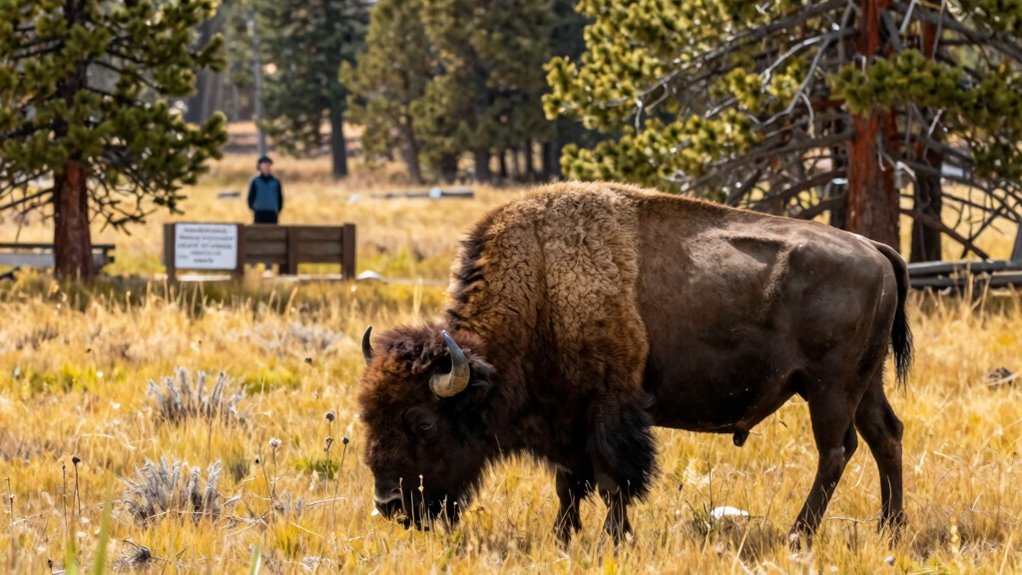
In Yellowstone, it’s essential to respect wildlife distance rules to stay safe and protect animals. Keep at least 25 yards from large animals like elk and bison, and 100 yards from predators such as bears and wolves. Use binoculars or zoom lenses to observe animals without getting too close. Watch for behavioral cues indicating stress or aggression, and always follow park signs and ranger instructions. Stay aware and responsible—if you want to know more about how to do this right, keep going.
Key Takeaways
- Maintain at least 25 yards from large animals and 100 yards from predators to ensure safety and minimal disturbance.
- Use binoculars or zoom lenses for close-up wildlife viewing instead of approaching animals.
- Follow park signage and ranger instructions to stay within designated safe observation areas.
- Recognize animal warning signs like pacing, stomping, or vocalizations and back away if observed.
- Avoid feeding wildlife to prevent behavioral changes and dangerous habituation.
Why Keeping Your Distance Is Key to Yellowstone Wildlife Safety
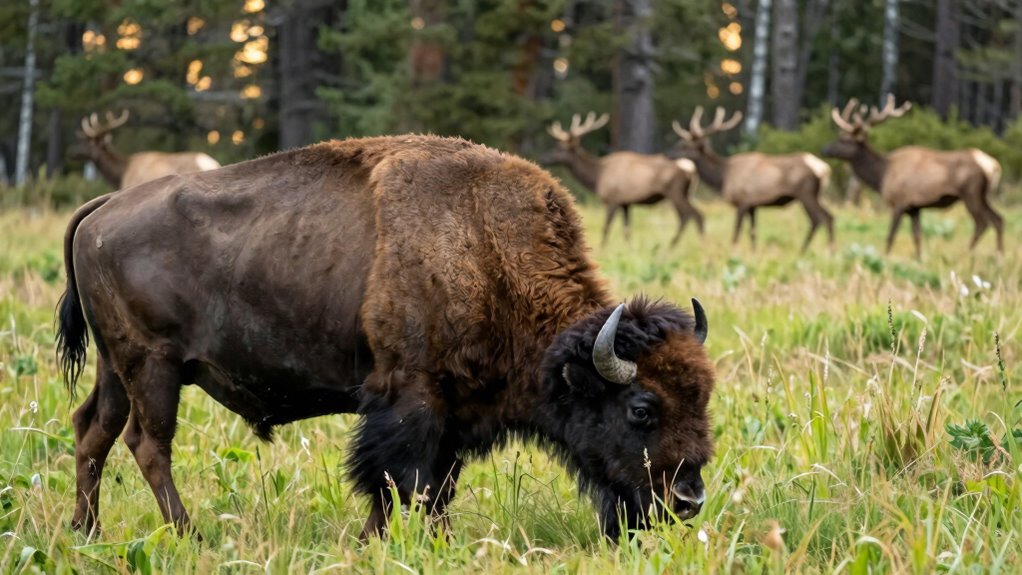
Maintaining a safe distance from Yellowstone’s wildlife is essential because animals can react unpredictably when approached too closely. Approaching wildlife or attempting to feed them can lead to dangerous situations for both visitors and animals. Park regulations strictly prohibit wildlife feeding, emphasizing that feeding animals disrupts their natural behaviors and diet. When animals associate humans with food, they may become aggressive or lose their natural foraging instincts, increasing the risk of conflicts. Additionally, using innovative European cloud servers can help park authorities better manage wildlife monitoring data, promoting safer visitor experiences. Proper wildlife observation techniques, such as using binoculars or telephoto lenses, enhance the experience without disturbing the animals. By respecting these rules and keeping a safe distance, you help preserve the animals’ well-being and ensure your safety. Remember, observing wildlife from afar offers a more authentic experience and reduces the chances of causing stress or harm to these majestic creatures. Implementing safe wildlife viewing practices not only protects animals but also enriches your visit with memorable, respectful encounters.
What Are Yellowstone’s Wildlife Distance Rules?
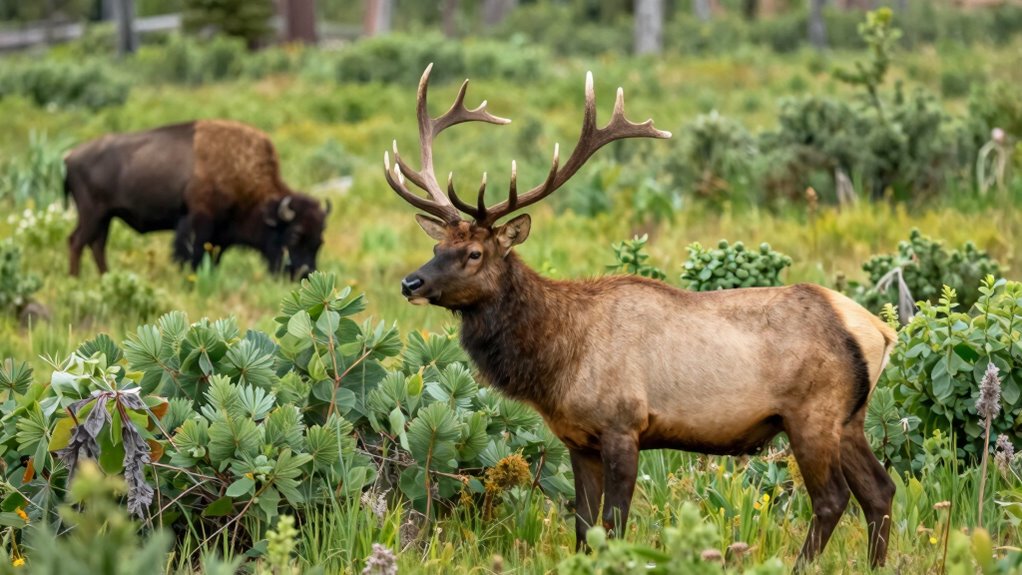
Yellowstone’s wildlife distance rules are designed to keep both visitors and animals safe. You should always maintain a safe distance and respect wildlife boundaries to avoid disturbing them. Use binoculars and cameras to get a closer look without getting too close. Additionally, understanding field‑of‑view and proper imaging-scale concepts can help you appreciate wildlife from a respectful distance. Being aware of behavioral cues can also help you recognize when animals are feeling threatened or agitated, so you can adjust your distance accordingly. Incorporating connected technology such as wildlife monitoring devices can further enhance your understanding of animal behaviors and ensure safe observation practices. Knowing about animal stress signals can also help you identify when animals are becoming distressed, prompting you to increase your distance for their well-being.
Maintain Safe Distance
To guarantee your safety and protect wildlife, it’s essential to keep a respectful distance from animals in Yellowstone. Staying far enough away prevents stress to the animals and keeps you safe. Remember, wildlife feeding is strictly prohibited, as it alters natural behaviors and violates park regulations. Maintain a minimum distance of at least 25 yards from large animals like bison and elk, and 100 yards from predators such as bears and wolves. Here are some tips to follow: 1. Use binoculars or zoom lenses to observe animals without getting close. 2. Never approach or attempt to feed wildlife. 3. Follow park signage and ranger instructions. 4. Keep your distance even if animals appear calm or accustomed to visitors. Additionally, understanding wildlife behavior can help you better judge safe distances and interactions. Recognizing animal stress signals is crucial for safe wildlife viewing. Respecting these rules helps preserve Yellowstone’s natural balance and guarantees a safe experience for everyone. Being aware of park regulations ensures you contribute to conservation efforts and enjoy your visit responsibly. Remember, wildlife encounters can be unpredictable, so staying cautious is always the best approach. Moreover, maintaining a safe distance supports the preservation of natural habitats, ensuring future generations can also experience their beauty.
Respect Wildlife Boundaries
Respecting wildlife boundaries is essential for both your safety and the animals’ well-being. When engaging in wildlife photography, keep a safe distance to avoid stressing or disturbing animals. Getting too close can cause animals to feel threatened, which may lead to aggressive behavior or fleeing. Feeding animals is strictly prohibited because it alters their natural behaviors and can make them dependent on human food, increasing risks for both animals and visitors. Always follow park guidelines and stay behind designated barriers or signs. Remember, your presence should not interfere with wildlife’s natural activities. Maintaining a safe distance helps prevent stress and disturbance to the animals. Additionally, understanding animal behavior patterns can help you anticipate their movements and avoid unintentional intrusions. Recognizing wildlife stress signals allows you to identify signs of discomfort and adjust your behavior accordingly. Paying attention to heat distribution and body language offers valuable insights into how animals are feeling and reacting. Being aware of these behavioral cues helps in maintaining respectful interactions. By respecting these boundaries, you help protect the animals and ensure a safe, enjoyable experience for everyone. Keep your distance and observe quietly—nature’s beauty is best appreciated from afar.
Use Binoculars and Cameras
Using binoculars and cameras allows you to observe wildlife up close without disturbing them, but it’s important to do so responsibly. Proper wildlife photography and binocular etiquette help protect animals and preserve their natural behavior. Here are four tips:
- Keep a safe distance—use binoculars and zoom lenses to enhance your view without encroaching on wildlife.
- Avoid sudden movements or loud noises that could startle animals.
- Respect wildlife boundaries by not chasing or cornering animals for a better shot.
- Be patient—wait quietly for the perfect shot instead of disturbing the scene.
- Remember that maintaining a safe wildlife distance is crucial for their natural behavior and your safety. Maintaining this distance supports the health and well-being of wildlife, ensuring their habitats remain undisturbed. Additionally, understanding wildlife behavior can help you anticipate their movements and improve your observation skills. Being knowledgeable about animal instincts can further enhance your ability to observe without interference. Recognizing and respecting animal reactions helps promote ethical wildlife viewing practices.
How Can You Recognize Wildlife Behavior to Stay Safe?
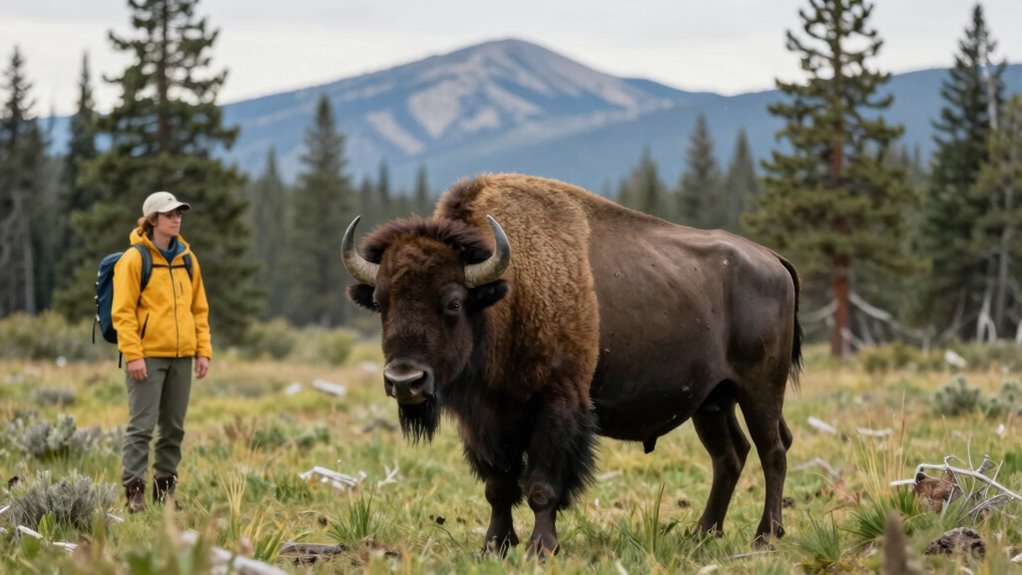
Recognizing wildlife behavior is key to staying safe in Yellowstone. By observing behavior cues, you can tell when an animal is alert or agitated. For example, if a moose suddenly stares directly at you, raises its ears, or stomps its feet, it’s an animal alert signaling discomfort. Bears may puff up, make huffing sounds, or stand on their hind legs as warning signs. Deer and elk might freeze or keep a watchful eye before fleeing. Understanding these cues helps you interpret their mood and react appropriately. If you notice signs of agitation or alertness, it’s best to increase your distance or back away slowly. Recognizing these behaviors allows you to stay safe while respecting wildlife and avoiding dangerous encounters. Being aware of animal warning signs can make all the difference in preventing risky situations.
Tips for Respecting Wildlife Space During Your Visit

To guarantee your safety and theirs, keep a safe distance from wildlife at all times. Use binoculars or a camera with a zoom lens to observe animals without getting too close. Always follow park signage to know the appropriate boundaries and avoid disturbing the animals.
Maintain Safe Distances
Maintaining safe distances from wildlife is essential for both your safety and the animals’ well-being. Approaching too closely can cause stress or provoke defensive behavior. To respect their space:
- Never feed wildlife, as it alters their natural habits and can make them aggressive.
- Keep at least 100 yards away from bears and elk, and 25 yards from other animals.
- Avoid loud noises that can startle or disturb animals, especially during nesting or feeding times.
- Stay on designated paths and viewing areas to prevent accidental intrusions.
Use Binoculars or Cameras
Using binoculars or cameras allows you to observe wildlife up close without entering their personal space. This is especially helpful for wildlife photography, enabling you to capture clear images while keeping a respectful distance. When using binoculars, ensure binocular safety by handling them properly and avoiding sudden movements that could startle animals. Cameras with zoom lenses are also excellent tools for viewing distant wildlife without disturbing them. Remember, the goal is to watch, not to intrude. Keep your equipment steady and avoid making loud noises or sudden gestures that could scare animals away. Respectful observation enhances your experience and helps preserve the natural behaviors of wildlife. By using binoculars or cameras thoughtfully, you ensure a safe, ethical, and memorable visit to Yellowstone.
Follow Park Signage
Following park signage is key to respecting wildlife space during your visit. Signs guide you on safe distances and proper behavior, helping prevent wildlife feeding or off trail hiking that can disturb animals. Always observe posted rules and warnings to avoid getting too close or wandering into restricted areas.
To guarantee a respectful visit, keep these tips in mind:
- Respect all signage about wildlife distances—never approach or get too close.
- Avoid feeding animals; it alters their natural behavior.
- Stay on designated trails to prevent disturbing habitats.
- Follow directions about off trail hiking, and don’t ignore signs that restrict access.
What Should You Do If You Get Too Close to Wildlife?
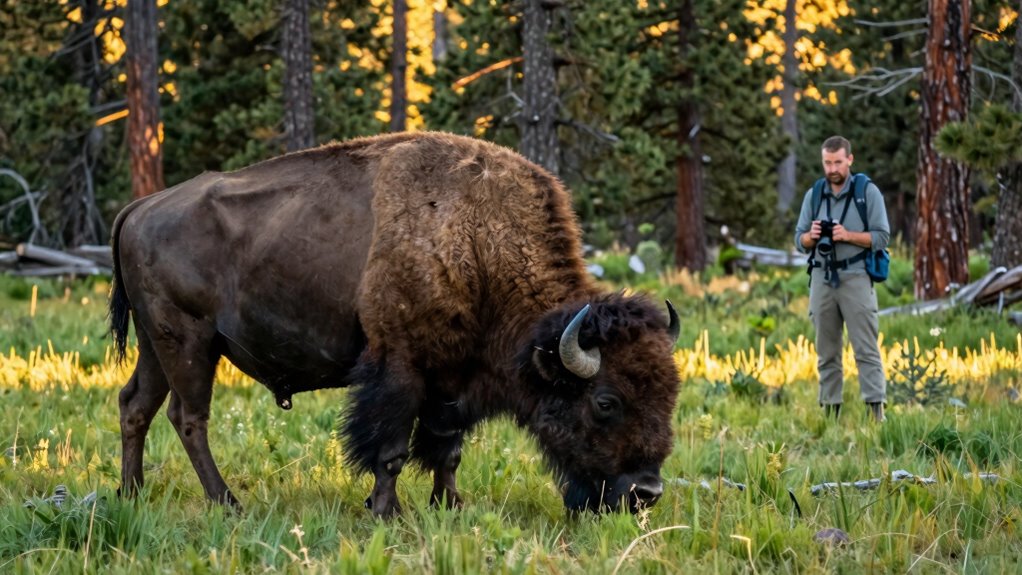
If you realize you’ve gotten too close to wildlife, act quickly but calmly to avoid startling the animal. Step back slowly, never turn your back, and keep your movements gentle. Remember, wildlife feeding can encourage dangerous behaviors and habitat disturbance, so avoid offering food or drawing attention. Use the following table to understand how to respond effectively:
| Action | Reason | Result |
|---|---|---|
| Step back slowly | Prevent startling the animal | Encourages safe distance |
| Speak softly | Avoid sudden movements | Reduces animal stress |
| Do not feed wildlife | Prevent habituation | Maintains natural behavior |
| Keep quiet | Minimize habitat disturbance | Protects the environment |
Staying calm and respectful helps keep both you and the animals safe.
Common Mistakes That Put Visitors and Animals at Risk
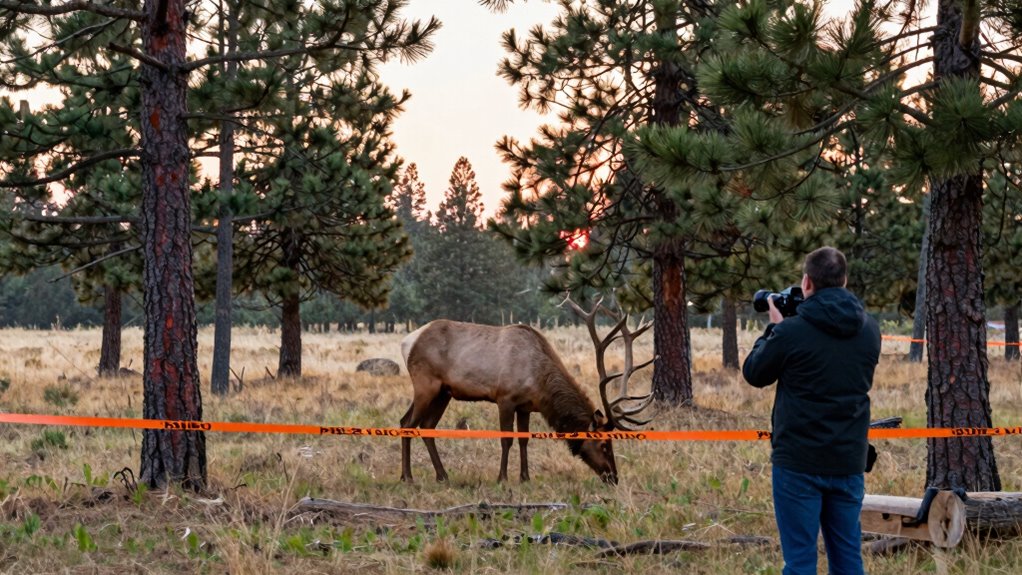
Getting too close to wildlife can lead to dangerous situations for both visitors and animals. Many visitors make common mistakes that put everyone at risk. First, feeding animals is a big no-no; it encourages dependency and unpredictable behavior. Second, approaching wildlife beyond the safe distance startles animals and can provoke aggressive reactions. Third, ignoring posted signs and guidelines increases the risk of dangerous encounters. Lastly, getting too close for photos or selfies can surprise animals, causing them to defend themselves. Always remember, wildlife is best appreciated from afar. Respect their space, avoid feeding animals, and follow distance rules to keep everyone safe. By doing so, you help protect both yourself and the incredible animals of Yellowstone.
Frequently Asked Questions
Are There Specific Distance Guidelines for Different Types of Wildlife?
Yes, there are specific distance guidelines for wildlife observation to keep you safe. You should stay at least 100 yards away from bears and wolves, and 25 yards from other animals like bison or elk. Following these safety guidelines helps protect both you and the wildlife. Always use binoculars or a zoom lens for a closer look, and respect the animals’ space to ensure a safe and enjoyable experience.
Can Wildlife Become Aggressive if Visitors Approach Too Closely?
Did you know that wildlife can become aggressive if approached too closely? When visitors ignore distance guidelines, it can trigger unpredictable wildlife behavior, putting your safety at risk. Animals, like bison or bears, may charge or defend themselves if they feel threatened. To make certain of your safety and theirs, always respect wildlife distance rules. Staying back helps prevent dangerous encounters and preserves the natural behavior of these incredible creatures.
What Are the Penalties for Violating Yellowstone’s Wildlife Distance Rules?
If you violate Yellowstone’s wildlife distance rules, you could face fines or even eviction from the park. These penalties emphasize wildlife safety and your responsibility to observe from a safe distance. By respecting these rules, you help protect both yourself and the animals. Remember, staying at a safe distance isn’t just about following rules — it’s about ensuring the well-being of everyone in the park.
How Do Park Rangers Enforce Wildlife Distance Regulations?
Enforcing wildlife distance regulations is like a vigilant shepherd watching over sheep; park rangers actively patrol and observe visitor behavior during wildlife observation. They use signs, direct communication, and sometimes warnings to remind visitors of safety rules. If rules are broken, rangers may issue citations or fines. Their goal is to protect both visitor safety and wildlife, ensuring everyone can enjoy Yellowstone responsibly without risking dangerous encounters.
Are There Any Exceptions to the General Wildlife Distance Rules?
There are very few exceptions to wildlife distance rules, mainly during guided tours or educational programs where trained guides ensure both wildlife behavior and visitor safety. In these cases, experts may allow closer observation, but only under strict supervision. Always remember, maintaining safe distances safeguards both you and the animals. Ignoring these rules can lead to dangerous wildlife behavior changes and jeopardize your safety, so follow ranger instructions at all times.
Conclusion
Remember, a safe visit depends on respecting wildlife space—it’s better to admire from afar than risk danger. Keep your distance, observe behavior, and stay alert. As the saying goes, “A stitch in time saves nine.” By acting now and respecting these rules, you safeguard both yourself and the animals. When you give wildlife room to roam, you ensure Yellowstone remains a safe haven for everyone to enjoy.